





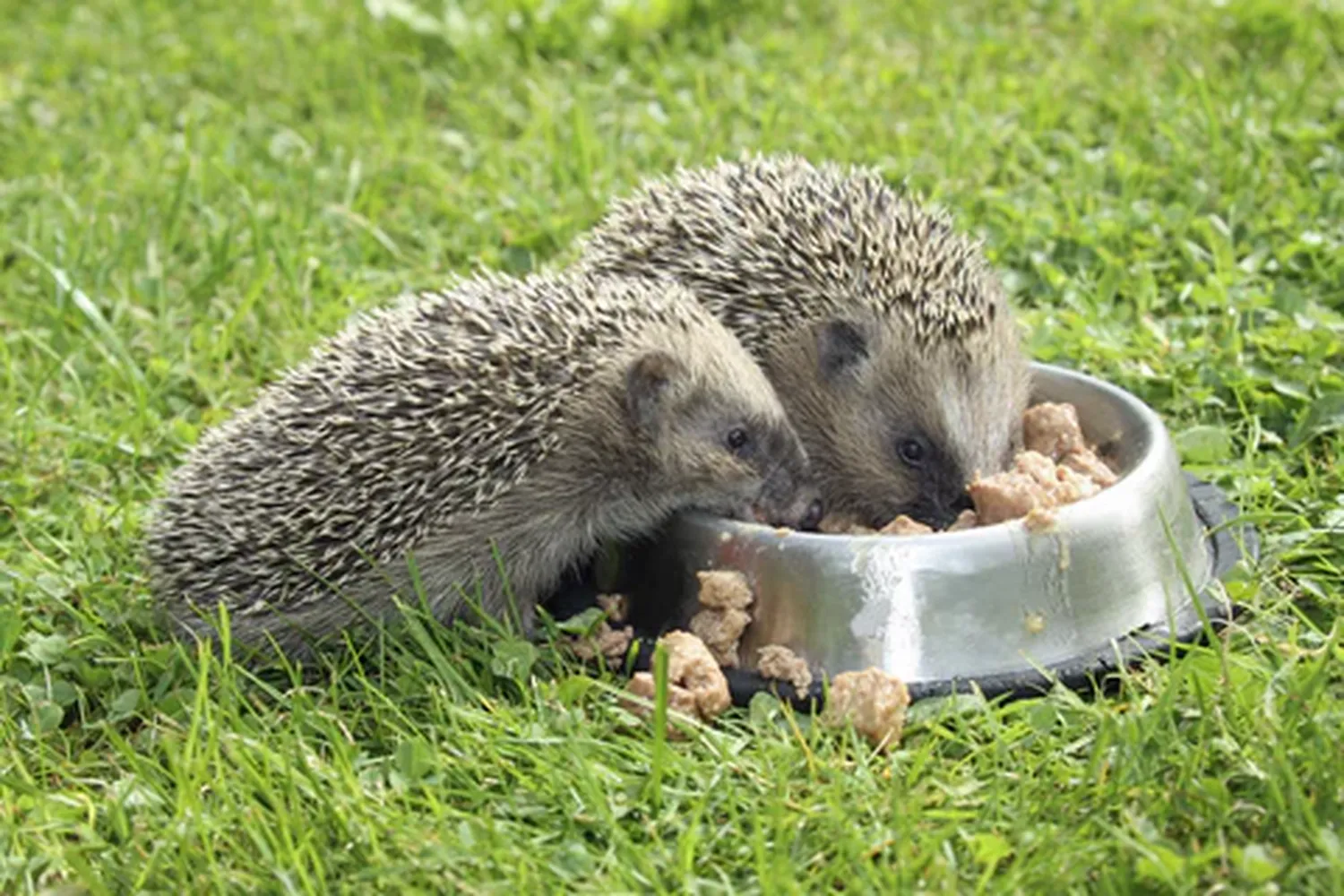
Learning how to feed a pet hedgehog properly is one of the most critical steps in ensuring your exotic companion lives a long, active, and disease-free life. In the wild, African Pygmy hedgehogs are opportunistic insectivores, spending their nights foraging for beetles, worms, and small invertebrates. Replicating this specialized diet in a domestic setting requires a careful balance of lean proteins, minimal fats, and essential chitin. Poor dietary choices lead rapidly to obesity and fatty liver disease, making precise portion control absolutely necessary.
The Ideal Hedgehog Nutritional Profile
Hedgehogs have a short digestive tract and a high metabolic rate, meaning they process low-quality fillers very poorly. Their bodies thrive on animal-derived proteins rather than plant proteins. To master how to feed a pet hedgehog properly, you must keep their daily food intake aligned with strict macro-nutrient percentages. Just as you would carefully monitor conditions when learning how to breed guppy fish in a small tank, managing a small animal's ecosystem starts with the right biological building blocks.
| Nutrient | Target Range | Purpose |
|---|---|---|
| Protein | 30% – 35% | Muscle development |
| Fat | 10% – 12% | Energy storage |
| Fiber | 5% – 15% | Digestive balance |
Choosing the Best Base Commercial Food
High-quality dry cat kibble remains the most reliable primary daily base food for pet hedgehogs. Look closely at the ingredient list; the first item listed must be a designated whole meat resource like chicken or turkey. Avoid any commercial brands that utilize corn, wheat gluten, or ambiguous animal by-products as bulk fillers, as these cause severe intestinal issues over time.
Because hedgehogs are prone to gaining weight quickly, limit their baseline dry food to 1 or 2 tablespoons per evening. If you also manage backyard spaces or raise exotic pets alongside small green spaces, keeping track of dietary limits is as precise as learning how to test soil moisture after heavy rainfall to ensure small biological environments do not become oversaturated or unbalanced.
The Role of Live, Gut-Loaded Insects
Insects are not merely optional treats; they provide essential fiber in the form of chitin, which comes from their hard outer shells. This helps prevent gastrointestinal complications. Always source your feeding insects from reputable commercial pet supply stores rather than your backyard to eliminate pesticide or parasite transmission hazards.
- Mealworms: Excellent for active foraging stimulation, but should be given sparingly due to their high fat content.
- Crickets: Low in fat and rich in lean moisture; perfect for encouraging active hunting behavior within the enclosure.
- Dubia Roaches: An exceptional nutritional choice, offering high protein-to-fat ratios and easy digestion.
According to clinical veterinary studies published by the British Veterinary Association, gut-loading your insects with highly nutritious vegetable scraps 24 hours before feeding directly maximizes the vitamins transferred to your exotic pet.
Toxic and Dangerous Foods to Avoid
Understanding how to feed a pet hedgehog properly requires knowing what to leave out of their dish completely. Hedgehogs are lactose intolerant, meaning milk, cheese, and yogurt will cause severe stomach pain and diarrhea. Furthermore, avoid sticky items like dried fruits or large nuts, which easily become lodged in the roof of their mouths or pose a severe choking hazard.
Protecting a delicate pet from invisible health threats is very similar to looking after vulnerable garden species. For instance, knowing how to spot nutritional hazards for your pet is just as critical as knowing how to save a waterlogged plant after heavy rain or knowing how to protect garden plants from a sudden frost when unexpected environmental changes hit your home.
Hydration Stations and Portions
Fresh water must always be accessible around the clock. Heavy ceramic water bowls are much safer than hanging plastic water bottles, as metal sipping tubes can easily chip a hedgehog's fragile teeth or trap their tongues. Wash the dish every single evening to remove bacteria or stray bedding debris.
If you need to change your pet's schedule or adapt their room setup during extreme weather seasons, check out our seasonal guides on how to water your garden during a severe drought, how to protect fruit trees from hail damage, and how to protect greenhouse plants from extreme summer heat to maintain complete climate and safety control over your home environment.
Frequently Asked Questions
Can I feed my pet hedgehog standard commercial dog or cat treats?
Most dog treats are too hard and large, but low-fat unseasoned freeze-dried chicken cat treats are safe when given sparingly.
How often do domestic African Pygmy hedgehogs need to eat?
They are nocturnal and require fresh food once daily in the evening, alongside a constantly available supply of clean drinking water.
Conclusion: Consistent Dietary Care
Mastering how to feed a pet hedgehog properly is a rewarding process that significantly extends your exotic companion's lifespan. By maintaining a lean poultry-based dry food foundation, adding gut-loaded insects for vital chitin fiber, and keeping their dish clear of toxic items, you actively prevent common digestive illnesses. Observation and routine weight checks ensure your pet stays happy, healthy, and full of energy for years to come.