





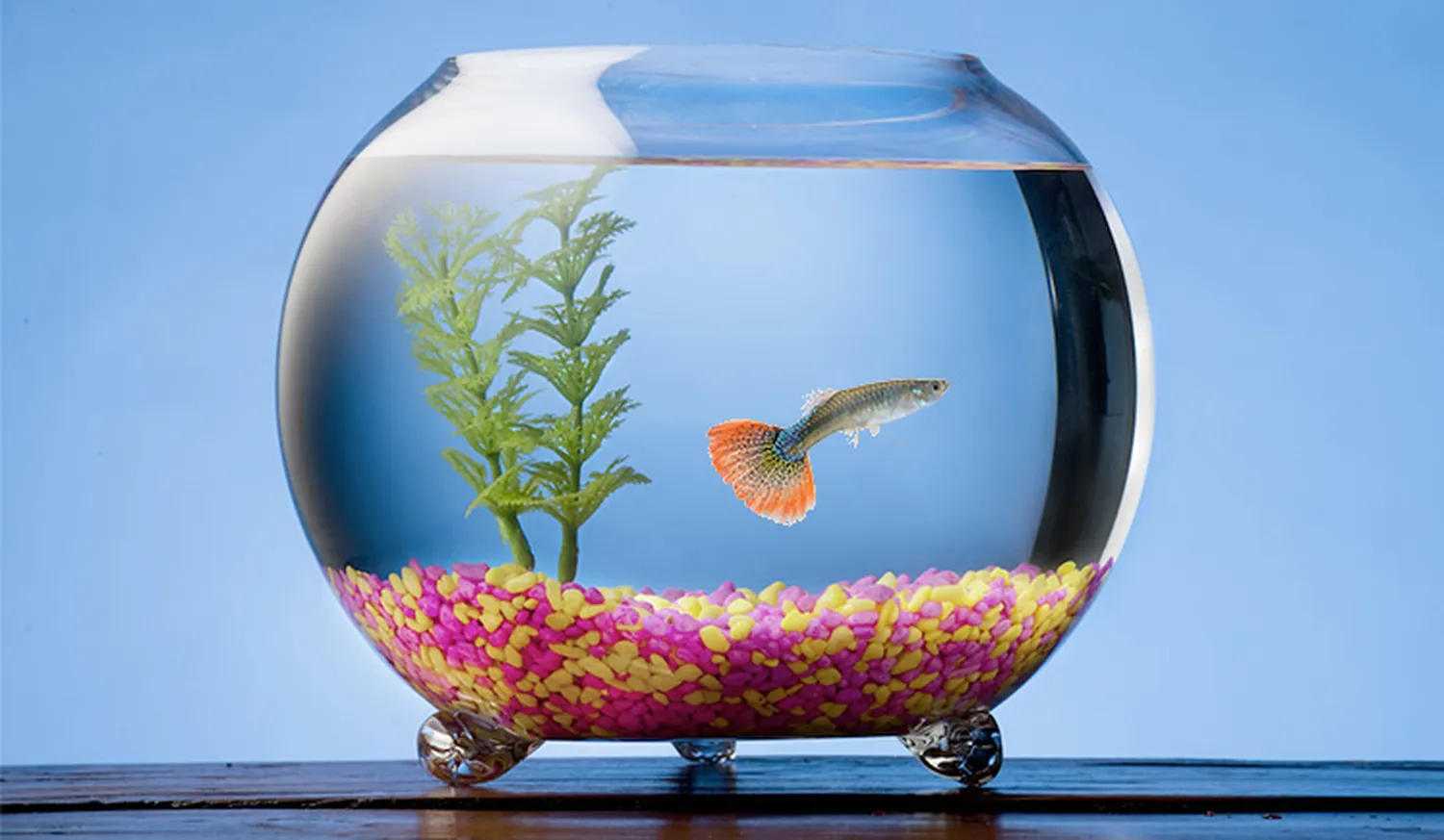
Learning how to breed guppy fish in a small tank is an incredibly rewarding experience for both beginner and seasoned aquarists. Guppies (Poecilia reticulata) are prolific livebearers, meaning they give birth to free-swimming young rather than laying eggs. While they reproduce easily, maintaining a small, confined habitat requires precise care, careful water monitoring, and structured management to ensure the survival of both the parents and their fragile fry.
1. Minimum Tank Requirements & Setup
When configuring a space-limited aquarium, size management dictates your ultimate success. You should utilize a tank with a minimum capacity of 10 gallons (approximately 38 liters). Anything smaller makes it difficult to maintain biological balance once dozens of newborn fry arrive. Just as a specialist learns how to protect greenhouse plants from extreme summer heat by carefully controlling internal atmospheres, an aquarist must structure a tight aquatic environment to avoid deadly toxic spikes.
- Filtration: Use an air-powered sponge filter. Traditional power filters possess high intake currents that easily trap and kill newborn fry.
- Substrate & Cover: Keep the bottom bare or use fine gravel. More importantly, fill the space with dense live plants like Java Moss or Hornwort to give the young hiding spots.
- Heating: A reliable, adjustable aquarium heater is required to maintain stable thermal conditions.
2. Ideal Water Chemistry Parameters
Guppies are hardy, but dynamic changes in a small volume of water can trigger severe physiological stress. Frequent water quality monitoring is crucial. In the same way that landscape enthusiasts master how to test soil moisture after heavy rainfall to protect fragile roots, you must regularly test aquarium water parameters using a reliable liquid testing kit.
| Parameter | Optimal Target Range |
|---|---|
| Temperature | 24°C – 27°C (75°F – 80°F) |
| pH Level | 6.8 – 7.8 |
| Water Hardness | 10 – 20 dGH |
| Ammonia / Nitrite | 0 ppm (Strict Maximum) |
3. The Golden Breeding Ratio
Never place a single male and a single female together in a small enclosure. Male guppies are relentless in their mating pursuits. To prevent fatal exhaustion, implement a strict breeding ratio of 1 male to 2 or 3 females. This distribution disperses harassment across multiple fish, allowing pregnant females the necessary peace to gestate healthily.
You can identify a pregnant female by her swollen abdomen and a dark, prominent "gravid spot" located near her anal fin. The gestation period lasts roughly 21 to 30 days depending on the consistency of your water temperatures.
4. High-Quality Feeding Strategies
Breeding adult guppies and rapidly growing fry require nutrient-dense diets. Feed your adult guppies small amounts of high-protein crushed flakes, freeze-dried bloodworms, and live baby brine shrimp 2 to 3 times per day. Only offer what they can completely consume within 2 minutes to prevent waste accumulation.
Properly raising young animals requires specialized nutritional oversight. For example, learning how to feed a pet hedgehog properly involves balancing proteins and fats safely; similarly, newborn guppy fry need specific meals like live infusoria or finely powdered fry food up to 4 or 5 times a day to support accelerated growth rates.
5. Protecting and Raising the Fry
Adult guppies possess zero parental instincts and will promptly consume their own offspring if given the opportunity. To achieve a high survival rate within a small tank setup, utilize one of these two verified approaches:
- The Natural Method: Fill over 30% of the aquarium volume with floating plants. This dense foliage allows quick newborn fry to safely escape out of the visual field of adult fish.
- The Separation Method: Move the heavily pregnant female into a separate breeder box or a dedicated small nursery container right before she gives birth. Once the birthing process concludes, return the mother back to the main tank immediately.
Perform clean, gentle 25% water changes every week using conditioned water. Siphon waste off the bottom carefully to ensure you do not accidentally remove any hidden fry. Within roughly 2 to 3 months, the young guppies will develop vibrant coloration and reach a size large enough to live alongside adults without danger.
6. Frequently Asked Questions
How many fry can a guppy give birth to?
A single female guppy can deliver anywhere from 10 to over 60 fry during a single birthing cycle, depending on her age, size, and overall health conditions.
Can I breed guppies in a 5-gallon tank?
While technically possible to house a trio briefly, a 5-gallon tank is highly discouraged for breeding because the rapid accumulation of bioload from growing fry will cause deadly ammonia spikes.
How do I keep the small tank water clean?
Perform regular 25% weekly water changes, avoid overfeeding, and utilize an active sponge filter to maintain healthy biological parameter trends. For more info on handling water issues safely, check out official guidelines provided by the World Aquaculture Society.
Conclusion
Consistently managing how to breed guppy fish in a small tank rests entirely on water control and safety protocols for the fry. By implementing a correct 1:2 or 1:3 sex ratio, utilizing a protective sponge filter, and packing the small environment with dense live plants, you can easily sustain a thriving, colorful livebearer colony in a space-restricted home setup.