





Learning how to test soil moisture after heavy rainfall is essential for preventing root suffocation and managing your garden's water levels effectively. Intense downpours pack down loose soil pores and push out the oxygen your plants rely on to grow. Knowing if your soil is safely holding moisture or dangerously waterlogged helps you make smart care decisions. Checking your soil levels early keeps your backyard ecosystem stable and helps you catch irrigation issues before they cause lasting damage.
Why Testing Moisture Post-Rainfall Matters
Excessive storms alter subterranean balance fast. When rainwater fills the gaps between soil particles, roots can quickly starve for oxygen. If you do not track these changes, you might accidentally compromise vulnerable plants. For instance, if your tests reveal severe puddle accumulation or compact mud layers, you must immediately learn how to save a waterlogged plant after heavy rain to drain the roots and avoid fungal issues.
Regular ground monitoring also helps you adapt to changing seasonal patterns. On the other hand, if a sudden summer weather shift occurs later in the year, mastering how to water your garden during a severe drought keeps your soil texture soft and easy to work with through the changing seasons.
Primary Methods to Check Ground Saturation
You do not need expensive commercial lab equipment to figure out how to test soil moisture after heavy rainfall accurately. Use these three reliable methods to check your soil:
- The Manual Core Finger Test: Clear away any surface leaf mulch. Push your index finger straight down 2 to 3 inches into the earth. If it feels muddy or cool and dripping wet, the upper soil layer is completely saturated.
- The Wooden Dowel Method: Push a clean wooden stick straight down into the garden bed. Pull it out and inspect the wood. Damp soil will leave dark streaks and bits of mud stuck to the stick, showing you exactly how deep the rainwater reached.
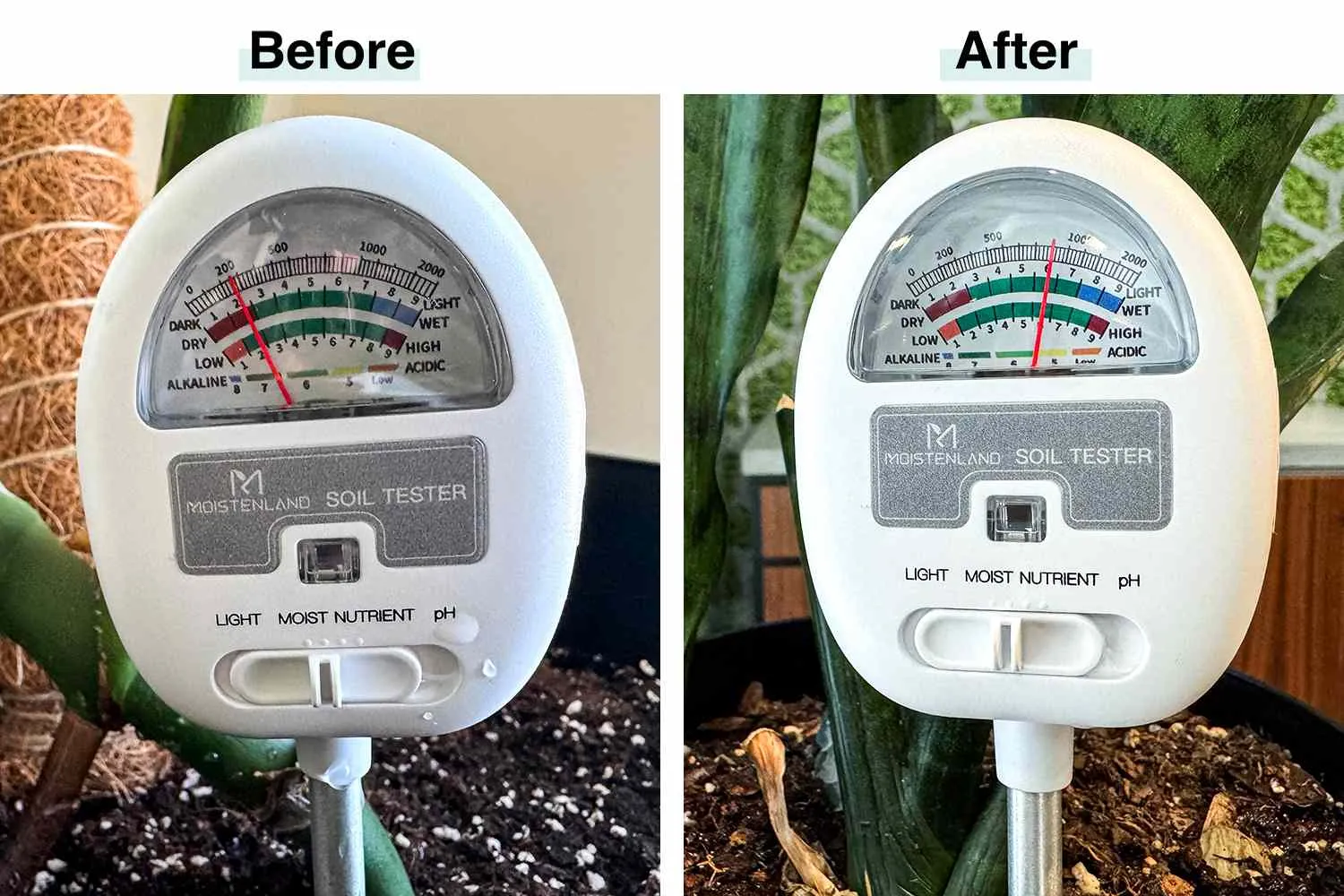
- The Mechanical Probe Test: Insert a metal moisture meter probe down near the plant's drip line. The needle will point to a number from 1 to 10, giving you a clear, instant look at the underground saturation levels.
According to research from the USDA Natural Resources Conservation Service, taking physical core samples at different depths provides the most accurate picture of your soil's water storage capacity and overall health.
| Soil Type | Drainage Speed | Saturation Risk |
|---|---|---|
| Sandy Loam | Very Fast | Low Risk |
| Silt Bed | Moderate | Medium Risk |
| Heavy Clay | Extremely Slow | Critical Risk |
Understanding Soil Type Retention Metrics
Different types of soil hold water differently after a heavy storm. Sandy soils drain surplus water away within a few hours, while dense clay beds trap moisture, keeping roots waterlogged for days. If you notice structural issues across your garden after checking your soil, our guide on how to protect fruit trees from hail damage will help you secure your larger trees against severe storm winds and weather impacts.
Managing Your Garden After Testing
Once you finish testing, tailor your garden care to your soil's actual moisture levels. If your tests show high water levels under your protection structures, knowing how to protect greenhouse plants from extreme summer heat will help you ventilate the space and dry out muddy containers safely. Likewise, if unexpected frosts follow heavy rainstorms, learning how to protect garden plants from a sudden frost keeps trapped water from freezing and cracking vulnerable root cells.
Frequently Asked Questions
How long should I wait to check soil moisture after a storm?
Wait roughly 12 to 24 hours after active downpours stop to let free gravitational water drain away naturally before testing baseline moisture.
What is the most accurate tool to test deep ground moisture?
A standard calibrated mechanical or digital TDR moisture probe with a long metal stem offers the most accurate real-time root zone values.
Conclusion: Long-Term Soil Health
Learning how to test soil moisture after heavy rainfall helps you take great care of your garden and keeps your plants growing strong. Checking water levels regularly with manual or digital tools prevents root rot and ensures your roots get the oxygen they need. Consistent testing makes it easy to keep your garden beautiful, healthy, and resilient through any seasonal weather shifts.