





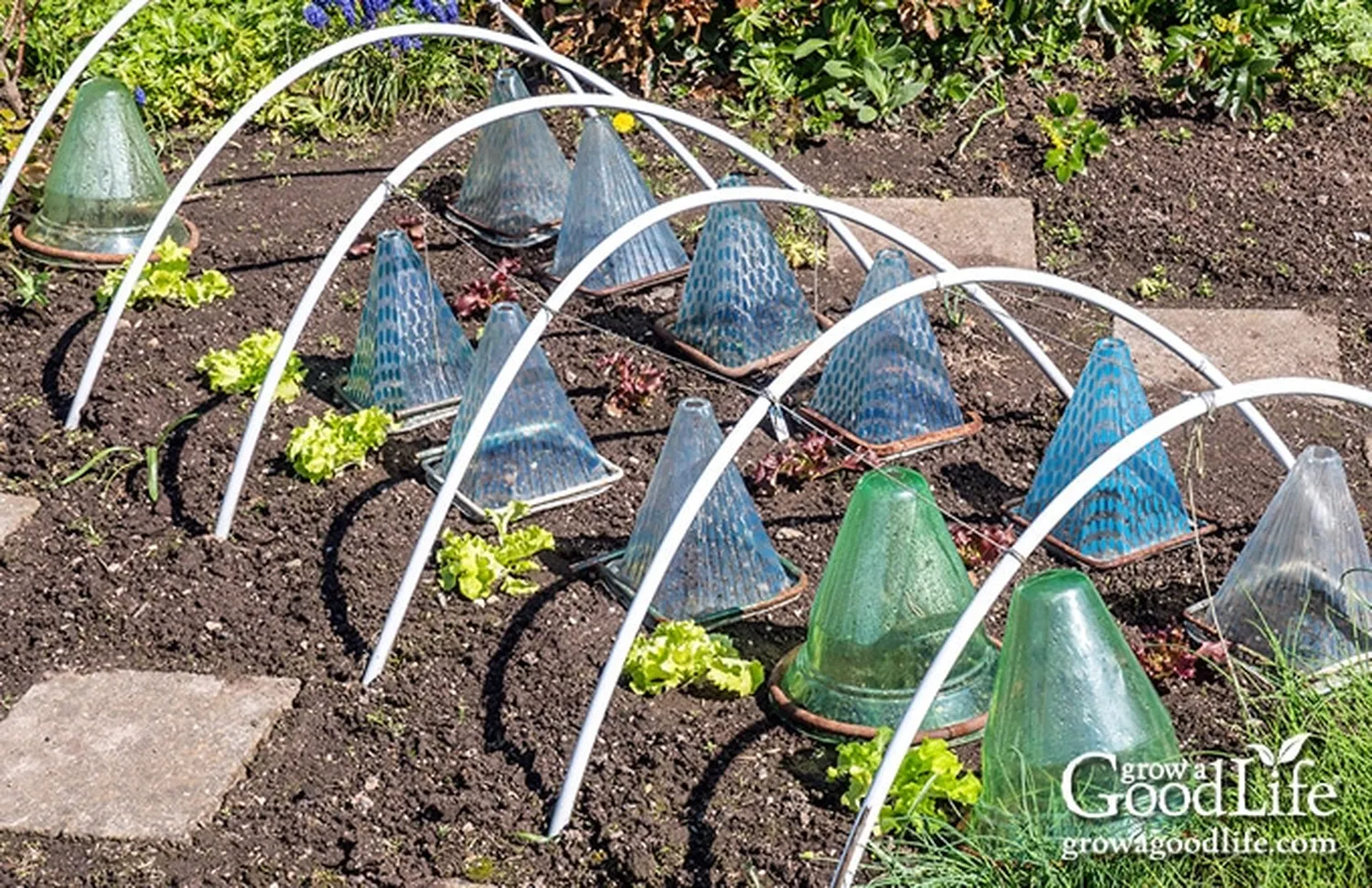
Few things are more disheartening to a gardener than watching a thriving patch of vegetation get struck down by an unexpected drop in temperature. Learning exactly how to protect garden plants from a sudden frost is a critical skill for safeguarding your hard work against volatile seasonal transitions. When cold waves arrive without warning, taking swift proactive action over a matter of hours determines whether your delicate flowers and soft-stemmed food crops survive to see another spring afternoon.
Understanding Frost Dynamics and Critical Thresholds
Frost forms when moisture on plant tissue drops below freezing point, causing water inside leaf cells to crystalize, expand, and rupture vital cell walls. The exact atmospheric window where damage manifests is highly predictable, though it varies across regional landscapes. According to the National Oceanic and Atmospheric Administration (NOAA), frost risks accelerate drastically whenever night skies stay perfectly clear and wind currents drop under 5 miles per hour, allowing radiating ground warmth to escape freely into the upper atmosphere.
If your local area has recently suffered from unstable weather patterns, like needing to figure out how to save a waterlogged plant after heavy rain, the root systems are already under physical stress and will possess lowered natural resistance against freezing conditions. Recognizing your hardiness zone thresholds saves critical time during sudden cold snaps.
Emergency Action Steps Before Nightfall
When a surprise freeze warning flashes on your weather dashboard, your action plan should start roughly three to four hours before dusk. Waiting until midnight minimizes your window for success because the local environment will have already lost its residual ambient heat pool.
- Soak the Soil: Generously drench the soil around the base of your flowerbeds and rows in the early afternoon. Wet soil retains up to four times more thermal energy than dry soil, radiating a slow curtain of warm vapor upward through the low foliage canopy during freezing midnight hours. This contrasts with summer tactics, where knowing how to water your garden during a severe drought requires focused water conservation.
- Apply Deep Mulch: Pile a 2-to-3-inch layer of dry straw, pine needles, or shredded leaves directly over the root crowns of your prized perennials. This organic blanket traps existing geological ground heat.
- Bring Potted Containers Indoors: Relocate smaller terracotta pots, hanging baskets, and starter flats into a temporary shelter, such as an insulated garage or basement room floor.
Selecting and Securing the Right Covering Materials
The primary shield against freezing air is a physical draped barrier. However, material choices alter structural efficacy under heavy frost loads. Heavy cloth materials like old canvas tarps, thick bedsheets, burlap sacks, or dedicated commercial polypropylene frost blankets are exceptional options for insulating plants.
When applying covers, ensure the fabric drapes all the way down to ground level to seal in rising earth currents. Secure the edges firmly using bricks, rocks, or heavy timber logs. Avoid utilizing raw plastic sheeting directly against exposed leaves; plastic conducts ambient ice temperatures instantly onto any surface it touches, resulting in widespread black freeze-scalds on contact points.
If you also cultivate taller woody crops, coordinating these ground actions with strategies on how to protect fruit trees from hail damage can provide a well-rounded shield against complex spring storm cells.
Plant Frost Vulnerability Matrix
Not all yard flora share the same biological tolerances. Review the simple table below to categorize your backyard specimens and prioritize your evening preparation efforts:
| Crop/Plant Category | Damage Threshold | Priority Status |
|---|---|---|
| Tender Annuals (Impatiens, Marigolds) | 32°F (0°C) | High Alert / Cover Fully |
| Warm Vegetables (Tomatoes, Peppers) | 32°F (0°C) | High Alert / Insulate Base |
| Hardy Greens (Kale, Spinach, Cabbage) | 25°F (-4°C) | Low Priority / Safe Bare |
| Established Woody Perennials | 20°F (-6°C) | No Covering Required |
Post-Frost Care and Recovery Plan
Once morning breaks and temperatures rise safely above 36°F (2°C), remove all fabric blankets promptly. Leaving dark cloths over the vegetation into mid-morning can trap intense solar heat, causing severe temperature shock that ruins internal plant chemistry.
If you discover wilted, black, or translucent leaves, avoid the temptation to cut away the damaged stalks immediately. Leaving dead foliage intact for a couple of weeks protects the underlying living buds from secondary late-season cold dips. Ensure you test your growing mediums regularly; techniques like knowing how to test soil moisture after heavy rainfall will help keep your irrigation schedules precise while your vegetation recovers from cold-induced shock periods.
Frequently Asked Questions
Does watering plants before a freeze actually work?
Yes. Wet soil radiates significantly more heat than dry earth. The moisture creates a warmer microclimate around the foliage canopy as it slowly releases energy overnight.
Can I use cardboard boxes for sudden frost protection?
Absolutely. Cardboard boxes make excellent overnight insulating structures for smaller individual specimens. Weigh the tops down with rocks to prevent nighttime wind displacement.
What is the difference between a frost and a hard freeze?
A frost occurs when moisture freezes on surfaces above 32°F, while a hard freeze happens when ambient air temperatures drop below 28°F for several hours, causing deep cellular damage.