





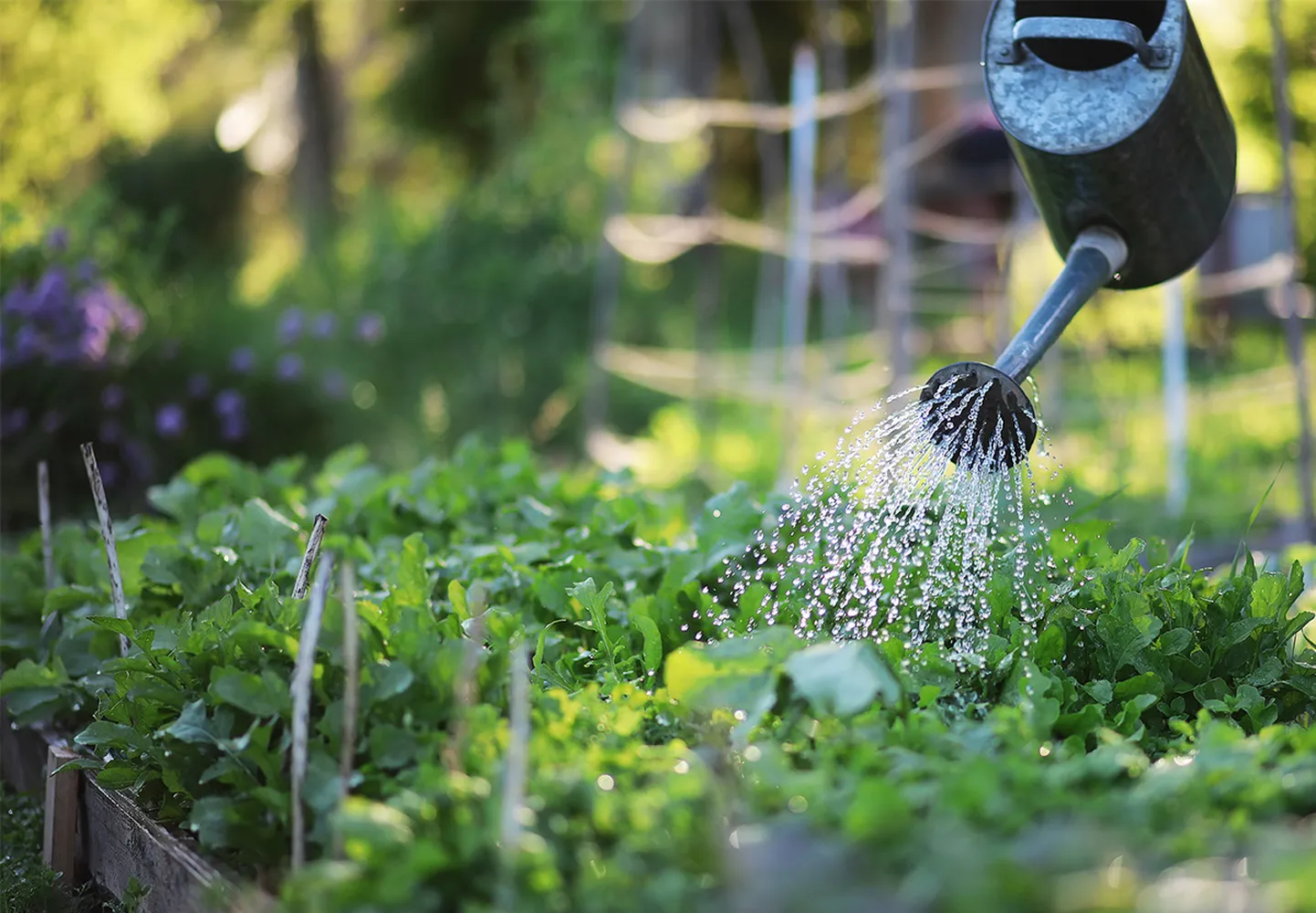
Learning how to water your garden during a severe drought is vital for keeping your backyard ecosystem alive when local reservoirs drop and temperatures spike. Standard overhead sprinklers waste up to 50% of their volume through wind drift and immediate evaporation. By shifting to focused, water-wise habits, you can sustain fragile root bases without exceeding municipal resource allocations. This expert guide breaks down strategic irrigation timing, accurate crop priority maps, and effective preservation setups to keep plants green through tough summer weather.
Essential Rules of Drought Irrigation
When natural precipitation stops, everyday watering strategies must change to prevent dry root rot. Spraying your entire garden with an open nozzle creates surface humidity that disappears in minutes, leaving deep roots parched. Instead, the focus must shift to direct delivery methods that feed moisture straight into the soil profile where it matters most.
It is equally wise to study surrounding environmental conditions. Just like mastering how to protect greenhouse plants from extreme summer heat requires regulating localized air circulation, managing outdoor garden patches depends on dropping underlying dirt temperatures. Watering infrequently but deeply prompts root tips to stretch downward into cooler subterranean layers, building natural resistance against dry spells.
Garden Crop Survival Priority Map
When structural supply rations are limited, you cannot provide equal hydration to every plant bed. You must triage your landscape to safeguard expensive, slow-growing plants first. Established trees and foundation items take years to replace, whereas classic green turf grass can recover or be reseeded easily once seasonal rains return.
| Plant Group | Priority Rank | Watering Frequency |
|---|---|---|
| Mature Fruit Trees | Critical / High | Once every 10–14 days |
| Perennial Flowers | Medium | Once a week |
| Potted Soft Annuals | Moderate | Every 2–3 days |
| Standard Lawn Turf | Low | Allow dormancy state |
Steps to Irrigate Plants Responsibly
To maximize every drop of water, follow this structured routine designed to limit waste and protect delicate crops:
- Time the Windows Correctly: Run your drip hoses between 4:00 AM and 7:00 AM. Avoid watering in the afternoon sun when extreme ambient heat triggers rapid fluid loss.
- Deliver Close to the Dirt Line: Keep your hose outlets directly above the root flare. Wetting plant foliage does not help water absorption and often encourages fungal leaf spot diseases if left damp overnight.
- Deploy Drip Hoses and Soaker Arrays: Switch out standard spray nozzles for low-pressure porous lines. These hoses let fluid ooze gently into the earth, ensuring zero runoff across sloped walking paths.
- Monitor Subsurface Moisture Levels: Before turning on the spigot, check the soil condition. This is similar to knowing how to test soil moisture after heavy rainfall; check the top few inches of dirt with a trowel or manual probe to make sure you are not adding water to soil that is already damp.
Advanced Moisture Preservation Tactics
Delivering water efficiently is only half the battle; you also need to lock that moisture into the soil. Adding a 3-inch barrier of organic wheat straw, shredded leaves, or clean pine bark chips creates an effective shield against hot winds. This simple addition can cut topsoil water loss by up to 40%.
If your region experiences severe weather changes, you must adjust your care plans. For example, knowing how to save a waterlogged plant after heavy rain is important when flash storms hit, but during dry spells, your priority is preventing structural hardening. For deep details on national water management and regional conservation efforts, check the official United States Geological Survey (USGS) database for real-time watershed tracking updates.
Frequently Asked Questions
Is it acceptable to recycle kitchen graywater for backyard garden spaces?
Yes. Untreated rinse water from vegetable washing and plain morning showers is excellent for established woody shrubs and non-edible landscape borders. Do not use water containing harsh chemical bleach or heavy dishwashing detergents on salad greens.
Should I add fertilizer to my crops during an intense heatwave?
No. Standard synthetic fertilizers prompt plants to sprout rapid new leaves, which increases their overall water needs. Concentrated fertilizer salts can also scorch stressed root systems when soil moisture is low.
How do I know if a plant is suffering from drought stress or overwatering?
Drought-stressed plants have crisp, curling, or dropping lower leaves, and the surrounding soil will feel bone-dry and cracked. Overwatered plants develop soft, yellowing leaves and a damp, sour odor near the base of the stems.
Conclusion: Maintain Resilience Through Dry Weather
Mastering how to water your garden during a severe drought protects your hard work and investment from harsh summer weather. By shifting to early morning schedules, targeting the root zone directly, and applying heavy layers of mulch, you can help your garden pull through the dry season. Stay patient, check your soil regularly, and focus on keeping your high-value plants healthy until the rains return.