





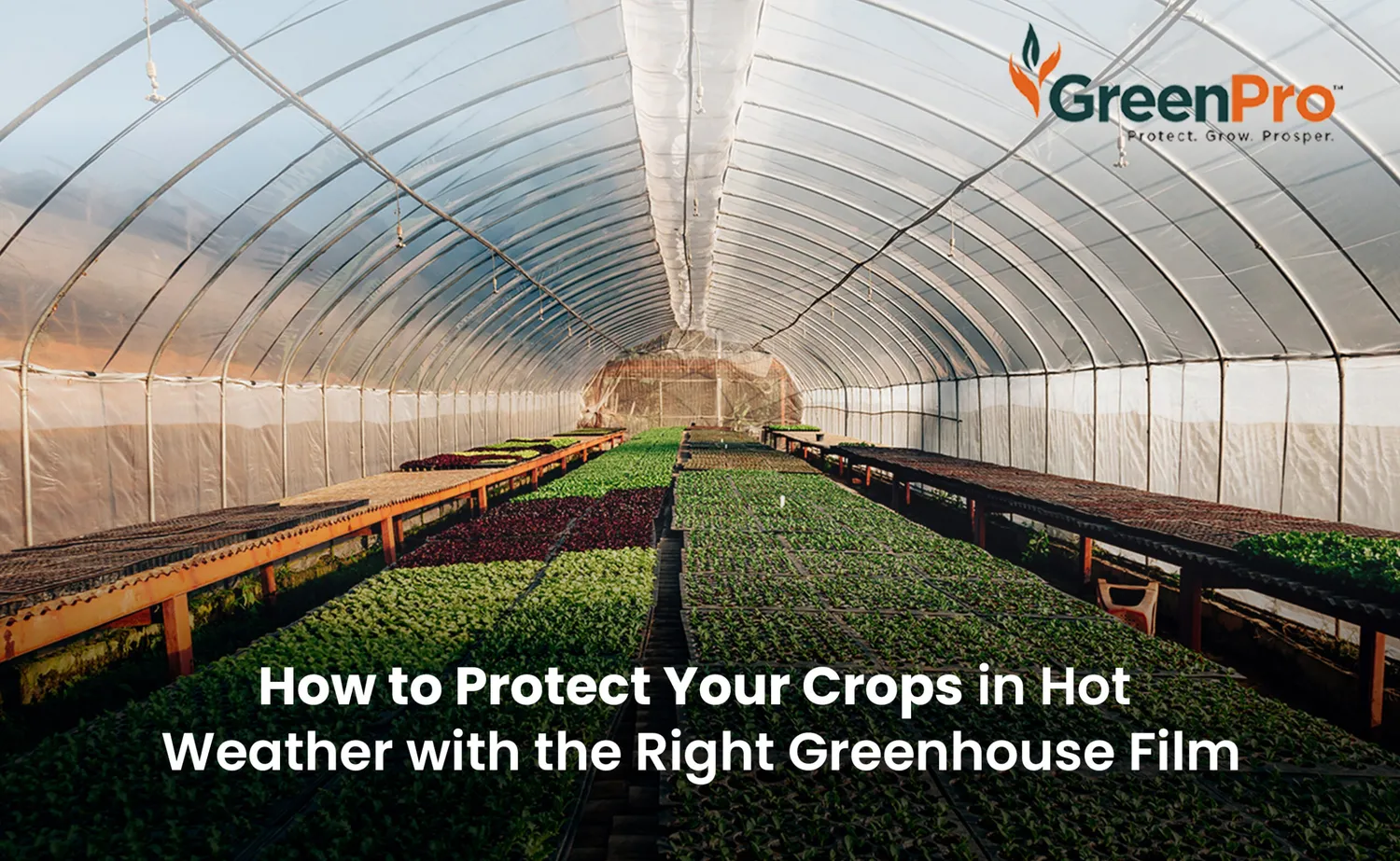
Operating a backyard growing dome comes with major advantages early in the year, but learning how to protect greenhouse plants from extreme summer heat is essential when seasonal weather shifts. Glass and clear plastic panels excel at capturing solar energy, turning afternoon sun rays into intense, trapping heat waves. Left unchecked, stagnant indoor environments can surpass critical biological thresholds within hours, crisping delicate leaves and drying up heavy soil beds completely.
Understanding Thermal Stress Dynamics Inside Enclosures
When outdoor air measurements reach 85°F (29°C), the atmospheric chamber inside uncooled glass enclosures can spike well past 110°F (43°C). According to environmental studies released by the U.S. Department of Agriculture (USDA), most warm-weather crops halt photosynthesis when root zone levels exceed 90°F (32°C). Instead of developing heavy yields or crisp fruit clusters, the internal vascular framework enters emergency respiration mode, rapidly burning up starch storage pools to survive.
Managing structural temperature shifts requires clear precision. For instance, just as a sudden frost demands that you understand how to protect garden plants from a sudden frost during winter drops, guarding against high sun exposure needs structured deflection methods. High heat stresses plant roots, making accurate moisture maintenance your primary defensive layer against leaf drop.
Implementing High-Efficiency Shading Strategies
The fastest way to lower heat build-up is to catch hot solar rays before they pass through clear glazing panels. Exterior shade cloths act as a physical buffer, blocking radiant light before it transforms into trapped heat.
- Choose the Right Density: Woven or knitted polyethylene shade cloths with a 40% to 50% blockage rating are ideal for traditional vegetables, herbs, and flowering perennials. This allows enough useful light spectrum through for steady growth while filtering out harsh heat spikes.
- Select Reflective Fabrics: Liquid shade paints or aluminized net materials (often sold under names like Aluminet) work wonders. These modern metallic threads reflect heat away rather than storing it, keeping structural walls cooler.
- Focus on Exterior Placement: Always secure shade nets over the outside frame rather than hanging them inside from roof supports. Inner hanging sheets keep heat trapped inside the room instead of stopping it at the barrier.
Maximizing Airflow and Active Ventilation Methods
Stagnant air pockets hold high humidity and lock heat around tender growth. Creating strong cross-ventilation pulls fresh air inside while letting hot air rise naturally out of the peak. If your backyard setup is also prone to seasonal storms, coordinating these vents with steps on how to protect fruit trees from hail damage can help you build a resilient structure against high summer winds and heavy downpours.
A reliable setup uses low air inlets paired with large high ridge exhaust windows. Because hot air moves upward, roof vents should account for at least 20% of your total floor footprint. For extreme summer heatwaves, add motorized fans to replace the entire indoor volume every 60 seconds.
Greenhouse Thermal Stress Matrix
Different plant types react distinctively to summer heatwaves. Use this quick guide to spot vulnerable varieties and plan your cooling schedule:
| Crop/Plant Grouping | Critical Limit | Heat Reaction Symptoms |
|---|---|---|
| Cool Crops (Lettuce, Spinach) | 75°F (24°C) | Premature bolting, bitter leaf taste |
| Solanaceous (Tomatoes, Peppers) | 90°F (32°C) | Blossom drop, failure to set fruit |
| Cucurbits (Cucumbers, Melons) | 95°F (35°C) | Excess male flowers, wilting stems |
| Tropical Ornamentals (Orchids) | 100°F (38°C) | Leaf tip scorch, root dehydration |
Utilizing Evaporative Cooling and Smart Irrigation
Evaporative cooling uses water to naturally absorb ambient heat energy from the air. Damping down—sprinkling water across walkways, gravel paths, and empty bench spaces in the late morning—can lower ambient temperatures by 5°F to 10°F as the moisture dries.
Pair this technique with precise watering schedules. Always soak containers early at dawn so roots can absorb moisture before extreme afternoon sun arrives. If your area sees unpredictable rain shifts, learning how to test soil moisture after heavy rainfall or tracking dry potting mix ensures your watering stays accurate. Keeping root zones wet prevents cellular collapses, ensuring your plants thrive through peak summer weather.
If you face prolonged dry spells, you can apply similar deep hydration strategies found in our guide on how to water your garden during a severe drought to preserve open field beds alongside your indoor setups. Alternatively, if severe summer storms compromise your drainage, knowing how to save a waterlogged plant after heavy rain will help you dry out saturated root paths safely.
Frequently Asked Questions
Should I leave my greenhouse door wide open during summer days?
Yes. Opening doors and side panels during intense summer heatwaves is essential to encourage cross-ventilation and prevent hot air from trapping inside the frame.
What is the difference between black and green shade cloth material?
Black cloths absorb solar heat and are best for external frames, while green cloths blend into landscapes nicely. White or silver cloths reflect radiant heat away most effectively.
Does high humidity make greenhouse heat waves worse for crops?
Yes. When humidity passes 80% in hot rooms, leaves can no longer transpire or sweat efficiently. This raises internal tissues temperatures and increases root rot risks.