





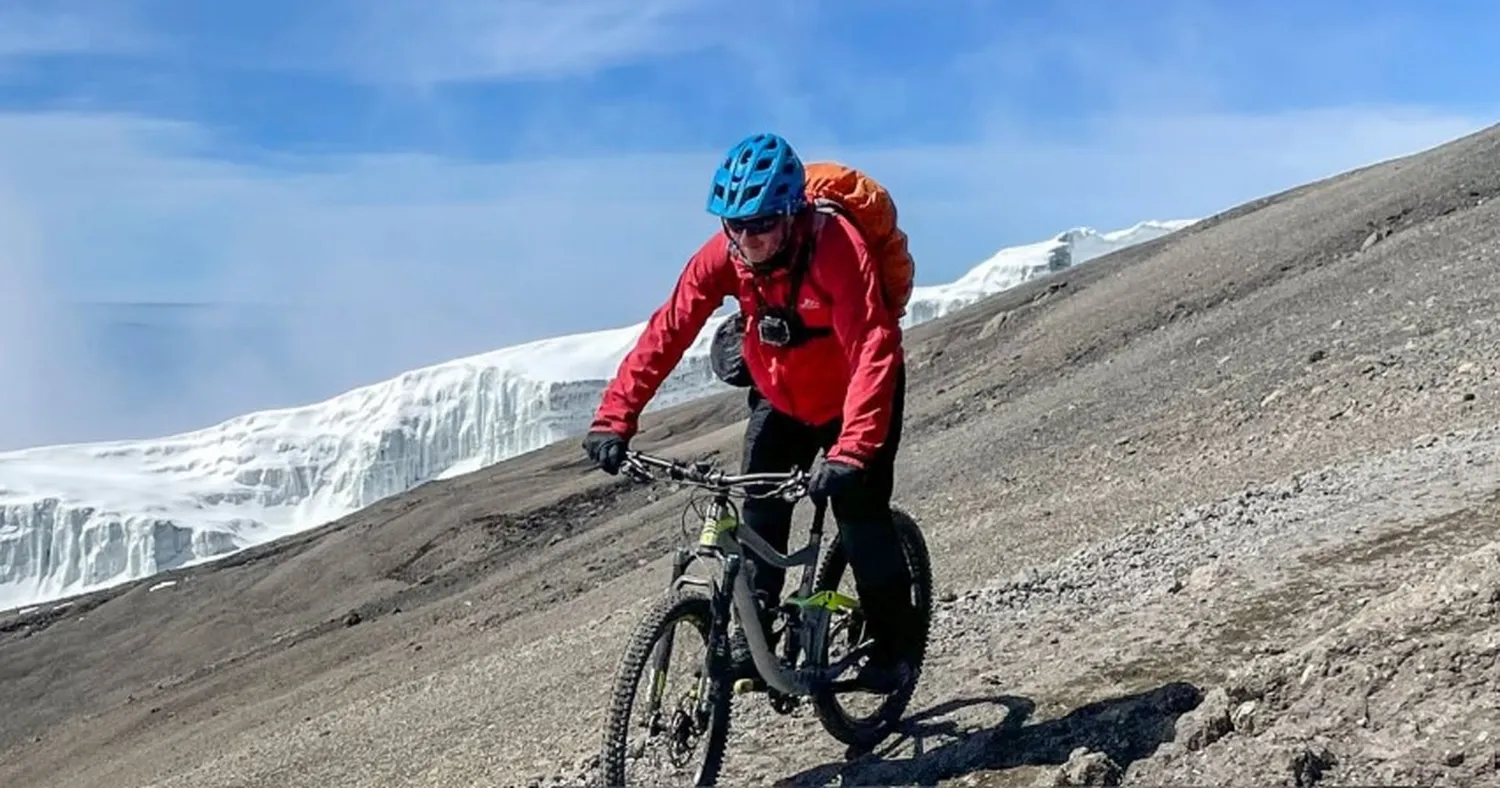
Understanding exactly how to train for Kilimanjaro climbing is the primary factor that separates successful summit achievements from forced descents. Towering at 5,895 meters (19,341 feet) above sea level, Mount Kilimanjaro is Africa's highest peak and the tallest free-standing mountain on Earth. While the trek does not demand elite technical mountaineering skills or professional climbing ropes, it places massive continuous physical stress on your cardiovascular system, major leg muscle groups, and joints over consecutive long days on unpredictable trails.
To maximize your safety margins and overall comfort throughout this journey, you need a structured multi-week training framework that targets baseline aerobic threshold capacity, eccentric leg muscular strength, and psychological endurance. By coordinating your workout plans with an optimized schedule, such as learning how to choose best time to climb kilimanjaro, you give your body the best operational baseline to conquer the harsh mountain climate and extreme high altitudes.
Core Physical Demands of Mount Kilimanjaro
Preparing your body for Mount Kilimanjaro requires an understanding of qualitative and quantitative hiking metrics. Your itinerary will require walking between 4 to 7 hours daily across wildly variable, rugged volcanic terrain, culminating in a grueling 12 to 15-hour summit push that drops to sub-zero temperatures. Statistics from the Kilimanjaro National Park authority show that longer routes boast significantly higher success outcomes because they give the human body crucial additional time to naturally acclimatize to dwindling oxygen molecules.
For example, taking on an extended itinerary like learning how to tackle the Machame route 7 days itinerary reduces extreme biological stress profiles compared to short, condensed five-day choices. Your training focus must be dedicated to building endurance muscle fibers rather than generating high-power explosive bulk, as carrying dense, heavy upper-body mass simply consumes critical oxygen supplies faster at high elevations.
| Metric Phase | Target Goal Range | Primary Biological Purpose |
|---|---|---|
| Cardio Base | 3 to 4 Days Per Week | Expands capillary network density and lung stroke volume |
| Practice Hiking | 5 to 8 Hours Weekly | Conditions feet, tendons, and prepares back for loaded packs |
| Strength Targets | 2 Days Per Week | Reinforces quad muscular control for safe downhill braking |
| Hydration Habits | 4 to 5 Liters Daily | Prevents systemic cell dehydration and offsets altitude stress |
Recommended 12-Week Training Schedule
An efficient training framework should stretch across a minimum of 12 weeks to safely trigger major muscular adaptations without risking structural joint injuries or tendon strain. When preparing your expedition log with trusted organizations discovered by analyzing how to find the best budget Kilimanjaro tour operators, aligning your peak physical fitness with your actual target departure calendar is crucial.
- Weeks 1 to 4 (Building the Foundation): Focus intensely on base low-intensity steady-state cardiovascular exercise. Run, swim, or cycle for 30 to 45 minutes at a steady conversational pace. Introduce low-weight structural bodyweight squats and calf raises twice a week.
- Weeks 5 to 8 (Progressive Volume Load): Extend your weekend long walks to roughly 4 or 5 hours on local trails featuring genuine elevation changes. Begin packing a technical daypack loaded with an initial 8-pound weight block. Increase your leg strength training volume to 3 working sets.
- Weeks 9 to 10 (Peak Performance Training): Complete a grueling back-to-back weekend trail loop lasting 6 to 8 hours each day while carrying a realistic 15-pound gear load. This crucial simulation mimics the compounding physical exhaustion of deep mountain multi-day trekking.
- Weeks 11 to 12 (The Strategic Taper): Cut your training volume down by 50% to allow your muscular tissue fibers, joints, and nervous system to heal completely before your international flight to Tanzania. Keep your movements fluid with light, unweighted stretching and walking.
Key Strength and Aerobic Exercises
Aerobic conditioning forms the baseline foundation of your preparation. Exercises that elevate your heart rate into Zone 2 training parameters (60-70% of your max heart rate) optimize your mitochondria cells to burn fuel efficiently under low oxygen scenarios. Excellent cross-training options include structured stairmaster training, rowing machines, and long road cycling sessions. To verify how alternative paths match up against standard trails, reviewing data such as how to evaluate a Rongai route Kilimanjaro review highlights why specific muscle preservation helps on steep downhills.
Strength focus needs to emphasize eccentric quad training, which protects knees on steep descents. Incorporate targeted lunges, step-ups onto high benches, hamstring deadlifts, and regular planks to stabilize your core while carrying heavy daypacks. For official clinical guidance on preventing high-altitude medical conditions during intense physical stress, review the Centers for Disease Control and Prevention (CDC) high-altitude travel guidelines.
Integrating Gear Prep into Workouts
Never separate your physical gym training from your actual mountain gear choices. Your long training walks must be performed in the exact technical hiking boots and sock combinations you intend to wear on Mount Kilimanjaro to identify hot spots and avoid blisters before reaching the trail. Furthermore, your body's temperature regulation and sleep quality directly dictate physical restoration efficiency at high camp zones.
Ensuring your kit includes highly rated gear options by referencing guides like how to choose the best sleeping bag for Kilimanjaro safeguards proper physical recovery every single night on the mountain. Train with your adjustable trekking poles during practice hikes to master your rhythmic balance and safely offload up to 20% of structural weight strain from your lower back, ankles, and knees.
Key Strategy and Expedition Planning Guides
To successfully organize your dynamic mountaineering calendar and ensure peak structural preparedness before your journey, it is essential to deeply review our comprehensive strategic references in conjunction with your active daily workout sessions:
- Seasonal Expedition Timing: Reviewing how to choose best time to climb kilimanjaro guarantees that your peak muscular performance aligns directly with premium weather windows on the slopes.
- Fitness Planning Frameworks: Utilizing a detailed log on how to train for Kilimanjaro climbing provides the progressive load patterns required to prevent extreme leg exhaustion during continuous long-distance multi-day trekking.
- Route Execution Strategies: Discovering how to tackle the Machame route 7 days itinerary offers a thorough breakdown of real-world terrain patterns and daily pacing benchmarks.
- Operator Selection and Vetting: Researching how to find the best budget Kilimanjaro tour operators connects you with experienced local guides who ensure emergency altitude tracking protocols.
- Alternative Route Selection: Evaluating guides such as how to evaluate a Rongai route Kilimanjaro review outlines the distinct mechanical and cardiovascular advantages of varied climbing paths.
- Nighttime Recovery and Gear: Learning how to choose the best sleeping bag for Kilimanjaro guarantees your body is adequately protected from extreme freezing temperatures for optimal deep sleep cycles.
Professional Trekking Consultation and Booking Support
Planning a high-altitude expedition requires navigating complex logistical frameworks, park permits, and safety equipment arrangements. If you need dedicated personal guidance, professional route customizations, or local expert coordination to securely book your African mountain adventure, explore the certified travel support services at Jaynevy Tours to arrange a fully guided, medically managed trekking itinerary.
Training Frequently Asked Questions
Can I simulate high-altitude oxygen drops at home?
True hypoxic altitude rooms help, but standard face masks do not alter incoming oxygen percentages. Focus your efforts on building a robust cardiovascular foundation to improve your body's overall oxygen distribution efficiency.
What should I do if my home region lacks mountain trails?
Utilize multi-story building stairwells, set gym treadmills to max incline settings, or perform high-volume weighted step-ups on gym boxes to train the same muscle groups effectively.
How do I prevent blisters during my training hikes?
Wear moisture-wicking synthetic or merino wool liner socks beneath your primary thick hiking socks, and break in your boots across a minimum of 50 trail miles before your trip.
Conclusion: Commit to the Trail
Ultimately, learning how to train for Kilimanjaro climbing requires regular, disciplined effort over several months. By systematically increasing your aerobic baseline, strengthening your legs, and testing your technical mountain gear choices under load, you build the physical resilience and mental determination needed to reach Uhuru Peak safely. Start your foundational training blocks today, stay consistent with your weekend trail volume, and prepare to conquer the majestic roof of Africa.