





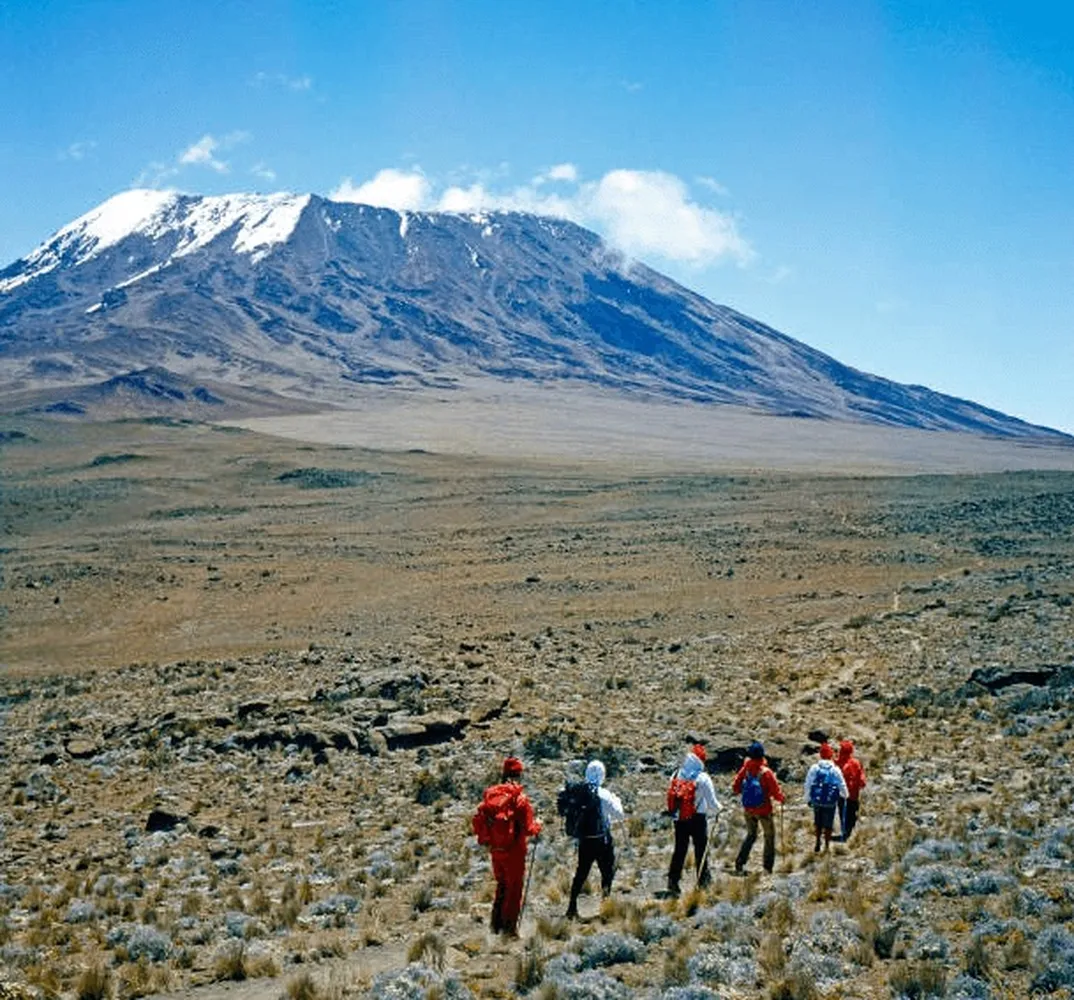
Selecting the best time to climb Kilimanjaro is the single most critical decision you will make when planning an expedition to the roof of Africa. Mount Kilimanjaro experiences distinct equatorial weather cycles rather than wide summer and winter shifts. Because of this proximity to the equator, understanding seasonal weather variability determines not only your physical comfort but also your ultimate safety and summit success rate.
Why the Time of Year Matters for a Successful Uhuru Peak Summit
Reaching Uhuru Peak, the highest point in Africa at 5,895 meters, requires incredible physical determination, psychological grit, and favorable environmental conditions. The time of year you choose to climb directly modulates atmospheric pressure stability, wind speed, and ground ice accumulation. During adverse periods, high wind speeds exceeding 80 km/h combined with severe blizzards can force even highly fit teams to turn back just short of the rim. Choosing a stable meteorological window directly maximizes your safety margins and makes the final push much more manageable.
Understanding Mount Kilimanjaro’s 5 Unique Climate Zones
Climbing Kilimanjaro is the ecological equivalent of walking from the equator to the North Pole in a matter of days. The mountain is split into five distinct, vertically stacked ecological bands, each presenting its own weather quirks:
- Cultivation Zone (800m - 1,800m): Warm and humid with fertile agricultural lands. It receives ample rainfall across all seasons.
- Rainforest Zone (1,800m - 2,800m): Dense canopy coverage with high humidity. Muddy trail paths are common here, even during dry spells.
- Heath and Moorland Zone (2,800m - 4,000m): Characterized by giant lobelias, open heather fields, and dropping alpine temperatures. Cold winds start to pick up significantly in this zone.
- Alpine Desert Zone (4,000m - 5,000m): A barren, rock-strewn expanse experiencing intense daytime solar radiation and freezing night conditions.
- Arctic Zone (5,000m+): A cold, inhospitable wilderness of massive glaciers and loose volcanic scree, where oxygen levels drop to nearly 50% of what you find at sea level.
The Long Dry Season (June to October): The Golden Window
Running from June to October, the long dry season stands as the premium operational window for mountain expeditions. Cold, crisp mornings give way to cloudless skies, ensuring excellent underfoot traction and clear trails. Because trail paths remain dry, this window offers high safety margins and stable conditions. It is an exceptional time for trekkers using popular routes. Before stepping onto these high ridges, make sure you know how to train for Kilimanjaro climbing to comfortably handle the daily elevation gains.
The Short Dry Season (January to March): Warm Days and Scenic Snow
The months from January to March offer slightly warmer daytime conditions compared to the June-October corridor. This window features clear morning skies, though light clouds may gather around the lower shira ridges in the late afternoon. This period is famous for showcasing the summit glaciers set against beautiful fresh dustings of snow. It is a fantastic window for photography, offering crisp views and excellent light across the volcanic cones.
Month-by-Month Kilimanjaro Weather and Climbing Summary Table
To help you compare the changing conditions across the year, this summary table outlines the weather patterns, trail conditions, and crowd levels for each month:
| Month | General Weather Pattern | Trail Conditions | Crowd Density |
|---|---|---|---|
| January | Warm, clear mornings; brief afternoon clouds | Dry and firm with light snow near the peak | Moderate |
| February | Consistently warm and dry; excellent visibility | Clear, solid, and highly stable paths | Moderate |
| March | Transition month; clouds and light showers begin | Starts dry, turning slick by late month | Low |
| April | Heavy, sustained rainy season downpours | Very muddy forests; deep snow on the summit | Very Low |
| May | Persistent rain and heavy cloud cover | Slippery mud tracks and washouts common | Very Low |
| June | Cool, dry, and crisp; clear blue skies | Dry, firm, and excellent for trekking | Low to Moderate |
| July | Cold and dry weather window | Solid, reliable, and clear trail surfaces | High |
| August | Dry and crisp; peak summer holiday volumes | Dusty in dry areas; firm mountain paths | Very High |
| September | Warm, dry, and exceptionally clear skies | Excellent underfoot traction across all routes | Very High |
| October | Pleasant, mild days; occasional late showers | Mostly dry paths with light dust layers | Moderate |
| November | Short rainy season; brief afternoon storms | Damp and muddy sections in the forests | Low |
| December | Showers slacken; busy holiday rush begins | Mix of damp forest tracks and icy high scree | High |
For official travel advisories, park updates, and seasonal registration details for the Kilimanjaro region, you can consult the Tanzania National Tourism Portal.
More In-Depth Insights & Strategic Planning Factors
Bofya vifungo vya Read More Insights hapa chini ili kufungua maelezo ya kina na marefu sana kuhusu kila kipengele cha kimkakati bila kuhama kwenye ukurasa huu.
Frequently Asked Questions (FAQs)
What is the absolute best month to climb Kilimanjaro?
September and January are widely considered the ideal months. They present the most reliable dry weather windows, clear skies, and safe underfoot conditions across all main routes.