





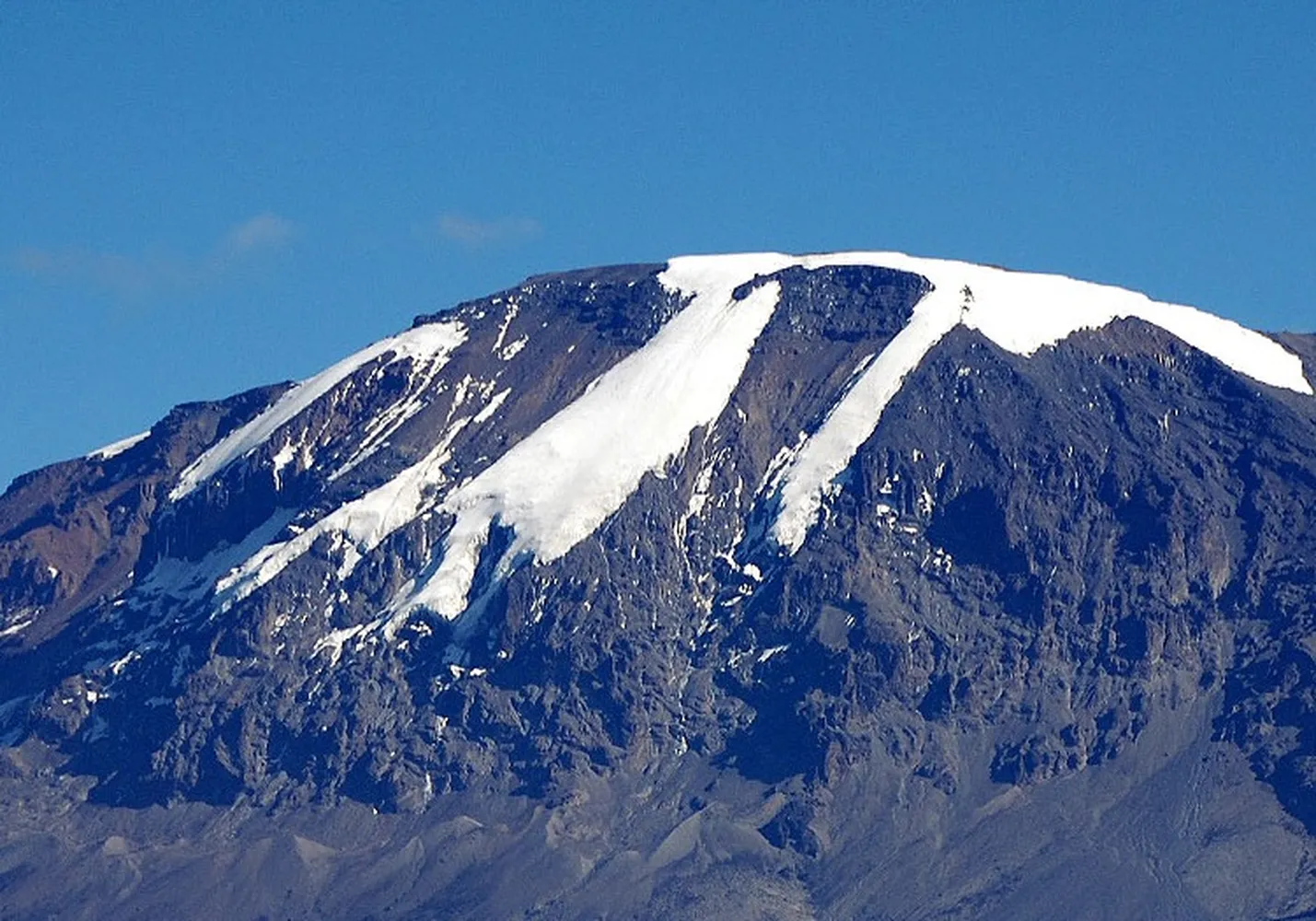
Climbing the highest peak in Africa does not require you to drain your life savings or compromise on basic human safety. Knowing how to find the best budget Kilimanjaro tour operators allows you to achieve your high-altitude dream sustainably, safely, and affordably. By understanding baseline operating costs, park fee structures, and crew treatment regulations, you can filter out reckless scam operations and secure an agency that offers prime logistical execution without the premium luxury price markup. Navigating this vast market demands deep analytical thinking and precise evaluation checklists.
"There is a very fine line between a great budget Kilimanjaro climb and a dangerous one. Saving a few hundred dollars should never cost a human life or compromise basic human rights on the mountain."
1. Defining "Budget" & The Hidden Math of KINAPA Fees
Defining "Budget": How Much Does a Legitimate Budget Kilimanjaro Climb Actually Cost?
When planning an expedition to Uhuru Peak, the word "budget" can be highly subjective and often misunderstood. A legitimate, sustainable budget Kilimanjaro climb typically falls between $2,000 and $2,600 USD per person for a standard 6 to 7-day trek. Any price below this baseline should instantly trigger alarm bells. This price window represents the absolute lowest possible operational cost where an agency can remain legally compliant, maintain rigid high-altitude medical safety protocols, feed climbers nutritional whole foods, and pay a fair, livable wage to the local crew. Understanding this structural threshold prevents you from falling into traps set by predatory companies that prioritize profits over human welfare.
The Hidden Math: Understanding Fixed KINAPA Park Fees vs. Operator Service Costs
To fully grasp why Kilimanjaro climbs are structurally expensive, one must analyze the fixed statutory fees levied by the Kilimanjaro National Park Authority (KINAPA). These government fees are non-negotiable and identical for every single tour operator on earth. For every climber, the mandatory daily fee structure breaks down roughly as follows: Conservation/Park Fees ($70 per day), Camping or Hut Fees ($50 to $60 per day), and Rescue Fees ($20 per entire trek). When you pile on crew entrance fees, public vehicle entry costs, and Tanzania's mandatory 18% Value Added Tax (VAT) applied across all services, the fixed government fees alone consume between $800 and $900 USD per climber for a standard 7-day itinerary. This leaves the operator with very narrow margins to fund food, transport, equipment maintenance, and staff wages.
| Tier Class | Price Range (USD) | Primary Focus |
|---|---|---|
| Scam / Unsafe | Under $1,700 | Exploitative, High Risk, Missing Safety Gear, Illegal Crew Wages |
| Sustainable Budget | $2,000 - $2,600 | Safety, Fair Wages, Core Comforts, Local Sourcing, KPAP Audited |
| Luxury / Premium | $3,800+ | Walk-in Tents, Private Toilets, Gourmet Catering, Luxury Hotel Lodging |
2. The Red Flags of "$1,200 Scams" & Verifying Licenses
The Red Flags of "Too Cheap" Operators: Why a $1,200 Climb is Usually a Scam
If you encounter an online listing or a street-level salesperson in Arusha offering a 6-day Kilimanjaro trek for $1,200 or $1,300, you are looking at an operational scam. Let's look at the basic math: subtract the $850 mandatory KINAPA park fees from that $1,200 quote. The operator is left with a mere $350 per climber. Out of this tiny remainder, they must pay for mountain food for you and a crew of 3 to 4 staff members, handle two-way private transport to the park gates, maintain specialized tents, and pay guide and porter salaries. To survive on these impossible margins, cheap operators choose to engage in illegal labor exploitation, serve substandard food, bypass emergency medical equipment, and rely on hidden, aggressive fees collected at the gate.
How to Verify Licensing: Checking for Valid TALA Licenses and KINAPA Registrations
Operating a legally sound tourism company in Tanzania requires continuous, expensive documentation. Every legitimate agency must hold a current annual TALA (Tourist Agent Licensing Authority) license issued by the Tanzanian Ministry of Natural Resources and Tourism, alongside active registration with KINAPA. Unlicensed rogue companies often operate illegally online or use a proxy license belonging to another company. To protect your deposit, explicitly request a scanned, high-resolution copy of the company's current TALA license via email. You can cross-reference their registration with official local tourism associations such as TATO (Tanzania Association of Tour Operators) or directly with park officials in Moshi.
3. Porter Welfare: KPAP Membership vs. Cut Corners
How to Look for KPAP Membership: The Gold Standard for Fair Porter Treatment
The single most powerful filter you can use to separate an ethical budget operator from an abusive one is checking their partnership status with the Kilimanjaro Porters Assistance Project (KPAP). KPAP is an independent, non-governmental organization working under the International Mountain Explorer Connection (IMEC). KPAP places independent monitors on treks to physically audit how crews are treated. They verify minimum daily wage delivery, evaluate the quality of crew food, ensure sleeping tents are insulated, and check that porters aren't carrying more than the legal 20kg limit. Never trust an operator who simply claims to be "ethical" or prints a fake KPAP badge on their home page; always log on to the live, public KPAP partner database to confirm their active standing.
The True Cost of Cheap Climbs: How Low-Budget Operators Cut Corners on Porter Welfare
When unvetted budget operators slash their retail prices to attract cost-conscious backpackers, the local mountain crew pays the ultimate price. Non-KPAP cheap operators routinely slash porter wages far below the legally required minimums, withhold salary payments until weeks after the climb is complete, or force porters to rely purely on erratic client tips for survival. Even worse, these companies cut corners by restricting porters to just one starch-heavy meal a day, packing them into single-walled mess tents with no ground insulation, and failing to verify if they possess proper mountain footwear or jackets for high-altitude snowstorms. Supporting these operations directly perpetuates severe, systemic human rights abuses on the mountain.
4. Mountain Infrastructure: Safety Gear, WFR Guides, Food & Tents
Evaluating Safety Equipment: How to Ask Budget Operators About Oxygen and Pulse Oximeters
At high altitudes exceeding 5,000 meters, unexpected medical complications like HAPE (High Altitude Pulmonary Edema) and HACE (High Altitude Cerebral Edema) can manifest rapidly. A high-quality budget operator treats high-altitude medicine as a non-negotiable baseline rather than an optional luxury addon. When querying operators, ask point-blank if medical safety equipment is included directly within the standard package fee. Safe operators carry clinical-grade pulse oximeters on every trek to check your heart rate and oxygen saturation levels every morning and evening. Furthermore, they must have dedicated, full-size medical emergency oxygen cylinders on hand to stabilize distressed climbers during the final summit push.
Guide Qualifications: How to Ensure Your Budget Guide is Wilderness First Responder (WFR) Certified
Your lead guide is the ultimate decision-maker on the mountain, and their technical training can mean the difference between life and death during a medical emergency. Reputable budget agencies hire licensed lead guides who possess active, up-to-date Wilderness First Responder (WFR) or Wilderness Advanced First Aid (WAFA) certifications from globally recognized wilderness medicine institutions. These intensive training programs teach guides how to identify subtle physiological markers of altitude sickness, calculate safe descent rates, and execute field triage. Avoid operators who use uncertified assistant guides as leads to trim costs; ensure you ask for your designated guide's formal credentials prior to booking.
Analyzing Mountain Food: How to Check If Your Budget Operator Provides Nutritious Meals
Trekking uphill for six to eight hours a day in sub-zero environments burns an incredible 4,000 to 5,000 calories daily. Low-tier operators reduce costs by feeding clients low-grade, non-nutritious food items consisting almost exclusively of instant noodles, white bread, and watery soups. This lacks the dense nutritional balance needed to sustain your muscles and immune system at altitude. A professional budget operator designs smart, balanced menus focusing on fresh, high-protein and calorie-dense whole foods. Expect warm morning porridge, eggs, fresh local vegetables, fruit, clean rice, potatoes, and protein sources like fish, chicken, or beef alternatives that properly fuel your body for long, challenging mountain segments.
Comparing Tent Quality: Ensuring Your Budget Operator Doesn't Use Leaky or Broken Tents
The conditions on Kilimanjaro's higher plateaus feature intense alpine winds, sub-zero temperatures, and sudden torrential downpours. While luxury tour operators charge premium premiums for heavy, walk-in geodesic tents with integrated structural framing, a highly dependable budget operator keeps costs low while maintaining safety by utilizing professional 3-season or 4-season high-altitude dome tents from respected outdoor brands like Mountain Hardwear, The North Face, or Vango. Ensure your prospective operator replaces their rental inventory regularly, ensuring you are provided with tents that have pristine, fully functional zippers, heavy-duty flysheets, and intact, waterproof ground tarps that stop water ingress completely.
5. Spotting Fake Reviews on TripAdvisor, Google, Reddit & Forums
How to Use TripAdvisor and Google Reviews: Filtering Out Fake Testimonials for Budget Agencies
In the highly competitive Tanzanian tourism market, many cut-rate agencies rely on purchasing fake five-star reviews or pressuring clients to write generic glowing testimonials before they even leave the base hotel. To uncover the true operational quality of a budget operator, you must filter out the extremes and analyze the 2-star, 3-star, and 4-star review histories. Look for long-form, descriptive accounts written by seasoned travelers who detail specific elements of their climb—such as the actual condition of the sleeping mats, the exact behavior of the guiding staff during emergency situations, and the variety of food served. Be highly suspicious of short, repetitive accounts that only list generic, superlative phrases.
The Power of Forums: Finding Honest Recommendations on Reddit and Lonely Planet
Independent, unmonetized travel forums are excellent spaces to find unfiltered, authentic field feedback regarding low-cost agencies. Communities like Reddit (specifically the active r/kilimanjaro subreddit) and legacy travel forums like the Lonely Planet community contain deep archives of organic conversations. Within these digital spaces, past climbers openly share their personal experiences, clarify real pricing details, and review specific Tanzanian budget agencies without the influence of marketing sponsorships or platform commissions. Search these spaces to ask deep questions directly to real travelers who have recently stepped off the mountain.
6. Booking Strategies: Local vs. International, Groups, & Routes
Booking Local vs. International: How Booking Directly with Moshi/Arusha Operators Saves You Thousands
When you book a Kilimanjaro package through an international travel agency headquartered in London, New York, or Berlin, you are often paying double the actual cost of the trip. These international entities rarely own any local operational assets in Tanzania; instead, they function entirely as marketing middlemen. They take a massive cut of your payment to cover their overhead and profit margins, then subcontract your entire trek to a local Tanzanian operator at a fraction of the cost. By cutting out these middlemen and booking directly with a licensed, Tanzanian-owned budget operator based in Moshi or Arusha, you save thousands of dollars while keeping your funds inside the local community. For a premier example of an authentic, locally owned and operated Tanzanian tour agency that provides high safety frameworks without premium cost inflations, you can research options through Jaynevy Tours, a verified local specialist that designs highly compliant, budget-conscious alpine itineraries.
Group Climbs vs. Private Treks: How Joining an Open Group Drastically Lowers Your Price
If you choose to book a private trek for a single climber or a small couple, your per-capita price increases dramatically because you are solely responsible for covering the baseline operational costs of the support crew, including transport, guide fees, and communal cook gear. Joining a scheduled open group climb changes the economics entirely. It allows multiple independent travelers to share communal support crew costs, significantly lowering the individual retail price. This structural optimization lets you enjoy premium, KPAP-certified safety logistics and experienced guiding teams while paying affordable, entry-level budget rates.
Route Selection for Budget Climbers: Why Marangu and Machame Are Cheaper to Operate
The specific path you select to reach Uhuru Peak exerts an enormous influence on your total operational billing profile. The Marangu Route (commonly referred to as the "Whiskey" route) is structurally the cheapest path to operate because it is the only route that provides communal wood A-frame sleeping huts. This layout completely eliminates the logistical necessity for porters to transport heavy mobile sleeping tents, mess tents, and camp furniture up and down the mountain. Similarly, the Machame Route enjoys very short vehicle transport distances from the logistical hubs of Moshi and Arusha and experiences high climber density, making it incredibly economical for budget agencies to establish shared group departures compared to remote, logistically complex routes like Lemosho or Rongai.
To review a specific breakdown of how a shift in multi-day pathing adjustments and route parameters shifts total group infrastructure costs, studying how to evaluate a Rongai route Kilimanjaro review can show you exactly how these dynamics function in the field.
7. Fine Print Logistics: Rental Gear, Tipping, & Payment Security
How Rental Gear Pricing Affects Your Budget: Factoring in the Cost of Sleeping Bags and Boots
Many novice climbers mistake the base tour operator quotation for their total final expedition expenditure. Kilimanjaro demands highly specialized technical mountaineering apparel designed to withstand extreme sub-zero weather conditions. If you do not already own extreme-weather equipment, buying these items retail can easily add over $1,000 to your pre-trip preparation bills. Top-tier budget operators combat this by running or partnering with secure, comprehensive equipment rental gear shops directly in Moshi. This allows you to easily rent certified technical gear—such as -10°C insulated sleeping bags, structural trekking poles, thick down puffers, and heavy waterproof outer shells—for a small fractional fee. For a deep-dive on sleeping gear specifications, checking out how to choose the best sleeping bag for Kilimanjaro is highly recommended.
The Tipping Factor: How to Calculate Your Tipping Budget on a Low-Cost Climb
Tipping is a deeply entrenched, non-negotiable cultural custom on Mount Kilimanjaro that reflects the intense physical labor performed by your mountain support crew. Gratuities are almost universally excluded from base tour package quotations, meaning you must factor this calculation into your cash reserves before arriving in Tanzania. On average, you should budget an additional $250 to $350 USD per individual climber purely for the crew tipping pool at the end of the trek. A responsible budget agency will openly provide you with a transparent, line-by-line breakdown of their standardized tipping guidelines, ensuring that these funds are divided cleanly and equitably directly among the specific guides, cooks, and porters who supported your climb.
Payment Security: How to Safely Pay Local Tanzanian Budget Operators Without Risking Your Money
Financial security is an essential element of booking directly with local operators in East Africa. Never send large financial deposits through unmonitored personal cash applications, unverified online payment links, or western money-remittance services to an individual name. Legitimate, legally compliant Tanzanian operators handle payments using corporate international bank wire transfers directly to their registered business bank account in Tanzania (under a verified corporate name). Alternatively, they provide secure, encrypted online credit card processing systems that utilize multi-factor authentication. While credit cards often carry a 3% to 5% processing surcharge, the consumer protection mechanisms they afford are well worth the minor added cost.
8. Package Comparisons & Scoring Off-Season Discounts
Comparing "Standard" vs. "Budget" Packages: What Exactly Are You Sacrificing?
Choosing a value-oriented budget package with a reliable operator does not mean you are gambling with your physical safety or summit success rates; it simply means you are opting out of premium western luxury extensions. In a budget package configuration, you will sleep on thick, comfortable foam mattresses laid out on tent ground floors rather than elevated camp cots. You will utilize the shared, public national park long-drop toilets instead of private, chemical porter-carried portable toilet tents. Additionally, your dining menus will focus on simple, highly effective, single-course mountain staples rather than multi-course gourmet spreads served inside oversized, heated walk-in dining pavilions.
The Best Time of Year for Budget Discounts: Scoring Off-Season Deals Without Ruining Your Climb
For independent budget travelers looking to maximize their cost savings, looking at the shoulder months of early March, late October, and early November can yield excellent discounts. During these low-occupancy windows, local Tanzanian agencies are highly motivated to fill open group allocations and will frequently offer substantial pricing discounts. However, you must carefully balance these financial savings against regional climate realities. Make sure to consult comprehensive weather data, such as the frameworks outlined in how to choose best time to climb kilimanjaro, to ensure you do not inadvertently schedule your budget trek during peak monsoonal weather when relentless rains can cause extreme safety hazards.
9. Email Checklist & 5 Signs of a Responsible Operator
How to Ask the Right Questions: A Checklist of 5 Questions to Email Every Budget Operator
When you begin reaching out to prospective agencies via email, do not let them control the conversation with generic sales pitches. Copy, paste, and send these five precise, qualifying questions to evaluate their operational integrity:
- Is your company a current, verified partner member of the Kilimanjaro Porters Assistance Project (KPAP), and can I find your name on their current registry?
- Are emergency medical oxygen cylinders and clinical pulse oximeters included inside my baseline package cost, or do they require an extra equipment rental fee?
- Will my assigned lead mountain guide hold an active, current Wilderness First Responder (WFR) medical certification from an accredited agency?
- What specific brand, structural rating, and age are the mountaineering tents that our group will be utilizing on the mountain?
- Can you provide a comprehensive, line-by-line itemized list detailing all hidden exclusions, such as airport hotel nights, park gate transfers, and gear hire fees?
Top 5 Verified Signs of a Responsible Local Budget Operator in Tanzania
As you near your final selection decision, cross-reference your prospective Tanzanian agency against these five definitive markers of an authentic, safety-conscious budget operation:
- Active KPAP Alignment: They proudly support independent crew audits and pay fair daily wages.
- Clear Legal Status: They readily share verifiable TALA registration details and corporate bank data.
- Prompt, Transparent Communication: They answer technical safety questions cleanly without evasive sales language.
- Strict Group Size Boundaries: They cap group numbers (usually at 10-12 climbers) to maintain a safe guide-to-client ratio.
- Emphasis on Preparation: They emphasize proper acclimatization schedules and training advice, such as detailed protocols found in how to train for Kilimanjaro climbing, rather than pushing rushed, unsafe 5-day itineraries.
Conclusion: Making Your Final Choice and Stepping Onto the Mountain with Confidence
Mastering how to find the best budget Kilimanjaro tour operators relies on prioritizing transparency, ethical treatment, and core safety metrics over rock-bottom pricing tiers. By executing your due diligence, rejecting suspicious sub-market pricing, and demanding absolute safety and labor standard transparency, you can book your Tanzanian trek with complete peace of mind. Invest your trust in an ethical, highly structured local agency, pack thoughtfully, and step onto the mountain prepared to reach Uhuru Peak safely.