





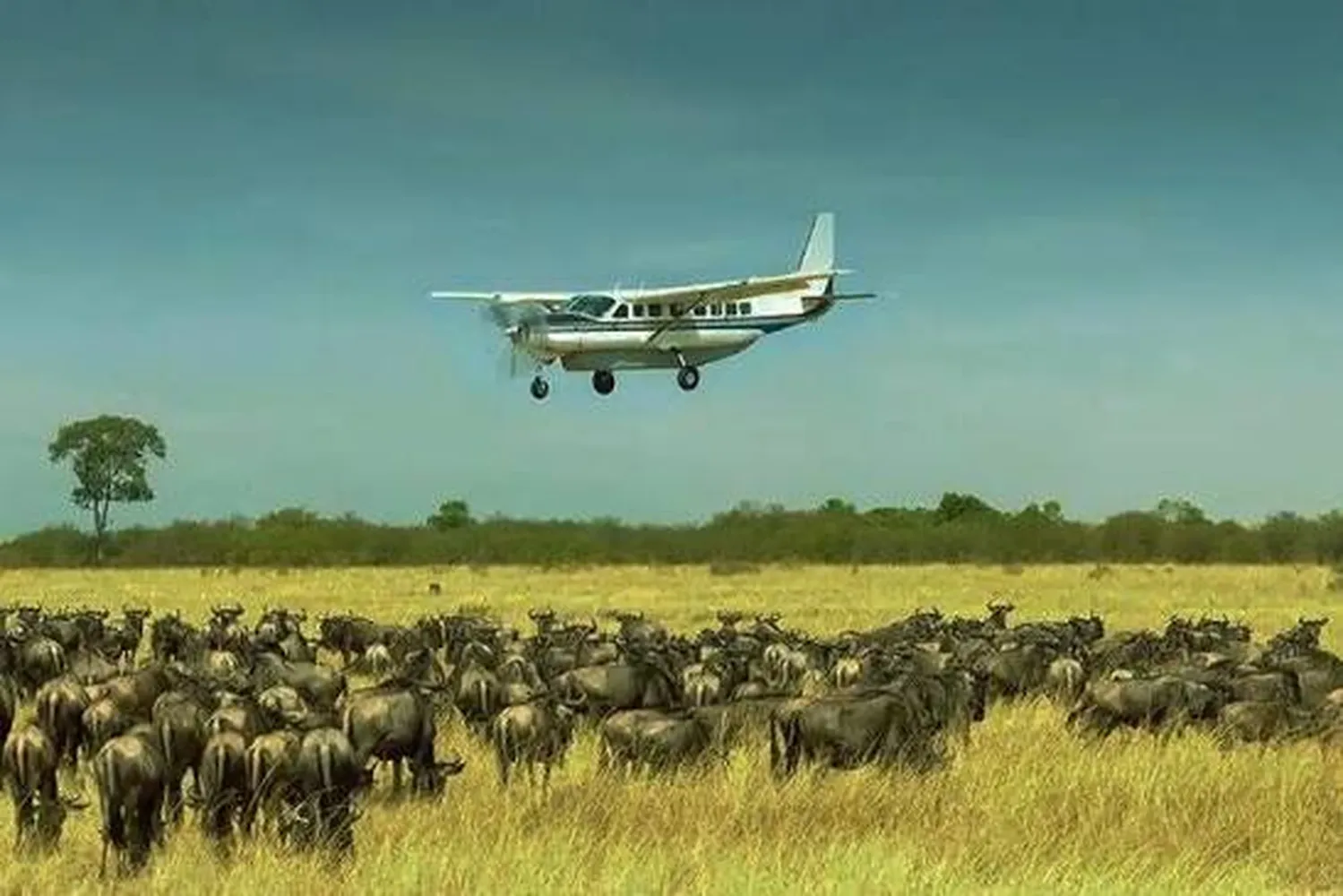
Introduction: Seamlessly Bridging Paradise and Wilderness
Combining the serene, turquoise water of Zanzibar’s coastal beaches with the raw, untamed beauty of the Serengeti plains represents the pinnacle of African travel. However, executing a seamless 7-day bush-and-beach transition requires careful planning. Learning how to plan a 7 day fly in safari from zanzibar to serengeti eliminates long, exhausting ground transfers across bumpy, dusty roads, instantly transporting you from Abeid Amani Karume International Airport (ZNZ) straight into the heart of the East African savanna within under two hours.
By bypassing the customary 10-to-12-hour overland journeys through Arusha, a fly-in safari maximizes your game viewing time. Imagine waking up to soft ocean breezes on the Spice Island, enjoying a fresh tropical breakfast, and taking off on a small aircraft—only to step onto a wilderness dirt strip in time for a gourmet lunch and an afternoon game drive surrounded by lions, elephants, and vast wildebeest herds.
This comprehensive guide explores every aspect of organizing a seamless, high-yield fly-in expedition. From choosing seasonal airstrips and selecting luxury bush camps to managing aviation luggage rules and budgeting, this guide gives you the confidence to plan a flawless adventure.
1. Strategic Advantages: Why Fly Direct from Zanzibar?
Time is the most valuable asset on any international vacation. Opting for a fly-in safari turns potential travel fatigue into an enjoyable experience. Standard overland safaris starting from coastal Zanzibar often require ferry crossings or domestic flights to Dar es Salaam or Kilimanjaro, followed by long, tiring drives across paved highways and corrugated gravel roads before reaching the park gates.
When learning how to plan a 7 day luxury bush and beach package, air travel transforms what could be a rushed, stressful tour into a relaxed, high-yield safari experience. Flying on low-altitude regional bush aircraft gives you breathtaking views of the East African Rift Valley, ancient volcanic cones like Mount Meru, and expansive savannah landscapes teeming with wildlife.
Direct flights operate daily from Zanzibar International Airport (ZNZ) straight into various airstrips across the Serengeti. Official regional aviation standards can be reviewed via the Tanzania Civil Aviation Authority (TCAA) website to verify regulatory compliance for domestic flight operators.
2. Navigation & Airstrips: Selecting the Right Bush Runway
The Serengeti National Park spans roughly 14,763 square kilometers (5,700 square miles). Because of its vast size, the park relies on several bush airstrips to service different regions. Booking a flight to the wrong airstrip can result in hours of unwanted driving across the park just to reach your camp. To choose a safe and reliable flight provider, review our guide on how to choose safe and licensed domestic safari flight agencies in Tanzania before reserving your tickets.
- Seronera Airstrip (SEU): Situated in the Central Serengeti. Highly accessible year-round with dense big cat populations, endless acacia plains, and abundant resident wildlife.
- Kogatende Airstrip (KOT): Situated in the Far Northern Serengeti. Vital between July and October for witnessing the dramatic, river-crossing action of the Great Migration at the Mara River.
- Ndutu Airstrip (NYU): Located in the Southern Serengeti/Ngorongoro Conservation Area boundary. Essential from December to March during the wildebeest calving season.
- Grumeti Airstrip (GTZ): Located in the Western Corridor. Ideal from May to July for luxury private reserves and River Grumeti crossings.
- Fort Ikoma Airstrip (ICM): Located just outside the North-Western border, offering quick access to private concessions that allow night game drives and guided walking safaris.
Zanzibar to Serengeti Bush Route Comparison
| Destination Airstrip | Average Flight Time | Peak Season Window | Primary Wildlife Highlights |
|---|---|---|---|
| Seronera (SEU - Central) | 1h 45m (Direct) | Year-Round | Leopards, Lion Prides, Cheetahs, Kopjes |
| Kogatende (KOT - North) | 2h 15m (1-touch stop) | July – October | Mara River Crossings, Crocodiles, Mega Herds |
| Ndutu (NYU - South) | 1h 50m (Direct) | December – March | Calving Season, Cheetah Hunts, Open Plains |
| Grumeti (GTZ - West) | 2h 05m (1-touch stop) | May – July | Grumeti River, Private Concessions, Solitude |
Deep Dive into Regional Bush Aviation Logistics
Regional flights connecting Zanzibar Island with wilderness airstrips operate using sturdy, high-performance turboprop aircraft—primarily the Cessna 208B Grand Caravan and Pilatus PC-12. Airlines like Coastal Aviation, Flightlink, Regional Air, and Auric Air manage these bush flight networks smoothly.
Because bush airstrips feature unpaved gravel or dirt runways, weather conditions like heavy rains can lead to minor flight delays or rerouting. Morning departures from Zanzibar (typically between 07:30 AM and 08:00 AM) are highly recommended. Morning air is smoother, offering a more comfortable flight before mid-day thermal heat creates turbulence over the Rift Valley escarpment.
In addition, booking multi-leg routes that include stops at Arusha Airport (ARK) or Lake Manyara Airstrip (LMY) can give you extra flexibility if direct flights to high-demand airstrips like Kogatende are fully booked during peak migration months.
4. Day-by-Day Master Itinerary: 7 Days of Unrivaled Bush & Crater Action
Below is a balanced 7-day itinerary that combines Serengeti wildlife tracking with an exploration of the Ngorongoro Crater, returning you smoothly to Zanzibar for your outbound connections.
Day 1: Zanzibar to Central Serengeti (Seronera Valley)
Board an early morning flight from Abeid Amani Karume International Airport (ZNZ). Land at Seronera Airstrip (SEU) in the Central Serengeti, where your expert driver-guide greets you in a private, open-roof 4x4 Land Cruiser. Enjoy a game drive on your way to camp, watching for leopards lounging on acacia trees and lion prides resting on kopjes. Settle into camp for lunch, followed by an afternoon game drive until sunset.
Day 2: Full-Day Central Serengeti Exploration
Depart at dawn for a morning game drive when big cats are most active. Visit the Retima Hippo Pool to see vast pods of hippos, followed by a bush breakfast beneath a majestic acacia tree. Spend the afternoon tracking cheetahs along the Seronera River valley before returning to camp for a classic sundowner drink by the campfire.
Day 3: Central Serengeti to Migration Hotspot (North or South)
Take a scenic short flight or game-drive transfer toward the migration hotspot for your season—Kogatende in the North (July-October) or Ndutu in the South (December-March). Arrive at your luxury mobile tented camp, positioned near prime herd movements, and enjoy an afternoon game drive exploring the area.
Day 4: Deep Tracking in the Migration Sector
Spend a full day tracking the Great Migration. In Northern Serengeti, wait near key crossing points along the Mara River to witness wildebeest herds tackle the river currents and crocodiles. In Southern Serengeti, explore the open plains filled with newborn calves and fast-paced predator hunts. Enjoy a packed picnic lunch in the wild to maximize your time on safari.
Day 5: Serengeti to Ngorongoro Conservation Area Rim
Enjoy a final morning game drive as you exit the Serengeti, taking in the changing landscape as you ascend toward the lush Ngorongoro Highlands. Arrive at your crater-rim lodge in time for breathtaking panoramic views across the caldera at sunset. To learn more about this route, read how to visit crater highlands and serengeti in 7 days.
Day 6: Ngorongoro Crater Floor Safari
Descend 600 meters down into the UNESCO World Heritage Ngorongoro Crater floor for an immersive morning game drive. The crater offers unmatched wildlife density, home to endangered black rhinos, large lion prides, flamingos, and massive tuskers. Enjoy lunch near the hippo pool before ascending in the late afternoon for dinner and overnight rest near Manyara.
Day 7: Lake Manyara / Arusha to Zanzibar Return
Transfer to Lake Manyara Airstrip (LMY) or Arusha Airport (ARK) for your direct return flight to Zanzibar. Arrive at Zanzibar Airport in early afternoon, giving you time to connect to your international flight home or head back to your beach resort.
For travelers interested in specialized safari themes, explore our detailed guides on how to map out a 7 day tanzania wildlife photographic safari and how to book top rated luxury safari operators for serengeti and ngorongoro.
5. Cost Breakdown & Financial Planning
Fly-in safaris carry higher upfront costs than standard overland trips due to aircraft operational fees, park entry tariffs, and luxury accommodation standards. Understanding these expenses helps you plan a well-balanced budget. You can review additional price comparisons in our guide on how to understand the cost breakdown of 8 days luxury fly in safari to serengeti.
- Return Bush Flights (Zanzibar - Serengeti v.v.): $650 to $1,150 per person depending on carrier, route, and seasonal demand.
- Serengeti National Park Entry Fees: $82.60 per adult per 24-hour period (including VAT).
- Ngorongoro Crater Fees: $70.80 per adult per day, plus $295 entry fee per safari vehicle for crater floor access.
- Tented Camp Accommodations: $400 - $850 per person per night (Mid-Range) or $1,200 - $2,500+ per person per night (Ultra-Luxury All-Inclusive).
- Private 4x4 Land Cruiser & Driver Guide: $250 - $400 per vehicle per day.
How to Maximize Value & Avoid Hidden Fees
When reviewing safari quotes, ensure all national park conservation fees, transit fees, crater entry charges, and domestic flight taxes are explicitly included. Some low-cost operators show lower initial prices by excluding the mandatory 18% Tanzanian VAT or daily park fees, leading to unexpected costs upon arrival.
To optimize your budget without compromising comfort, consider booking high-end permanent canvas camps in Central Serengeti and opting for mid-tier lodges around Ngorongoro. Traveling during shoulder months (such as late May or November) can reduce accommodation costs by 20% to 35% while still offering fantastic wildlife viewing opportunities.
Always verify company registration and licensing before making bank wire payments. Check our guide on how to check if a tanzanian safari company is officially registered and licensed to protect your deposit.
6. Bush Flight Aviation Rules & Strict Packing Guidelines
Flying on regional bush aircraft comes with strict baggage rules that differ from commercial airlines. Baggage compartments on light aircraft like Cessna Caravans are compact, meaning rigid suitcases cannot be accommodated.
- 15 kg (33 lbs) Weight Allowance: This limit applies per passenger and covers both main luggage and hand carry items (including heavy camera gear).
- 100% Soft-Sided Luggage Only: Duffel bags made of canvas, soft leather, or nylon with flexible frames are required so baggage handlers can fit them into aircraft belly pods.
- Luggage Dimensions: Bags must not exceed 24 inches (62 cm) length x 12 inches (30 cm) height x 10 inches (25 cm) width.
- Color Recommendations: Wear neutral tones like khaki, tan, olive green, and beige. Avoid navy blue and black (which attract biting tsetse flies) and bright white or fluorescent colors (which startle wild animals).
- Laundry Services: Most lodges and tented camps offer complimentary or affordable daily laundry services, allowing you to pack light and comfortably stay within the 15 kg weight limit.
7. Frequently Asked Questions (FAQs)
How long is the flight from Zanzibar to the Serengeti?
Direct flights take roughly 1 hour 45 minutes to 2.5 hours, depending on aircraft type, weather conditions, and intermediate stops at other airstrips.
What is the luggage weight limit for fly-in safaris from Zanzibar?
Regional bush airlines enforce a strict weight limit of 15 kg (33 lbs) per passenger, including camera gear and hand luggage, packed exclusively in soft-sided bags.
Can you fly directly from Zanzibar to Serengeti airstrips?
Yes, bush carriers like Coastal Aviation, Regional Air, and Flightlink offer daily direct flights connecting Zanzibar (ZNZ) with Seronera, Kogatende, Ndutu, and Grumeti airstrips.
How much does a 7 day fly in safari from Zanzibar to Serengeti cost?
Prices range between $4,200 and $8,500+ per person, depending on seasonal timing, camp tier selections, flight routes, and whether game drives are shared or private.
What is the best time of year to take this fly-in safari?
June through October is ideal for dry season predator tracking and Mara River crossings. December through March offers exceptional calving season experiences in the Southern Serengeti.