





Introduction: Why the 7-Day Northern Tanzania Circuit Reigns Supreme
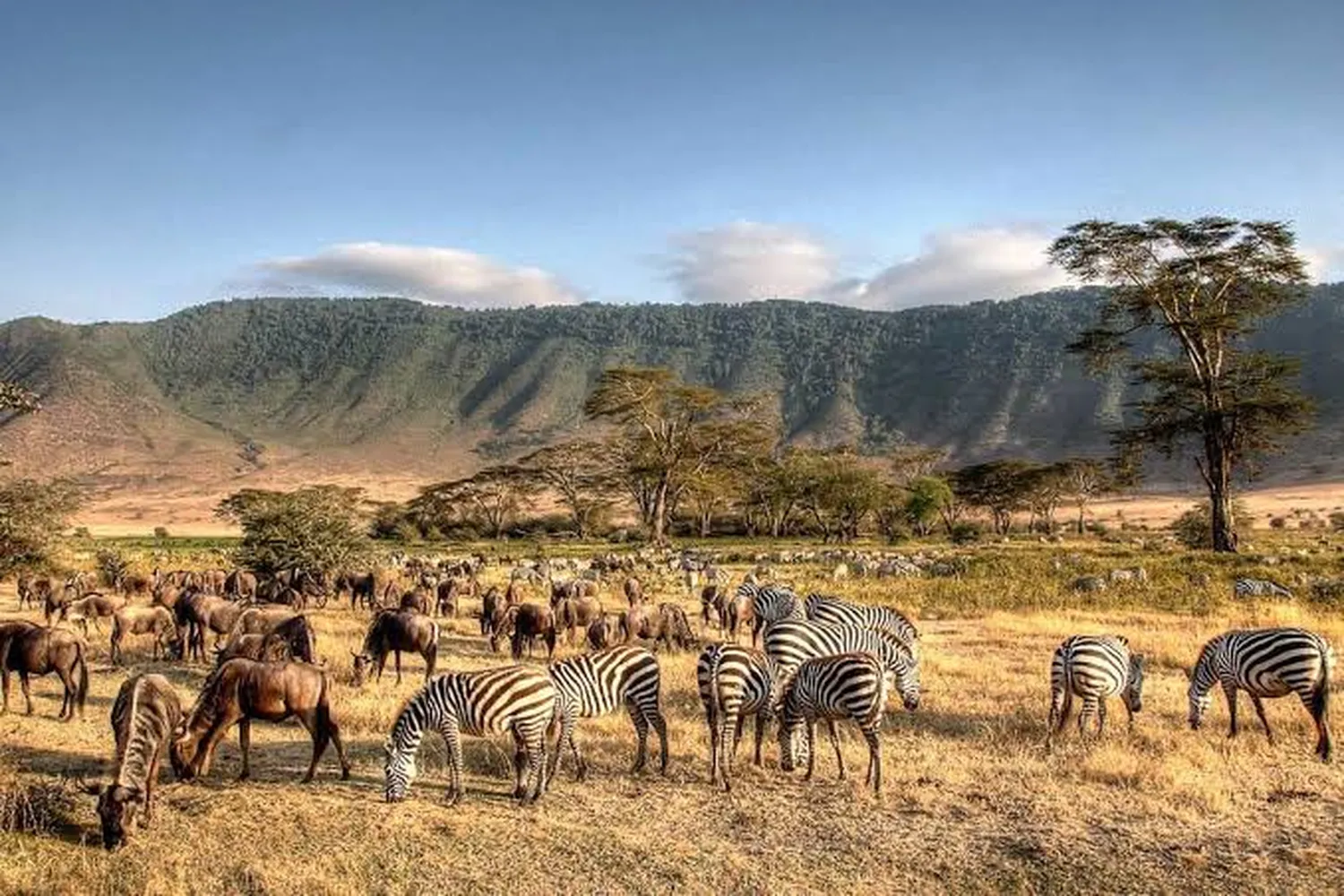
Tanzania’s Northern Safari Circuit is globally celebrated as the absolute crown jewel of African wildlife destinations. For modern adventurers and discerning travelers, knowing how to plan a 7 day tarangire serengeti ngorongoro trip represents the sweet spot—the ultimate balance between high-octane game viewing, geographical variety, and optimal physical comfort. In exactly seven days, you journey across three distinct world-class ecosystems: the ancient, baobab-studded elephant sanctuaries of Tarangire National Park, the infinite predator-rich savannahs of the Serengeti, and the crater-enclosed volcanic amphitheater of the Ngorongoro Conservation Area.
Without meticulous advance planning, however, an East African safari can easily degenerate into an exhausting marathon of corrugated dirt roads, missed seasonal wildlife movements, and inflated lodging costs. This definitive master guide leaves no stone unturned. Whether your dream is tracking the millions of ungulates in the Great Wildebeest Migration, catching a rare glimpse of an endangered Black Rhino, or sleeping under canvas surrounded by the nocturnal sounds of the African bush, this comprehensive reference equips you with precise route logistics, deep seasonal insights, exact cost parameters, and local expert strategies.
Understanding the Interconnected Ecosystems of Northern Tanzania
The magic of the Northern Circuit lies in its geographical synergy. Rather than visiting isolated parks, you are traversing an interconnected ecological network shaped by the Great Rift Valley, ancient volcanic activity, and seasonal rain patterns:
- Tarangire's Lifeline: The Tarangire River serves as the primary dry-season water source for thousands of square kilometers. During the dry months (June to October), wildlife migrates from the surrounding Maasai Steppe straight into Tarangire, creating one of the highest densities of elephants and megafauna in Africa.
- The Serengeti Ecosystem: Stretching over 30,000 square kilometers across Tanzania and Kenya, this vast ecosystem hosts the world's largest remaining terrestrial animal migration. Its nutrient-rich volcanic soils fuel sweet grasses that sustain over 1.5 million wildebeest, 250,000 zebras, and thousands of top predators.
- Ngorongoro Crater's Enclosed Haven: Formed 2 to 3 million years ago when a massive volcano exploded and collapsed, this 600-meter-deep caldera creates a natural enclosure. Its 260-square-kilometer floor hosts a self-sustaining population of over 25,000 large mammals, including dense lion prides and rare black rhinos.
A key factor in executing a flawless 7-day trip is mastering the transit dynamics between these iconic parks. By strategically aligning your overnight lodge stays with seasonal animal movements, you minimize monotonous highway transit times and maximize quality hours spent on active game drives inside the park boundaries.
Why 7 Days Outperforms Shorter and Longer Itineraries
Choosing the length of your African safari involves balancing budget, travel fatigue, and wildlife exposure:
- 3 to 5 Day Safaris: Often feel rushed. Travelers spend a disproportionate amount of time driving between Arusha, Tarangire, and Serengeti, leaving minimal time for peaceful morning and late-afternoon game drives.
- 7-Day Golden Standard: Allows for 1 full day in Tarangire, 3 full days exploring different sectors of the vast Serengeti (Central plus Northern/Southern depending on season), and a dedicated 6-hour crater descent in Ngorongoro. It prevents "safari fatigue" while guaranteeing exposure to the Big Five.
- 10+ Day Safaris: Great for adding Lake Manyara, Lake Natron, or cultural stops, but can significantly increase vehicle costs and physical exhaustion unless combined with relaxation days or beach extensions in Zanzibar.
Core Benefits of This 7-Day Master Itinerary
- Comprehensive Coverage: Experience ancient baobab woodlands, infinite savannah grasslands, and a world-heritage volcanic caldera.
- Big Five Opportunities: Maximized chances of sighting Lion, Leopard, Elephant, Rhino, and African Buffalo in a single trip.
- Optimized Logistics: Designed to minimize backtracking and eliminate unnecessary travel hours on rough gravel roads.
Pre-Trip Logistics: Visas, Health & Airport Choice
Before launching into the itinerary, establishing smooth entry logistics is paramount for an stress-free holiday.
1. Arrival Gateway: JRO vs. DAR vs. ZNZ
To start your 7-day safari efficiently, you should book your international flights into Kilimanjaro International Airport (JRO). JRO sits just 45 kilometers east of Arusha—the safari hub of Tanzania. Arriving at Julius Nyerere International Airport (DAR) in Dar es Salaam requires booking an additional domestic flight to Arusha or JRO, adding unnecessary flight costs and transit delays.
2. Visas and Entry Permits
Most international travelers require a tourist visa to enter Tanzania. Passport holders from the US, UK, EU, Canada, and Australia can apply for an e-Visa online via the official Tanzanian Immigration portal prior to departure. US citizens are required to obtain a 12-month multiple-entry visa ($100 USD), while most other qualifying nationalities pay $50 USD for a single-entry 90-day visa.
Health Rules, Yellow Fever & Malaria Prevention
Health precautions are essential when traveling through East Africa:
- Yellow Fever: Vaccination proof is strictly required if you are traveling from or transiting through a country with risk of Yellow Fever transmission (e.g., Kenya, Uganda, Ethiopia) for more than 12 hours.
- Malaria Prophylaxis: All three parks lie within malaria transmission zones. Consult a travel medicine clinic for prescribed medications like Atovaquone/Proguanil (Malarone) or Doxycycline.
- Insect Protection: Pack long-sleeved lightweight clothing and insect repellent containing 30%+ DEET, particularly for evening game drives and bush dinners.
Route Dynamics & Driving Distances
The success of your 7-day trip relies heavily on balancing game drives with realistic travel times. Below is a complete transit breakdown across the key hubs on this route:
| From - To | Distance (KM) | Estimated Drive Time | Road Condition |
|---|---|---|---|
| Arusha to Tarangire National Park | 120 km | 2.0 – 2.5 Hours | Tarmac (Smooth) |
| Tarangire to Karatu Town | 110 km | 2.0 Hours | Tarmac / Good dirt |
| Karatu to Central Serengeti (Seronera) | 160 km | 4.0 – 5.0 Hours | Corrugated Dirt / Gravel |
| Central Serengeti to Ngorongoro Rim | 140 km | 3.5 – 4.0 Hours | Dirt / Rough Mountain Tracks |
| Ngorongoro Rim to Arusha / JRO | 190 km | 3.5 – 4.5 Hours | Tarmac (From Karatu) |
Exhaustive Day-by-Day 7-Day Safari Itinerary
Day 1: Arusha to Tarangire National Park – Land of Baobabs & Elephant Giants
Morning: Your professional safari guide picks you up from your hotel in Arusha at 07:30 AM. Following a short briefing on safety and route details, board your customized 4x4 stretch Land Cruiser equipped with a pop-up roof, fridge, and charging ports. Drive southwest through picturesque Maasai plains to Tarangire Gate.
Afternoon: Complete park clearance formalities and enter Tarangire National Park. Immediately embark on your first game drive along the Tarangire River circuit. During dry seasons, this river is the sole source of water for miles, drawing herds of up to 300 elephants at a time, along with zebras, wildebeests, and waterbucks.
Evening: Check into your lodge or luxury tented camp inside or near the park boundary for a gourmet dinner and rest.
Tarangire is famous not only for having the world's densest elephant population but also for its majestic Baobab trees (Adansonia digitata), some of which are over 1,000 years old. Look closely at tree branches to spot tree-climbing lions resting during the mid-day heat. Avian enthusiasts can spot over 550 species of birds, including the endemic Ashy Starling and Yellow-collared Lovebird.
Day 2: Tarangire Game Drive & Transfer to Karatu Highlands
Morning: Wake up to the natural sounds of the bush. After an early breakfast, enjoy a morning game drive in the Silale Swamps area of Tarangire, where large prides of lions and stealthy leopards often stalk grazing herbivores.
Afternoon: Stop for a hot picnic lunch in a designated safe site overlooking the park. In the early afternoon, exit Tarangire and drive up the dramatic Great Rift Valley Escarpment toward the fertile, green hills of Karatu.
Evening: Check into a charming coffee estate lodge in Karatu. Enjoy a stroll through organic gardens or a relaxing swim before dinner.
Day 3: Karatu through Ngorongoro Highlands to Central Serengeti
Morning: Depart Karatu early at 06:30 AM. Enter the Ngorongoro Conservation Area transit gate. As you wind through the lush montane forest, stop at the crater rim viewpoint for an breathtaking, panoramic glimpse into the world-famous caldera below.
Afternoon: Drive down the western slope of the crater, entering the vast, flat plains of the Serengeti ("Siringet" – meaning 'endless plains' in Maasai). Pause at Naabi Hill Gate for lunch and administrative check-in while taking in sweeping 360-degree views of the plains.
Evening: Enjoy an introductory game drive in the predator-dense Seronera Valley on your way to your central Serengeti safari camp.
The Seronera Valley forms the heart of Central Serengeti and is crossed by the Seronera River. This permanent water source guarantees high concentrations of game year-round. It is widely considered one of the best places in Africa to view leopards along yellow-barked acacia trees, as well as large prides of resident lions and fast-paced cheetah hunts across open grass clearings.
Day 4: Full Day Central Serengeti Big Cat Tracking
Dawn Drive: Embark on a pre-breakfast 06:00 AM dawn game drive. Early mornings offer the highest probability of catching nocturnal predators (leopards, hyenas, lions) returning from night hunts before the heat settles in.
Full Day Exploration: Return to camp for a hearty breakfast, or take a packed lunch for an uninterrupted full-day tracking session across key sights like Retima Hippo Pool, Maasai Kopjes, and the Seronera Riverbanks.
Evening: Return to camp for a traditional sundowner drink around a campfire ("Bush TV") under the African sky, followed by a multi-course dinner.
Day 5: Following the Great Migration (North, South, or West)
Seasonal Tracking: Spend Day 5 following the specific location of the Great Migration based on the time of year you travel:
- July – October: Drive North toward the Mara River to witness dramatic river crossings filled with crocodiles and wildebeests.
- December – March: Head South toward Ndutu for the synchronized calving season where over 8,000 wildebeest calves are born daily.
- May – June: Explore the Western Corridor along the Grumeti River.
Day 6: Serengeti to Ngorongoro Crater Rim
Morning: Enjoy a final morning game drive out of Serengeti National Park. Pass prehistoric sites like Olduvai Gorge—where Dr. Louis and Mary Leakey discovered ancient human fossils dating back over 1.8 million years.
Afternoon: Ascend back onto the Ngorongoro Crater rim. Check into your lodge perched on the rim at an elevation of 2,300 meters (7,500 feet).
Evening: Experience cold mountain breezes, panoramic sunset views over the crater floor, and cozy fireside dinners.
Day 7: Descend Ngorongoro Crater Floor & Departure to Arusha
Early Morning: Descend 600 meters (2,000 feet) down steep walls onto the crater floor for a thrilling 6-hour safari drive. Search for the highly protected Black Rhino, giant bull elephants with massive tusks, flamingos in Lake Magadi, and dense lion prides.
Afternoon: Enjoy a scenic picnic lunch near the hippo pool. Ascend out of the crater around 1:00 PM and begin the drive back to Arusha or directly to Kilimanjaro Airport (JRO) for late-evening international flights.
Real Budget Breakdown & Mandatory Fees
Planning financial expectations clearly prevents unexpected expenses during your holiday. Park entrance fees in Tanzania are strictly set by TANAPA and NCAA in USD and subject to 18% VAT.
1. Direct Official Park Entry Fees Breakdown (Per Person / 24 Hours)
- Serengeti National Park Entrance Fee: $70 USD + 18% VAT ($82.60 USD total)
- Ngorongoro Conservation Transit/Entry Fee: $70 USD + 18% VAT ($82.60 USD total)
- Ngorongoro Crater Descent Fee (Per Vehicle): $250 USD + 18% VAT ($295 USD total)
- Tarangire National Park Entrance Fee: $50 USD + 18% VAT ($59 USD total)
Estimated Total 7-Day Package Costs (Per Person sharing double)
Depending on style and comfort, total tour package pricing generally fits into three tiers:
- Budget Camping Safari: $1,750 – $2,300 per person. (Public campsites, shared bathroom facilities, included chef).
- Mid-Range Tented Lodge Safari: $2,800 – $3,900 per person. (Private en-suite permanent tented camps, excellent food, small boutique lodges).
- Luxury Safari Package: $5,000 – $9,500+ per person. (5-star luxury camps, private fly-in options, fine dining, private vehicles).
Essential Safari Packing List
Packing for a Tanzanian safari requires practical choices. Remember that domestic bush planes have strict weight limits (15kg / 33lbs per passenger in soft-sided bags).
Clothing & Gear
- Neutral-colored lightweight clothing (Khaki, beige, green; avoid blue/black which attract tsetse flies).
- Warm jacket/fleece (Ngorongoro rim drops to 10°C/50°F at night).
- Sturdy walking shoes/sneakers.
- Wide-brimmed sun hat & polarized sunglasses.
Electronics & Health
- Binoculars (essential for distant wildlife viewing).
- Camera with zoom lens (200mm–600mm recommended).
- UK standard 3-pin plug adapter (Type G).
- High-factor sunscreen (SPF 50+) & lip balm.
Frequently Asked Questions
Is 7 days enough for Tarangire, Serengeti, and Ngorongoro?
Yes, 7 days is the optimal duration to experience all three major parks without spending excessive hours on transit roads each day.
What is the distance from Arusha to Tarangire?
It is roughly 120 kilometers (75 miles) on smooth paved roads, taking about 2 to 2.5 hours by safari vehicle.
Can I combine this 7 day safari with a beach trip to Zanzibar?
Yes. You can fly directly from Seronera airstrip in the Serengeti to Zanzibar on Day 7 to finish your vacation on the beach.
Conclusion & Final Master Strategy for Your 7-Day Tanzanian Expedition
Mastering how to plan a 7 day tarangire serengeti ngorongoro trip is the single most effective way to turn an ambitious East African dream into a seamlessly executed, trip-of-a-lifetime reality. By uniting three of the world’s most celebrated wildlife havens—the ancient, elephant-dominated riverbeds of Tarangire National Park, the infinite, predator-packed savannahs of the Serengeti, and the pristine, caldera-enclosed ecosystem of the Ngorongoro Crater—you ensure a balanced safari that hits every iconic landmark without suffering from travel burnout.
The true magic of this specific 7-day Northern Circuit route lies in its structural harmony. You start in the lower elevations of Tarangire, ease your way through the coffee estates of the Karatu highlands, sweep across the vast open Serengeti plains, and wrap up with an unforgettable early morning descent into the Ngorongoro crater floor. Each day builds naturally upon the last, offering shifting landscapes, evolving wildlife behavior, and varied cultural encounters that keep your safari fresh and thrilling from sunrise on Day 1 to your final departure on Day 7.
Securing Top-Tier Campsites & Permits Ahead of Time
Because the Northern Circuit is globally renowned, high-demand accommodations inside the parks—especially luxury tented camps in Central Serengeti and high-rim lodges along the Ngorongoro Crater edge—fill up quickly. For peak travel months (July through October for the Mara River crossings, and December through February for the Wildebeest Calving Season), booking 8 to 12 months in advance is strongly recommended.
Advance booking is equally critical for obtaining special permits, such as night game drives in select concession zones, walking safari allocations with armed TANAPA rangers, and balloon safari reservations. Leaving your planning to the last minute often forces long daily commutes from lodges outside park boundaries, adding up to 3 extra hours of tedious driving time each day.
Ultimately, a successful safari rests on three non-negotiable pillars: choosing a fully licensed, reputable local safari operator, respecting seasonal wildlife movements when selecting camp locations, and maintaining realistic daily drive schedules. When these elements align, your 7-day journey transforms into an intimate, deep dive into nature's greatest remaining wildernesses.
1. Responsible Wildlife Viewing Ethics
To preserve Tanzania’s fragile habitats, always adhere to strict park regulations: never encourage your driver to off-road in non-designated zones, maintain absolute silence near nervous predator prides or nesting species, and strictly avoid feeding wild animals around picnic sites.
2. Maasai Cultural Interactions
While visiting a traditional Maasai Boma near the Ngorongoro Conservation Area offers great cultural insight, ensure your tour company arranges visits that directly benefit the local host community. Always ask for permission before taking close-up photographs of community members, elders, or children.
3. Standard Safari Tipping Guidelines
Tipping is an integral part of safari culture in East Africa and rewards high quality service. Standard industry benchmarks include:
- Professional Driver-Guide: $15 – $25 USD per day, per vehicle (from the group as a whole).
- Private Camp Chef (Camping Safaris): $10 – $15 USD per day.
- Lodge & Tented Camp Staff Box: $10 – $20 USD per room per day (distributed among general staff, housekeeping, and kitchen crews).
Summary: Key Takeaways for Your 7-Day Plan
- Ideal Duration: 7 Days / 6 Nights balances maximum wildlife density with manageable driving distances.
- Primary Gateway: Fly directly into Kilimanjaro International Airport (JRO) to minimize road transit.
- Must-Have Inclusions: Private 4x4 pop-top Land Cruiser, unlimited fuel/mileage terms, 18% VAT included in pricing, and full crater descent permissions.
- Unmatched Highlights: Tarangire elephant herds, Seronera big cats, seasonal wildebeest migration tracking, and Ngorongoro black rhinos.