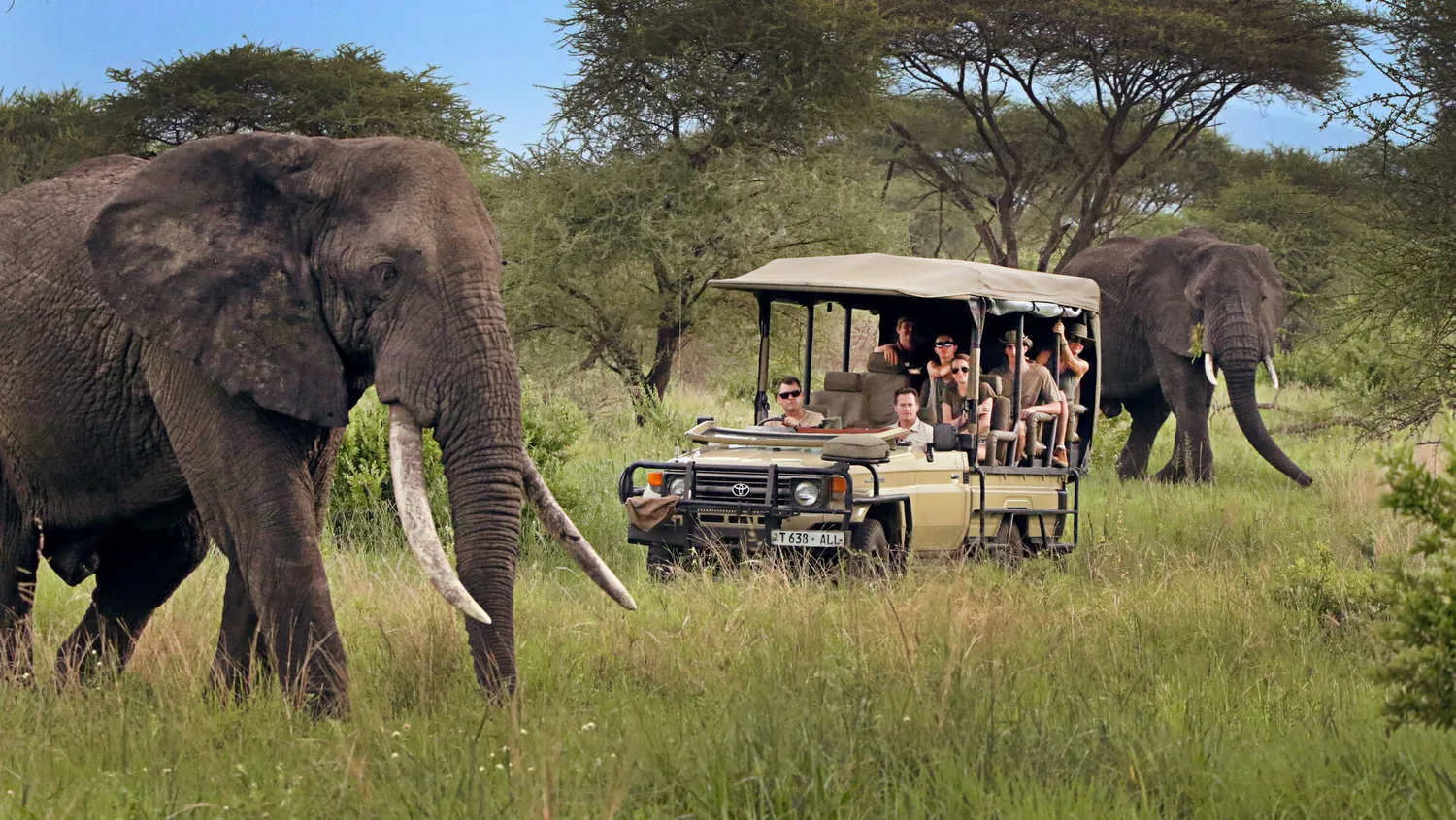
Planning a high-end trip to Tanzania's premier wildlife destination is an exciting venture, but many travelers wonder what driving factors shape the premium pricing of these itineraries. To fully appreciate where your money goes, you must learn how to understand the cost breakdown of 8 days luxury fly in safari to Serengeti. These operations are complex, demanding sophisticated logistics, remote luxury hospitality, and high-altitude domestic aviation to deliver an seamless experience deep in the African bush.
1. High-End Aviation and Bush Flights
The defining and most liberating element of a fly-in safari is the complete elimination of long, physically demanding, and dusty road transfers. In a traditional driving safari, travelers must endure the infamous "African massage"—a colloquial term for traveling hours on rough, unpaved washboard roads that connect Arusha to the distant corners of the Serengeti. Flying directly from Arusha Airport (ARK) or Kilimanjaro International Airport (JRO) straight to remote bush airstrips like Seronera (Central Serengeti), Kogatende (Northern Serengeti), or Grumeti (Western Corridor) saves you up to 8 to 10 hours of grueling driving time per transfer. Instead of arriving at your lodge exhausted and covered in fine dust, a flight allows you to touch down refreshed, energized, and ready for an immediate game drive.
These flights are not merely a means of transit; they are an integral, scenic highlight of your luxury African adventure. Cruising at lower altitudes of 5,000 to 10,000 feet, you are treated to a breathtaking aerial masterpiece of East Africa’s dramatic topography. Looking out the window of a specialized light aircraft, you can trace the dramatic contours of the Great Rift Valley escarpment, peer into the forested volcanic calderas of the Ngorongoro Highlands, and witness the vast, golden grasslands of the Serengeti unfolding to the horizon. During the dry season, it is even possible to spot large herds of wildebeest and migratory elephants moving across the plains like tiny dots from your birds-eye view.
Operating these flights safely in remote areas requires highly specialized light aircraft engineered for short-takeoff-and-landing (STOL) capabilities, such as the legendary Cessna Grand Caravan 208B, the Twin Otter, or the Pilatus PC-12. These rugged yet comfortable planes are uniquely designed to handle the variable conditions of unpaved, gravel, or grass runways in the middle of the national parks. Because there are no paved runways, radars, or traditional control towers in the deep bush, these flights are piloted by highly experienced bush pilots who undergo rigorous, continuous training to master the art of landing amidst wandering wildlife, crosswinds, and changing seasonal weather.
When planning your budget, it is absolutely vital to ensure you are booking with carriers that adhere to the highest international aviation standards. To understand the safety metrics, maintenance protocols, and scheduling practices of the region, we highly recommend consulting our comprehensive guide on how to choose safe and licensed domestic safari flight agencies in Tanzania. Booking with licensed, globally recognized domestic carriers guarantees that you fly in modern, meticulously maintained fleets with two-pilot crews, rather than compromised single-pilot operations offered by cut-rate operators.
From a financial perspective, high-end bush aviation represents a major portion of your trip's cost. On average, a single leg of a scheduled domestic bush flight costs between $250 and $450 USD per person. For a standard 8-day itinerary that involves flying from Arusha to the Northern Serengeti (to view the Mara River crossings), then flying to the Central Serengeti, and finally flying back to Arusha, you will easily accumulate three or four flight legs. This brings the aviation-only cost to $1,000 to $1,800 USD per traveler.
This premium price tag is driven by several complex logistical factors that go on behind the scenes:
- Aviation Fuel Logistics: Aviation turbine fuel (Jet A-1) must be transported in specialized tankers over hundreds of miles of rough roads to reach remote airstrips inside the park, driving up fuel costs significantly compared to urban airports.
- Airstrip Conservation & Landing Fees: Every time an aircraft lands on a national park airstrip, the Tanzanian government levies strict landing fees, passenger safety taxes, and navigation fees that go directly toward maintaining these remote runways and supporting local conservation.
- Strict Baggage Limitations: Due to weight and balance constraints on light aircraft, passengers are strictly limited to 15 kg (33 lbs) of luggage, which must be packed in soft-sided duffel bags. High-end safari operators often pay additional surcharges or purchase extra freight seats on the aircraft to accommodate guests who carry heavy professional camera gear and telephoto lenses.
- Charter Upgrades: For the ultimate exclusive experience, travelers frequently upgrade from scheduled seat-in-plane flights to private aircraft charters. A private charter grants you absolute flexibility over departure times, VIP lounge access, and direct flights without intermediate stops, but will increase the aviation budget to $3,000 to $6,000 USD per flight hour depending on the aircraft class.
Ultimately, when you analyze how these costs are distributed, high-end aviation and bush flights account for roughly 15% to 20% of your total 8-day luxury Serengeti safari package. It is an investment that replaces the physical exhaustion of overland travel with unmatched comfort, safety, and some of the most spectacular aerial views you will ever experience in your lifetime.
2. Ultra-Luxury Lodges and Private Tented Camps
The level of accommodation you choose is the single largest variable in your total safari expenditure, dictating not only your nightly comfort but also the depth and exclusivity of your entire wilderness experience. High-end properties in the Serengeti are architectural and logistical marvels. They operate essentially as self-sustaining, eco-friendly luxury islands dropped in the middle of an untamed wilderness. Operating a luxury outpost miles away from municipal grids means these properties must generate their own electricity via sophisticated silent solar farms, draw and purify water through advanced filtration systems, and process waste responsibly without impacting the local ecosystem. Every fresh gourmet ingredient, from organic microgreens to fine French cheeses, is imported into the deep bush via light aircraft or custom-built, refrigerated supply trucks that navigate hundreds of miles of unpaved terrain. This monumental behind-the-scenes effort ensures that you can enjoy a hot rain shower, high-speed satellite Wi-Fi, and a multi-course fine dining experience paired with world-class vintage wines right in the heart of Africa’s most celebrated wildlife sanctuary.
When selecting your accommodations, the choices generally fall into two distinct but equally spectacular categories: ultra-luxury permanent lodges and exclusive mobile tented camps. Permanent luxury lodges are often built into the natural landscape, using local stone, sustainable timber, and expansive glass to blend seamlessly with rocky kopjes or overlook winding riverbanks. These properties offer massive private villas, plunge pools, spas, wine cellars, and sometimes even underground observation hides. Mobile luxury tented camps, on the other hand, prioritize proximity to the shifting herds. These camps pack up and move two to three times a year to remain positioned directly in the path of the Great Wildebeest Migration, ensuring that the spectacular sights and sounds of hundreds of thousands of animals are right on your doorstep. For a comprehensive guide on selecting the right mobile option, explore our expert tips on how to select reliable mobile luxury tented camp safaris in the Serengeti.
To help you understand the precise financial investment required, luxury accommodations in the Serengeti are typically priced on a per-person, per-night basis, dividing into the following high-end tiers:
- Premium Luxury Tented Camps ($900 to $1,500 per person, per night): These properties feature massive walk-in canvas tents built on raised wooden platforms. Inside, you will find king-sized beds with high-thread-count linens, private ensuite bathrooms with hot running water, flush toilets, and elegant writing desks. These camps offer a classic, intimate "Hemingway-style" safari vibe where the barrier between you and the wild is just a sheet of high-grade canvas. These rates are almost always fully inclusive of all gourmet meals, safari activities, and local drinks.
- Ultra-Exclusive Lodges & Elite Reserve Estates ($1,800 to $3,500+ per person, per night): This tier represents the absolute pinnacle of global hospitality. Properties like the legendary Singita Sasakwa, Faru Faru, Grumeti Reserves, or exclusive private estates offer unmatched levels of opulence and privacy. Guest accommodations are massive, air-conditioned private villas with personal heated plunge pools, dedicated butlers, private chefs, and access to exclusive-use game viewing concessions. Staying at this level guarantees that you will rarely see another vehicle during your game drives, offering an incredibly intimate connection to the Serengeti.
Because these rates cover nearly every imaginable detail of your stay—including fine-dining meals, premium beverages, professional laundry services, and daily guided activities—it is essential to analyze how these lodging tiers impact your overall holiday budget. To put this in perspective and avoid unexpected financial surprises, you can learn how to calculate how much does an 8 day luxury private safari cost in tanzania. This detailed breakdown will help you decide whether to spend your entire 8-day itinerary in ultra-exclusive lodges or blend premium tented camps with high-end resorts to balance your budget beautifully.
Ultimately, the premium price of Serengeti's luxury lodging is an investment in unparalleled comfort, exceptional culinary art, and deep environmental sustainability. It ensures that after a thrilling day tracking prides of lions and witnessing dramatic river crossings, you return to a sanctuary that offers the finest comforts of a five-star boutique hotel while keeping you intimately connected to the primeval rhythm of the wild.
3. Park Entry and Special Concession Fees
A significant portion of your total safari investment does not go to your tour operator or your luxury lodge, but is collected directly by government bodies like the Tanzania National Parks Authority (TANAPA) and the Ngorongoro Conservation Area Authority (NCAA). These mandatory statutory fees are strictly managed to support vital, ongoing wildlife conservation, anti-poaching operations, ecological research, and the physical maintenance of the park's wilderness infrastructure, such as roads and bridges. In the world of high-end travel, these costs are integrated directly into your upfront quote, ensuring you never have to deal with complex administrative payments or paperwork at the park gates.
To truly understand how these government fees are calculated for an 8-day luxury itinerary, you must break down the two primary components: Park Conservation (Entry) Fees and Special Concession Fees.
The Daily Conservation (Entry) Fee
For the Serengeti National Park, the basic conservation fee is calculated per person, per 24-hour period. For international non-resident adults (ages 16 and older), the government sets this rate at $70.00 to $83.00 USD depending on the specific season, and is subject to Tanzania’s mandatory 18% Value Added Tax (VAT). This means that simply entering the park borders costs approximately $82.60 USD per adult, per day once tax is included. For children aged 5 to 15, the entry fee is reduced to $20.00 USD (excluding VAT).
The Special Concession Fee (The "Inside-Park" Surcharge)
Because you are booking a high-end, luxury fly-in safari, you will be staying at permanent luxury lodges or high-end tented camps located inside the actual boundaries of the national park. The Tanzanian government levies a separate, mandatory surcharge known as a Special Concession Fee for any visitor overnighting within the park's boundaries. This fee covers the right of the lodge to operate in an exclusive, ecologically sensitive zone and is priced at $50.00 to $60.00 USD per person, per night (before VAT). Once the 18% VAT is added, this concession fee translates to roughly $59.00 to $70.80 USD per person, per night.
Combined, your daily cost just to exist and sleep inside the Serengeti National Park as an adult reaches approximately $141.60 to $153.40 USD per day. Over an 8-day, 7-night luxury itinerary, these baseline government fees quickly scale to over $1,100 to $1,300 USD per traveler—nearly 12% to 15% of your total safari budget.
To give you a clear picture of how these fees stack up, look at the detailed breakdown of daily government rates for non-resident adults (inclusive of 18% VAT) staying inside the Serengeti:
| Fee Type | Base Rate (USD) | With 18% VAT (USD) | Cost Over 8 Days / 7 Nights |
|---|---|---|---|
| Serengeti Park Entry (Per 24 hours) | $70.00 - $83.00 | $82.60 - $97.94 | $578.20 - $685.58 (7 permits) |
| Lodge Concession Fee (Per night) | $50.00 - $60.00 | $59.00 - $70.80 | $413.00 - $495.60 (7 nights) |
| Mandatory Vehicle Entry Fee (Per day) | $40.00 | $47.20 | $330.40 - $377.60 (split among group) |
| Total Est. Government Fees (Per Person) | - | - | $1,100.00 - $1,300.00 USD |
Other Hidden National Park Fees to Consider
When calculating a comprehensive luxury budget, there are other situational fees that top-tier operators must build into your itinerary:
- Ngorongoro Transit Fees: If your domestic flight routing or a day-trip excursion takes you near the Ngorongoro Conservation Area, a transit fee of approximately $70.80 USD per adult is charged just to pass through, even if you do not descend into the famous crater.
- Ngorongoro Crater Service Fee: If your luxury itinerary includes flying to a nearby airstrip to descend into the Ngorongoro Crater for a day of game viewing, a mandatory vehicle descent fee of $295.00 USD per vehicle, per trip is charged on top of individual entry fees.
- Hot Air Balloon Landing Fees: A classic bucket-list addition to a luxury Serengeti safari is a sunrise hot air balloon flight. While the flight itself is priced around $550 to $650 USD, TANAPA charges an additional $50.00 USD landing fee per person, which is usually bundled into the balloon operator's rate.
Because understanding these complex regional, seasonal, and environmental fees can be quite challenging, you can verify exactly how these structures apply across different parks and circuits by reading our in-depth guide on how to book top rated luxury safari operators for Serengeti and Ngorongoro. Working with an accredited, high-end operator ensures that every single one of these line items is fully paid and pre-cleared, letting you bypass the busy ranger stations and slide smoothly into your game drives without delay.
4. Private Vehicles and Professional Guiding
In the realm of elite African safaris, your guide and your vehicle are the absolute conduits of your experience. A luxury fly-in safari completely rejects the concept of shared game-drive vehicles. On standard, mid-tier safaris, you are often grouped with five or six strangers, each with conflicting photographic priorities, varying endurance levels, and differing wildlife interests. A luxury safari guarantees you an entirely private, custom-engineered 4x4 Toyota Land Cruiser or open-sided defense vehicle, accompanied by a dedicated, world-class professional guide. This setup transforms your safari from a passive tour into a highly personalized, flexible expedition tailored to your exact pacing, curiosity, and artistic vision.
The Anatomy of a Luxury Safari Vehicle
These are not standard factory vehicles; they are heavily modified, rugged machines rebuilt specifically to conquer the challenging, trackless terrains of the Serengeti while ensuring maximum guest comfort. A luxury private vehicle includes several bespoke modifications:
- Unobstructed 360-Degree Viewing: Equipped with either specialized pop-up roofs or fully open-sided designs with canvas roll-up canopies, ensuring every guest has a guaranteed window seat and an optimal, unobstructed angle for wildlife photography.
- Onboard Power Infrastructure: Integrated power inverters with multi-socket charging stations (supporting Type G, USB, and European plugs) allow you to charge heavy DSLR camera batteries, drones, and smartphones on the go.
- Climate Control & Comfort Amenities: An onboard electric refrigerator stocked daily with chilled sparkling water, premium local craft beers, sodas, and fine wines. You will also find soft fleece blankets for chilly early-morning drives, beanbags to stabilize telephoto camera lenses, and high-end binocular sets for every passenger.
- Advanced Off-Road Capabilities: Heavy-duty, upgraded Old Man Emu suspension systems designed to smooth out the roughest washboard roads, paired with high-frequency long-range radios to coordinate sightings quietly with other elite guides.
The Caliber of an Elite Private Guide
Your private guide is much more than a driver; they are university-educated naturalists, master animal trackers, historians, and hosts. Leading luxury operators hire only the top tier of guiding talent, individuals who typically hold advanced certifications from recognized institutions like the Field Guides Association of Southern Africa (FGASA) or specialized Tanzanian guiding academies. They possess a deep, encyclopedic understanding of animal behavior, avian acoustics, local geology, and indigenous botany.
An elite guide reads the subtle signs of the bush—the warning bark of a baboon, the nervous stance of an impala, or a faint footprint in the dust—to position your vehicle in the perfect spot to witness a leopard stalk its prey or a pride of lions interact. Furthermore, they are highly skilled in the delicate art of guest relations, knowing exactly when to explain a complex ecological cycle and when to preserve the profound, silent majesty of the wild.
Understanding the Guiding Cost Structures
Maintaining this level of machinery and elite human resource in remote sectors is highly resource-intensive. The cost of a private vehicle, fuel, driver-guide allowance, and park vehicle entry permits ranges between $350 and $500 USD per day. While this rate is fixed regardless of group size, the cost is split among the members of your private travel party, making it highly cost-effective for families, couples, or small groups of friends traveling together. This fee covers unlimited daily mileage, allowing you to embark on full-day game drives with gourmet bush picnics, rather than being restricted to short, structured morning and afternoon loops near the lodge.
Want to Dive Deeper into Professional Guiding Standards?
Discover how elite operators recruit, train, and certify the finest guides in East Africa to ensure your safety and enrich your safari experience.
Read More About Elite Safari Operators5. Estimated 8-Day Safari Budget Summary
When budgeting for an 8-day high-end Serengeti fly-in safari, it is vital to analyze how individual expenses accumulate into a final package price. Because luxury operators bundle almost all activities, transport, domestic flights, accommodations, gourmet meals, beverages, and government fees into a single, upfront per-person price, looking at the structural breakdown helps you identify where your investment is allocated.
The table below outlines a standard, transparent cost breakdown per person (based on double occupancy) for an 8-day ultra-luxury Serengeti fly-in itinerary in 2026:
| Cost Category | Average Cost (USD) | Percentage of Budget | What is Included in This Category? |
|---|---|---|---|
| Bush & Connection Flights | $1,200 - $1,800 | 15% | Arusha/Kilimanjaro connection flights, multiple internal bush-strip transfers, airport taxes, and passenger handling fees. |
| Ultra-Luxury Lodging (7 Nights) | $6,300 - $10,500 | 65% | Five-star canvas suites or stone villas, all gourmet meals, premium alcoholic drinks, laundry services, and lodge-specific activities. |
| Park & Concession Fees | $1,100 - $1,300 | 12% | Mandatory TANAPA national park entry fees, daily lodge concession taxes, and regional conservation surcharges. |
| Private Vehicles & Guiding | $1,000 - $1,400 | 8% | Fully modified 4x4 Land Cruiser, unlimited fuel, professional naturalist guide, on-board amenities, and park vehicle permits. |
| Estimated Total Per Person | $9,600 - $15,000 | 100% | A completely seamless, fully inclusive, high-end wilderness experience. |
How Seasonality Directly Dictates Your Budget
It is important to note that these estimated averages shift dramatically depending on the specific time of year you choose to travel. The Serengeti experiences highly defined pricing seasons:
- Peak Season (July to October): Coinciding with the dry season and the world-famous Mara River crossings of the Great Migration. During this window, lodge rates are at their highest premium, and availability must be secured 8 to 12 months in advance.
- Shoulder Season (January to March, November to December): Offers exceptional game viewing, particularly the wildebeest calving season in the Southern Serengeti plains (January–February). Rates are often 20% to 35% lower than peak season, offering an excellent balance of value and wildlife action.
- Green/Low Season (April to May): The long rainy season transforms the Serengeti into a lush, emerald-green paradise. While some mobile camps close, permanent luxury lodges offer massive discounts of up to 50%, allowing travelers to experience ultra-luxury accommodation at a fraction of the cost, accompanied by completely crowd-free wildlife viewings.
Avoid Overpaying: Compare Local vs. International Safari Rates
Many international agencies apply substantial commissions and administrative markups to local bookings. Learn how to bypass unnecessary markups and safely compare local rates before booking your high-end safari.
Read Our Price Comparison Guide6. Frequently Asked Questions
Does the price change depending on the season?
Yes. Traveling during the peak Great Migration season (July to October) increases lodging rates by 40% to 60% compared to the green season (April to May).
Are alcoholic beverages included in luxury packages?
Almost all high-end luxury camps and lodges in the Serengeti include house wines, local beers, and premium spirits in their nightly rates.
What extra expenses should I prepare for?
You should budget extra for international flights, tourist visas, travel insurance, hot air balloon safaris (around $550–$650 per person), and tips for your guide and lodge staff.
1. High-End Aviation and Bush Flights
The defining and most liberating element of a fly-in safari is the complete elimination of long, physically demanding, and dusty road transfers. In a traditional driving safari, travelers must endure the infamous "African massage"—a colloquial term for traveling hours on rough, unpaved washboard roads that connect Arusha to the distant corners of the Serengeti. Flying directly from Arusha Airport (ARK) or Kilimanjaro International Airport (JRO) straight to remote bush airstrips like Seronera (Central Serengeti), Kogatende (Northern Serengeti), or Grumeti (Western Corridor) saves you up to 8 to 10 hours of grueling driving time per transfer. Instead of arriving at your lodge exhausted and covered in fine dust, a flight allows you to touch down refreshed, energized, and ready for an immediate game drive.
These flights are not merely a means of transit; they are an integral, scenic highlight of your luxury African adventure. Cruising at lower altitudes of 5,000 to 10,000 feet, you are treated to a breathtaking aerial masterpiece of East Africa’s dramatic topography. Looking out the window of a specialized light aircraft, you can trace the dramatic contours of the Great Rift Valley escarpment, peer into the forested volcanic calderas of the Ngorongoro Highlands, and witness the vast, golden grasslands of the Serengeti unfolding to the horizon. During the dry season, it is even possible to spot large herds of wildebeest and migratory elephants moving across the plains like tiny dots from your birds-eye view.
Operating these flights safely in remote areas requires highly specialized light aircraft engineered for short-takeoff-and-landing (STOL) capabilities, such as the legendary Cessna Grand Caravan 208B, the Twin Otter, or the Pilatus PC-12. These rugged yet comfortable planes are uniquely designed to handle the variable conditions of unpaved, gravel, or grass runways in the middle of the national parks. Because there are no paved runways, radars, or traditional control towers in the deep bush, these flights are piloted by highly experienced bush pilots who undergo rigorous, continuous training to master the art of landing amidst wandering wildlife, crosswinds, and changing seasonal weather.
When planning your budget, it is absolutely vital to ensure you are booking with carriers that adhere to the highest international aviation standards. To understand the safety metrics, maintenance protocols, and scheduling practices of the region, we highly recommend consulting our comprehensive guide on how to choose safe and licensed domestic safari flight agencies in Tanzania. Booking with licensed, globally recognized domestic carriers guarantees that you fly in modern, meticulously maintained fleets with two-pilot crews, rather than compromised single-pilot operations offered by cut-rate operators.
From a financial perspective, high-end bush aviation represents a major portion of your trip's cost. On average, a single leg of a scheduled domestic bush flight costs between $250 and $450 USD per person. For a standard 8-day itinerary that involves flying from Arusha to the Northern Serengeti (to view the Mara River crossings), then flying to the Central Serengeti, and finally flying back to Arusha, you will easily accumulate three or four flight legs. This brings the aviation-only cost to $1,000 to $1,800 USD per traveler.
This premium price tag is driven by several complex logistical factors that go on behind the scenes:
- Aviation Fuel Logistics: Aviation turbine fuel (Jet A-1) must be transported in specialized tankers over hundreds of miles of rough roads to reach remote airstrips inside the park, driving up fuel costs significantly compared to urban airports.
- Airstrip Conservation & Landing Fees: Every time an aircraft lands on a national park airstrip, the Tanzanian government levies strict landing fees, passenger safety taxes, and navigation fees that go directly toward maintaining these remote runways and supporting local conservation.
- Strict Baggage Limitations: Due to weight and balance constraints on light aircraft, passengers are strictly limited to 15 kg (33 lbs) of luggage, which must be packed in soft-sided duffel bags. High-end safari operators often pay additional surcharges or purchase extra freight seats on the aircraft to accommodate guests who carry heavy professional camera gear and telephoto lenses.
- Charter Upgrades: For the ultimate exclusive experience, travelers frequently upgrade from scheduled seat-in-plane flights to private aircraft charters. A private charter grants you absolute flexibility over departure times, VIP lounge access, and direct flights without intermediate stops, but will increase the aviation budget to $3,000 to $6,000 USD per flight hour depending on the aircraft class.
Ultimately, when you analyze how these costs are distributed, high-end aviation and bush flights account for roughly 15% to 20% of your total 8-day luxury Serengeti safari package. It is an investment that replaces the physical exhaustion of overland travel with unmatched comfort, safety, and some of the most spectacular aerial views you will ever experience in your lifetime.
2. Ultra-Luxury Lodges and Private Tented Camps
The level of accommodation you choose is the single largest variable in your total safari expenditure, dictating not only your nightly comfort but also the depth and exclusivity of your entire wilderness experience. High-end properties in the Serengeti are architectural and logistical marvels. They operate essentially as self-sustaining, eco-friendly luxury islands dropped in the middle of an untamed wilderness. Operating a luxury outpost miles away from municipal grids means these properties must generate their own electricity via sophisticated silent solar farms, draw and purify water through advanced filtration systems, and process waste responsibly without impacting the local ecosystem. Every fresh gourmet ingredient, from organic microgreens to fine French cheeses, is imported into the deep bush via light aircraft or custom-built, refrigerated supply trucks that navigate hundreds of miles of unpaved terrain. This monumental behind-the-scenes effort ensures that you can enjoy a hot rain shower, high-speed satellite Wi-Fi, and a multi-course fine dining experience paired with world-class vintage wines right in the heart of Africa’s most celebrated wildlife sanctuary.
When selecting your accommodations, the choices generally fall into two distinct but equally spectacular categories: ultra-luxury permanent lodges and exclusive mobile tented camps. Permanent luxury lodges are often built into the natural landscape, using local stone, sustainable timber, and expansive glass to blend seamlessly with rocky kopjes or overlook winding riverbanks. These properties offer massive private villas, plunge pools, spas, wine cellars, and sometimes even underground observation hides. Mobile luxury tented camps, on the other hand, prioritize proximity to the shifting herds. These camps pack up and move two to three times a year to remain positioned directly in the path of the Great Wildebeest Migration, ensuring that the spectacular sights and sounds of hundreds of thousands of animals are right on your doorstep. For a comprehensive guide on selecting the right mobile option, explore our expert tips on how to select reliable mobile luxury tented camp safaris in the Serengeti.
To help you understand the precise financial investment required, luxury accommodations in the Serengeti are typically priced on a per-person, per-night basis, dividing into the following high-end tiers:
- Premium Luxury Tented Camps ($900 to $1,500 per person, per night): These properties feature massive walk-in canvas tents built on raised wooden platforms. Inside, you will find king-sized beds with high-thread-count linens, private ensuite bathrooms with hot running water, flush toilets, and elegant writing desks. These camps offer a classic, intimate "Hemingway-style" safari vibe where the barrier between you and the wild is just a sheet of high-grade canvas. These rates are almost always fully inclusive of all gourmet meals, safari activities, and local drinks.
- Ultra-Exclusive Lodges & Elite Reserve Estates ($1,800 to $3,500+ per person, per night): This tier represents the absolute pinnacle of global hospitality. Properties like the legendary Singita Sasakwa, Faru Faru, Grumeti Reserves, or exclusive private estates offer unmatched levels of opulence and privacy. Guest accommodations are massive, air-conditioned private villas with personal heated plunge pools, dedicated butlers, private chefs, and access to exclusive-use game viewing concessions. Staying at this level guarantees that you will rarely see another vehicle during your game drives, offering an incredibly intimate connection to the Serengeti.
Because these rates cover nearly every imaginable detail of your stay—including fine-dining meals, premium beverages, professional laundry services, and daily guided activities—it is essential to analyze how these lodging tiers impact your overall holiday budget. To put this in perspective and avoid unexpected financial surprises, you can learn how to calculate how much does an 8 day luxury private safari cost in tanzania. This detailed breakdown will help you decide whether to spend your entire 8-day itinerary in ultra-exclusive lodges or blend premium tented camps with high-end resorts to balance your budget beautifully.
Ultimately, the premium price of Serengeti's luxury lodging is an investment in unparalleled comfort, exceptional culinary art, and deep environmental sustainability. It ensures that after a thrilling day tracking prides of lions and witnessing dramatic river crossings, you return to a sanctuary that offers the finest comforts of a five-star boutique hotel while keeping you intimately connected to the primeval rhythm of the wild.
3. Park Entry and Special Concession Fees
A significant portion of your total safari investment does not go to your tour operator or your luxury lodge, but is collected directly by government bodies like the Tanzania National Parks Authority (TANAPA) and the Ngorongoro Conservation Area Authority (NCAA). These mandatory statutory fees are strictly managed to support vital, ongoing wildlife conservation, anti-poaching operations, ecological research, and the physical maintenance of the park's wilderness infrastructure, such as roads and bridges. In the world of high-end travel, these costs are integrated directly into your upfront quote, ensuring you never have to deal with complex administrative payments or paperwork at the park gates.
To truly understand how these government fees are calculated for an 8-day luxury itinerary, you must break down the two primary components: Park Conservation (Entry) Fees and Special Concession Fees.
The Daily Conservation (Entry) Fee
For the Serengeti National Park, the basic conservation fee is calculated per person, per 24-hour period. For international non-resident adults (ages 16 and older), the government sets this rate at $70.00 to $83.00 USD depending on the specific season, and is subject to Tanzania’s mandatory 18% Value Added Tax (VAT). This means that simply entering the park borders costs approximately $82.60 USD per adult, per day once tax is included. For children aged 5 to 15, the entry fee is reduced to $20.00 USD (excluding VAT).
The Special Concession Fee (The "Inside-Park" Surcharge)
Because you are booking a high-end, luxury fly-in safari, you will be staying at permanent luxury lodges or high-end tented camps located inside the actual boundaries of the national park. The Tanzanian government levies a separate, mandatory surcharge known as a Special Concession Fee for any visitor overnighting within the park's boundaries. This fee covers the right of the lodge to operate in an exclusive, ecologically sensitive zone and is priced at $50.00 to $60.00 USD per person, per night (before VAT). Once the 18% VAT is added, this concession fee translates to roughly $59.00 to $70.80 USD per person, per night.
Combined, your daily cost just to exist and sleep inside the Serengeti National Park as an adult reaches approximately $141.60 to $153.40 USD per day. Over an 8-day, 7-night luxury itinerary, these baseline government fees quickly scale to over $1,100 to $1,300 USD per traveler—nearly 12% to 15% of your total safari budget.
To give you a clear picture of how these fees stack up, look at the detailed breakdown of daily government rates for non-resident adults (inclusive of 18% VAT) staying inside the Serengeti:
| Fee Type | Base Rate (USD) | With 18% VAT (USD) | Cost Over 8 Days / 7 Nights |
|---|---|---|---|
| Serengeti Park Entry (Per 24 hours) | $70.00 - $83.00 | $82.60 - $97.94 | $578.20 - $685.58 (7 permits) |
| Lodge Concession Fee (Per night) | $50.00 - $60.00 | $59.00 - $70.80 | $413.00 - $495.60 (7 nights) |
| Mandatory Vehicle Entry Fee (Per day) | $40.00 | $47.20 | $330.40 - $377.60 (split among group) |
| Total Est. Government Fees (Per Person) | - | - | $1,100.00 - $1,300.00 USD |
Other Hidden National Park Fees to Consider
When calculating a comprehensive luxury budget, there are other situational fees that top-tier operators must build into your itinerary:
- Ngorongoro Transit Fees: If your domestic flight routing or a day-trip excursion takes you near the Ngorongoro Conservation Area, a transit fee of approximately $70.80 USD per adult is charged just to pass through, even if you do not descend into the famous crater.
- Ngorongoro Crater Service Fee: If your luxury itinerary includes flying to a nearby airstrip to descend into the Ngorongoro Crater for a day of game viewing, a mandatory vehicle descent fee of $295.00 USD per vehicle, per trip is charged on top of individual entry fees.
- Hot Air Balloon Landing Fees: A classic bucket-list addition to a luxury Serengeti safari is a sunrise hot air balloon flight. While the flight itself is priced around $550 to $650 USD, TANAPA charges an additional $50.00 USD landing fee per person, which is usually bundled into the balloon operator's rate.
Because understanding these complex regional, seasonal, and environmental fees can be quite challenging, you can verify exactly how these structures apply across different parks and circuits by reading our in-depth guide on how to book top rated luxury safari operators for Serengeti and Ngorongoro. Working with an accredited, high-end operator ensures that every single one of these line items is fully paid and pre-cleared, letting you bypass the busy ranger stations and slide smoothly into your game drives without delay.
4. Private Vehicles and Professional Guiding
In the realm of elite African safaris, your guide and your vehicle are the absolute conduits of your experience. A luxury fly-in safari completely rejects the concept of shared game-drive vehicles. On standard, mid-tier safaris, you are often grouped with five or six strangers, each with conflicting photographic priorities, varying endurance levels, and differing wildlife interests. A luxury safari guarantees you an entirely private, custom-engineered 4x4 Toyota Land Cruiser or open-sided defense vehicle, accompanied by a dedicated, world-class professional guide. This setup transforms your safari from a passive tour into a highly personalized, flexible expedition tailored to your exact pacing, curiosity, and artistic vision.
The Anatomy of a Luxury Safari Vehicle
These are not standard factory vehicles; they are heavily modified, rugged machines rebuilt specifically to conquer the challenging, trackless terrains of the Serengeti while ensuring maximum guest comfort. A luxury private vehicle includes several bespoke modifications:
- Unobstructed 360-Degree Viewing: Equipped with either specialized pop-up roofs or fully open-sided designs with canvas roll-up canopies, ensuring every guest has a guaranteed window seat and an optimal, unobstructed angle for wildlife photography.
- Onboard Power Infrastructure: Integrated power inverters with multi-socket charging stations (supporting Type G, USB, and European plugs) allow you to charge heavy DSLR camera batteries, drones, and smartphones on the go.
- Climate Control & Comfort Amenities: An onboard electric refrigerator stocked daily with chilled sparkling water, premium local craft beers, sodas, and fine wines. You will also find soft fleece blankets for chilly early-morning drives, beanbags to stabilize telephoto camera lenses, and high-end binocular sets for every passenger.
- Advanced Off-Road Capabilities: Heavy-duty, upgraded Old Man Emu suspension systems designed to smooth out the roughest washboard roads, paired with high-frequency long-range radios to coordinate sightings quietly with other elite guides.
The Caliber of an Elite Private Guide
Your private guide is much more than a driver; they are university-educated naturalists, master animal trackers, historians, and hosts. Leading luxury operators hire only the top tier of guiding talent, individuals who typically hold advanced certifications from recognized institutions like the Field Guides Association of Southern Africa (FGASA) or specialized Tanzanian guiding academies. They possess a deep, encyclopedic understanding of animal behavior, avian acoustics, local geology, and indigenous botany.
An elite guide reads the subtle signs of the bush—the warning bark of a baboon, the nervous stance of an impala, or a faint footprint in the dust—to position your vehicle in the perfect spot to witness a leopard stalk its prey or a pride of lions interact. Furthermore, they are highly skilled in the delicate art of guest relations, knowing exactly when to explain a complex ecological cycle and when to preserve the profound, silent majesty of the wild.
Understanding the Guiding Cost Structures
Maintaining this level of machinery and elite human resource in remote sectors is highly resource-intensive. The cost of a private vehicle, fuel, driver-guide allowance, and park vehicle entry permits ranges between $350 and $500 USD per day. While this rate is fixed regardless of group size, the cost is split among the members of your private travel party, making it highly cost-effective for families, couples, or small groups of friends traveling together. This fee covers unlimited daily mileage, allowing you to embark on full-day game drives with gourmet bush picnics, rather than being restricted to short, structured morning and afternoon loops near the lodge.
Want to Dive Deeper into Professional Guiding Standards?
Discover how elite operators recruit, train, and certify the finest guides in East Africa to ensure your safety and enrich your safari experience.
Read More About Elite Safari Operators5. Estimated 8-Day Safari Budget Summary
When budgeting for an 8-day high-end Serengeti fly-in safari, it is vital to analyze how individual expenses accumulate into a final package price. Because luxury operators bundle almost all activities, transport, domestic flights, accommodations, gourmet meals, beverages, and government fees into a single, upfront per-person price, looking at the structural breakdown helps you identify where your investment is allocated.
The table below outlines a standard, transparent cost breakdown per person (based on double occupancy) for an 8-day ultra-luxury Serengeti fly-in itinerary in 2026:
| Cost Category | Average Cost (USD) | Percentage of Budget | What is Included in This Category? |
|---|---|---|---|
| Bush & Connection Flights | $1,200 - $1,800 | 15% | Arusha/Kilimanjaro connection flights, multiple internal bush-strip transfers, airport taxes, and passenger handling fees. |
| Ultra-Luxury Lodging (7 Nights) | $6,300 - $10,500 | 65% | Five-star canvas suites or stone villas, all gourmet meals, premium alcoholic drinks, laundry services, and lodge-specific activities. |
| Park & Concession Fees | $1,100 - $1,300 | 12% | Mandatory TANAPA national park entry fees, daily lodge concession taxes, and regional conservation surcharges. |
| Private Vehicles & Guiding | $1,000 - $1,400 | 8% | Fully modified 4x4 Land Cruiser, unlimited fuel, professional naturalist guide, on-board amenities, and park vehicle permits. |
| Estimated Total Per Person | $9,600 - $15,000 | 100% | A completely seamless, fully inclusive, high-end wilderness experience. |
How Seasonality Directly Dictates Your Budget
It is important to note that these estimated averages shift dramatically depending on the specific time of year you choose to travel. The Serengeti experiences highly defined pricing seasons:
- Peak Season (July to October): Coinciding with the dry season and the world-famous Mara River crossings of the Great Migration. During this window, lodge rates are at their highest premium, and availability must be secured 8 to 12 months in advance.
- Shoulder Season (January to March, November to December): Offers exceptional game viewing, particularly the wildebeest calving season in the Southern Serengeti plains (January–February). Rates are often 20% to 35% lower than peak season, offering an excellent balance of value and wildlife action.
- Green/Low Season (April to May): The long rainy season transforms the Serengeti into a lush, emerald-green paradise. While some mobile camps close, permanent luxury lodges offer massive discounts of up to 50%, allowing travelers to experience ultra-luxury accommodation at a fraction of the cost, accompanied by completely crowd-free wildlife viewings.
Avoid Overpaying: Compare Local vs. International Safari Rates
Many international agencies apply substantial commissions and administrative markups to local bookings. Learn how to bypass unnecessary markups and safely compare local rates before booking your high-end safari.
Read Our Price Comparison GuideConclusion: Investing in a Seamless Wilderness Experience
When analyzing how to understand the cost breakdown of an 8-day luxury fly-in safari to the Serengeti, it becomes clear that this is not merely a vacation, but a highly complex, logistically intensive investment. This investment is designed to protect your most valuable asset—your time—while maximizing comfort and granting you exclusive access to some of the most remote, pristine wildlife areas on earth.
By bypassing the taxing 6-to-8 hour overland drives across bumpy dirt roads and opting instead for scenic flights directly into remote bush airstrips, you preserve your physical energy for what truly matters: witnessing the raw majesty of the African wild.
What You Are Truly Paying For: The Invisible Logistics
The cost of an elite fly-in safari is driven by several critical behind-the-scenes factors that ensure a seamless and unforgettable experience:
- Aviation Precision: Coordinating private charters and scheduled bush flights across remote airstrips requires rigorous maintenance, highly skilled pilots, and strict weight limit management to guarantee your absolute safety.
- The Eco-Luxury Infrastructure: Running a five-star luxury camp deep inside the national park without leaving a permanent footprint on the ecosystem is a massive engineering feat. Your package supports state-of-the-art solar power grids, advanced water filtration systems, and the complex supply chains required to bring gourmet ingredients, fine wines, and premium amenities to the middle of the savannah.
- Conservation and Community Empowerment: A significant portion of your fees goes directly toward park conservation taxes, anti-poaching units, and community development projects that support local villages. This ensures that your presence actively contributes to preserving this delicate ecosystem for generations to come.
Making Your Decision
By recognizing the unique logistical hurdles of high-altitude travel and remote camp operations, you can easily select a customized itinerary that perfectly balances adventure, comfort, and peace of mind. Whether you are planning a milestone anniversary, a family expedition, or a bucket-list solo journey, investing in a seamless fly-in structure ensures that every moment of your Serengeti experience is defined by awe, comfort, and flawless execution.
Ready to Plan Your Perfect Serengeti Adventure?
A seamless wilderness experience starts with selecting the right operator and timing your trip with the Great Migration. Discover how to book and customize your fly-in itinerary safely.
Read Our Comprehensive Serengeti Booking Guide