





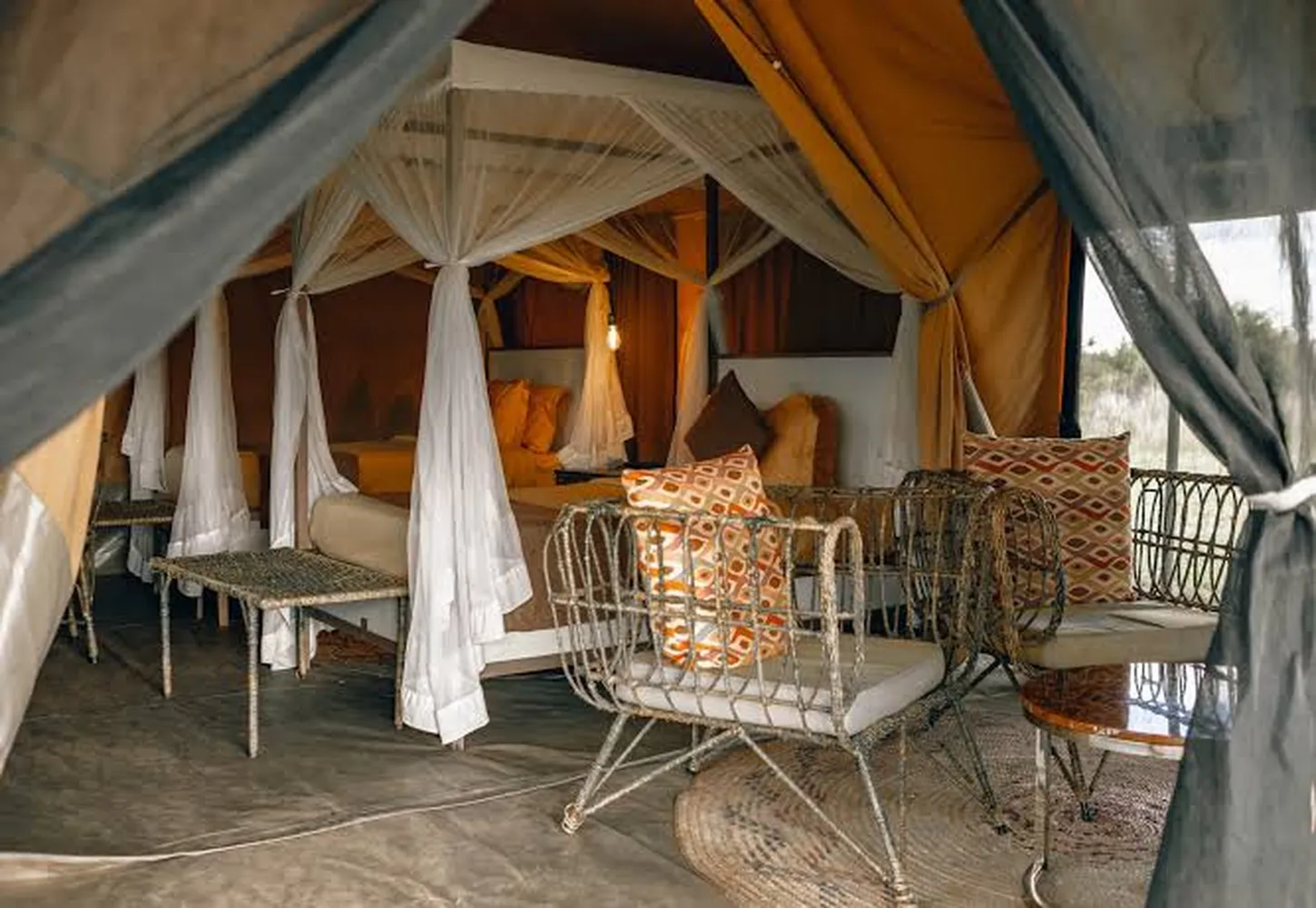
Planning a bucket-list journey to Tanzania requires knowing exactly how to select reliable mobile luxury tented camp safaris in the Serengeti. Unlike permanent concrete lodges, mobile camps move two to three times a year to chase the epic 1.5-million-strong Great Wildebeest Migration. This ensures you remain in the center of the action, whether the herds are calving in the south or crossing the Mara River in the north. However, balancing true wilderness mobility with top-tier luxury requires choosing operators with exceptional logistics, valid licensing, and eco-friendly comfort setups.
1. Migration Tracking: The Core Component
The absolute cornerstone of mastering how to select reliable mobile luxury tented camp safaris in the Serengeti lies in understanding the complex, hyper-dynamic mechanics of the Great Wildebeest Migration. Unlike standard brick-and-mortar eco-lodges that remain static throughout the changing seasons, a genuine, high-performing mobile luxury camp operates as a nomadic masterpiece of hospitality logistics. It shifts its entire physical infrastructure two to three times every single calendar year to mirror the continuous, instinct-driven circular movement of over 1.5 million wildebeest, 500,000 zebras, and hundreds of thousands of Thomson's gazelles. This relentless pursuit ensures that discerning travelers are positioned precisely within the core theater of action at any given point in time.
When evaluating potential operators, you must look far past their marketing brochures and scrutinize their specific seasonal relocation calendar. Reliable and premium mobile operators do not guess where the herds will be; they secure highly coveted, tightly regulated special campsites (SCS) or exclusive private concessions directly from the Tanzania National Parks Authority (TANAPA) years in advance. If an operator claims to offer a "mobile migration camp" but remains anchored in the central Seronera region or near the Turn-Four axis all year round, they are misrepresenting their operational profile. While Seronera boasts magnificent resident game year-round, it is not a true migration-tracking mobile unit. True mobility requires an operator to pack up every tent, solar grid, plumbing line, and kitchen unit, completely reverting the campsite back to its natural, pristine state before setting up in the next geographical ecological window.
To ensure your safari aligns perfectly with nature’s grand design, a premier mobile camp operation must strategically transition between three highly distinct core seasonal sectors within the greater Serengeti-Mara ecosystem:
- The Southern Plains (Ndutu, Kusini, and Matiti Sectors) – December to March: During this critical window, the migration settles on the nutrient-rich volcanic soils of the southern Serengeti and northern Ngorongoro Conservation Area. The grass here is exceptionally high in phosphorus, calcium, and magnesium, which is vital for lactating wildebeest cows. This period marks the synchronized calving season, where roughly 8,000 wildebeest calves are born every single day. Reliable mobile camps position themselves on the fringes of these short-grass plains to offer guests front-row seats to spectacular predator-prey interactions, as apex cats—lions, cheetahs, and leopards—converge on the vulnerable young.
- The Western Corridor and Central Transition (Grumeti and Mbalageti Rivers) – April to June: As the southern plains dry up, the mega-herds begin their long march northwest. Mobile camps systematically relocate to the Western Corridor. This period offers a unique blend of dense riverine forests and open savannahs. The primary operational focus here is the crossing of the Grumeti River, where massive, prehistoric Nile crocodiles lie in wait for the herds. Selecting a camp with deep operational expertise in this sector is vital, as heavy seasonal rains can make navigation highly challenging; only operators with advanced 4x4 heavy-clearance transport logistics can excel here.
- The Northern Serengeti (Kogatende, Lamai Wedge, and Mara River Axis) – July to November: This is arguably the most dramatic phase of the migration cycle. Reliable luxury mobile camps set up their structures within striking distance of the world-famous Mara River. Here, the herds face the ultimate test of survival: plunging through raging waters, steep rocky embankments, and hyper-dense crocodile populations to reach the greener pastures of the north. A reliable camp must be positioned close enough to the primary crossing points so that guests can experience these historic, high-adrenaline crossings early in the morning before daytime heat and tourist vehicle congestion peak.
Furthermore, a truly elite mobile operator does not just follow a rigid calendar; they utilize active field intelligence. Their professional guides maintain daily radio and satellite coordination with park rangers, anti-poaching units, and spotter planes to understand real-time weather anomalies, such as unexpected localized rain showers that can cause the herds to shift directions overnight. Before finalizing your high-value itinerary with any safari partner, it is vital to verify operator reputations, track records, and field-level logistics thoroughly.
2. Luxury Amenities in Mobile Setups
Achieving uncompromising, top-tier luxury inside a transient, completely movable canvas environment is an extraordinary feat of modern wilderness engineering. When exploring how to select reliable mobile luxury tented camp safaris in the Serengeti, you must look closely at how an operator manages their off-grid utilities. True luxury in the bush means that despite being hundreds of kilometers away from civil infrastructure, you never experience a single moment of discomfort. Premium kambi (camps) utilize heavy-duty, military-grade canvas tents built on elevated sustainable wooden platforms or directly on ground-cloth foundations integrated seamlessly with the wild surroundings.
To separate basic mobile bush camps from elite, ultra-luxury nomadic operations, look for properties that provide explicit, comprehensive structural and service guarantees across these critical categories:
- Advanced Power Supply and Environmental Engineering: Low-tier kambi rely on loud, exhaust-heavy diesel generators that disrupt the natural symphony of the African night. Elite mobile camps feature sophisticated, completely silent 24-hour solar photovoltaic fields. These setups collect energy via highly efficient monocrystalline solar panels and store it in advanced Lithium Iron Phosphate (LiFePO4) or heavy-duty deep-cycle inverter battery banks. This advanced system ensures continuous, clean 220V-240V electricity inside your tent, allowing guests to effortlessly run high-draw medical equipment like CPAP devices, charge professional DSLR/mirrorless camera arrays, and operate specialized hair dryers without causing power surges.
- Seamless En-suite Plumbing and Safari Hydraulics: The days of sacrificing sanitation for adventure are long gone. Elite camps feature fully integrated en-suite bathrooms located discreetly behind zippered or wooden partitions at the back of the tent. These facilities feature premium porcelain flushing toilets connected to eco-friendly, biodegradable waste-digestion systems that leave zero chemical footprint behind. They also feature double vanities with running hot and cold water. For showers, they utilize traditional safari bucket showers, engineered with high-output, customized brass showerheads fed by insulated 20-liter reservoirs. This hot water is delivered to your exact temperature preference at any hour—whether after a chilly 5:30 AM sunrise game drive or a dusty evening drive.
- Opulent Bedding, Layout, and Interior Aesthetics: The interior design of a premier mobile tented camp should rival any five-star city boutique hotel. Tents feature massive floor-to-plan layouts with separate lounge alcoves, Persian rugs, hand-carved writing desks, and private wooden verandas with panoramic views of the savannah. At the heart of the tent sits a king-sized or configuration-flexible twin premium mattress, layered with high-thread-count Egyptian cotton linens, down duvets, and thermal blankets optimized for the Serengeti’s sudden drop in nighttime temperatures.
- Gourmet Bush Gastronomy and Cold-Chain Logistics: Delivering exceptional culinary experiences in the middle of the wilderness requires flawless logistics. Reliable mobile operations employ executive bush chefs who curate daily multi-course degustation menus that cater to all dietary needs (vegan, gluten-free, halal, or kosher). These meals are prepared using traditional eco-friendly charcoal ovens and gas ranges. More importantly, the camp must utilize heavy-duty 4x4 supply trucks equipped with specialized commercial mobile refrigeration units. This ensures that fresh, organic produce, imported cheeses, and premium meats are kept perfectly preserved throughout their long journey across the rugged terrain from Arusha.
Ultimately, a reliable mobile luxury camp creates an atmosphere where the thin veil of canvas is the only thing separating you from the raw wilderness, while inside, you are enveloped in absolute comfort. From chilled champagne served around a crackling campfire (commonly known as the "bush television") to personalized butler services where your morning coffee or safari tea is delivered right to your bedside, every single operational detail must be flawlessly executed.
3. Verifying Licensing, Registration, and Safety
Operating a transient luxury tented camp across changing geographic landscapes demands strict adherence to rigorous safety standards, operational protocols, and legal frameworks. Because these camps are set up in completely unfenced areas where wild animals roam freely, the line between an unforgettable adventure and a safety risk depends entirely on the operator's professionalism. When validating the reliability of a mobile camp, a traveler must treat legal compliance and emergency preparedness as non-negotiable baselines. A reputable company will transparently demonstrate its corporate standing, tax compliance, and conservation partnership certifications within the United Republic of Tanzania.
To ensure your safari investment remains completely secure and your physical well-being is fully protected, look for explicit verification of the following regulatory and field safety configurations:
- Full Statutory Licensing and National Park Permits: A reliable mobile operator must be formally registered with the Business Registrations and Licensing Agency (BRELA) and possess a valid Tanzania Tourism Licensing Board (TALA) license. Furthermore, they must clear all seasonal concession fees and secure official Special Campsite Permits directly from TANAPA. These permits prove that the camp undergoes rigorous environmental impact assessments and operates completely within the legal frameworks of the park, eliminating the risk of sudden forced closures or regulatory fines during your stay.
- Elite Night Patrols and Indigenous Bush Security: When darkness falls over the Serengeti, wildlife activity surges. Elite luxury camps employ dedicated, 24-hour perimeter security teams. This includes fully trained, armed national park rangers working alongside local Maasai askaris (warriors). Maasai askaris possess an extraordinary, lifelong understanding of the wilderness, allowing them to detect the subtle sounds or movements of approaching predators long before they near the guest tents. From dusk until dawn, guests are securely escorted to and from the dining areas, ensuring complete safety at all times.
- Advanced Structural Security and Structural Engineering: The tents themselves must be built to withstand the raw elements of the African bush. High-end mobile setups feature heavy-duty, rip-stop military-grade canvas treated with flame-retardant and waterproof coatings. All windows and entryways are fitted with dual-zipper locking systems and reinforced insect-proof mesh layers. This allows the cooling evening breeze and the therapeutic sounds of the savannah to flow through your room while maintaining an impenetrable physical barrier against insects, reptiles, and curious wildlife.
- Comprehensive Medical Emergency and Evacuation Protocols: Even in the most remote corners of the Serengeti, top-tier mobile camps remain connected to world-class medical infrastructure. Reliable operators equip their camps with comprehensive trauma first-aid kits, automated external defibrillators (AEDs), and continuous satellite phone communication links. More importantly, their bookings automatically include premium AMREF Flying Doctors emergency evacuation insurance. This ensures that in the rare event of a medical emergency, a fully equipped air ambulance plane can be dispatched to the nearest remote airstrip (such as Kogatende, Seronera, or Ndutu) to safely transport a patient directly to advanced medical facilities in Nairobi or Dar es Salaam.
4. Pricing Structure and Inclusions
Mobile wilderness operations are expensive due to the massive logistics of transporting fuel, fresh organic food, staff housing, and premium canvas structures across rugged terrain. Review the average baseline operational costs below before paying deposit milestones:
| Season | Est. Nightly Rate (USD) | Key Focus Area |
|---|---|---|
| High / Peak | $1,100 – $1,800+ | River Crossings / Calving |
| Shoulder | $750 – $1,050 | Central Seronera Game Viewing |
| Green / Wet | $550 – $700 | Avian life, crisp photography |
To put these numbers into context and ensure you get fair market values without hidden markups, it helps to analyze pricing distributions across different booking agencies.
5. Booking Without Getting Scammed
The growing demand for high-end wilderness adventures has led to an increase in fraudulent online websites copying legitimate itineraries. To navigate this landscape safely, look for operators that maintain deep ties to local communities and display certified physical office locations within Arusha or Dar es Salaam.
6. Frequently Asked Questions
Do mobile camps have running water?
Yes, reliable luxury mobile operations utilize localized pressurized water systems or customized hot safari bucket showers paired with regular indoor flushing systems to maintain a premium environment.
How do camps ensure safety from wild animals?
Camps feature regular night escorts by armed guards or local askari, enforce strict in-tent protocols after dusk, and place tents in secure, strategic configurations approved by TANAPA (Tanzania National Parks authority).
References and Industry Trust Factors
For additional regulatory guidelines, entry park fees, and conservation frameworks, cross-reference your findings with the official Tanzania Tourist Board Official Portal and international wildlife guidelines.