





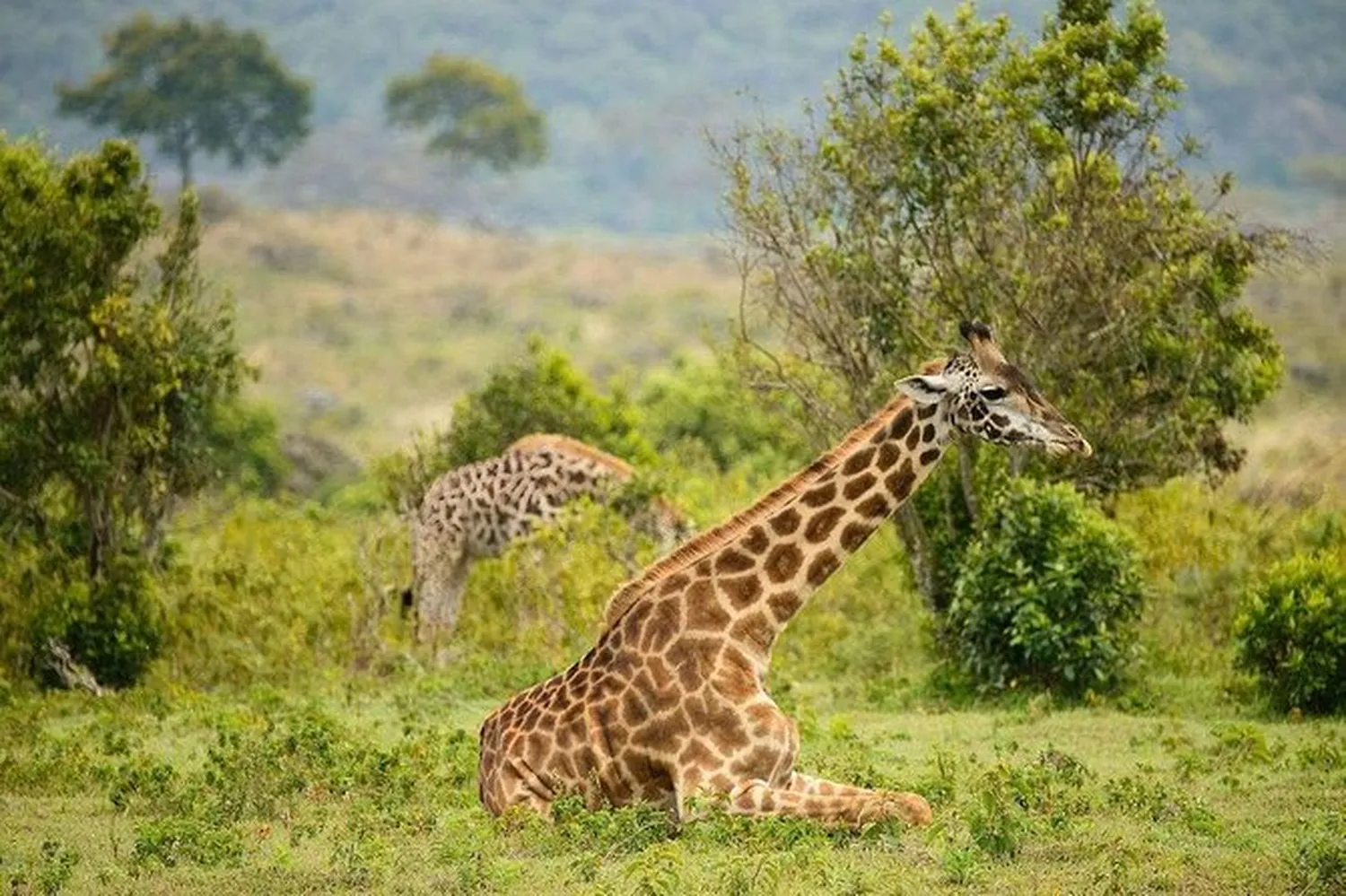
Introduction: The Real Secret to an Unforgettable Tanzania Safari
A 7-day safari to Tanzania is globally celebrated as the pinnacle of African wildlife adventures. It holds the promise of witnessing the raw grandeur of the natural world: sweeping gold-hued plains of the Serengeti, massive thunderous herds of the Great Wildebeest Migration, the dense predator haven within the caldera of the Ngorongoro Crater, and giant elephant families roaming among ancient baobabs in Tarangire.
Yet, despite paying thousands of dollars for a dream trip, a staggering number of first-time travelers return home feeling exhausted, frustrated, and subtly disappointed. Instead of spending their days mesmerized by lion prides or tracking elusive leopards, they spent up to 50% of their total daylight hours trapped inside a bouncing 4x4 Land Cruiser, staring at paved highways, navigating dusty bypass tracks, and waiting in tedious administrative queues at national park entrance gates.
The Transit Trap: Where Your Vacation Time Disappears
On a typical budget or poorly planned 7-day overland circuit, guests spend roughly 21 to 24 hours just driving between towns and park gates. When you add park entry paperwork, vehicle check-ins, and mandatory speed reductions, your actual active game viewing time drops to a meager 22 hours out of the entire week. That is less than 3.2 hours of wildlife tracking per day!
Why Strategic Route Engineering Changes Everything
Unlocking a high-yield safari does not happen by accident—it requires precise itinerary engineering. Understanding how to maximize game viewing hours on a 7 day tanzania tour means mastering the mechanics of East African safari logistics:
-
Transit Physics & Distance Mechanics: Replacing long, grueling highway drives (like the 8-hour bumpy haul from Arusha to Central Serengeti) with tactical domestic bush flights that take under 50 minutes.
-
Accommodation Micro-Location: Booking tented camps and lodges located inside official park boundaries, eliminating 2 hours of daily gate queue delays and strict evening cutoff rushes.
-
Thermal Inversion Tracking: Aligning daily departures with animal biological rhythms—starting at 06:00 AM (dawn) when predators hunt actively, rather than driving around in midday heat when animals sleep under thick brush.
-
Regulatory Fee Optimization: Structuring permits with the Tanzania National Parks Authority (TANAPA) to utilize full 24-hour entry cycles without paying double transit fees.
By applying these field-tested strategies, you effectively eliminate up to 85% of non-productive transit time. The result? You virtually double your active game drive time from 22 hours to over 46 to 49 high-value safari hours within the exact same 7-day calendar window—turning an average road trip into an extraordinary, immersive wildlife expedition.
1. The Safari Time Audit: Highway Driving vs. Wildlife Viewing
To eliminate the frustration of lost game viewing hours, you must first conduct an honest audit of where time vanishes on a classic Northern Tanzania circuit. The Northern Safari Circuit—encompassing Tarangire National Park, Lake Manyara, the Ngorongoro Conservation Area, and the expansive Serengeti—appears surprisingly compact on a map. However, geographic distance in East Africa is profoundly deceiving due to infrastructure limitations, extreme topographical changes, strict speed regulations, and complex administrative checkpoints.
Consider the standard route from Arusha city to the Seronera region in Central Serengeti. The direct distance is approximately 335 kilometers (208 miles). In North America or Europe, a highway drive of that length on smooth interstate roads takes just under 3.5 hours. In Tanzania, that exact same journey requires 7 to 8 hours of strenuous, bone-jarring travel inside a closed vehicle.
Standard Highway Overland Route
- Arusha to Serengeti: 7 to 8 Hours
- Daily Gate Queue Wait: 1.5 to 2.5 Hours
- Off-Site Hotel Commutes: 2 Hours Daily
- Total Transit Lost: 22+ Hours/Week
Optimized Time-Saving Route
- Arusha to Serengeti Flight: 45 to 50 Mins
- Airstrip-to-Safari Entry: 0 Minutes
- Inside-Park Lodging Commute: 0 Minutes
- Active Safari Gained: 46+ Hours/Week
Deconstructing the Time-Sinks: The 4 Transit Bottlenecks
Where exactly do those 8 hours go? A detailed breakdown of the terrain reveals four major infrastructure and administrative bottlenecks that strip away your safari time:
"When an itinerary attempts to connect four separate parks by road in just 7 days, your vacation transforms from a relaxing wildlife safari into an exhausting marathon of highway driving. Guests end up spending over 22 hours staring at dust and bumpers while active game viewing drops below 3 hours a day."
2. Fly-In Safaris vs. Highway Driving Efficiency
The single most powerful modification you can make to a 7-day Tanzania itinerary is replacing the long, bumpy highway drive between Arusha and the Serengeti with a domestic bush flight. Regional aviation in Tanzania is highly developed, connecting urban hubs directly to remote wilderness airstrips in under an hour.
Carriers such as Coastal Aviation, Flightlink, and Auric Air operate modern fleet aircraft (typically Cessna 208B Grand Caravans) flying daily out of Arusha Airport (ARK) or Kilimanjaro International Airport (JRO). Flights land directly on dirt bush strips like Seronera (SEU), Kogatende (KOT), Ndutu (NZU), or Grumeti (GRO).
How Bush Flights Multiply Game Drive Hours
When you land at a Serengeti bush airstrip, your custom 4x4 safari vehicle and expert guide are waiting for you right at the runway tarmac. The moment your feet touch the ground, your game drive begins immediately. Instead of spending 8 exhausting hours on a dusty transit highway, you enjoy a smooth 50-minute flight, landing in the heart of big cat territory by 09:00 AM ready for safari tracking.
| Safari Logistics Metric | Standard Overland Driving | Optimized Hybrid Fly-In |
|---|---|---|
| Total Highway Transit Time | 21 - 24 Hours | 2 - 3 Hours |
| Gate Queue Loss | 7 - 9 Hours | 1 - 1.5 Hours |
| Active Game Drive Time | 22 - 25 Hours | 44 - 48 Hours |
| Average Daily Game Viewing | ~3.3 Hours / Day | ~6.7 Hours / Day |
| Physical Fatigue Level | High (Bumpy dirt roads) | Low (Relaxed flight + direct tracking) |
For more detailed insights on flight planning, luggage limits, and organizing seamless air transfers, check out these dedicated resources:
3. Location Strategy: Why Staying Inside Parks Adds 14 Hours
Accommodation placement is the second major lever for unlocking hidden safari hours. To save costs, many low-end safari itineraries book accommodations located outside park boundaries (e.g., Karatu for Ngorongoro, or Mto wa Mbu for Manyara and Tarangire).
While off-site accommodations are cheaper, they come with a massive time penalty. TANAPA strictly enforces gate operating hours from **06:00 AM to 06:00 PM**. If you stay outside the park, you face the following inefficiencies:
- Morning Traffic Queues: Every morning, hundreds of safari vehicles converge on outer park gates at 06:00 AM. Verifying permits can delay entry by 45 to 90 minutes during prime predator activity hours.
- Premature Evening Evacuation: To guarantee exiting through the gate before the strict 06:00 PM closure cutoff (and avoid heavy operator fines), drivers must stop game viewing as early as 04:30 PM to travel back toward the exit gate.
- Midday Dead Time: If you get tired or want a hot lunch, you must drive all the way out of the park, losing 2 to 3 hours driving back and forth to your hotel.
The Advantage of Inside-Park Tented Camps & Lodges
When you stay inside the national park boundaries or within private wildlife concessions, your lodge or mobile tented camp is situated directly in the game corridor. You wake up to the sounds of lions roaring and hyenas calling. When 06:00 AM arrives, you are already inside the park—no queues, no highway commutes, and no wasted permit processing time.
To learn more about selecting high-value mobile camps positioned perfectly near seasonal wildlife hotspots, read these comprehensive accommodation guides:
4. Daily Schedule: Dawn Drives, Bush Packs, and Thermal Inversion
Maximized game viewing is not just about the number of hours spent in a vehicle—it is about **high-quality viewing hours**. Wildlife behavior in the East African savanna is dictated by ambient air temperature and solar intensity.
The Science of Early Morning Wildlife Activity
Predators (lions, leopards, cheetahs, and hyenas) are energetic during cold, dark hours and early morning temperatures. Between **06:00 AM and 09:00 AM**, ambient temperatures are cool, and apex predators actively hunt, mark territory, and mate. By 10:30 AM, as equatorial sun heats the plains, animals seek shade under dense bushes, remaining largely inactive until 04:00 PM.
To capitalize on animal behavior, adopt this field-proven daily schedule:
- 05:30 AM: Wake Up & Quick Coffee – Prepare for early departure before sunrise.
- 06:00 AM: Dawn Departure with Breakfast Boxes – Be out on the plains at first light. This captures early hunting action and nocturnal animals returning to dens.
- 09:30 AM: Bush Breakfast – Enjoy a hearty picnic breakfast under an Acacia tree in the wild rather than returning to your lodge.
- 12:30 PM - 02:30 PM: Midday Siesta or Shaded Picnic – Relax at camp or a scenic picnic site while wildlife rests through the heat of the day.
- 03:30 PM - 06:30 PM: Afternoon Golden Hour Drive – Track predators as temperatures drop and lighting becomes ideal for photography.
For wildlife photographers and enthusiasts looking to maximize photographic lighting and predator encounters, explore these tailored guides:
5. Seasonal Tracking: Aligning Routes with the Great Migration
The Great Wildebeest Migration is a continuous, year-round journey driven by rainfall patterns across the Serengeti ecosystem. Driving to Northern Serengeti (Kogatende) when the herds are actually in Southern Serengeti (Ndutu) results in spending 10 hours driving across empty plains with minimal animal encounters.
To maximize active viewing hours, align your 7-day tour base location with seasonal herd positions:
- December to March (Calving Season - Southern Serengeti / Ndutu): Over 1.5 million wildebeest gather on short-grass plains. Predators gather here in dense concentrations. Flying into Ndutu Airstrip puts you directly in the middle of calving action.
- April to May (Heavy Rains - Central & Western Corridor): Herds move north through Seronera and Western Corridor toward the Grumeti River. Central Serengeti lodges offer optimal access.
- July to October (River Crossings - Northern Serengeti / Mara River): The herds cross the treacherous Mara River. Fly directly to Kogatende Airstrip to eliminate a 12-hour overland road trip from Arusha.
Understanding seasonal mechanics prevents non-productive driving hours. For deeper itinerary planning and photographic alignment, read more here:
6. The 46-Hour Optimized 7-Day Tanzania Itinerary
Below is a field-tested, highly optimized 7-day itinerary engineered specifically to maximize game viewing hours while keeping transit time to an absolute minimum:
Optimized 7-Day High-Yield Schedule
Day 1: Fly Arusha to Central Serengeti (Seronera)
Board a 08:00 AM bush flight from Arusha Airport. Land at Seronera at 08:50 AM. Your open 4x4 guide meets you at the runway. Begin immediate game viewing in the Seronera River Valley.
Active Viewing Time: ~6.5 Hours
Day 2: Full-Day Central Serengeti Predator Tracking
06:00 AM departure with packed breakfast and lunch. Explore Masaai Kopjes, Retima Hippo Pool, and Makoma Plains tracking lions, leopards, and cheetahs.
Active Viewing Time: ~9.5 Hours
Day 3: Central Serengeti to Seasonal Herd Hotspot (Ndutu / Kogatende)
Enjoy a slow game drive transitioning toward the seasonal Migration hub. Continuous wildlife viewing en route without highway bypasses.
Active Viewing Time: ~8.5 Hours
Day 4: Full-Day Great Migration Experience
Dedicated day tracking river crossings (July-Oct) or predator hunts on calving plains (Dec-March). Enjoy gourmet bush lunches in designated viewing sites.
Active Viewing Time: ~9.5 Hours
Day 5: Serengeti to Ngorongoro Crater Rim
Morning game drive exiting Serengeti through Malanja Depression and Oldupai Gorge, arriving at a Crater Rim lodge inside the conservation area by late afternoon.
Active Viewing Time: ~5.5 Hours
Day 6: Ngorongoro Crater Floor Descent
Descend into Ngorongoro Crater at 06:00 AM gate opening. Spend a full 6-hour permit window tracking endangered Black Rhinos, flamingos, and large bull elephants.
Active Viewing Time: ~6.0 Hours
Day 7: Tarangire National Park to Arusha Departure
Early morning game drive in Tarangire's ancient baobab corridors viewing massive elephant herds, followed by a short 2-hour paved highway return to Arusha.
Active Viewing Time: ~4.0 Hours
Total Active Safari Viewing Time: ~49.5 Hours (vs. 22 Hours on standard road trips!)
To compare tour structures, pricing options, TANAPA fee breakdowns, and budget savings strategies across various itineraries, explore these helpful guides:
7. Frequently Asked Questions (FAQs)
8. Authority References & External Resources
For official regulations, park entrance guidelines, flight safety standards, and conservation updates, consult these verified authority portals:
- Tanzania National Parks Authority (TANAPA) Official Portal – Official park gate operational hours, conservation entry fee updates, and regulations.
- Tanzania Civil Aviation Authority (TCAA) – Certification, operator safety standards, and bush airstrip regulation.
- Tanzania Wildlife Management Authority (TAWA) – Oversight of wildlife corridors, game reserves, and dispersal areas.
Mastering how to maximize game viewing hours on a 7 day tanzania tour comes down to smart itinerary engineering: trade long highway drives for domestic bush flights, stay inside park gates, and align your schedule with dawn animal movements. Doing so transforms a basic trip into an unforgettable, high-yield wildlife expedition.