





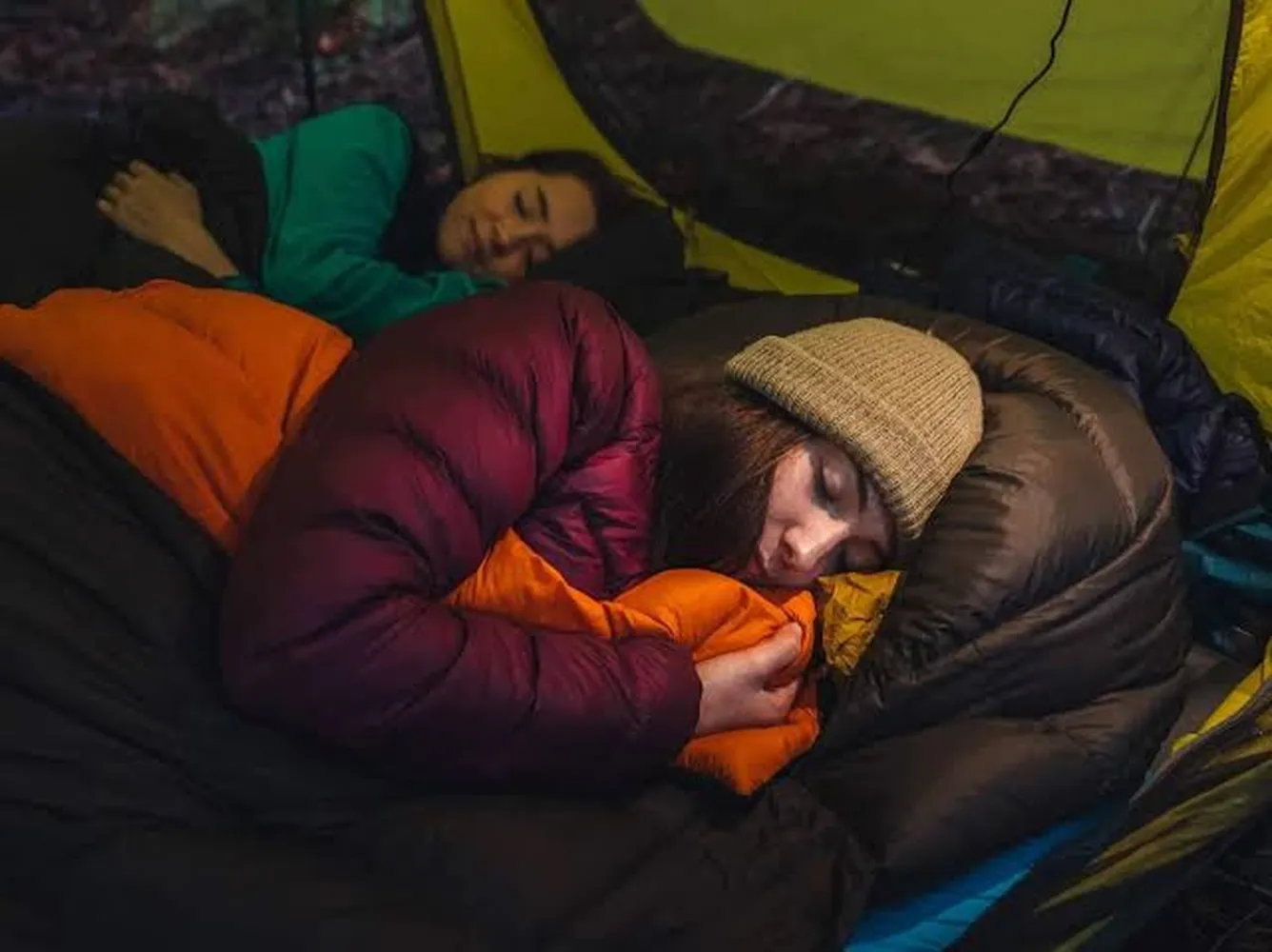
Why Your Sleeping Bag Choice Determines Your Daily Recovery and Energy at Uhuru Peak
Climbing Mount Kilimanjaro is an adventure of a lifetime, but your success hinges heavily on how well you sleep at night. Sleep is not just a luxury on the mountain; it is the core foundation of your cellular recovery and metabolic energy. At high altitudes, your body works twice as hard to maintain basic physiological functions. If you spend your night shivering, your body burns valuable glycogen stores just to generate heat, leaving you completely drained for the next day's trek. Knowing exactly how to choose the best sleeping bag for Kilimanjaro is your ultimate defense against hypothermia and exhausting, sleepless nights before reaching Uhuru Peak.
1. Deciphering Temperature Ratings: Comfort, Limit, and Extreme
When studying technical gear labels, you will encounter the standard ISO 23537 / EN 13537 temperature testing metrics. Understanding these boundaries prevents life-threatening mistakes at high camps:
- Comfort Rating: This measures the lowest temperature at which a standard female user can sleep comfortably in a relaxed position without waking up from the cold.
- Limit Rating: This defines the temperature boundary where a standard male user can sleep zipped up for eight hours curled up without shivering continuously.
- Extreme Rating: This is purely a survival limit. It denotes the temperature where a user can survive for six hours without suffering lethal hypothermia, but frostbite is still highly possible. **Never** use this metric to plan your mountain gear list.
2. Targeting the Right Temperature Range: Why You Need a -10°C to -15°C (0°F) Bag
You cannot rely on a standard three-season camping bag. Kilimanjaro demands a true four-season winter mountaineering sleeping bag. To maintain a safe internal metabolic rate, your bag must have a comfort rating down to at least **-10°C to -15°C (0°F)**.
During the summit push from high camps like Barafu or Kibo Hut, freezing winds roll directly off the glaciers, plunging tent temperatures deep into the negative digits. A 0°F bag ensures your thermal homeostasis is maintained during the critical 6 hours before your midnight summit launch.
3. Down vs. Synthetic Insulation: Warmth-to-Weight Ratios vs. Moisture Resistance
Weight limits are strictly enforced by park rangers to protect the welfare of porters. Your main duffel bag, which contains your entire sleep system, clothing, and spare gear, must not exceed 15 kg (33 lbs). This restriction makes your insulation choice critical:
- Down Insulation: Offers an unmatched warmth-to-weight ratio. A down bag with high fill power compresses into a tiny footprint inside your pack while providing superior loft. Ensure you use a secure waterproof compression sack to shield it from alpine elements.
- Synthetic Insulation: While synthetic materials still retain insulating properties if they get wet, they are notably heavier and bulkier. A synthetic bag rated for 0°F will take up double the volume of a down alternative, making it exceptionally tough to pack efficiently inside a 15kg porter duffel.
To maximize your performance on the mountain, make sure to read our detailed guide on how to train for Kilimanjaro climbing so your physical endurance matches your gear prep.
4. Evaluating Sleeping Bag Shapes: Why the Mummy Shape is Superior
When selecting your gear layout, always choose a **mummy shape** bag. Rectangular or semi-rectangular camping bags contain excess internal dead air space. Your body is forced to exhaust metabolic energy warming up this empty volume, which leads to heat drain. Mummy bags are closely contoured to human body lines, significantly accelerating thermal efficiency while minimizing overall pack weight.
How to Size Your Sleeping Bag Properly
Make sure you select the correct length. If a bag is too long, your feet will struggle to warm up the empty space at the bottom, creating a permanent cold pocket. If it is too short, your feet and head will compress the insulation against the outer fabric walls, creating instant thermal bridges where ambient frost leaks directly into your core space.
Your choice of route will also influence how many nights you spend in freezing conditions. For example, when reading a comprehensive Rongai route Kilimanjaro review or checking out the popular Machame route 7 days itinerary, you can calculate the exact number of high-altitude sleep cycles you will face.
5. Understanding Down Density and Fill Power (650 to 800+ Fill)
Fill power (FP) measures the loft and quality of the down inside your bag. It represents how many cubic inches one ounce of down can expand to fill. A 650-fill down bag requires more weight in down material to reach a 0°F rating, resulting in a heavier, thicker pack. An **800+ premium fill power** rating uses highly clustered down fibers that capture maximum micro-air pockets with minimal physical weight, giving you premium mountain warmth inside a remarkably light shell.
6. Inspecting Shell Fabrics and Essential Structural Features
The exterior architecture of your sleeping bag must withstand jagged tent platforms, internal condensation, and freezing drafts. Keep a keen eye out for the following metrics:
- Water-Resistant Ripstop Nylon: Look for shell coverings built with a durable water repellent (DWR) finish and high denier ripstop structure. This stops tearing and sheds frost or spills.
- The Draft Collar and Hood: Critical features include an insulated, adjustable draft collar that secures over your shoulders, alongside an ergonomic hood. These features seal warm air inside and prevent convective heat loss around your neck when shifting positions.
- Zipper Design: Choose heavy-duty zippers featuring integrated full-length anti-snag backing guards. A broken or stuck zipper at 15,000 feet turns your premium cold-weather gear into an open, unusable sheet.
7. Packing, Care, and Maintenance Systems
Protecting your thermal gear during daylight movements ensures it functions reliably when night temperatures drop.
Compression Sacks vs. Waterproof Dry Bags
Utilize high-strength compression sacks to reduce the bag’s storage space in your porter-carried duffel. However, compression sacks are rarely waterproof. You must line your compression system or insert your entire packed bag inside a dedicated **waterproof dry bag**. Porter duffels can get wet during intense downpours across the rainforest zone; keeping your down dry is vital for survival.
How to Clean and Maintain Your Down Bag After the Trek
Once you complete your 7-day trek, never leave your sleeping bag compressed in its small storage bag long-term. Wash it using a specific front-loading technical down cleaner, tumble dry on low heat with clean tennis balls to restore the natural loft clusters, and store it hanging or loose inside a large cotton storage sack.
8. Ground Insulation, Liners, and Layering Rules
A sleeping bag does not work efficiently in isolation. You need a complete sleep system to isolate your body from the freezing ground underneath your tent.
| Gear Component | Function | Minimum Requirement for Kilimanjaro |
|---|---|---|
| Insulated Sleeping Pad | Prevents conductive ground heat loss | R-value rating of 4.5 or greater |
| Thermal Sleeping Bag Liner | Adds warmth & keeps interior clean | Silk or fleece lining (Adds +5°C to 10°C) |
| Sleeping Garments | Regulates sweat and moisture | Single dry pair of merino wool thermals |
The Layering Paradox: Why Less Can Be More
Wearing too many bulky layers inside a mummy bag restricts blood flow and over-compresses the internal down insulation clusters, destroying the warm air pockets. Sleep in a single dry set of thin merino wool thermal base layers and thick, clean wool socks. If your feet are still cold, employ the classic mountain trick: have your camp crew fill a secure Nalgene bottle with hot boiling water, verify it doesn't leak, and drop it into the bottom of your bag before bed.
9. Environmental and Gender Factors
Your gear layout needs to scale dynamically with the specific seasons and demographics of your climb.
Seasonal Weather Realities
During the wet rainy seasons (April-May, November), ambient humidity is high, making condensation management critical. Wipe any moisture off your tent walls early to avoid dampening your sleeping bag shell. During dry seasons, dust can coat your zippers, making smooth operation and anti-snag tracks essential.
How Camp Elevations Impact Nighttime Temperatures
On day one in the montane rainforest zone, night temperatures can be a warm 60°F (15°C). You can simply keep the bag unzipped. As you advance through the Moorland and Alpine Deserts up to Barafu Camp (15,250 feet), temperatures plummet below freezing. Your sleep strategy must transition from fully vented to completely locked down with the draft collars pulled tight.
How Female Climbers Should Choose Sleeping Bags
Physiologically, women tend to sleep colder than men due to differences in metabolic rates and peripheral blood flow. When picking gear, female climbers must look strictly at the **Women's Comfort Rating** rather than the standard Lower Limit. Women's-specific sleeping bags are shorter, narrower at the shoulders, wider at the hips, and feature extra down insulation clusters around the footbox and torso areas.
10. Rent vs. Buy Analysis in Moshi & Arusha
If you do not plan on doing regular winter mountaineering or cold-weather alpine camping after your trip, buying an expensive $400+ four-season down bag may not be budget-friendly. Most reputable local tour operators in Moshi or Arusha offer professional-grade alpine sleeping bags for rent ($30–$50 for the entire trip).
If you choose to rent, perform a strict inspection at the outfitter's office before heading to the gate. Check for zipper performance, down clumping, shell tears, and structural loft density. If the bag looks flat and worn out, reject it immediately and request a replacement.
If you are still searching for a dependable crew to guide you up the mountain safely, look through our detailed breakdown on how to find the best budget Kilimanjaro tour operators without sacrificing essential safety equipment.
11. Frequently Asked Questions (FAQs) About Using Sleeping Bags on Mount Kilimanjaro
What temperature rating do I need for Kilimanjaro?
You need a four-season sleeping bag with a verified ISO/EN Comfort or Lower Limit rating between -10°C to -15°C (0°F). Cold sleepers should consider a -20°C (-4°F) bag for an extra thermal buffer.
Can I use a 3-season sleeping bag with a warm liner?
We do not recommend this. A standard 3-season bag lacks the necessary insulation density and structural draft collars to prevent cold air entry at alpine base camps above 15,000 feet.
How do I keep condensation from ruining my down bag?
Ensure your tent vents remain slightly open to facilitate airflow, and prevent your sleeping bag footbox from pressed hard against damp tent walls during the night.
Expert References and Safety Standards
According to safety documentation from the international ISO 23537 protocols, cold-induced sleep deprivation significantly accelerates acute mountain sickness (AMS). Ensuring a proper, insulated thermal environment is recognized as a vital pillar of high-altitude mountain safety.
Conclusion: Finalizing Your Sleeping Gear Setup
Choosing the right sleeping bag for Kilimanjaro comes down to securing an 800-fill down mummy bag rated to 0°F (-15°C), paired with a high R-value sleeping pad and a reliable dry bag system. By matching these components with correct layering habits, you will get the restful sleep necessary to tackle the summit push successfully. For more tips on timing your trek perfectly with the seasons, explore our expert guide on how to choose the best time to climb Kilimanjaro.