





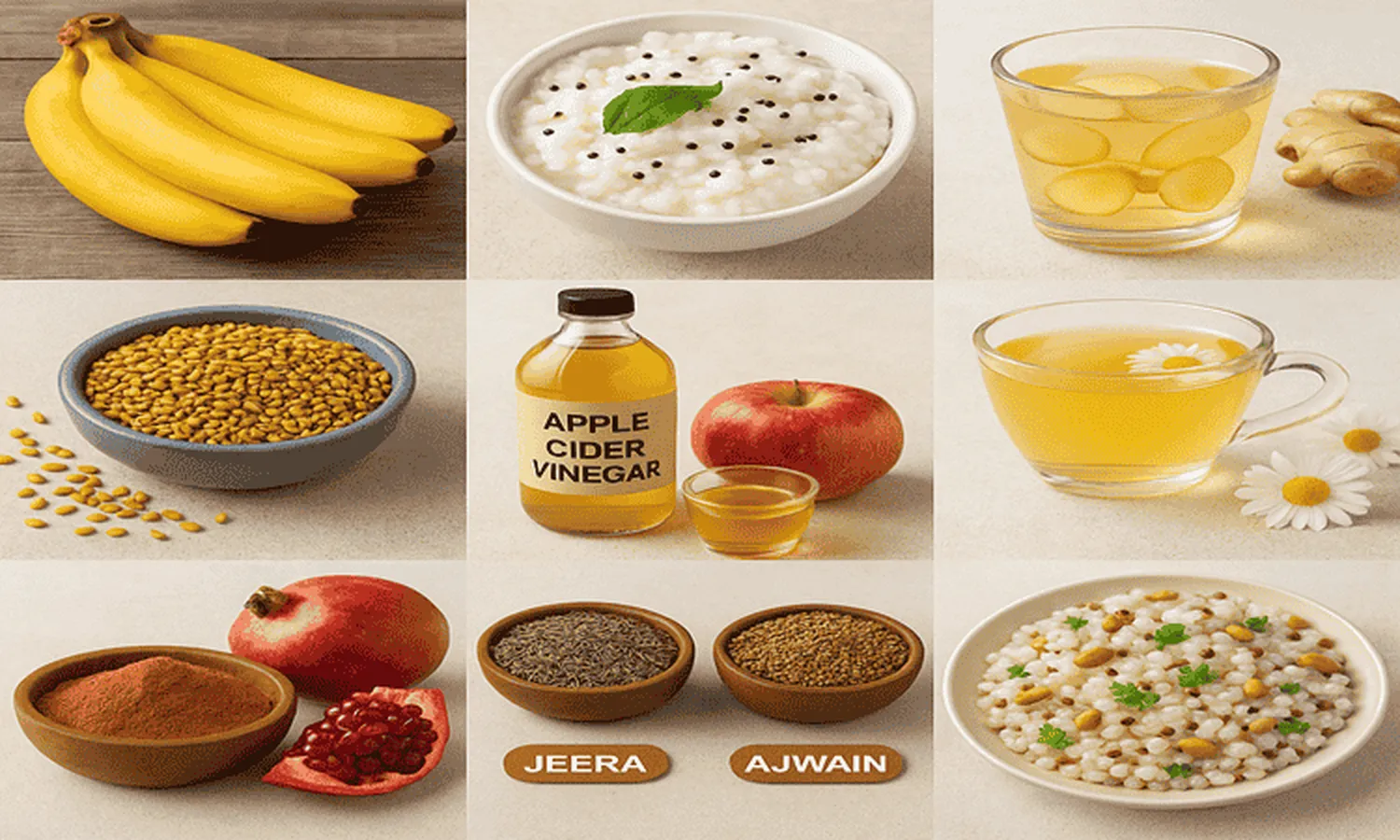
Finding out how to treat severe diarrhea and vomiting at home is vital, especially when symptoms strike suddenly. Whether it’s food poisoning or a stomach bug, the primary goal is to prevent dehydration while letting your digestive system rest. While most cases resolve within 24 to 48 hours, managing the symptoms correctly can speed up your recovery and keep you out of the emergency room.
The Golden Rule: Hydration First
When you are losing fluids from both ends, your body loses water and essential minerals called electrolytes. To stay safe, don't gulp down large amounts of water at once; this can trigger more vomiting. Instead, take small, frequent sips every 5 to 10 minutes. If you also have a temperature, you might need to know how to lower a high fever quickly to prevent further fluid loss through sweat.
Making Your Own Rehydration Solution
Plain water is often not enough for severe cases. You need a balance of salt and sugar to help your intestines absorb moisture. Learning how to make ORS (Oral Rehydration Salts) at home is one of the most effective ways to manage severe diarrhea. A simple mix of clean water, salt, and sugar can save lives.
| Component | Home Measurement |
|---|---|
| Clean Water | 1 Litre |
| Sugar | 6 Level Teaspoons |
| Salt | 0.5 Level Teaspoon |
What to Eat (and Avoid)
Once you can keep fluids down for 4 to 6 hours, you can slowly introduce bland foods. The BRAT diet is a classic recommendation:
- Bananas (rich in potassium)
- Rice (plain, white)
- Applesauce (unsweetened)
- Toast (no butter)
Avoid dairy products, caffeine, alcohol, and spicy foods until at least 48 hours after your last bout of diarrhea. If you are worried about contaminated sources, it is wise to learn how to purify drinking water at home cheaply to ensure your recovery isn't stalled by new bacteria.
Identifying Dangerous Signs
Home treatment has its limits. You should seek professional medical help immediately if you experience:
- Blood in the stool or vomit.
- Inability to keep any liquids down for 12+ hours.
- Severe abdominal or rectal pain.
- Signs of extreme dehydration (dark urine, sunken eyes, dizziness).
In adults, it can be tricky to tell when a situation turns from a simple bug to a crisis. Check out our guide on how to tell if a fever is dangerous in adults for more specific indicators of severe illness.
Preventing Future Outbreaks
Many stomach issues are preventable through hygiene. Always wash hands with soap after using the bathroom and before handling food. If you live in an area prone to outbreaks, knowing how to recognize cholera symptoms early can be a life-saving skill for your entire community.
Frequently Asked Questions
Should I take anti-diarrhea medicine immediately?
Not always. Diarrhea is often the body's way of flushing out toxins. Consult a doctor before using medications like Loperamide, especially if you have a fever or bloody stools.
How long does severe diarrhea last?
Most viral infections last 1 to 3 days. If it persists beyond this, or if you suspect bacterial causes, medical testing may be required.
Conclusion
Learning how to treat severe diarrhea and vomiting at home focuses on one main goal: maintaining hydration. By using ORS, resting, and gradually reintroducing bland foods, most people recover fully within a few days. Remember, safety comes first—if symptoms don't improve, contact a healthcare professional.