





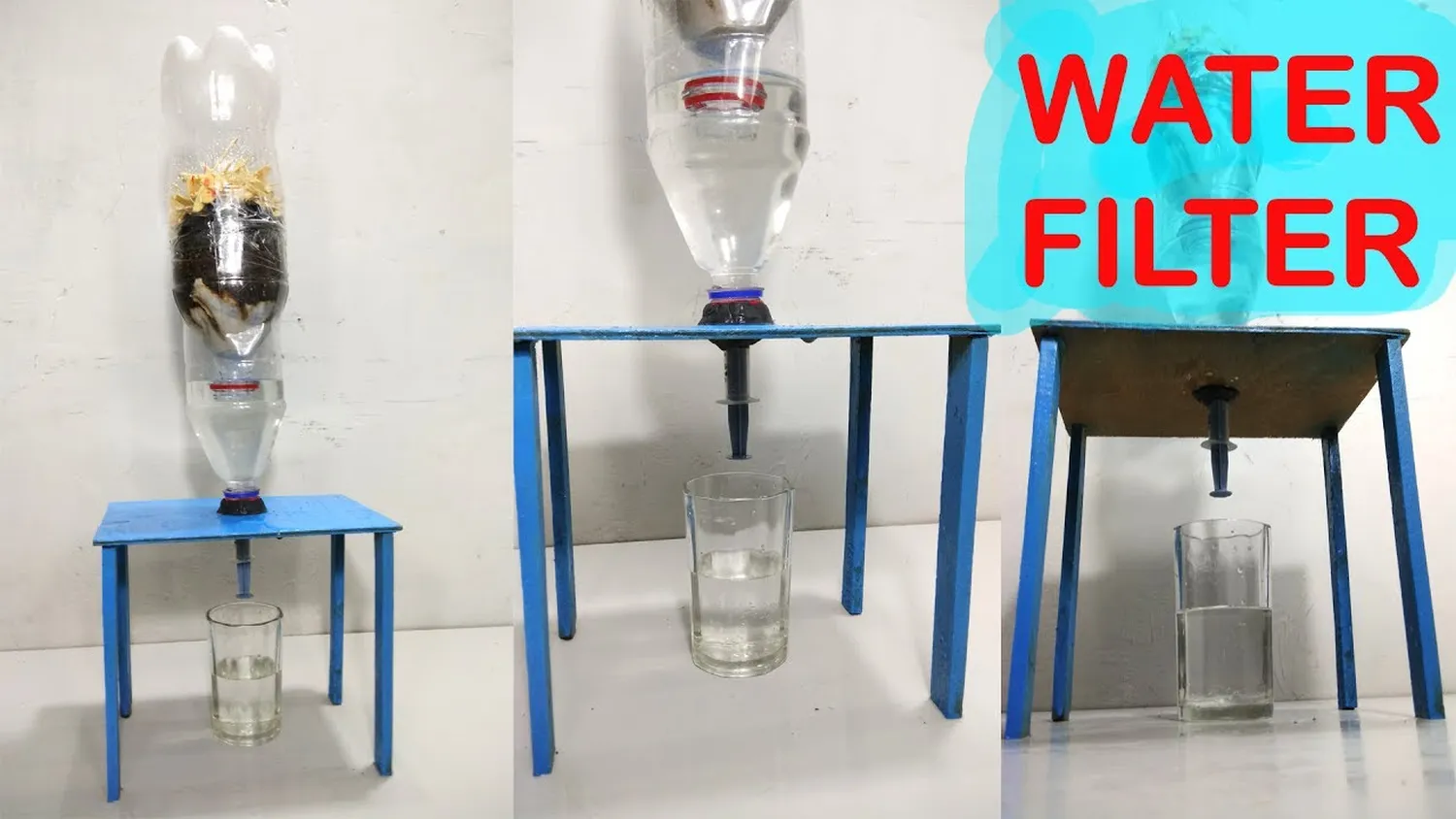
Access to safe, contamination-free drinking water is the foundation of family health. When public supply networks fail or open water sources become compromised, knowing how to purify drinking water at home cheaply protects your household from life-threatening pathogens. Unsafe water supplies harbor severe microbiological risks that can trigger sudden medical emergencies. Implementing strategic, budget-friendly treatment protocols eliminates biological vectors cleanly without requiring expensive commercial equipment.
Failing to secure your supply can lead to severe health crises. If contamination strikes your household, learning how to treat severe diarrhea and vomiting at home becomes necessary to stabilize hydration levels. In parallel, managing secondary infection signs like temperature spikes requires knowing how to lower a high fever quickly. However, prevention remains the most effective defense, and establishing reliable purification techniques completely cuts off waterborne disease transmission channels.
Primary Low-Cost Purification Methods
Transforming raw water into a safe beverage does not require high-end industrial systems. Several ancient and modern minimal-cost strategies successfully deactivate hazardous microorganisms. The Centers for Disease Control and Prevention (CDC) advocates for distinct steps depending on your available household fuel sources.
The Rolling Boil Strategy
Boiling stands as the definitive gold standard for domestic disinfection. It does not require complex technical knowledge and destroys all bacteria, viruses, and protozoa instantly. Follow these clean execution steps:
- Pour your raw water through a clean cloth or a coffee filter to trap large pieces of floating debris or mud.
- Place the cleared water into a secure pot over a stove or fire element and bring it to a continuous, vigorous rolling boil.
- Maintain this intense rolling boil for a full 60 seconds (1 minute) to ensure complete thermal breakdown of pathogens. If you reside at high altitudes above 6,500 feet, keep the boil going for a full 3 minutes.
- Allow the fluid to cool naturally in an enclosed clean container. To improve the flat taste of boiled water, shake it in a sealed bottle to reintroduce natural oxygen.
Solar Water Disinfection (SODIS)
For regions blessed with high daily sunlight, Solar Disinfection represents a completely free method. By utilizing clean, clear plastic PET bottles, you can leverage solar UV radiation to destroy microscopic pathogens. Simply fill clean bottles, shake them thoroughly to oxygenate the fluid, and place them flat on a corrugated metal roof under direct sunlight for at least 6 consecutive hours. If weather conditions are cloudy, leave the bottles exposed for 48 hours to complete the process safely.
Emergency Chlorination and Chemical Dosing
When fuel resources or sunlight are unavailable, liquid household bleach offers an exceptionally cheap alternative for large-scale disinfection. It is critical to use regular, unscented liquid chlorine bleach containing between 5% and 9% sodium hypochlorite. Do not use scented, color-safe, or splash-less formulations, as these contain dangerous chemical additives.
Understanding exact dosing ratios prevents chemical toxicity while guaranteeing structural safety. When dealing with regional disease threats, combining water safety with advanced sanitary steps helps explain how to prevent typhoid fever at home by blocking cross-contamination. Use the following precise chemical ratios to secure your daily drinking supply:
- For 1 Gallon of Clear Water: Add exactly 8 drops of unscented bleach (approximately 1/8 teaspoon).
- For 1 Gallon of Cloudy/Turbid Water: Add 16 drops of unscented bleach (approximately 1/4 teaspoon) to break through the organic interference.
- Stir and Wait: Mix the treated water thoroughly and let it stand undisturbed for a minimum of 30 minutes. A light, clean chlorine scent should be present. If no chlorine aroma is detected after 30 minutes, repeat the dose once and let it sit for another 15 minutes before consumption.
Cost and Efficiency Matrix
Selecting the best approach requires analyzing resource availability alongside target pathogen destruction rates. The table below outlines how these cheap strategies stack up in practice:
| Purification Method | Primary Cost Factor | Target Pathogens Cleared | Processing Window |
|---|---|---|---|
| Boiling | Fuel / Charcoal | Bacteria, Viruses, Parasites | 10 - 20 Minutes |
| Chlorination | Unscented Bleach | Bacteria, Viruses (Low on Cryptosporidium) | 30 Minutes |
| SODIS (Solar) | Zero (Sunlight Only) | Bacteria, Viruses, Protozoa | 6 - 48 Hours |
| Cloth Filtration | Reusable Cotton Cloth | Large Sediments, Insect Larvae Only | Instantaneous |
Disease Prevention: Outbreak Interventions
Contaminated water networks serve as the primary vector for widespread bacterial epidemics. If left unpurified, household drinking water can transmit vibrio cholerae or salmonella typhi rapidly across communities. Recognizing health threats early is critical; families should master how to recognize cholera and typhoid symptoms early to identify when clinical help is required. If dynamic fever trends emerge from seasonal exposure, checking how to tell if a fever is dangerous in adults allows families to accurately balance home treatment with urgent hospital visits.
Additionally, keeping emergency medical ingredients nearby is highly recommended. Preparing home remedies like learning how to make ORS (Oral Rehydration Salts) at home provides an immediate response framework if waterborne pathogens breach your household defenses before purification protocols are standardized.
Frequently Asked Questions (FAQs)
Does boiling water remove heavy chemical contaminants or metals?
No. Boiling safely eliminates biological pathogens such as viruses and bacteria, but it does not remove chemical contamination, pesticides, or heavy metals like lead and arsenic. In fact, boiling water for too long slightly increases the concentration of these elements as pure water vapor escapes.
Can I use regular swimming pool chlorine to purify household drinking water?
No. Swimming pool chlorine contains stabilizing chemicals, algicides, and fragrances that are toxic if ingested. Only use certified, unscented liquid household bleach containing 5% to 9% sodium hypochlorite for drinking water safety.
How long can I safely store purified water before it expires?
Purified water remains safe indefinitely if stored in thoroughly cleaned, food-grade, airtight containers. However, for open household environments, it is recommended to refresh or re-treat your storage containers every 6 to 12 months to prevent airborne bacteria from re-contaminating the supply.
Conclusion: Securing Long-Term Water Safety Affordably
Mastering how to purify drinking water at home cheaply allows you to build a resilient health shield for your family without straining your budget. By combining basic sediment filtration with boiling, targeted chlorination, or solar treatment, you create a powerful defense against waterborne illnesses. Always store your purified water in clean, covered containers to maintain its quality and ensure a safe, healthy household environment.