





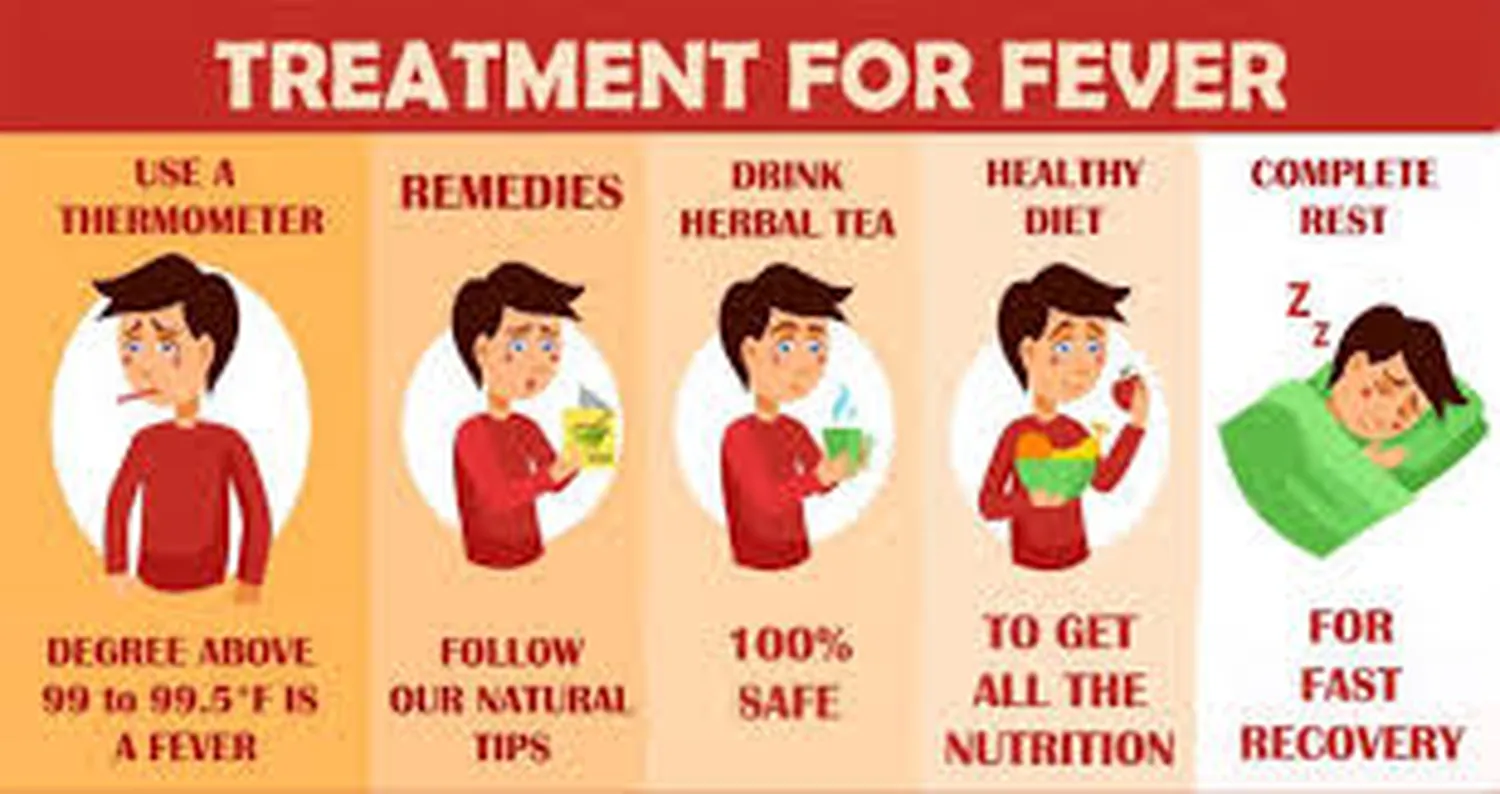
Running a high temperature can feel incredibly alarming, but knowing exactly how to lower a high fever quickly can bring rapid physical relief and prevent dangerous medical escalations. A fever itself isn't a disease; rather, it is a defensive immune response deployed by your biological thermostat—the hypothalamus—to neutralize foreign invaders. However, when a fever climbs too high, managing it comfortably becomes an absolute priority. This empirical guide maps out the safest, fastest strategies to cool your body down using proven pharmacological targets and physical methods.
Understanding the context of your illness is equally valuable. For instance, if your elevated temperature is accompanied by systemic fluid loss, learning how to treat severe diarrhea and vomiting at home can help you address the root complications simultaneously.
Understanding High Fevers
Before jumping directly into clinical remedies, it helps to identify what your thermometer is telling you. According to the Centers for Disease Control and Prevention (CDC), a standard human core body baseline rests around 98.6°F (37°C). A true fever triggers once you surpass 100.4°F (38°C). While a moderate spike safely speeds up your body's defenses, higher temperatures require deliberate intervention to ease stress on your cardiovascular and neurological systems. For clear safety limits regarding age groups, it is crucial to understand how to tell if a fever is dangerous in adults before initiating heavy self-treatment.
1. Medical Interventions for Rapid Relief
The most systematic, dependable method to reduce an elevated baseline quickly is through over-the-counter (OTC) antipyretic medications. These work internally by actively blocking cyclooxygenase (COX) enzymes, which stops the production of prostaglandin E2—the specific lipid compounds that signal your hypothalamus to raise its internal setting.
- Acetaminophen (Tylenol): Excellent for direct temperature control and full-body pain reduction. Always follow packaging guidelines precisely to safeguard liver function.
- Ibuprofen (Advil/Motrin): A potent nonsteroidal anti-inflammatory drug (NSAID) that effectively tackles systemic swelling alongside fever suppression. This class is typically tougher on an empty stomach but offers longer sustained relief windows.
Clinical Safety Reminder: Never combine multiple medications or alternate doses without specific direct instructions from a licensed pediatrician or healthcare professional, particularly when managing young children.
2. Physical Cooling Methods That Work
Physical cooling techniques target the exterior surface of your skin to promote heat dissipation through evaporation and conduction. When used alongside proper medications, these steps can safely accelerate your comfort.
- Lukewarm Compresses: Dampen clean washcloths in comfortable, room-temperature water. Apply them directly across highly vascular structural zones like the forehead, underneath the arms, and around the groin lines where major blood vessels run closest to the skin layer.
- The Evaporative Effect: Avoid heavy layers or thick winter blankets. Strip down to a single layer of breathable cotton apparel and rest under a light sheet. This lets ambient air current carry away radiant heat escaping your skin naturally.
- Ambient Ventilation: Keep the room well-ventilated, keeping indoor temperatures balanced roughly between 68°F and 72°F (20°C to 22°C) to facilitate cooling without forcing your body to shiver.
3. Essential Hydration Guidelines
As your internal temperature ticks upward, your metabolic rate spikes significantly. This causes your body to shed crucial hydration through heavy sweating and accelerated respiration. If you do not quickly replace this lost fluid, your system struggles to drop its temperature, locking you into a cycle of worsening symptoms.
To stay balanced, prioritize clear liquids, diluted fruit juices, or mineral broths. If you don't have access to clinical electrolyte packets during an emergency stomach bug, you can easily read up on how to make ORS (Oral Rehydration Salts) at home using precise, standard kitchen measurements. Boosting your baseline fluids supports your kidneys, cleans out biological waste, and stabilizes your blood pressure during recovery. Once your acute symptoms fade, keeping your immune system resilient is key to preventing future illnesses. Taking proactive steps like learning how to boost immune system fast can help defend your body against future viral or bacterial attacks.
Fever Thresholds & Actions
The compact table below displays standardized clinical tracking baselines for adults, along with clear recommended actions for each range:
| Fever Range | Classification | Recommended Action |
|---|---|---|
| 98.7°F – 100.3°F | Normal / Low-grade | Observe closely; prioritize rest and continuous hydration. |
| 100.4°F – 102.9°F | Moderate Fever | Administer OTC antipyretics; utilize lukewarm washcloths. |
| 103.0°F or Higher | High Fever | Initiate active cooling; contact a physician if it persists over 48 hours. |
Dangerous Mistakes to Avoid
When trying to lower a high fever quickly, using incorrect methods can unintentionally drive your core temperature higher or cause secondary medical issues. Avoid these three dangerous mistakes:
- Ice Baths and Cold Shock: Submerging yourself in freezing water or packing ice packs around your skin causes your peripheral blood vessels to clamp shut instantly. This locks heat deep inside your vital organs and triggers violent shivering, which actually raises your core temperature.
- Alcohol Rubdowns: Rubing isopropyl alcohol onto the skin is an outdated, dangerous practice. The skin absorbs the toxins rapidly, and breathing in the fumes can lead to serious neurological issues or alcohol poisoning.
- Aspirin Risks for Children: Never give aspirin to children or teenagers running a fever. It is linked to Reye’s syndrome, a rare but life-threatening condition that causes severe swelling in the liver and brain.
Frequently Asked Questions (FAQs)
How can I lower a fever instantly without medicine?
You cannot drop a fever instantly without medication, but you can speed up natural cooling. Apply lukewarm cloths to your forehead and underarms, rest in a cool room, wear lightweight clothing, and drink cool liquids to help your body shed heat through evaporation.
Can I use cold water or ice baths to stop a fever?
No. Cold water or ice baths cause violent shivering, which is the body's natural way of generating heat. This can dangerously raise your core temperature while constricting blood vessels and trapping heat inside your vital organs.
When does a high fever become dangerous?
A fever is generally considered dangerous in adults if it reaches 103°F (39.4°C) or higher and does not respond to medication, or if it stays elevated for more than three days. Seek immediate emergency care if it is accompanied by a stiff neck, confusion, difficulty breathing, or severe chest pain.
Conclusion: Safe Management Beats Panic
Lowering a high fever quickly is all about balancing the right over-the-counter medications with safe physical cooling methods. By keeping your environment cool, staying consistently hydrated, and using medications like acetaminophen or ibuprofen responsibly, you can comfortably manage most fevers at home. Always listen to your body, monitor your symptoms closely, and consult a qualified healthcare provider whenever a high temperature stays elevated or causes concern.