





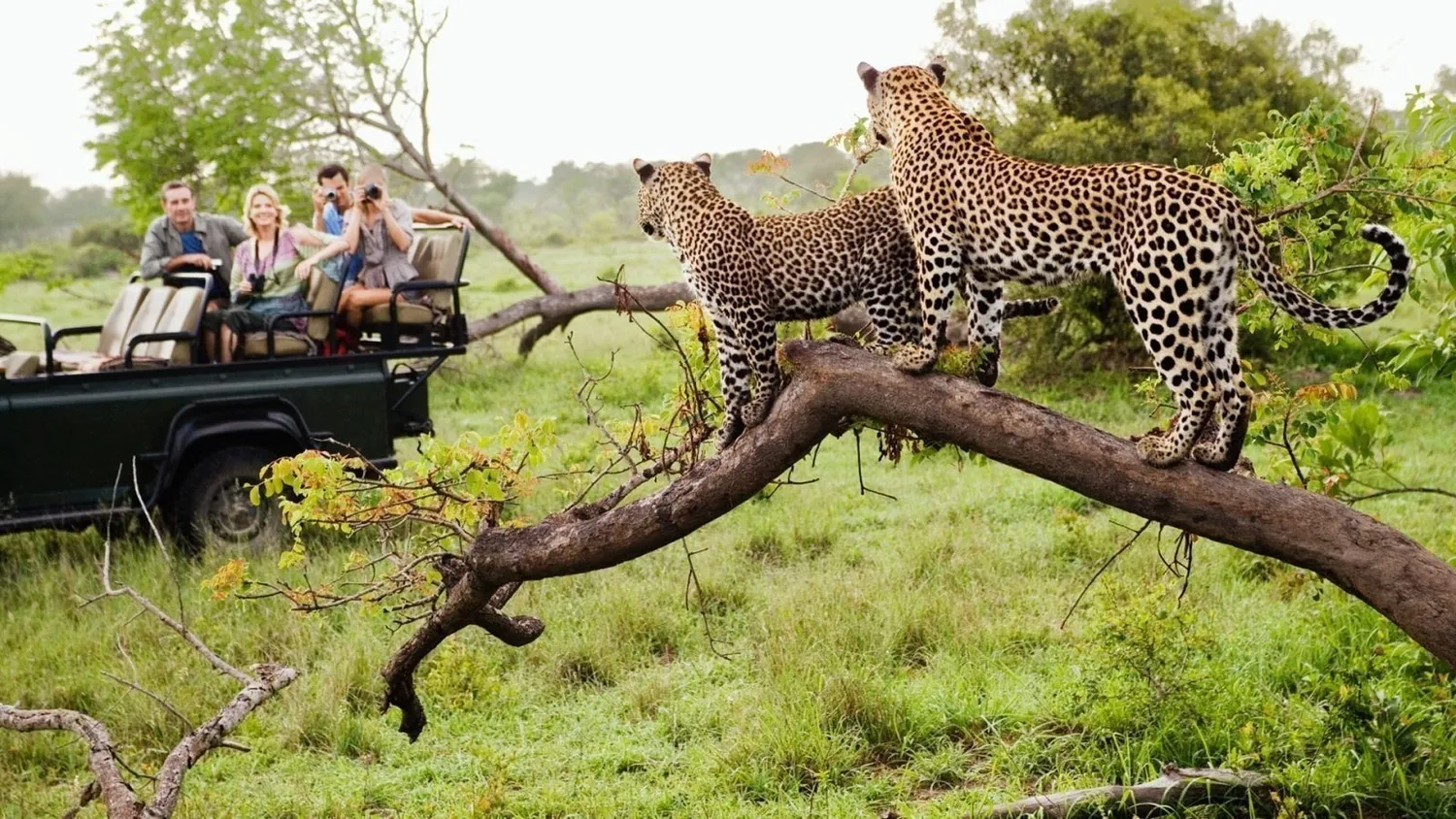
Introduction: The Secrets of Tracking Africa's Most Elusive Big Cat
Tracking the African leopard (Panthera pardus pardus) in the wild is widely regarded as one of the most thrilling and complex wildlife experiences in Africa. Masterfully solitary, highly intelligent, and perfectly camouflaged, leopards possess an incredible ability to blend into their surroundings—often hiding in plain sight just meters away from an unsuspecting safari vehicle. While lions and cheetahs often roam open savannahs, leopards prefer dense cover, thick riverine woodlands, and elevated tree branches, making them a true challenge for safari enthusiasts.
If your goal is learning how to track leopards in Central Serengeti in 7 days, you have selected the premier location in Africa. The Central Serengeti—centered around the world-famous Seronera River Valley—is globally recognized by wildlife biologists and professional field guides as having one of the highest densities of resident leopards on the continent. The region's unique geographical blend of permanent watercourses, lush umbrella acacias, ancient sausage trees, and dramatic granite kopjes creates an optimal habitat for these solitary predators.
However, simply visiting the Central Serengeti is not enough to guarantee high-quality, memorable sightings. Success requires a deliberate, strategic blueprint. Dedicated tracking over a 7-day period gives you the perfect operational window: it allows you to understand specific leopard territories, read subtle animal behaviors, utilize natural alarm networks, and explore high-density river circuits at the right times of day.
Throughout this comprehensive 7-day field guide, we break down every technical aspect of leopard tracking in the Seronera region. You will learn how professional guides read animal alarm calls, scan dense tree canopies, analyze fresh footprints (spoor), navigate specialized river loops, and structure a day-by-day expedition designed to deliver successful, intimate big-cat encounters.
1. Why Central Serengeti is Leopard Central
Central Serengeti's Seronera region is globally recognized as the ultimate hotspot for leopard research and high-probability viewing. Unlike open short-grass plains in the south where lions dominate or the rolling hills of the north, Central Serengeti is defined by interconnected perennial watercourses. These include the Seronera River, Wandamu River, Ngarenanyuki River, and Makoma Drainage System.
These permanent water sources support thick corridors of umbrella acacias (Acacia tortilis), fever trees (Vachellia xanthophloea), and majestic sausage trees (Kigelia africana). These specific tree species provide sturdy, broad horizontal limbs that allow leopards to haul heavy prey up into the canopy—keeping their kills safe from competing carnivores like spotted hyenas, lions, and jackals.
Furthermore, because water is available year-round in Seronera, large populations of resident prey species remain in the area permanently. Animals such as impalas, dik-diks, waterbucks, and bushbucks do not migrate, meaning female leopards can establish stable, lifelong territories spanning 10 to 25 square kilometers, while larger dominant males hold overlapping territories up to 50 square kilometers.
If you are coordinating this specialized tracking safari as part of a broader Northern Circuit itinerary, understanding how to structure your travel time is crucial. You can read our detailed guide on how to plan a 7 day tarangire serengeti ngorongoro trip to combine Central Serengeti with other world-class parks smoothly.
Looking for Qualified Local Tracking Guides?
Discover how to connect with top-tier local safari operators in Arusha and Moshi who employ elite big-cat trackers.
2. Anatomy of Central Serengeti Leopard Territories
To successfully master how to track leopards in Central Serengeti in 7 days, safari-goers must learn to analyze the landscape through the eyes of a predator. A leopard chooses its territory based on three critical components: secure resting branches, dense hunting thickets, and elevated observation posts.
Key Habitat Features to Search:
- Sausage Trees (Kigelia africana): Characterized by long, heavy sausage-shaped fruit and thick, sprawling branches. These trees provide cool, shaded daybeds and ideal platforms for caching impala carcasses.
- Yellow-Fever Acacia Groves: Located along river edges, these yellow-barked trees offer excellent camouflage for a resting leopard, blending perfectly with their rosette-spotted coat.
- Granite Kopjes: Rock formations such as Masai Kopjes, Moru Kopjes, and Makoma Kopjes act as natural lookouts. Leopards utilize these high granite rocks to catch morning sunlight and scan surrounding plains for prey.
- Dry Riverbed Thickets: Dense brush along gullies provides ideal cover for stealth ambushes against visiting antelopes.
3. Core Field Tracking Techniques Used by Top Guides
Simply driving randomly along main safari roads will rarely produce exceptional leopard encounters. Professional Tanzanian field guides rely on a sophisticated combination of visual, auditory, and environmental tracking signals:
1. Deciphering Natural Alarm Calls: Animals in the Serengeti constantly monitor predator movements. When a leopard moves, prey species sound distinct warning alarms. Listen for the sharp, staccato chatter of vervet monkeys, the loud "WA-HOO" bark of olive baboons, and the high-pitched rattling cry of helmeted guineafowl. Moving directly toward these alarm calls leads to active leopards in over 60% of field attempts.
2. The "Hanging Tail & Paw" Visual Technique: Leopards lie completely flat on thick tree branches to escape midday heat. To spot them, do not look for the entire cat body; instead, scan tree limbs for a hanging tail, a dangling leg, or a dangling prey carcass hanging in a tree fork.
3. Reading Track Spoor in Sandy Soils: Early mornings are ideal for finding fresh tracks along dirt roads and dry riverbeds. A leopard track shows four toe pads without claw marks (unlike dogs or hyenas) and features a distinct three-lobed main heel pad. Following fresh tracks heading toward river banks narrows your search radius down to specific trees.
Understanding Safari Fees & Budgets
Get a full breakdown of TANAPA park fees, conservation charges, and vehicle permits for a 7-day Serengeti tour.
4. Master 7-Day Central Serengeti Leopard Tracking Blueprint
Day 1: Arrival in Seronera & Reconnaissance Circuit
Arrive in Central Serengeti via Seronera Airstrip or overland from Karatu. Spend your first afternoon executing a slow reconnaissance drive along the main Seronera River loop. Map out key sausage tree clusters and identify active prey concentrations. If you fly into the park, check out our guide on how to prepare for fly-in luggage limits on a 6 day safari to manage strict bush plane baggage limits for heavy camera gear.
Day 2: Seronera River South & Central Loops
Depart camp before sunrise (06:00 AM). Patrol the southern banks of the Seronera River at slow speeds (15–20 km/h). Leopards frequently descend from their roosts at dawn to drink water before the heat sets in. Carefully examine horizontal limbs of yellow-fever acacias for cached nocturnal kills.
Day 3: Makoma Hill & Makoma River Drainage
Head west toward Makoma Hill and the surrounding grassland drainage channels. Makoma is famous for territorial female leopards hunting impalas along the valley edges. Spend several hours scanning rock ledges and checking dense shade pockets beneath river bushes.
Day 4: Masai Kopjes & Retima Corridor
Start your day early around Masai Kopjes, checking granite boulders for cats absorbing early morning sunlight. By mid-morning, track north along the Ngarenanyuki River toward Retima. The riverbanks between Retima and Seronera feature dense tree canopy cover holding multiple overlapping leopard territories.
Day 5: Deep Exploration of Wandamu River Valley
The Wandamu River corridor south of Seronera experiences lower vehicle traffic than the main Seronera loop. Drive slowly along Wandamu’s sandy bed, listening carefully for baboon alarm calls. Leopards here are known for hauling heavy prey up steep, balance-defying river trees.
Day 6: Moru Kopjes Excursion & Rocky Outcrops
Take a dedicated day trip south toward Moru Kopjes. While Moru is renowned for black rhinos and lion prides, its candelabra euphorbia trees and granite boulder fields host shy leopards. Check under thick euphorbia shade where cats rest away from midday heat. If you are interested in spotting rare wildlife during this trip, read our specialized guide on how to track rhino during a 6 day luxury safari.
Day 7: Final Dawn Crepuscular Patrol & Departure
Execute a final early morning patrol (06:00–08:30 AM) along your highest-performing river loop from earlier in the week. Re-checking a known leopard’s core territory often yields a final encounter of the cat returning from a night hunt before heading to the airstrip for your onward flight.
5. Central Serengeti Leopard Hotspots Comparison
This quantitative matrix compares the primary tracking zones in Central Serengeti based on habitat type, sighting success rates, and optimal vehicle positioning hours:
| Zone | Key Habitat Feature | Success Rate | Optimal Tracking Hours |
|---|---|---|---|
| Seronera River Loop | Sausage & Acacia Trees | 88% (Very High) | 06:00 AM – 08:30 AM |
| Makoma Drainage | Dense Riverine Thickets | 75% (High) | 16:30 PM – 18:30 PM |
| Wandamu River Valley | Sandy Watercourse | 70% (Medium-High) | 06:30 AM – 09:00 AM |
| Masai Kopjes | Granite Boulders | 62% (Medium) | 06:00 AM – 07:30 AM |
6. Best Months for Leopard Tracking in Seronera
Leopard tracking is productive year-round in Central Serengeti because prey populations are resident. However, seasonal weather patterns significantly influence visibility and vegetation cover:
- Dry Season (June to October): Vegetation thins out dramatically, tall grass dries up, and water sources dry up everywhere except main riverbeds. Leopards concentrate tightly along the Seronera River, making this the single best period for clear, uninterrupted tracking and photography.
- Green Season (November to May): The landscape becomes vibrant and lush, providing leopards with dense camouflage. However, newborn impala fawns (November to December) spark intense hunting activity along open valley margins, providing thrilling hunting sightings.
When booking your safari vehicle and accommodation, working with licensed operators and well-located camps makes a huge difference. Learn how to check if a tanzanian safari company is officially registered and licensed to ensure safety and quality, and explore how to select reliable mobile luxury tented camp safaris in the serengeti for optimal camp positioning near prime river circuits.
Comparing Safari Quotes and Pricing?
Learn how local safari operator prices compare against international travel agencies for 7-day itineraries.
7. Frequently Asked Questions (FAQs)
Why is Central Serengeti the best place to track leopards?
Central Serengeti (Seronera) features dense riverine networks, abundant year-round resident prey like impalas and dik-diks, and massive sausage trees that offer ideal leopard habitat and resting platforms.
How many days are needed to guarantee seeing a leopard in Central Serengeti?
While wildlife sightings are never 100% guaranteed, spending 7 full days strictly focused on Central Serengeti leopard river circuits yields a tracking success rate exceeding 90% for multiple sightings.
What time of day are leopards most active in Seronera?
Leopards are crepuscular and nocturnal predators. They display their highest levels of walking, hunting, and tree-climbing activity during dawn (06:00–08:30 AM) and dusk (17:00–18:30 PM).
Do I need a private 4x4 safari vehicle to track leopards effectively?
Yes, hiring a private vehicle is strongly recommended. It gives you the flexibility to stay at a leopard sighting for hours without rushing, change routes instantly when alarm calls sound, and drive river loops at slow, optimal speeds.
References & Supporting Resources
- Tanzania National Parks Authority (TANAPA) - Official TANAPA Conservation Tariffs & Park Rules
- Serengeti Wildlife Research Institute (SWRI) - Big Cat Population Density & Ecosystem Studies
- East African Wildlife Society (EAWLS) - Field Tracking Standards & Wildlife Conservation
Conclusion: Master How to Track Leopards in Central Serengeti in 7 Days
Mastering how to track leopards in Central Serengeti in 7 days goes far beyond a standard safari game drive—it is an immersive, highly rewarding field expedition into the secret world of Africa’s most solitary big cat. Over a dedicated 7-day period in the iconic Seronera Valley, you transition from a passive tourist into an active bush tracker. You learn to read subtle environmental signs, interpret complex track footprints (spoor) in sandy riverbeds, and decode the frantic alarm calls of baboons, vervet monkeys, and guineafowl echoing through the riverine canopy.
A full 7-day itinerary provides the necessary operational window to study leopard behavior across changing light conditions and temperatures. From early dawn patrols when leopards return from nocturnal hunts to late afternoon crepuscular sweeps as they prepare to stalk prey, this structured timeframe dramatically increases your odds of witnessing rare behaviors. You gain the time and flexibility required to observe dramatic moments: a leopard hauling a heavy impala kill high into a sausage tree, a female teaching her cubs stealth hunting techniques, or a dominant male patrolling and scent-marking his territorial boundaries along the river loops.
The key to ultimate success lies in a combination of patience, high-powered optical gear, and working alongside elite local field guides who know every bend of the Seronera, Wandamu, and Ngarenanyuki rivers. Central Serengeti remains the premier location on Earth for reliable, high-density leopard encounters. By following this expert 7-day field tracking blueprint, you will return with unforgettable memories, deep field knowledge, and world-class wildlife photography that standard safari-goers rarely experience.
Looking to Capture Professional Wildlife Photos?
Discover expert photography techniques, ideal telephoto lens selection, and optimal vehicle positioning for 7-day Serengeti big-cat tracking.
"In the vast wilderness of the Serengeti, leopards are never truly hidden—they are simply waiting for those who know where to look and how to listen to the whispers of the bush."