





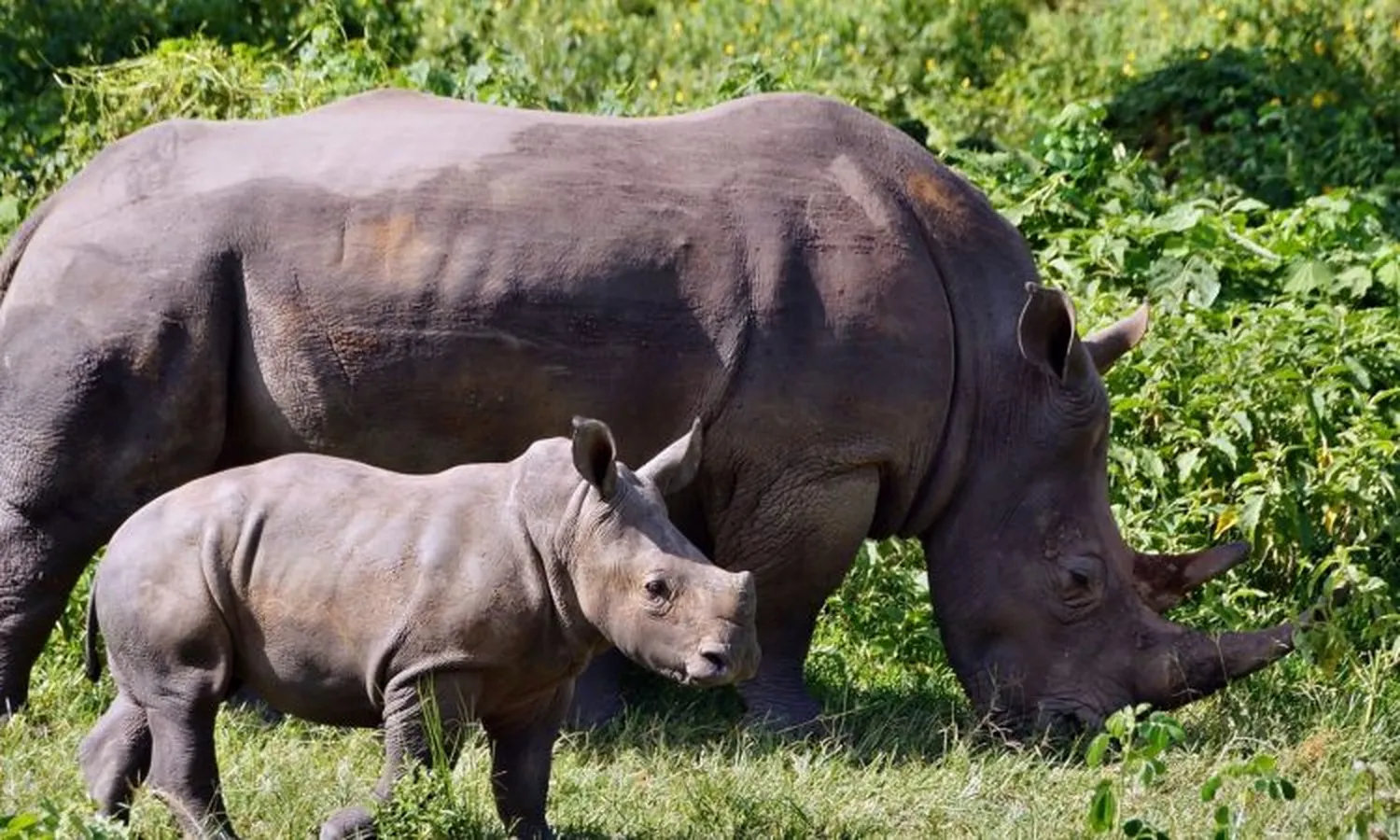
Tracking the critically endangered black rhino is one of the most exclusive, thrilling wildlife pursuits on earth. With less than 6,500 black rhinos left in the wild, finding them requires strategy, patience, and elite local expertise. When booking a high-end African expedition, knowing how to track rhino during a 6 day luxury safari can dramatically increase your chances of seeing these rare, prehistoric giants up close while enjoying five-star accommodations.
Why Rhino Tracking requires a Specialized Approach
Unlike elephants or buffaloes, which roam in large, highly visible herds across open plains, rhinos are solitary, secretive, and deeply territory-bound. Embarking on a luxury safari without a dedicated tracking strategy is like looking for a needle in a haystack.
To successfully locate these prehistoric giants within a tight 6-day window, you must transition from a passive tourist to an active observer. This requires a profound understanding of their evolutionary biology, unique habitat preferences, and behavioral adaptations. Let us delve into the core reasons why locating wild rhinos demands a highly specialized, scientific approach compared to any other member of the African "Big Five."
The Black Rhino (Diceros bicornis)
A critically endangered browser. Hooked-lipped, highly aggressive when startled, and natively bound to dense, impenetrable acacia woodlands and thick scrublands. They rarely show themselves in the open.
The White Rhino (Ceratotherium simum)
A square-lipped grazer. Significantly larger but generally calmer. They congregate in small social structures called "clashes" and prefer open savannah grasslands, making them slightly easier to track but still highly elusive.
During an elite private expedition, your guide and tracking team do not drive aimlessly. Instead, they operate on a complex matrix of active telemetry, geographical mapping, territorial habits, and physical spoor interpretation. Because rhinos have excellent hearing and sense of smell but incredibly poor eyesight (they cannot clearly distinguish a human standing still more than 30 feet away), the physical approach must be calculated down to the wind direction.
1. Sensory Mechanics: Wind Direction & Silent Approaches
Because a rhino’s defense mechanism relies entirely on scent and sound detection, trackers must constantly monitor wind direction. A single gust of wind blowing your human scent toward a thicket can trigger an immediate flight-or-fight response from a black rhino up to several hundred meters away. Elite guides carry small puff-bottles of fine ash or talcum powder to test wind currents continuously.
2. Territorial Chemistry: Decoding Rhino Middens
Both black and white rhinos communicate through a highly complex chemical network using communal defecation areas known as middens. A master tracker reads these middens like a morning newspaper:
- Identifying the Species: White rhino dung consists almost entirely of digested grasses (fine fibers). Black rhino dung contains woody twigs, branches, and thorns chopped at a clean 45-degree angle by their sharp premolars.
- Assessing Freshness: By breaking open a dung ball, a tracker checks its core temperature and moisture. Warm, wet dung indicates a rhino passed through within the last 30 to 45 minutes, meaning they are within immediate striking distance.
- Understanding Demographics: Fresh scrapings around the dung heap indicate a dominant bull asserting his territorial boundaries, signaling to trackers to exercise extreme caution on foot.
3. The Ecological Blueprint of the Afternoon Shallows
Rhinos have thick but remarkably sensitive skin. Lacking sweat glands, they are highly prone to overheating under the intense African sun. To combat this, their tracking coordinates change drastically by midday. They migrate toward deep mud wallows, natural springs, or rivers. The mud acts as a natural cooling system, a physical shield against aggressive biting flies, and a heavy sunblock. Trackers map these mud wallows beforehand, knowing they represent key bottlenecks where rhinos must emerge during high temperatures.
Pro Tracker's Secret:
"Look for the polished barks. Rhinos have rubbing posts—usually sturdy fallen acacia trees or rocks near wallows where they scrape off dried mud and ticks. If the bark of a tree looks glossy and worn, a rhino has rubbed against it within the past 24 hours. Check the bark closely for caught coarse body hairs to identify if it was a black or white rhino."
4. Anti-Poaching Intelligence and Telemetry
Modern luxury safaris do not operate in a vacuum. The security of these highly endangered animals is managed by armed anti-poaching units (APUs) and conservation rangers. In high-end reserves like Lewa or private concessions in the Serengeti, rangers utilize satellite-linked GPS tracking collars fitted directly into the rhino’s horn or ankle cuffs. While this data is strictly confidential to protect the animals from poachers, luxury safari operators collaborate closely with these conservation teams, obtaining safe, ethical, and monitored access to areas where rhinos are known to be residing on that specific day.
Elite African Destinations for Rhino Tracking
Planning is key to tracking. Your 6-day luxury safari must focus on highly secure sanctuaries or protected national parks with reliable resident populations. Below are the premier spots in East and Southern Africa:
- Ngorongoro Crater, Tanzania: A natural 600-meter-deep volcanic caldera housing roughly 50 highly protected black rhinos. The flat grassland basin makes it the absolute easiest place in East Africa to spot them.
- Moru Kopjes (Serengeti), Tanzania: Home of the Serengeti Rhino Project, where heavily armed rangers safeguard a fragile population among iconic rocky outcrops.
- Lewa Wildlife Conservancy, Kenya: A world-class private conservation sanctuary holding over 10% of Kenya’s black rhino population, allowing intimate guided walking safaris.
- Sabi Sands / Greater Kruger, South Africa: Offers unmatched luxury lodges paired with dense populations of both black and white rhinos.
Step-by-Step: How to Track Rhino on Safari
For the elite traveler, a safari is not merely a sightseeing tour; it is an active, cerebral pursuit. If you want to stand shoulder-to-shoulder with senior guides and tribal trackers, you must master the scientific tracking protocol.
Tracking a prehistoric mammal weighing up to two tons through the African wilderness requires a systematic combination of sensory awareness, botanical knowledge, and ancient bushcraft. It is a slow, thrilling, and highly rewarding process of piecing together microscopic clues left behind in the dust, on the branches, and in the air. Below is the exact, step-by-step tactical framework utilized by professional rangers to locate wild rhinos safely and ethically.
1. Execute Early Morning Descents (6:00 AM – 8:30 AM)
Rhinos are nocturnal and crepuscular, meaning their primary feeding, socializing, and moving occur during the pitch-black night and the dim light of twilight. The moment the equatorial sun rises and temperatures climb past 24°C (75°F), their thick, hairless skin becomes highly vulnerable to intense heat and sunburn. By 9:00 AM, they retreat deep into impenetrable thickets like the Lerai Forest in Ngorongoro Crater or dense acacia woodlands in the Serengeti.
To successfully catch them in transition, your custom 4x4 safari vehicle must clear the lodge gates at the absolute first light of dawn (exactly 6:00 AM). During these golden hours, rhinos can still be found grazing in open savannah clearings, dew-covered meadows, or along the edges of forested zones before they disappear into the shadows for the rest of the day.
2. Identify and Measure Fresh Rhino Spoor (Footprints)
The ground beneath you is a living canvas of information. When looking for rhino tracks (known professionally as spoor), your tracking team scans for very specific physical signatures that distinguish them from other megafauna like elephants or hippos. A rhino footprint is instantly recognizable by its clover-like shape featuring three prominent, rounded toes with a broad, indented rear heel pad.
By analyzing the sharp definition of the toe impressions and the shifting of loose soil or sand within the track, a master tracker can determine exactly how long ago the animal passed by. If the edges of the track are sharp, moist, and free of wind-blown debris or insect trails, the animal is highly likely within a 1-kilometer radius, signaling the team to slow down and prepare for visual contact.
3. Analyze Sap and Broken Vegetation (Browsing Marks)
Because black rhinos are strict browsers, they feed on woody shrubs, thorny acacia bushes, and succulent plants. As they move through the dense bush, they leave behind highly distinctive feeding signatures that act as directional markers for trackers:
- The 45-Degree Pruning Cut: Unlike elephants, which roughly rip, shred, and splinter branches, rhinos use their sharp, scissor-like premolar teeth to slice through branches. They leave behind a perfectly clean, diagonal 45-degree angle cut on twigs up to 2 cm in diameter.
- Deciphering Sap Freshness: When a branch is freshly bitten, the exposed inner wood remains moist and light in color. Trackers touch the cut surface to feel if the sap is still wet or sticky. If the sap has dried, oxidized, or turned dark brown, the rhino fed there several hours prior. If the sap is still actively bleeding, the animal is incredibly close.
- Height of the Browse: The height at which the branches are clipped helps trackers distinguish between a black rhino (browsing up to 1.8 meters high) and smaller antelopes or giraffes.
4. Listen for Sentinel Alarm Systems (Oxpecker Alerts)
Often, the wilderness will give you an acoustic warning long before your eyes register a physical shape. Rhinos share a mutualistic relationship with the Red-billed and Yellow-billed Oxpeckers (known in Swahili as "Askari wa Kifaru"—the Rhino's Guards). These small, highly vocal birds hitchhike on the backs of rhinos, feeding on ticks, horseflies, and dead skin cells.
Because rhinos have notoriously poor eyesight, they rely on these feathered sentinels to warn them of approaching predators or humans. If an oxpecker detects movement, it emits a series of sharp, dry, chattering alarm calls ("shrr-shrr") while fluttering vertically into the air above the bush. When you hear this distinct avian warning pattern in a quiet woodland, freeze, check your wind direction, and scan the base of the thicket immediately.
Tactical Tracking Safety Note:
"If you are tracking on foot and hear oxpeckers alarm-calling directly ahead of you, immediately stop and locate a climbable refuge tree. A startled black rhino can accelerate from a standstill to 55 km/h (34 mph) in a matter of seconds, and they charge blindly toward the source of any unfamiliar scent or sound."
5. Follow Mud Trails and Wallow Runoffs
Wallowing is a vital daily ritual for rhino thermoregulation and skincare. When a rhino emerges from a muddy pool, it carries wet, heavy clay on its hide. As it walks away, this mud slowly drips onto the grass blades, leaves, and low-hanging branches along its path.
Trackers look for these wet mud smears on the vegetation. By measuring the height of the mud rubs on tree trunks, a tracker can instantly estimate the physical size, height, and gender of the rhino. If the mud rubbed onto a tree trunk is still damp to the touch, it indicates that the animal has just completed its bath and is currently moving slowly to find a shady spot to rest and digest its morning meal.
6. Execute the Final Approach (Scent and Sight Integration)
The final 100 meters of the track is the most critical phase where absolute silence and spatial awareness are non-negotiable. At this stage, your lead tracker will signal the entire group to move in a strict, single-file line, placing each foot exactly in the footprint of the person ahead to eliminate stepping on dry twigs or rustling leaves.
Every three to four steps, the guide will stop, use a wind-powder pouch to confirm the wind is still blowing directly into their faces (keeping their scent away from the rhino), and use high-end binoculars to scan the deep shadows beneath the acacia canopy. You are not looking for a whole rhino; you are looking for a single out-of-place geometric shape—the curve of a gray back, the twitch of an ear, or the silhouette of a prominent horn against the green leaves.
2. Learn to Read Rhino Spoor (Tracks)
A true tracking master looks at the ground first. Rhino footprints are highly distinctive:
- Shape: A clear, rounded clover-like footprint showing three prominent toes.
- Indentation: Deep heel-pad pressure. A heavy mature adult weighing 1,000 to 1,400 kg leaves a deep compression even in dry soils.
- Scent Markings: Bull rhinos scrape their hind feet through their dung piles (middens) to distribute their scent along paths. Look for scraped soil patches alongside fresh tracks.
3. Search for Sentinel Species (Oxpeckers)
Sometimes you will hear a rhino before you see it. Red-billed and yellow-billed oxpeckers (hissing birds) spend their lives clinging to the thick skin of rhinos, eating ticks and parasites. If you hear their sharp, chattering alarm calls coming from a dense bush, scan the area immediately with your binoculars.
4. Scan Eco-Tones and Watering Holes
Rhinos must drink water daily and enjoy wallowing in mud to protect their sensitive skin from sunburn and biting flies. Focus your binoculars on muddy banks, natural spring wallows, and transitional edges where forest meets open grasslands.
Recommended Gear & Field Checklist
Having high-performance optics and protective clothing is critical when searching for elusive species in low-light conditions. Here is the ultimate luxury safari tracking gear list:
| Essential Gear | Specifications | Primary Tracking Purpose |
|---|---|---|
| Binoculars | 10x42 Magnification, HD Glass | Scanning long distances across crater floors and dense treelines. |
| Camera Lens | 100-400mm or 500mm Telephoto | Capturing clear details without encroaching on the animal's space. |
| Apparel | Khaki, beige, or dark green linen | Blending into the natural bush; bright white or blue scares wildlife. |
| Footwear | Ankle-high leather trail boots | Safe foot placement during active walking safaris. |
Perfect 6-Day Luxury Rhino Tracking Itinerary
To maximize your tracking success while maintaining the absolute pinnacle of luxury and comfort, we recommend this private, masterfully paced 6-day itinerary focusing strictly on Northern Tanzania's elite conservation zones.
This exclusive journey is custom-engineered for travelers who want to balance high-stakes wildlife tracking with five-star wilderness living. Every transfer is handled via private aviation, and every game drive is led by a gold-level certified safari guide paired with a local tribal tracker. Prepare to immerse yourself in the natural habitats of East Africa's last remaining black rhinos while enjoying world-class hospitality, premium spa treatments, and exquisite fine dining under the stars.
Day 1: Arrival & Flight to Ngorongoro Highlands
Your ultra-luxury safari begins the moment you touch down at Kilimanjaro International Airport (JRO). A private airport representative will meet you on the tarmac, fast-track you through VIP customs and immigration, and escort you to your waiting executive turboprop charter flight. As you take off, enjoy stunning aerial views of Mount Kilimanjaro and Mount Meru before descending toward the Lake Manyara Airstrip.
Upon arrival, your private, high-spec 4x4 safari land cruiser awaits. You will be transferred up the lush, winding roads of the Great Rift Valley escarpment into the misty volcanic highlands of the Ngorongoro Conservation Area. Check into an iconic ultra-luxury lodge perched precariously on the very edge of the crater rim. Spend your afternoon relaxing on your private deck as clouds float beneath you, followed by an intimate evening briefing over a curated 5-course gourmet dinner paired with premium African wines. Your lead guide will outline the tracking strategy for the morning descent.
Day 2: Full Day Rhino Tracking in Ngorongoro Crater
Awake to the aroma of freshly brewed Tanzanian coffee delivered to your suite before dawn. At exactly 6:00 AM, descend 600 meters down the steep, forested crater walls onto the ancient volcanic caldera floor. Because early morning is when the crater's resident black rhinos are actively grazing before the equatorial sun intensifies, getting an early start is critical to your tracking success.
Your tracker will direct the vehicle toward the Lerai Forest edge and the open grasslands surrounding Lake Magadi. This unique caldera basin is one of the very few places on Earth where you can see the rare black rhino standing alongside massive tuskers, prides of lions, and thousands of wildebeests. Enjoy a decadent, white-tablecloth hot bush breakfast served in a highly secure, scenic location on the crater floor. Spend the rest of the day analyzing tracks and observing the interactions of these massive mammals in their natural, enclosed amphitheater before ascending back to your lodge for evening spa treatments and fireside cocktails.
Day 3: Transfer to Central Serengeti (Moru Kopjes)
After a leisurely gourmet breakfast, depart the volcanic highlands and enjoy a scenic game drive through the rolling hills of the Malanja Depression, passing traditional Maasai homesteads (bomas). Enter the vast, endless plains of the Serengeti National Park. Your destination is the legendary Moru Kopjes region in the Central Serengeti—a dramatic landscape of massive, ancient granite rock formations rising out of the flat grasslands.
Moru Kopjes is not only visually stunning but also serves as the primary sanctuary for the highly protected Serengeti black rhino population. Check into a luxurious, secluded tented camp tucked organically among the kopjes, offering panoramic views of the migration corridors. In the late afternoon, embark on an exploratory game drive around the base of the kopjes, scanning the rocky ledges for resting leopards and the thick acacia valleys for the distinct, dark silhouettes of territorial bull rhinos.
Day 4: Behind-the-Scenes Ranger Tracking Experience
Today offers a highly exclusive, once-in-a-lifetime opportunity to witness active conservation in action. After an early breakfast, you will meet with the dedicated rangers of the Serengeti Rhino Project. Under strict security protocols, you will accompany specialized rangers and guides on a high-stakes, behind-the-scenes tracking patrol.
Learn firsthand how modern conservationists protect these critically endangered creatures from poaching threats. You will observe how rangers use advanced telemetry equipment to pick up radio signals from transmitters embedded safely inside the rhinos' horns. Watch as your tribal tracker reads the physical terrain, pointing out fresh footprints, territorial dung middens, and snapped acacia branches. This immersive experience offers a profound, educational look at the immense physical efforts and technological innovations required to keep the wild rhino populations alive in the modern age.
Day 5: Balloon Safari & High-End Bush Wallows
At 5:00 AM, you will be transferred to a nearby launch site for a spectacular sunrise hot-air balloon safari. As the balloon gently inflates and lifts off into the cool dawn air, watch the Serengeti wake up below you. Float silently over winding riverbanks, acacia woodlands, and massive herds of wildlife. From this unique aerial vantage point, you might spot rhinos returning to their dense thickets from their nightly watering holes.
Upon landing on the open plains, celebrate with a traditional champagne bush breakfast prepared by an executive chef. In the afternoon, embark on a relaxed game drive targeting the major watering holes and mud wallows where rhinos gather to cool down during the heat of the day. As the sun sets, casting a golden glow over the savannah, toast to your incredible journey with a private, luxury sundowner cocktail setup in the middle of the wilderness, followed by a romantic candlelit dinner under the canopy of the African stars.
Day 6: Final Game Drive & Private Charter Departure
Enjoy one final, early morning game drive to catch the magnificent Serengeti predators on their morning hunts and to say farewell to the majestic landscape. Look out for any remaining members of the "Big Five"—including the elusive leopard and the buffalo—resting in the morning dew. Return to camp for a lavish, multi-course brunch before packing your bags.
Your private safari vehicle will transfer you to the Seronera Airstrip, where your executive charter aircraft awaits to fly you directly back to Arusha Airport or Kilimanjaro International Airport (JRO). A private lounge and day-use suite will be provided for you in Arusha to freshen up, relax, and enjoy a final meal before your international flight back home, carrying memories of an unforgettable luxury tracking adventure.
Frequently Asked Questions (FAQs)
What is the difference between tracking black and white rhinos?
Black rhinos are browser species with a hooked upper lip for eating woody bushes; they are solitary, highly defensive, and live in dense forests. White rhinos have square lips designed for grazing grass, are generally calmer, and live in open savannahs in larger family groups.
Is it safe to track rhinos on foot?
Yes, but only in private concessions and when accompanied by highly experienced, armed professional rangers. Safe viewing distances of at least 20 to 30 meters must be strictly maintained at all times, as rhinos can charge at high speeds if startled.
Why are safari vehicles not allowed to drive off-road to see rhinos?
Strict conservation laws protect fragile safari soils and nesting grounds. Off-road driving causes extreme land degradation, destroys native plants, and stresses sensitive endangered species like the black rhino, which require calm environments to thrive.