





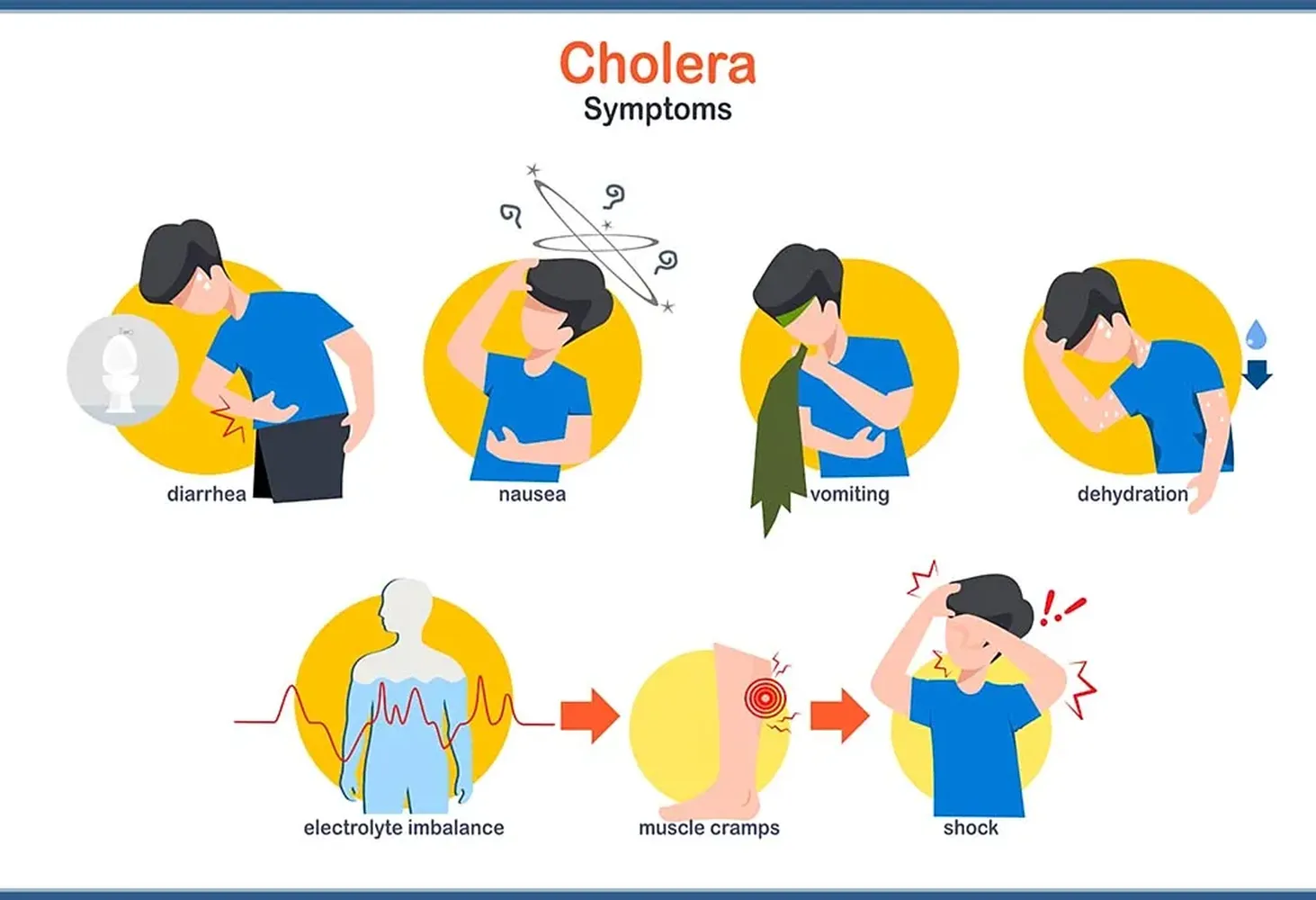
Cholera is a rapid-acting bacterial infection caused by the bacterium Vibrio cholerae. Because it can cause death within hours if left untreated, knowing how to recognize cholera symptoms early is the most critical step in survival. While many people may have mild or no symptoms, about 10% of infected individuals will develop severe disease. If you live in an area with poor sanitation, you should also learn how to purify drinking water at home cheaply to prevent the onset of infection.
Key Early Warning Signs of Cholera
Symptoms typically appear 2 to 5 days after exposure to contaminated water or food. However, in high-intensity cases, they can appear in as little as 12 hours. The "classic" early signs include:
- Painless Watery Diarrhea: Unlike typical food poisoning, cholera diarrhea often starts suddenly and is not usually accompanied by abdominal cramps.
- "Rice-Water" Stools: The stool is pale, milky, and flecked with mucus, looking very similar to the water used to rinse rice.
- Frequent Vomiting: This usually occurs early on. If it persists, you must know how to treat severe diarrhea and vomiting at home while you prepare to visit a clinic.
- Leg Cramps: A direct result of rapid electrolyte loss.
Recognizing Severe Dehydration
In cholera, it is the massive loss of fluids that leads to shock and death. Monitoring for dehydration is vital. Use the table below to check severity levels:
| Sign | Early/Mild | Severe Danger |
|---|---|---|
| Thirst | Increased | Extreme/Inability to drink |
| Eyes | Normal | Deeply Sunken |
| Skin | Elastic | Goes back very slowly |
| Urination | Slightly less | None (Anuria) |
Cholera vs. Normal Diarrhea
Distinguishing cholera from standard stomach bugs is crucial. Regular diarrhea often involves a bit of pain and happens a few times a day. Cholera is explosive; an adult can lose up to 1 liter of fluid per hour. Because it moves so fast, a high temperature isn't always present initially, but if it is, knowing how to lower a high fever quickly can provide temporary comfort during transport to the hospital.
Who Is at Most Risk?
While anyone can catch cholera, certain groups are more likely to succumb to early symptoms. These include children under five, elderly patients, and those with weakened immunity. If you fall into this category, it is wise to learn how to boost immune system fast through nutrition and hygiene habits to build a first line of defense.
Immediate Steps After Recognition
If you or a loved one shows these signs, do not wait for a laboratory confirmation. Time is your enemy.
- Start ORS Immediately: This is the single most important step. If you are far from a pharmacy, learn how to make ORS at home using simple salt and sugar.
- Seek Professional Help: Go to a cholera treatment center (CTC) immediately. Severe cases need IV fluids.
- Isolate and Sanitize: Ensure the patient’s waste is handled with care to prevent a household outbreak. This also helps prevent typhoid fever at home, as they share similar transmission routes.
Statistical Fact: According to the WHO, roughly 80% of cholera cases can be successfully treated with just Oral Rehydration Salts (ORS) if caught in the early stages.
Early recognition isn't just about spotting a symptom; it's about acting before the body enters a state of shock. By keeping a close eye on the "rice-water" stools and taking immediate action, you can turn a potentially fatal situation into a manageable recovery.