





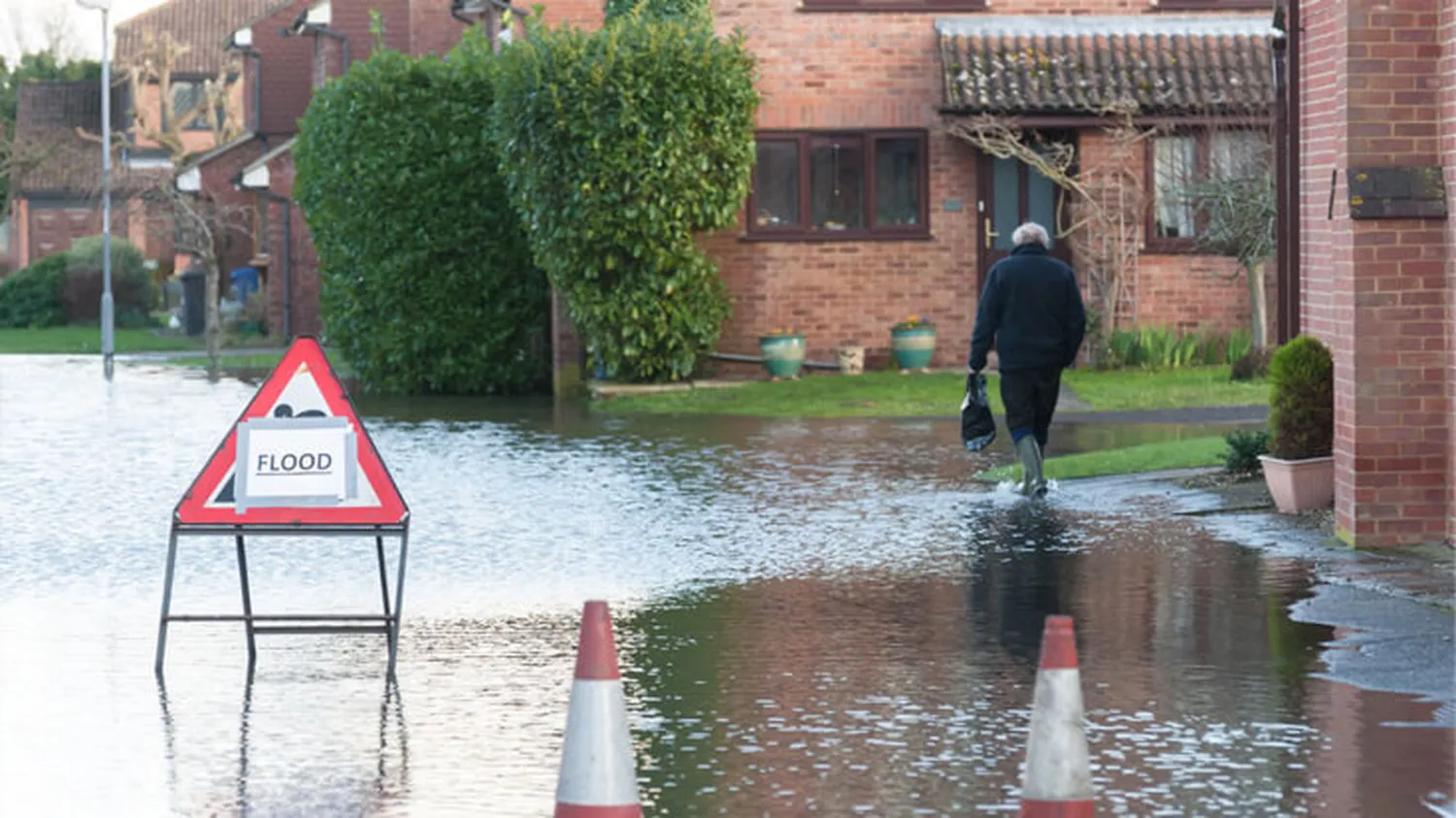
Mastering how to protect your house from flash floods is vital as unpredictable weather systems trigger intense, fast-moving downpours across residential communities. Unlike slow-rising river overflows, a flash flood can overwhelm local drainage setups within minutes, sending heavy sheets of water directly toward your basement and living rooms. By introducing mechanical blockades, adjusting exterior yard grading, and waterproofing masonry pathways, you can insulate your asset from water intrusion. This structural guide offers deep actionable engineering tactics to build a secure barrier around your property lines.
1. Dynamics of Instant Surface Runoff
Sustaining structural safety during cloudbursts requires knowing how fast-moving storm accumulation moves around a building layout. Flash flooding creates extreme hydrostatic pressure, pushing water directly through solid concrete blocks and crawlspace frames. When large storm currents hit local streets, your home foundation must act as a self-contained dam to resist these forces.
Understanding these landscape dynamics changes your safety plan completely depending on the storm type. For example, if you contrast this structural defense with other major seasonal storms, like discovering how to prepare your home for a category 5 hurricane, the tactical focus shifts. While tropical cyclone safety demands securing roof ties and windows against extreme high-velocity wind loads, flood defense concentrates entirely on lower surface walls and checking beneath slab elements to block pooling water streams.
| Defense Method | Operational Benefit |
|---|---|
| Dry Waterproofing | Seals the exterior shell up to 3 feet |
| Sewer Check-Valve | Blocks reverse wastewater line backup |
| Positive Grading | Directs surface flow away from walls |
2. Waterproofing the Foundation Shell
The primary way to protect low-elevation spaces is by building an unbroken seal around your outer masonry. Concrete looks solid but is porous, meaning it absorbs water over time. High external groundwater forces water through tiny hairline cracks, which can flood finished basement floors and destroy interior insulation boards.
To implement long-term structural barriers, use these steps:
- Apply Hydraulic Cement to Seams: Inspect all interior basement walls and chisel out active leaks or settlement cracks. Pack those gaps tightly with heavy hydraulic cement, which expands as it dries to block fast-moving water pathways.
- Coat Exterior Walls with Elastomeric Membranes: Dig down around your outer foundation to expose the footings. Clean the masonry surfaces and paint on a thick, rubberized waterproofing compound to prevent damp soil from bleeding into living zones.
- Seal Exterior Openings and Low Vents: Fit clear, heavy-duty polycarbonate covers tightly over low window wells. Run a bead of high-grade commercial silicone sealant around all utility wire conduits entering through lower wall structures.
Just as you must seal your foundation walls to withstand rising water levels, you should also learn how to navigate bad driving conditions if storms hit while you are traveling. If an emergency forces you out into a severe storm, review our manual on how to drive safely in heavy fog conditions. This helps you manage poor visibility on the road and spot flooded road sections early enough to turn around safely.
3. Installing Check-Valves and Sump Submersibles
When municipal storm main systems overload from flash rainfall, they create an immense backup pressure inside public pipes. This pressure forces water backward, sending contaminated sewer lines directly up through your home’s toilets, sinks, and floor drains. Preventing this requires installing heavy mechanical check-valves on your main plumbing connections.
A gate check-valve allows home waste to flow out smoothly but uses a floating flapper disc that seals shut instantly if water pushes back from the street. Alongside backflow valves, run a dual-pump submersible sump system in your lowest floor pit. The main alternating-current pump handles regular pooling, while a secondary heavy-duty pump hooked up to a dedicated deep-cycle battery storage bank takes over if the primary system fails.
Operating these electrical safety tools demands careful attention to power grid stability. If severe weather downs nearby utility lines, check our guide on how to prepare for a major power outage in winter to keep backup generators and critical pump configurations running safely without creating indoor carbon monoxide risks.
4. Active Barriers and Landscape Grading
Long-term protection relies on proper yard grading. Soil should always slope away from your foundation walls at a drop of at least six inches over the first ten feet. This slope ensures water flows naturally toward street channels rather than pooling against your siding.
For temporary, fast-acting protection when water rises quickly, use heavy-duty sandbags or modern water-activated flood barriers across low door thresholds. To learn more about setting up these perimeter defenses, review the official safety handbooks provided by the Federal Emergency Management Agency (FEMA), which detail how to build stable, overlapping sandbag pyramids that hold up against moving currents.
If you need to evacuate or step outside to adjust your barriers during severe weather, watch for changing sky patterns. If flash floods are accompanied by high lightning strikes, check our safety guide on how to stay safe during a severe thunderstorm to protect yourself from lighting strikes while managing emergency tools outdoors.
5. Frequently Asked Questions
What is the fastest way to block incoming flash flood water?
Stack heavy-duty commercial sandbags in an overlapping pyramid pattern across your doors, or lay down self-inflating, water-activated polymer barrier tubes to quickly seal off vulnerable paths.
Will a standard sump pump run if the neighborhood loses power?
No, standard sump pumps require main grid power. To keep your system running during an outage, you must connect it to a dedicated 12-volt backup battery bank or an external standby generator.
Can I use waterproof paint to stop active basement wall leaks?
Waterproof paint can block minor moisture, but it cannot stop active leaks caused by high hydrostatic pressure. You must patch those deeper structural wall cracks with expanding hydraulic cement first.