





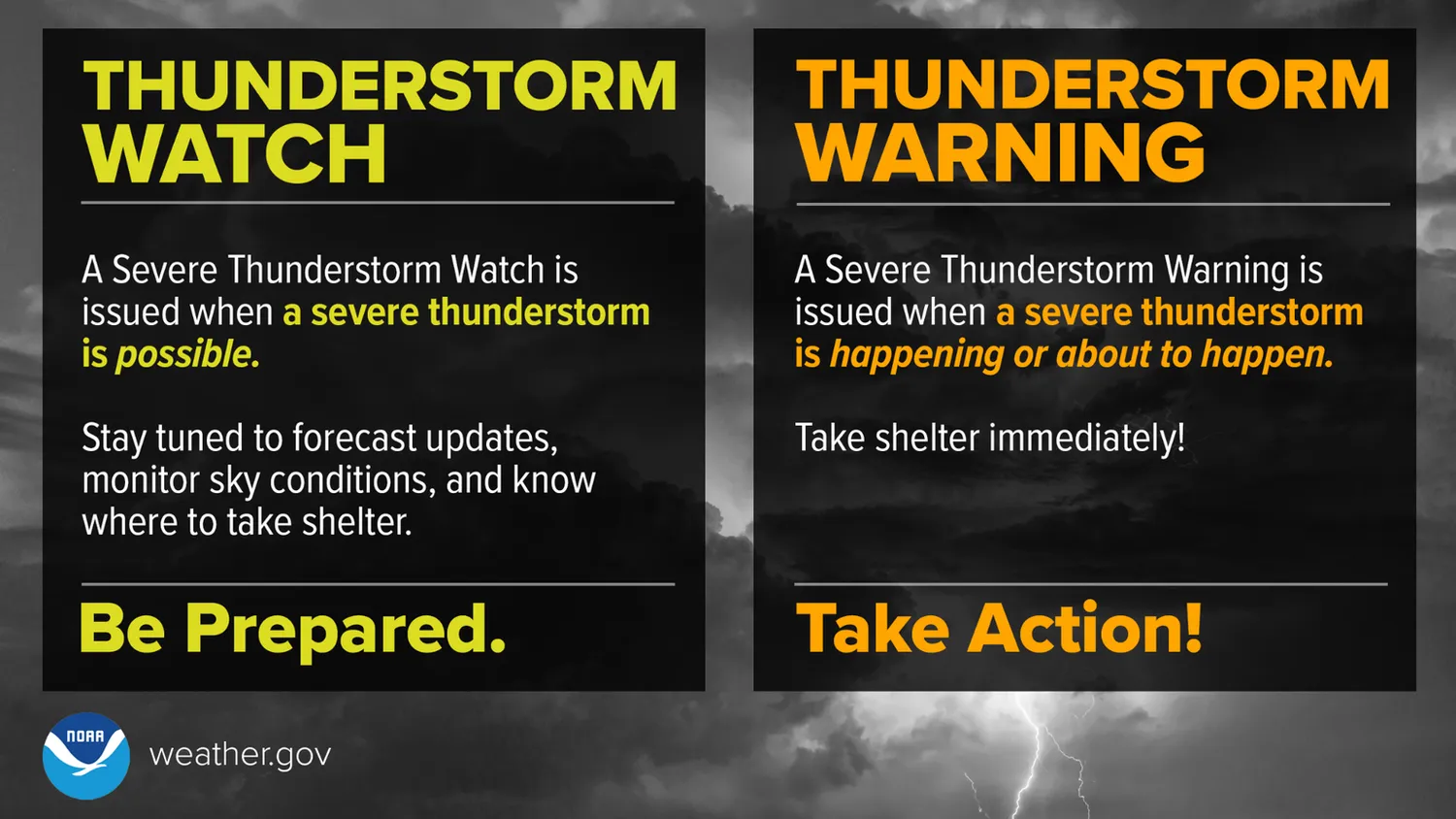
Severe thunderstorms bring far more than simple rain showers; they generate volatile microbursts, destructive hail, and deadly cloud-to-ground lightning arcs. Annually, atmospheric turbulence causes extensive residential destruction and presents severe physical hazards to unprepared individuals. Learning exactly how to stay safe during a severe thunderstorm is a critical survival skill. This operational safety framework details standard emergency routines for indoor, outdoor, and vehicular scenarios to protect your family from volatile atmospheric conditions.
1. Critical Indoor Protection Protocols
Seeking shelter within a permanent building is the primary defensive response when convective atmospheric conditions collapse. However, structural walls alone do not eliminate internal electrical grounding pathways. Lightning currents regularly utilize domestic infrastructure, running along utility cables, metallic structural columns, and domestic plumbing lines.
To maintain absolute safety inside, avoid using corded telephones or touching stationary hardware connected to the electrical grid. Unplug computers, entertainment systems, and heavy kitchen appliances before the storm peaks to isolate them from high-voltage surges. Furthermore, completely avoid running water. Do not wash dishes, use sinks, or take showers during active lightning cells, as water and metallic pipes are prime conductors. For comprehensive domestic protection against secondary storm hazards, homeowners should also review guidelines on how to protect your house from flash floods to secure basement areas from rushing runoff.
2. Managing Vehicle Hazards on the Road
If an electrical storm strikes while you are driving, your vehicle acts as a protective Faraday cage, redirecting lightning current around the steel exterior body shell and safely grounding it into the pavement. This natural defense only works if your vehicle features a fully enclosed metal roof; soft-top convertibles offer zero protection.
When severe weather limits visibility, follow these vital steps:
- Pull Off Safely: Signal carefully and exit the active lanes of the highway. Park safely on a wide shoulder, put on your emergency brake, and switch on your hazard lights.
- Isolate Electrical Contact: Keep all windows rolled up tight. Keep your hands resting comfortably in your lap and avoid touching metal window frames, ignition columns, or external radio inputs.
- Assess Surrounding Hazards: Never park directly underneath tall power lines, fragile highway sign boards, or old tree canopies that could snap under heavy wind loads.
If wind vectors accelerate violently, the environment can transition rapidly. Drivers should understand the critical differences highlighted in our companion piece on how to survive a tornado if you are in a car, as extreme tornadic funnels demand immediate structural evacuation rather than riding out the storm inside the cabin. Additionally, if the system drops temperatures drastically, having an established guide on how to build a winter emergency kit for your car ensures you have emergency blankets if you are stranded on the roadside.
3. Emergency Outdoor Lightning Survival Tactics
Being caught out in the open during an electrical storm is an absolute worst-case scenario. There is no safe place outdoors when lightning flashes. If you hear thunder, you are close enough to the core cloud column to be struck by a sudden side flash or ground current.
Critical Outdoor Warning: Never seek shelter under isolated trees, metal picnic canopies, or open wooden pavilions. These structures act as natural lightning rods, attracting primary strikes and generating deadly lateral discharges along the ground surface.
If you cannot find a permanent building or enclosed car, look for a low-lying ravine or a uniform valley away from exposed high ground. Execute the emergency lightning squat position: drop down low, bring your feet close together, tuck your chin toward your chest, and cover your ears. Minimizing your physical height while keeping your surface contact point tiny prevents ground electricity from traveling up through your body core.
4. Severe Convective Storm Classification and Metrics
According to official metrics managed by the National Oceanic and Atmospheric Administration (NOAA), a standard thunderstorm is formally classified as severe when it meets specific damage-producing benchmarks. The table below details these quantitative safety thresholds.
| Hazard Element | Severe Threshold Metric | Primary Operational Risk |
|---|---|---|
| Convective Winds | ≥ 58 mph (50 knots) | Topples utility poles, shatters glass, compromises structural roofs. |
| Large Hail | ≥ 1.00 inch diameter | Cracks windshields, dents vehicles, causes severe blunt force injuries. |
| Cloud Lightning | Continuous discharges | Triggers residential fires, downs trees, causes immediate cardiac arrest. |
When systemic convective wind fields knock out regional infrastructure grids, electrical blackouts can persist for days. Preparing your home infrastructure beforehand using the instructions outlined in how to prepare for a major power outage in winter or storm seasons keeps your family supplied with backup power, emergency LED lighting, and stable communications.
5. Frequently Asked Questions
How far away can lightning strike from the main rain column?
Lightning bolts can travel horizontally up to 10 to 12 miles away from the main storm core, striking areas under completely clear blue skies. These events are commonly termed "bolts from the blue."
Can I safely use a laptop plugged into a wall surge protector during a storm?
No. While modern surge protectors guard against minor everyday voltage fluctuations, they cannot stop the multi-million volt energy surge of a direct lightning strike. Unplug your laptop completely and run it on internal battery power.
What should I do if someone near me is struck directly by lightning?
Call emergency services immediately. Victims do not retain an electrical charge and are safe to touch. Check for a pulse and breathing, and begin immediate CPR or use an AED if the individual is unresponsive.
Conclusion: Maintaining Constant Vigilance
Proactive situational tracking is your best tool for managing seasonal weather patterns. Keep a battery-powered weather alert radio active, map out your closest indoor shelter spaces ahead of time, and respect the natural power of lightning discharges. Implementing these standard safety protocols keeps you and your family safe during intense convective events.