





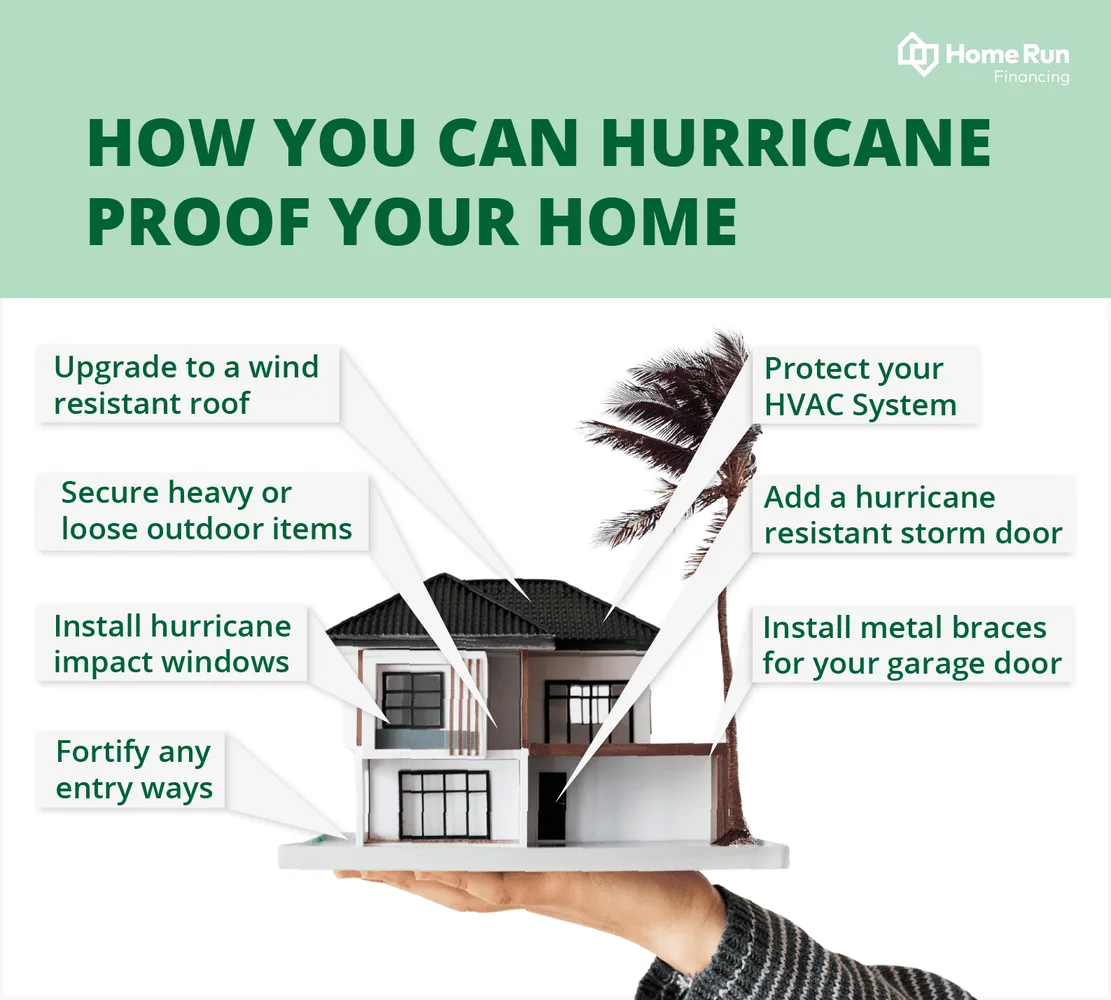
Understanding how to prepare your home for a category 5 hurricane requires going far beyond typical storm readiness routines. A Category 5 system delivers catastrophic sustained winds exceeding 157 mph (252 km/h), capable of tearing roofs apart, collapsing exterior walls, and shattering unfortified entry paths. By executing advanced structural retrofitting, setting up rigid entry barriers, and organizing deep emergency reserves, you can greatly improve your home's chances of standing up to severe environmental impacts. The following blueprint goes deep into the technical mitigation steps needed to safeguard real estate assets and preserve human life during major landfalls.
1. Structural Forces of Category 5 Cyclones
When engineering defenses for severe high-wind events, you must understand the exact environmental pressures applied to a home. Category 5 storms create extreme dynamic pressures that grow exponentially with wind speed. The architectural vulnerability does not just come from the horizontal push of the windward front; the internal lift generated when wind slips under roof overhangs or penetrates breached doors can cause immediate structural failure.
For example, if you contrast these high-velocity winds with other extreme weather patterns, such as learning how to survive a tornado if you are in a car, the defensive strategy changes completely. While vehicular tornado safety relies entirely on immediate evasion or finding low-elevation terrain, residential hurricane engineering focuses on keeping a structure rigidly fixed in place to withstand sustained, multi-hour assaults.
| Metric Component | Saffir-Simpson Standard |
|---|---|
| Sustained Wind Speed | ≥ 157 mph (≥ 252 km/h) |
| Storm Surge Level | > 18 feet above baseline |
| Potential Property Damage | Catastrophic structural collapse |
2. Hardening the Building Envelope
The primary goal in protecting a home from extreme atmospheric systems is keeping the outer building shell completely sealed. Once a window or exterior door gives way under projectile impact, high-velocity air streams inside. This fast-moving air rapidly increases internal pressure while upward forces pull on the roof from the outside, creating a severe pressure differential that can lift a roof structural layout right off its framing panels.
To prevent these catastrophic breaches, follow these steps:
- Deploy Heavy Steel Storm Shutters: Install permanently mounted accordion, roll-down, or bahama-style shutters certified to withstand high-velocity impact standards. If using manual panels, utilize 5/8-inch thickness CDX marine-grade exterior plywood pre-cut to fit flush against heavy anchor bolts embedded deep into the concrete block wall structure.
- Reinforce All Double-Entry Doors: Standard double doors frequently buckle inward because their center meeting point lacks support. Install heavy-duty surface bolts with three-inch minimum throws into both the top header and bottom floor framing elements.
- Secure and Brace Residential Garage Doors: Because garage doors cover a large surface area made of lightweight materials, they are highly prone to structural failure. Install heavy horizontal structural brace rails or vertical support pillars that lock securely into the structural concrete floor slab and header joist paths.
Just as you must prepare structural shells to block flying debris from entering, you also need to implement internal barriers to block rising ground waters. If your property sits near flat coastal plains or low elevation pathways, consider exploring how to protect your house from flash floods. This involves using active commercial perimeter barriers and specialized check-valves to prevent storm surge backflow from overwhelming sewage networks.
3. Roof-to-Foundation Load Path Ties
A house stands strongest against wind when all its parts are tightly connected from top to bottom. This construction approach binds the roof, walls, and foundation together using heavy-duty steel connectors, creating an unbroken path that safely transfers intense wind forces directly down into the ground.
If your home relies only on standard toe-nailing to secure roof trusses to exterior walls, the structural joints are highly likely to fail under high uplift pressures. To resolve this, install heavy-gauge galvanized steel hurricane ties or wrap-around straps at every single rafter connection point. For houses built with wood framing, continue this metal anchoring system down through the wall studs all the way to the foundation sill plates using long, continuous steel tie-down rods.
Additionally, pay close attention to your roof coverings. Replace standard shingles with high-wind rated metal paneling systems or heavy architectural shingles secured with six ring-shank nails per shingle over an underlayment that seals completely against water penetration. Any loose mortar joints on tile roofs must be repaired immediately to prevent pieces from breaking loose and turning into dangerous projectiles during high-wind storms.
4. Mechanical, Utility, and Mitigation Deployments
When a Category 5 hurricane makes landfall, public utility grids often fail completely and can stay offline for weeks. Preparing your home requires isolating electrical and water systems to protect them from external surges, grid failures, and backflow contamination risks.
First, secure an emergency power supply by installing a dedicated standby generator with an automatic transfer switch, or keep a well-maintained portable unit on hand. For comprehensive safety measures during cold-weather utility losses, read our detailed guide on how to prepare for a major power outage in winter to learn how to keep critical equipment running safely without risking carbon monoxide buildup indoors.
Next, secure your surrounding property by clearing potential hazards. Trim away all heavy tree branches hanging over your roof line and move outdoor HVAC equipment onto elevated, bolted concrete pads. Turn off your main electrical breaker right before the storm hits to protect appliances from power surges when the grid fails. Finally, close the main water valve to your home to keep the indoor plumbing safe from municipal water pressure drops and contamination risks.
To help you track your storm prep timeline, use this clear framework based on official safety recommendations from the Federal Emergency Management Agency (FEMA):
- 72 Hours Prior: Test the emergency generator system, fill all spare fuel containers, and purchase necessary non-perishable food supplies.
- 48 Hours Prior: Install all exterior storm shutters, clear yard debris, and pack away loose outdoor furniture.
- 24 Hours Prior: Charge all back-up battery communication banks, fill clean water storage containers, and double-check your local evacuation routes.
When facing a Category 5 storm, always remember that physical modifications are meant to protect your property asset—they are not a replacement for evacuation orders. When local emergency management agencies issue mandatory evacuation notices for your area, you must leave immediately. No residential structure is worth risking human life.
5. Frequently Asked Questions
Can a standard house survive a Category 5 hurricane?
Standard residential houses often experience complete roof loss and wall failures. However, properties built with reinforced concrete blocks, heavy impact glass, and a solid structural connection from roof to foundation have much higher survival rates against extreme winds.
Is taping windows an effective preparation method?
No, window taping does not stop glass from breaking. In fact, it makes windows more dangerous by holding large, sharp glass shards together that can fly inside and cause severe injury.
How do I protect my electronics from major power surges?
The most effective method is disconnecting your main electrical panel breaker before the storm arrives. For essential systems that must stay online, route them through high-quality surge protectors and uninterruptible power supplies (UPS).