





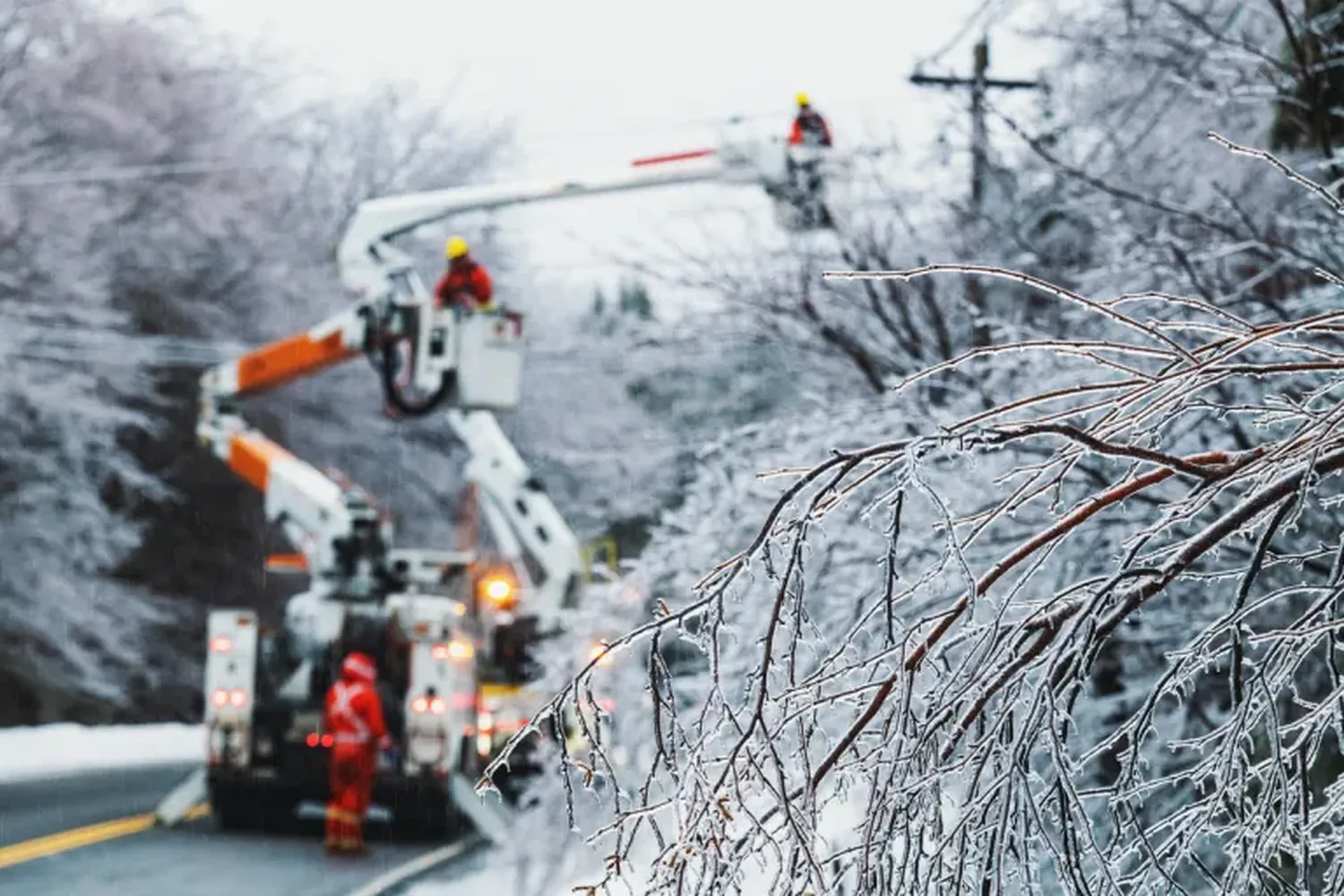
When severe weather systems disrupt the electrical grid, learning how to prepare for a major power outage in winter can mean the difference between a minor domestic inconvenience and a critical household emergency. Extreme sub-zero temperatures complicate structural safety, water system functionality, and personal wellness. This guide breaks down proactive measures, emergency equipment procurement, and architectural survival tactics to protect your home and loved ones during extended cold-weather blackouts.
1. Building an Essential Winter Emergency Supply Kit
The foundation of surviving a freezing blackout rests entirely on the quality and accessibility of your emergency gear. Standard survival kits require structural modifications to handle extended sub-freezing temperatures effectively.
Just as you would plan to how to build a winter emergency kit for your car, your residential collection must be robust enough to withstand a complete lack of utility support for a minimum of 72 hours. Your household stockpile should focus heavily on high-calorie nutritional supplies, dependable off-grid communications instruments, and specialized alternative lighting tools.
| Supply Category | Essential Items |
|---|---|
| Water Storage | 1 gallon per person daily (minimum 3-day supply) |
| Illumination | LED headlamps, tactical flashlights, extra lithium batteries |
| Communication | Hand-crank NOAA weather radio, external power banks |
| Thermal Gear | Sub-zero rated sleeping bags, Mylar emergency blankets |
2. Safe Alternative Heating Strategies
When residential furnace systems go completely dark, keeping your living space warm safely becomes an urgent priority. The most effective strategy involves building a structural "micro-climate" inside your home. Choose a single, central room with minimal exterior walls—preferably facing south to catch daytime ambient solar heat—and completely seal off all surrounding unneeded hallways or rooms.
If you choose to operate auxiliary indoor heaters, ensure they are explicitly rated for enclosed residential spaces. Unvented combustion devices can generate lethal concentrations of colorless, odorless carbon monoxide gas. According to safety protocols outlined by the Ready.gov Official Emergency Management Site, portable fuel-powered generators must remain outside at all times, sitting at a strict minimum distance of 20 feet away from any house windows, structural doors, or ventilation intakes.
In addition to securing your home's heat, consider the unique risks outside your front door; knowing how to drive safely in heavy fog conditions or black ice is vital if local authorities issue mandatory evacuation orders to public warm zones.
3. Preventing Frozen Pipes and Water Infrastructure Damage
Structural damage from burst plumbing lines is one of the most expensive consequence of an unheated winter utility blackout. When indoor ambient temperatures fall below 32°F (0°C), static water inside copper or PEX lines expands rapidly, splitting structural joints and pipes.
- Drip Your Fixtures: Keep a very slow, continuous drip of cold water flowing through faucets supplied by vulnerable or exposed exterior wall plumbing. Moving water is significantly harder to freeze.
- Open Internal Cabinetry: Keep vanity and kitchen sink cabinet doors wide open. This exposes hidden under-sink plumbing to any lingering ambient heat inside the room.
- Isolate the Main Valve: Ensure everyone in the house knows the exact physical location of the main water shut-off valve. If a pipe cracks, turning this off immediately mitigates severe indoor flooding.
Taking care of your residential plumbing needs to be approached with the same structural focus used when learning how to protect your house from flash floods. Proper physical shielding and immediate isolation can save thousands of dollars in emergency home remediation bills.
4. Food Management and Freezer Guidelines
Maintaining proper cold chain storage for food preserves your emergency rations and shields you from foodborne illnesses during a crisis. Treat your kitchen refrigerator and standalone freezer units as structural thermal vaults.
Every single time you open a refrigerator door, you let precious cold air escape, accelerating food spoilage. An unopened refrigerator will hold food safely for up to 4 hours. A well-insulated, completely full chest freezer can successfully maintain its internal temperature for about 48 hours if left undisturbed. If you suspect the grid failure will last for days, pack your perishable goods into durable, heavy-duty coolers filled with clean outdoor snow or ice blocks.
5. Winter Power Outage Frequently Asked Questions
What is the safest way to heat a home during a winter power outage?
The safest approach is isolating your family into a single small room, sealing windows with blankets or plastic sheets, and utilizing indoor-safe propane heaters equipped with automatic low-oxygen shut-off sensors. Never use gas kitchen ovens or outdoor charcoal grills inside.
Can you run a portable generator inside an open garage?
Absolutely not. Never run a generator inside a garage, carport, or near an open window. Carbon monoxide fumes can build up quickly and drift into your living areas, creating a lethal hazard for your family.
How can I keep my electronics charged without power?
Keep several fully charged portable power banks in your emergency kit. You can also use a vehicle's accessory port to charge devices, provided the car is parked safely outside in an open area away from the home structure.
Conclusion: Preparation Defeats the Elements
Mastering how to prepare for a major power outage in winter removes the panic from unpredictable seasonal grid failures. By stocking specialized gear, setting up safe backup heating, and safeguarding your plumbing, your household can safely navigate the coldest blizzards. Do not wait for the storm warning to flash on your screen—take these practical precautions today to keep your home safe and warm.