





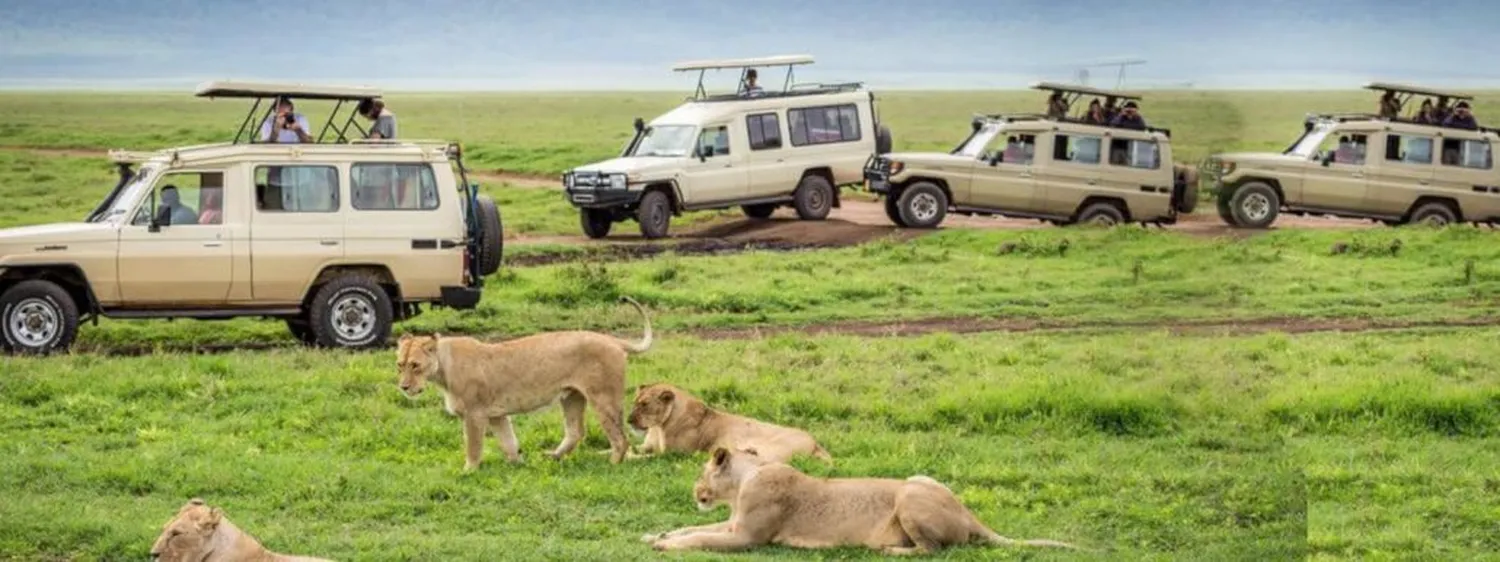
Steering your own classic 4x4 vehicle across the open golden savannah, matching wits with raw corrugated gravel tracks, and spotting majestic prides of lions without another tourist vehicle in sight is the ultimate definition of freedom. Learning how to plan a self-drive safari in Tanzania gives independent travelers an intimate, unscripted alternative to rigid packaged tours. However, conquering Africa's rough wilderness independently is a challenging logistical puzzle that requires serious preparation.
Unlike standard road trips, an independent expedition requires managing rugged vehicle requirements, tricky park fee systems, and safety variables. Before flying into the region, it helps to understand how to book cheap flights and local transport in East Africa to land smoothly at your starting hub. This definitive guide breaks down the practical realities, costs, and steps required to safely execute a successful self-drive adventure across Tanzania.
Vehicle Selection: The Foundation of Your Trip
You cannot compromise on your vehicle when exploring East Africa. The challenging, unpredictable terrain inside conservation zones will quickly break weak city cars. Paved highways give way to deep volcanic sand, slippery black cotton clay, and rough river crossings. When figuring out how to plan a self-drive safari in Tanzania, choosing your vehicle is the most critical safety decision you will make.
While a lightweight compact SUV is fine for visiting urban centers, it is banned by authorities from entering challenging areas like the Ngorongoro Crater floor. Independent travelers need an authentic four-wheel-drive machine built with high ground clearance, heavy-duty suspension systems, and low-range gear configurations. Always verify that your rental company provides a comprehensive mechanical recovery kit, deep sand ladders, a reliable high-lift jack, and at least two functional spare tires before driving out of the depot.
| Vehicle Type | Best Suited For | Key Limitations |
|---|---|---|
| Toyota Land Cruiser | Serengeti, Ngorongoro, remote tracks | Higher fuel consumption |
| Toyota Hilux 4x4 | Southern Circuit, rough bush camping | Less covered luggage room |
| Toyota RAV4 | Paved routes, Tarangire (Dry Season only) | Banned on rough park trails |
When arranging your rental vehicle, pay attention to the specific configurations available. Rooftop tents are highly recommended over ground tents because they keep you entirely elevated from nocturnal predators and venomous insects. Inspect the dual battery system to ensure your integrated fridge will run overnight without draining the primary starter battery. Read More about Safari Gear and Packing Configurations...
Choosing Your Circuit: Northern vs. Southern Parks
Tanzania's wild attractions are divided into two primary regional paths, each delivering a completely distinct experience for independent drivers:
The Northern Circuit: Icons, Infrastructure, and Off-Road Survival
This classic loop covers legendary destinations like Arusha, Lake Manyara, Tarangire, Ngorongoro, and the iconic Serengeti. It features well-established supply points, clear signposting, and relatively close emergency mechanical support. However, you will share your wildlife sightings with more standard tour operators, and campsite fees are premium. Driving routes here are heavily monitored by park rangers, meaning off-trail exploration carries heavy fines.
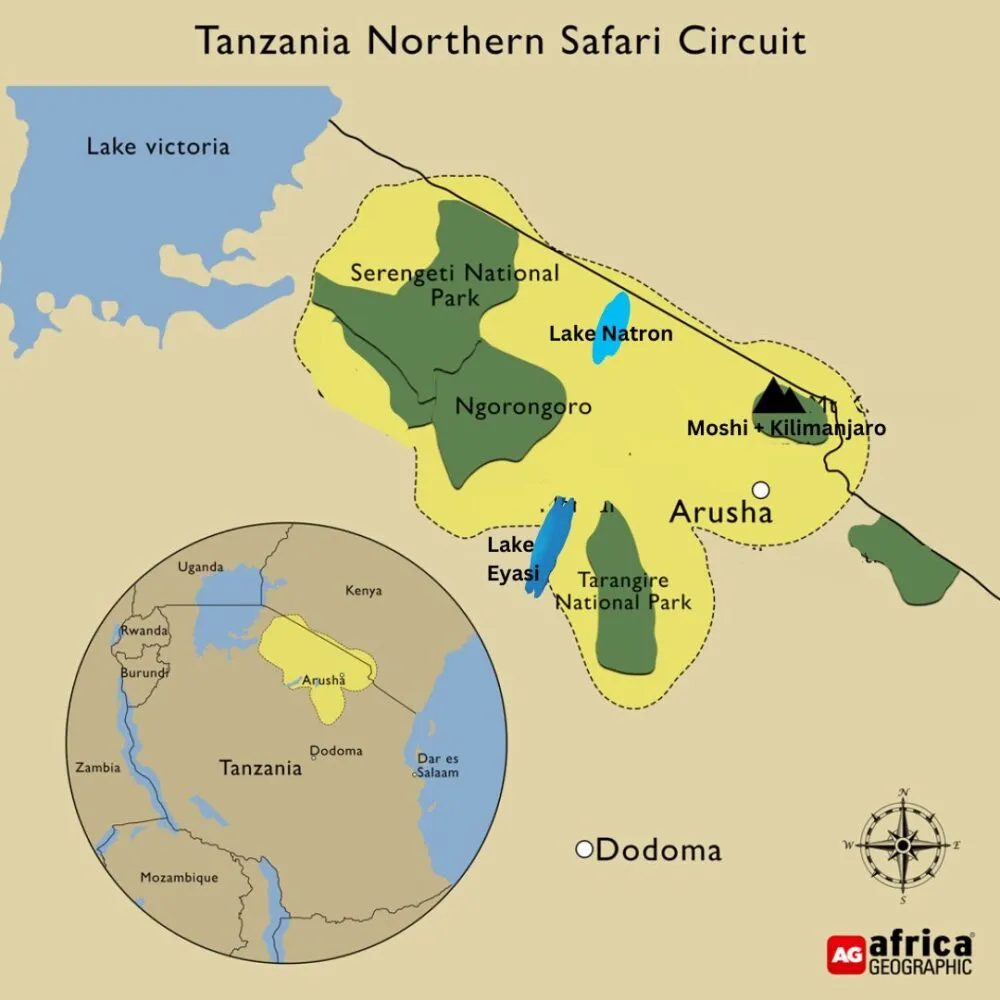 Figure 1: A fully equipped safari 4x4 traversing the challenging corrugated tracks connecting the Ngorongoro Highlands to the Serengeti plains.
Planning an independent road trip through this specific loop requires a strategic balance between timing and route navigation. Because the Northern Circuit hosts some of the highest concentrations of large mammals on Earth, traffic management inside the main entry points like the Naabi Hill Gate can get highly congested during peak migration months. Unlike the more isolated tracks in the south, you will regularly cross paths with professional safari guides who communicate wildlife positions via long-range radio networks. While this infrastructure makes spotting elusive predators like leopards and cheetahs significantly easier for a self-drive traveler, it also reduces the raw sense of isolation. To maximize your solitude, it is highly recommended to start your game drives at the crack of dawn, precisely when the park gates open at 06:00 AM, allowing you to explore the active riverine tracks before the large commercial mini-buses arrive from the distant luxury lodges.
Furthermore, mechanical resilience is key when navigating the notorious corrugations along the road connecting the Ngorongoro Conservation Area descent barrier to the endless plains of the Serengeti. This particular stretch of unpaved road features deep, rhythmic gravel ridges that can easily loosen critical suspension bolts, rattle loose electrical connections, and puncture standard highway tires within a few hours of continuous driving. Independent operators must drop their tire pressure to recommended off-road bars to absorb the constant impact and maintain a conservative, steady speed limit of no more than 40 to 50 kilometers per hour. Additionally, because the ecosystem is heavily protected by rigid conservation policies, pulling off the main track to get closer to a lion pride or crossing dry riverbeds outside designated crossing corridors is strictly prohibited. Park rangers deploy mobile patrol units throughout the Seronera valley, and violations captured via vehicle tracking systems or ranger observation result in immediate, non-negotiable electronic fines levied against your vehicle's registration card at the exit gates.
Beyond the technical driving demands, managing your daily logistics along the Northern Circuit requires careful mapping of fuel stations and supply hubs. While Karatu serves as the final reliable town to purchase standard fuel, fresh groceries, and clean drinking water before entering the Ngorongoro and Serengeti zones, prices escalate dramatically once you pass the gate checkpoints. Inside the park boundaries, emergency fuel can occasionally be found at the Seronera tourist center, but supplies are never guaranteed and prices carry a heavy premium. Independent drivers must strictly monitor their fuel consumption patterns, factoring in that driving in low-range 4x4 gears through muddy black cotton soil or deep volcanic ash will nearly double your vehicle's standard highway fuel consumption rate per kilometer. Always ensure your auxiliary tanks are fully utilized before venturing into the remote western corridor or northern sections of the park near the Mara River.
To truly master this section of your journey, you must also understand how seasonal variations radically alter the driving dynamics of the Northern Circuit. During the dry season (from late June to October), the main challenges are blinding dust clouds and deep, loose sand that can trap a vehicle if momentum is lost. The dust penetrates every opening of the vehicle, meaning sensitive camera gear and electronic equipment must be stored in dust-proof cases or heavy-duty dry bags. Conversely, the wet season (the long rains of March to May and short rains of November to December) completely transforms these dusty plains into treacherous mud baths. The infamous "black cotton soil" found in parts of the Serengeti becomes extremely sticky and slick when wet, losing all traction instantly. Driving through these patches requires an advanced understanding of when to lock your differentials, how to maintain a steady low-gear momentum, and exactly how to use sand ladders and recovery winches without causing damage to the vehicle's chassis or the fragile surrounding environment.
Campsite selection and night-time management along this corridor also separate seasoned overlanders from novices. Public campsites managed by TANAPA on the Northern Circuit offer basic amenities like shared long-drop toilets, cold showers, and a fenced cooking area to protect your food from clever baboons and hyenas. However, these sites are completely unfenced from the wild. Lions, elephants, and leopards roam freely through the camping grounds after dark. This means your camp routine must be fully wrapped up before sunset hits around 6:30 PM. Once darkness falls, leaving your rooftop tent is highly discouraged. You must ensure all food scraps, trash bags, and strong-smelling items are locked securely inside the hard-shell cabin of your 4x4, as hyenas possess immense jaw pressure capable of chewing through heavy plastic storage boxes left exposed on the ground or roof rack.
Expand Your Safari Planning Knowledge
Planning an independent overlanding trip across East Africa involves many moving parts. Check out our deep-dive logistical guides to make sure every aspect of your safari runs seamlessly:
The Southern Circuit: Raw Frontiers and Solitude
This rugged frontier winds through the massive wilderness of Nyerere National Park (formerly Selous) and Ruaha. It provides unmatched isolation and untouched wilderness paths, but demands advanced deep-bush driving skills and a smart strategy for carrying extra fuel reserves. Tracks here are often severely washed out after heavy rains, making deep river-fording skills mandatory for the driver.
If you intend to transition from rough camping trails to high-altitude mountain trekking after your self-drive loop, check out our professional blueprint on how to prepare for climbing Mount Kilimanjaro to ensure your fitness levels and permits are sorted early. Packing smart is also crucial for maintaining a comfortable car layout, so browse our checklist on how to pack for a luxury safari in East Africa to keep your gear organized inside the vehicle cabins.
Understanding TANAPA and NCAA Park Permits
You cannot simply show up at a park entrance booth and pay with cash on arrival. The Tanzania Tourist Board and park authorities run a strict cashless electronic payment network across all conservation areas. Park admission logistics are handled by two separate bodies: the Tanzania National Parks Authority (TANAPA) and the Ngorongoro Conservation Area Authority (NCAA).
Permit quotes are calculated strictly on continuous 24-hour cycles. If you enter the Serengeti gates at 10:00 AM, you must exit by 10:00 AM the next day to avoid being billed for a whole second day. Foreign registered vehicles or rental cars incur explicit daily entry charges based on the empty weight of the frame. Most reputable self-drive car rental suppliers will coordinate the processing of these smart card permits on your behalf and build the fees into your overall booking cost.
Be aware that the Ngorongoro Crater requires an additional, separate crater service fee for every single descent. This fee covers a single afternoon window of up to six hours on the crater floor. If you overstay your window, gate rangers will hold your vehicle until an administrative penalty is resolved electronically. Read More about Navigating Regional Gate Fees and Local Transport Permits...
Step-by-Step Implementation Strategy for Overlanders
Executing this trip smoothly requires following a structured planning sequence to prevent vehicle breakdowns, financial losses, or legal issues at remote checkpoints. Driving independently through Africa's premier wildlife ecosystems leaves no room for guesswork. Below is an expanded, production-ready operational blueprint broken down into critical phases, complete with logistical sub-steps for independent travelers.
 Figure 2: Spatial routing and remote topography planning are vital steps before crossing into remote national park sectors.
-
Acquire Your Paperwork & Legal Clearances
Before turning an ignition key, your legal and financial administrative frameworks must be bulletproof. Tanzanian traffic police are highly active on paved regional highways, and park entry gates enforce strict document audits.
- Licensing Requirements: You must secure a valid International Driving Permit (IDP) Category B matched dynamically with your original, unexpired country driver's license. Carry physical color copies of both documents, as local traffic authorities do not accept digital smartphone versions during random road checks.
- Insurance Wrappers: Standard comprehensive motor insurance policies explicitly exclude off-road tracking and damage sustained inside national parks. Verify your contract includes a specialized "bush recovery endorsement." This guarantees that if your vehicle suffers a catastrophic differential lock failure or axle snap inside the Seronera Valley, the rental agency covers the multi-thousand-dollar flatbed recovery transit costs back to Arusha.
- Visa and Vaccination Alignments: Ensure your electronic visa (e-Visa) clearances are finalized well in advance. If routing through local border crossings from neighboring East African zones, carrying an authentic physical Yellow Fever vaccination certificate is non-negotiable for all vehicle occupants.
-
Finalize and Inspect Your Camping Gear Ecosystem
Your 4x4 functions as a self-sustaining mobile habitat. Mechanical or structural failure of your lifestyle accessories can compromise your health and safety in areas where emergency help is hours away.
- Rooftop Tent Integration: Prioritize an integrated heavy-duty canvas rooftop tent over standard ground setups. Rooftop configurations can be deployed in under five minutes and keep your sleeping quarters completely isolated from nocturnal wildlife like inquisitive spotted hyenas and lions. Thoroughly test all zipper tracks and mosquito netting wraps before leaving the depot to prevent mid-safari insect infestations.
- Power Management and Cold Storage: Your vehicle must feature a dual-battery isolation system. This setup ensures that the heavy electrical draw from your 40-liter compressor fridge/freezer runs exclusively off an auxiliary deep-cycle battery, preserving your primary starter battery even during multi-day stationary bush camps. Keep the fridge packed tightly to lower energy consumption, and check the cooling seals daily.
- Cooking Systems & Utility Tools: Ensure you are supplied with stable dual-burner gas canisters, wind-resistant cooking guards, and cast-iron cookware capable of withstanding open charcoal fires. Additionally, inspect the tool compartment for a solid tire iron, a wood saw for clearing fallen branches on overgrown tracks, and heavy-duty working gloves.
-
Map Your Spatial Routes and Distances Conservatively
Standard GPS travel calculators do not understand African bush tracks. Plotting distances using highway speeds will quickly leave you stranded after dark, which breaks strict TANAPA regulations.
- The 40 km/h Mathematical Baseline: When routing through unpaved gravel paths, deeply rutted sand, or volcanic corrugations, calculate your itinerary using an average speed of 30 to 40 kilometers per hour. A seemingly short 150-kilometer transit across the Ngorongoro Highlands to Central Serengeti regularly takes five to six hours of intense, high-concentration driving.
- Offline Spatial Infrastructure: Satellite mapping applications lose efficiency without live cellular towers. You must download comprehensive offline mapping databases via Tracks4Africa or Maps.me. Pre-cache all key trail markers, seasonal river crossings, park entry gates, and your designated public or special campsites before losing signal.
- Buffer Windows: Always build a loose two-hour buffer window into your daily itinerary. This handles unexpected delays like punctures, deep mud recovery delays, or slow transits behind large elephant herds blocking narrow bridge crossings.
-
Stock Up on Essential Provisions and Fuel Reserves
Once you clear major urban hubs, supply chains dry up completely. Relying on remote park outposts for daily food or technical fuel requirements will disrupt your itinerary.
- Bulk Purchasing Hubs: Complete your primary procurement at major commercial centers like Arusha, Moshi, Karatu, or Iringa. Stock up on long-shelf-life dry rations, vacuum-sealed protein packages, and non-perishable canned goods.
- Water Allocation Budgets: Treat water as a critical survival resource. Pack a baseline of five liters of filtered drinking water per person per day, stored in durable, heavy-duty plastic jerrycans. Keep an entirely separate 20-liter utility tank filled with non-potable water for camp dishes, engine cooling emergencies, and clearing dense mud or dust accumulation off your vehicle's windscreen.
- Fuel Strategic Reserves: Fuel stations are non-existent deep inside major conservation zones. Fill your main fuel tank to capacity at the last town hub, and secure at least two external 20-liter steel jerrycans filled with high-quality diesel or petrol. This backup reserve is essential when navigating extensive game drives in low gear, which drains fuel significantly faster than highway driving.
Optimize Your East African Logistics
Sustaining an independent road trip through Tanzania requires thorough preparation. Explore our matching regional resources to ensure your vehicle preparation and travel logistics are fully optimized:
Logistics, Border Crossings, and Bush Supplies
Managing food and daily necessities requires strategic planning when traveling out in the bush. While towns like Arusha, Moshi, and Mwanza offer modern supermarkets filled with imported goods, vacuum-sealed meats, and fresh greens, these luxuries vanish once you clear the park borders. Your mobile fridge must be packed systematically: place highly perishable meats closest to the cooling element and store hard cheeses and vegetables in protective layers above.
When calculating water consumption, budget a baseline of five liters of clean drinking water per person per day. Keep an extra twenty-liter reserve tank strapped firmly to the vehicle chassis solely for cooking, washing dust off solar panels, or clearing mud from the radiator core during long overland sectors.
If you are planning to cross borders into neighboring countries during your self-drive road trip, ensure your car rental company provides a valid COMESA yellow card insurance sheet and an official corporate power of attorney allowing the vehicle to cross international boundaries. Without these certified papers, border officials will deny entry at customs checkpoints.
Essential Safety and Off-Road Navigation Rules
When driving yourself around wild animals, safety must be your top priority. Always give heavy elephants, unpredictable buffaloes, and large hippo pods the right of way. Keep a protective 25-meter safety buffer from big game, turn your engine completely off if animals look stressed, and never leave the protection of your car cabin except at explicitly designated picnic areas or campsite clearings.
Critical Fuel Rule: Fuel stations are practically non-existent inside park boundaries. Never drive past a diesel pump outside the parks without filling your main tank and filling up your extra backup jerrycans.
Standard online highway maps will easily fail you once you lose mobile reception deep inside the bush tracks. Download dedicated offline mapping software packages like Maps.me or Tracks4Africa onto your devices before leaving town. These platforms display minor dirt tracks, seasonal river crossings, and hidden campsite clearings using offline GPS coordinates.
If your ultimate road trip route drops you down into the historical coastal regions of Zanzibar to relax after your dusty driving trip, read our local cultural advice on how to safely explore local food markets in Stone Town to sample traditional Swahili food safely. Read More about Food Safety and Cultural Etiquette in Local Destinations...
Frequently Asked Questions
Do I need an international driver's license in Tanzania?
Yes, you need a valid International Driving Permit (IDP) alongside your original national driver's license to pass regular police checkpoints smoothly.
Is it safe to drive independently through the Serengeti?
Yes, provided you stay on designated tracks, respect animal boundaries, monitor your fuel gauges, and never drive after dusk.
Can I camp anywhere I want inside the national parks?
No. Wild camping is strictly illegal. You must pre-book designated public campsites or premium special wilderness campsites managed by TANAPA.
What should I do if my vehicle gets stuck in mud with wildlife nearby?
Stay entirely inside the vehicle. Use your radio or satellite communicator to contact your rental provider or park rangers. Never step out to dig the tires out if predators are visible in the vicinity.
Conclusion: Prep Right for an Unforgettable Journey
Learning how to plan a self-drive safari in Tanzania takes real patience and research, but the payoff is an unmatched sense of adventure. By securing a reliable 4x4, respecting park safety protocols, and setting a realistic itinerary, you can confidently navigate one of Africa's greatest wilderness landscapes completely on your own terms.