





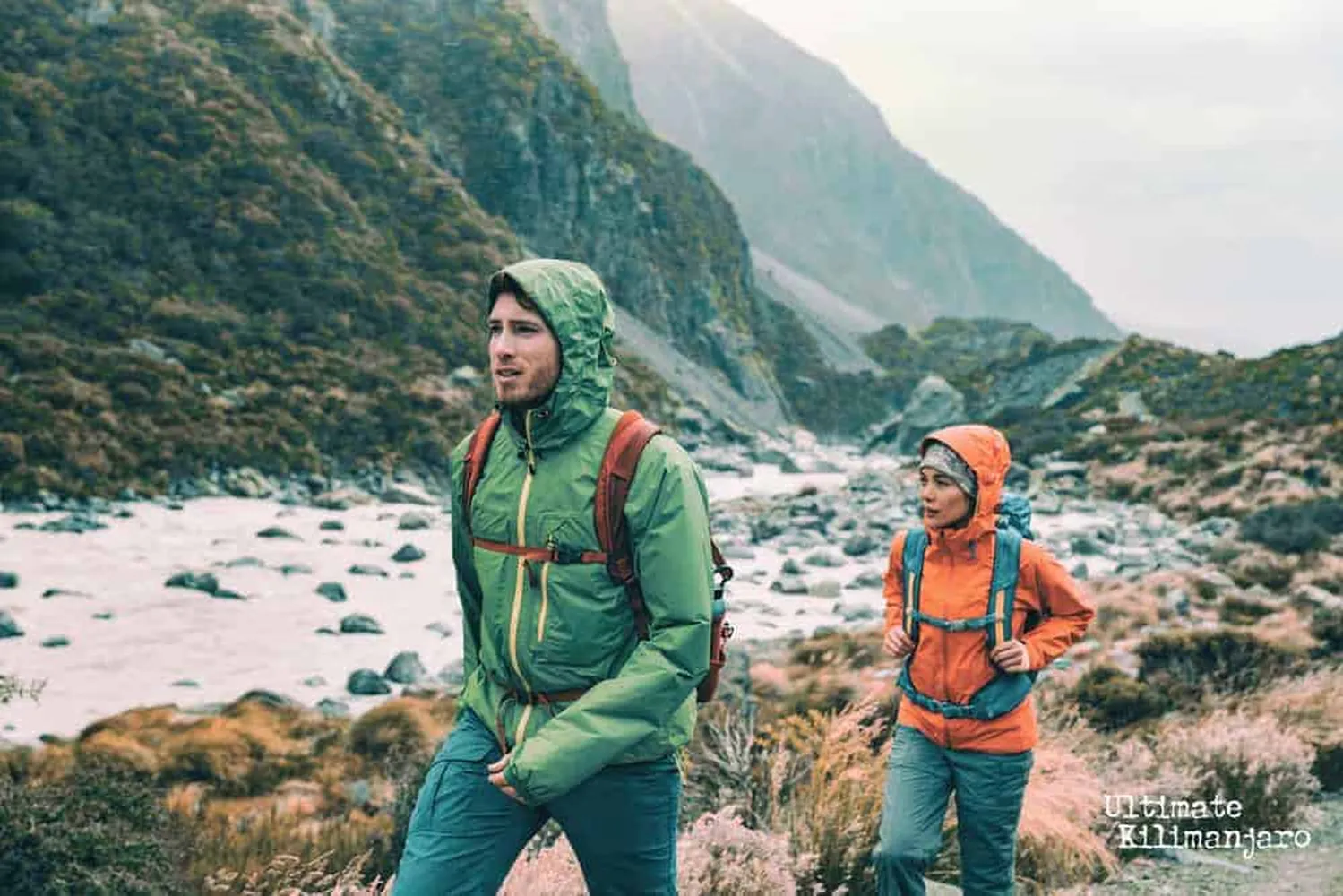
Learning how to prepare for climbing Mount Kilimanjaro is the defining factor that separates a triumphant summit photo at Uhuru Peak from an early descent due to altitude sickness. Standing majestically at 5,895 meters (19,341 feet) above sea level, Africa’s highest peak is a non-technical walk-up mountain, yet its extreme elevation and variable microclimates present severe physical demands. This official strategic blueprint covers everything from structured aerobic training programs and specialized packing manifests to safety protocols and budget tracking parameters required to scale the roof of Africa confidently.
Before stepping onto the mountain trails, coordinating your comprehensive African travel sequence requires smart logistics. If you are configuring a diverse regional vacation layout, learning how to book cheap flights and local transport in East Africa ensures a fluid journey between international runways and the regional gates of Kilimanjaro International Airport (JRO).
1. Physical Fitness and Training Timelines
Building functional cardiorespiratory capacity and muscular stamina is paramount. Your body will endure sustained, slow-paced hiking for 4 to 8 hours daily over consecutive days, culminating in a grueling 12-hour summit night push. A deliberate, 12-week training macrocycle focusing on progressive overload will adequately condition your legs and core for the structural stress of high-altitude mountain trekking.
Physical readiness involves more than raw muscle strength. The respiratory system bears the brunt of the load as atmospheric pressure drops. By forcing the body to work under cardiorespiratory stress during simulation hikes, you stimulate erythrocyte production (red blood cells), enhancing the blood’s oxygen-carrying efficiency before setting foot in Tanzania.

A. Aerobic Development (Cardiovascular Endurance)
Dedicate 3 to 4 sessions per week to low-intensity, long-duration cardiovascular exercises such as trail running, cycling, or utilizing a gym stair-climber setting a steady pace. Focus on keeping your heart rate in Zone 2 (aerobic endurance zone) to optimize fat metabolism.
Training specifically in Zone 2 (60% to 70% of your maximum heart rate) significantly increases your capillary density and expands the volume of mitochondria within your muscle cells. This physiological adaptation is crucial because at the summit of Mount Kilimanjaro, effective atmospheric oxygen drops by nearly 50% compared to sea level. By maximizing your aerobic base, you condition your body to become a highly efficient energy-producing machine that can efficiently process low levels of ambient oxygen without triggering premature metabolic fatigue or lactic acid accumulation.
B. Loaded Hill Training (Simulated Mountain Trekking)
The single most effective conditioning exercise is walking on inclined trails or stadium steps while wearing the exact hiking boots and daypack intended for the mountain. Progressively increase your backpack payload from 5kg up to 10kg over the course of your training program.
This localized, specific movement profile builds both muscular stamina and profound mental toughness. Hiking continuously under a simulated pack weight forces your spinal erectors, shoulders, and core stabilizers to adapt to the constant, structural load you will face daily on the Shira Plateau and Kibo slopes. Furthermore, utilizing this training phase to break in your technical mountaineering boots ensures that your feet adapt to the footwear mechanics, actively mitigating the risk of developing debilitating blisters during the actual expedition.
C. Targeted Muscular Strength (Joint Stability and Eccentric Control)
Integrate functional weight training movements including deep squats, walking lunges, step-ups, and core planks to reinforce joint stability and bolster eccentric muscle control during long downhill segments.
A common pitfall for aspiring trekkers is neglecting the severe physical toll of descending the mountain. When transitioning from Uhuru Peak down to Mweka Gate, your quadriceps and patellar tendons undergo prolonged eccentric contractions to break your downward momentum on steep declines. Strengthening your knees, ankles, and core through targeted resistance exercises builds robust joint stability, safeguarding your lower extremities against structural fatigue and injuries when navigating loose scree fields and rugged alpine terrain.
Read More:
Want to know exactly how to structure your workouts week-by-week? Check out our ultimate 12-Week Endurance Training Program for High-Altitude Mountaineering to customize your routines.
For travelers organizing secondary adventures alongside their high-altitude climb, discovering how to plan a self-drive safari in Tanzania offers an amazing roadmap to view the country’s world-renowned wildlife reserves autonomously after finishing your strenuous mountaineering expedition.
2. Altitude Acclimatization and Route Strategy
The primary reason trekkers fail to reach Uhuru Peak is rapid ascent leading to Acute Mountain Sickness (AMS). As altitude increases, atmospheric pressure drops, meaning fewer oxygen molecules are inhaled per breath. Choosing an itinerary with a longer path profile significantly raises your physiological adaptation capabilities by enabling a critical "climb high, sleep low" operational routine.
Different trails approach the mountain from diverse geographic entry gates. While the southern routes offer dramatic ridge crossings, the western configurations provide maximum scenic variance across the Shira Plateau. Selecting a minimum of 7 days on the mountain gives your pulmonary network the necessary time to compensate for the reduction in ambient barometric pressure.
| Route Option | Ideal Duration | Summit Success Metric | Primary Strategic Feature |
|---|---|---|---|
| Lemosho Route | 7 to 8 Days | Excellent (90%+) | Gradual initial ascent profile with scenic western approach |
| Machame Route | 7 Days | Very High (85%+) | Optimized layout for immediate climb-high, sleep-low adaptation |
| Northern Circuit | 9 Days | Outstanding (95%+) | Longest route with maximum acclimatization time around the northern slopes |
| Marangu Route | 6 Days | Moderate (60%) | Direct, rapid upward path using communal A-frame hut shelters |
Maintaining a slow, rhythmic pace—famously described in Swahili as "pole pole"—keeps your heart rate low and minimizes immediate physical exhaustion. Additionally, consuming between 4 to 5 liters of fluid every single day helps sustain proper circulatory function and counteracts the dehydrating effects of high mountain air.
Read More:
Struggling to pick the absolute best trail for your fitness level? Read our comprehensive comparison breakdown: Choosing the Right Kilimanjaro Route: Success Rates vs. Scenic Beauty.
3. Essential Packing Blueprint
Mount Kilimanjaro contains five distinct ecological zones, ranging from humid tropical rainforests at the base to sub-zero arctic deserts near the glaciated summit peak. Your apparel configuration must rely on a versatile technical layering system that effectively moves sweat away from your skin while retaining vital core warmth when temperatures plunge to -15°C (5°F).
The secret lies in the micro-climate management of technical gear. When climbing through the dense moorland zones, hyper-breathable materials prevent sweat accumulation, which would otherwise freeze instantly once you scale past the alpine desert zone toward the base camps of Barafu or Kibo.
- Moisture-Wicking Next-to-Skin Layer: Utilize merino wool or synthetic polyester thermal tops and bottoms to pull perspiration away from the body; completely avoid cotton fabrics.
- Insulating Mid-Layers: Pack heavy-duty polar fleece jackets alongside a high-loft down parka equipped with a protective hood for cold nights and the final summit push.
- Weatherproof Outer Shell: Invest in premium, breathable waterproof jackets and trousers rated with a Gore-Tex or similar membrane to deflect relentless alpine rain, sleet, and howling winds.
- Footwear and Extremities: Break in mid-weight, waterproof trekking boots well in advance. Pair them with moisture-wicking liner socks, heavy wool hiking socks, thermal gloves, polar mittens, and a UV-blocking sun hat.
Read More:
Don't leave essential mountain items behind! Download our printable checklist: The Comprehensive Gear and Packing Manifesto for Uhuru Peak.
If you prefer adjusting your gear priorities toward relaxed safaris rather than rugged mountain terrain, researching how to pack for a luxury safari in East Africa provides a customized layout for coordinating proper boutique apparel and photography equipment.
4. Medical Protocols and Visa Requirements
Preparation extends beyond the physical layout to medical legality and administrative immigration clearances. Trekkers must consult a certified travel health clinic at least two months prior to departure. The Tanzanian authorities mandate specific health checks depending on your port of origin, and high-altitude wilderness regions require robust prophylactic planning.
- Vaccinations and Prophylaxis: A Yellow Fever vaccination certificate is mandatory if you are arriving from or transiting through an endemic country. Malaria prophylaxis (such as Malarone or Doxycycline) is essential for your time spent below the cloud line in Moshi or Arusha.
- Altitude Sickness Medications: Discuss Acetazolamide (Diamox) with your doctor. Diamox acts as a carbonic anhydrase inhibitor, stimulating your breathing rate to aid metabolic acclimatization.
- E-Visa Procurement: While visas-on-arrival are technically available at international entry ports, travelers are strongly urged to apply for an electronic tourist visa via the official Tanzania Immigration Portal at least four weeks in advance to avoid long border queues.
Read More:
Ensure you stay legally compliant and fully immunized. Check out our step-by-step explainer: Tanzania Travel Regulations: Medical Clearances, Vaccinations, and Visas Explained.
5. Financial Cost Considerations and Tipping Guidelines
Budgeting appropriately ensures you contract an ethical, fully licensed tour operator that prioritizes porter safety and high-standard emergency protocols. Independent climbing is strictly prohibited by the Tanzania Tourist Board. Legitimate budget operators range from $2,000 to $3,000, while premium services featuring advanced medical backup and luxury camp layouts run from $4,000 to over $6,000.
These financial figures encompass mandatory national park entry permits, conservation infrastructure fees, rescue insurance allocations, camp catering, and local crew wages. Furthermore, hikers must set aside roughly $250 to $350 for tipping porters, guides, and chefs, which functions as a vital socioeconomic pillar for communities surrounding Moshi and Arusha.
Understanding the standard crew allocations helps clarify these expenses. A single climber typically requires a crew of 3 to 4 porters, a lead guide, an assistant guide, and a dedicated camp chef. Ethical agencies adhere strictly to KPAP (Kilimanjaro Porters Assistance Project) guidelines, which regulate fair wages, proper sleeping environments, weight limits, and medical treatment for the local staff.
Read More:
Want to avoid hidden fees and learn how to distribute tips ethically? Read our transparent financial field report: Mount Kilimanjaro Pricing Guide: Budgeting, Hidden Fees, and Porter Tipping Ethics.
Following the physical stress of your long alpine climb, transitioning to the white-sand coast provides excellent rejuvenation. Learning how to safely explore local food markets in Stone Town offers a perfect guide for treating yourself to the rich culinary traditions of Zanzibar post-trek.
6. Frequently Asked Questions (FAQs)
Do I need specialized mountaineering equipment like ropes or crampons?
No, Mount Kilimanjaro is classified as a non-technical trekking peak. You will only require regular high-altitude hiking gear, heavy layers, broken-in boots, and standard trekking poles to navigate the loose scree trails.
What medical protocols should I follow to address altitude sickness?
Consult a qualified travel physician regarding prescription medications like Acetazolamide (Diamox). Ensure your operator carries supplementary bottled oxygen cylinders and pulse oximeters to run daily diagnostic checks on your oxygen saturation levels.
When are the optimal seasons to plan a Kilimanjaro climb?
The premier climbing periods correlate with the regional dry windows: from January through March (cooler, quieter trails) and from July through October (warmer weather with higher trail traffic).
Can I use regular tennis shoes or trail runners for the climb?
Trail runners can be used around the low camp zones during initial light walks, but sturdy, waterproof ankle-support hiking boots are absolutely required for the rocky inclines, slippery mud, and deep scree fields during the summit night push.
7. Verified Historical References
To read more about the mountain's natural history and formal conservation policies, consult official resources like the UNESCO World Heritage Centre Kilimanjaro Profile, which outlines the preservation status of the mountain’s receding glaciers and alpine ecosystems.
Conclusion: Execute Your Preparation Plan Early
Mastering how to prepare for climbing Mount Kilimanjaro demands consistency across physical conditioning, smart route selection, and acquiring high-grade gear. By dedicating at least 12 weeks to targeted fitness training, booking an itinerary that prioritizes gradual acclimatization, and sourcing robust four-season gear, you place yourself in the best position to conquer Africa's iconic summit safely.