





Mastering how to book cheap flights and local transport in East Africa turns an intricate regional journey into a seamless, highly affordable adventure. East Africa features a rapidly evolving transit landscape where modern standard gauge rail lines, digital ride-hailing networks, domestic budget airlines, and long-distance executive coaches converge. Navigating these options efficiently requires moving away from conventional global booking aggregators and turning directly toward local solutions.
Whether you want to connect vibrant cities like Nairobi and Dar es Salaam, cross international borders seamlessly, or venture out to discover amazing destinations, this hands-on guide details practical strategies to maximize your budget and secure safe, reliable transport throughout the region.
1. Securing Cheap Flights Across East Africa
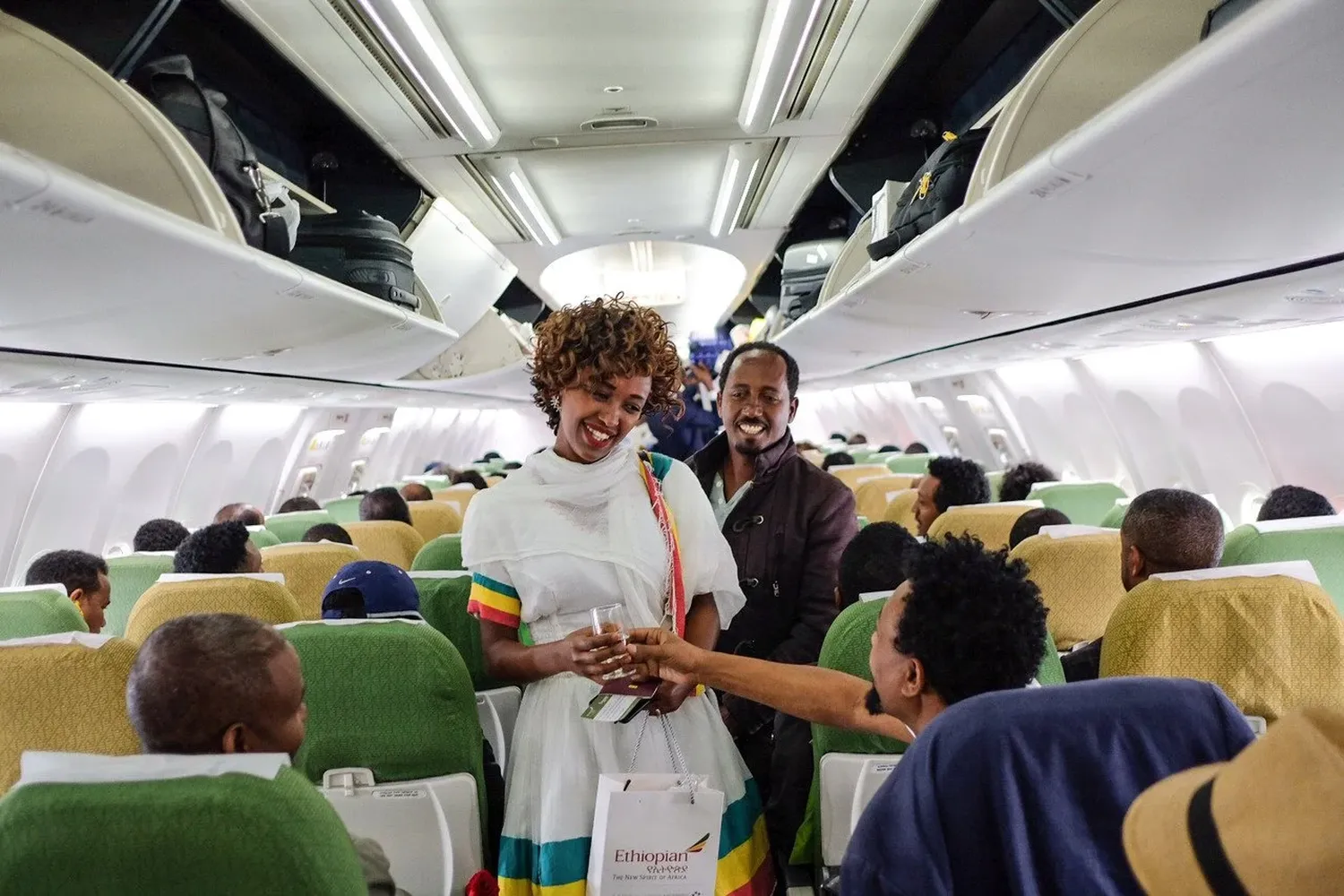
Global flight scanners often display inflated rates or miss local regional connections entirely. To unlock true value, check regional low-cost carriers directly via their official websites. Airlines like Jambojet and Fly540 in Kenya, alongside Precision Air, Air Tanzania, and Flightlink, frequently offer localized web promotions that aggregators fail to capture. Many times, these websites offer targeted flash sales during weekends that can cut standard ticket prices by up to 30%.
Timing your booking is critical for domestic routes. Flight prices tend to follow a predictable curve across primary transit hubs. If you are flying into safari launching pads like Arusha or Kilimanjaro, remember that prices double during peak wildlife migration seasons. Setting up direct fare alerts on local carrier web portals is highly recommended over checking third-party global apps. Furthermore, keeping your travel dates flexible by just two or three days can reveal massive pricing disparities on identical regional routes.
Another insider secret involves monitoring the dynamic airport taxes levied across different East African nations. Sometimes, booking two separate one-way tickets on different local airlines proves significantly cheaper than securing a standard round-trip ticket from a single provider. Additionally, utilizing secondary airports—such as choosing Wilson Airport (WIL) over Jomo Kenyatta International Airport (JKIA) for domestic hops within Kenya—can substantially lower your overall base fare by avoiding heavy international hub tariffs.
| Route Class | Optimal Window | Avg. Rate (USD) | Avg. Rate (EUR) | Avg. Rate (TZS) | Avg. Rate (KES) |
|---|---|---|---|---|---|
| Domestic (e.g., Nairobi to Mombasa) | 3–4 Weeks Early | $55 - $85 | €50 - €78 | TSh 150,000 - 230,000 | KSh 7,100 - 11,000 |
| Regional (e.g., Dar to Nairobi) | 6–8 Weeks Early | $160 - $240 | €145 - €220 | TSh 435,000 - 650,000 | KSh 20,500 - 31,000 |
| Island Hops (e.g., Arusha to Zanzibar) | 4 Weeks Early | $90 - $140 | €82 - €128 | TSh 245,000 - 380,000 | KSh 11,500 - 18,000 |
When flying budget lines, verify the luggage allowances carefully. Promotional base fares generally include cabin bag items only, charging dynamic premiums for checked baggage at the gate. Flying mid-week rather than on Fridays or Sundays significantly drops ticket costs on popular business and tourist corridors. Ensure your carry-on bags conform exactly to local dimension limits, as regional airlines strictly enforce rules due to smaller aircraft sizes. Carrying a small digital luggage scale can save you from unexpected and expensive overweight baggage fines at remote airstrips.
When flying budget lines, verify the luggage allowances carefully. Promotional base fares generally include cabin bag items only, charging dynamic premiums for checked baggage at the gate. Flying mid-week rather than on Fridays or Sundays significantly drops ticket costs on popular business and tourist corridors. Ensure your carry-on bags conform exactly to local dimension limits, as regional airlines strictly enforce rules due to smaller aircraft sizes.
Planning a dynamic safari trip alongside your flights?
Read More2. Riding the Standard Gauge Railway (SGR) System
The growing Standard Gauge Railway (SGR) infrastructure provides a comfortable, exceptionally reliable alternative to air travel. Kenya's Madaraka Express links Nairobi directly to the coastal city of Mombasa, avoiding traffic along the main highway. Concurrently, Tanzania’s modern electric SGR system smoothly connects Dar es Salaam to Morogoro, Dodoma, and expanding western networks, transforming domestic travel times across major urban centers.
SGR travel works best when integrated into your plans early. Tickets open for public purchase up to 30 days before departure and can sell out completely within days on popular weekend corridors. Economy class tickets cost a fraction of a regional flight while arriving in comparable total transit times when accounting for airport check-in windows, security clearances, and baggage claim delays.
To secure tickets successfully, avoid informal ticket brokers outside the stations. Instead, utilize the official corporate carrier web portals or official USSD codes on local mobile lines. Traveling via premium first-class or business-class coaches grants access to spacious seating arrangements, dedicated power outlets, and refined lounge facilities, making it a stellar option for remote professionals.
Want to know exactly how to prepare your gear for an extended trip?
Read More3. Booking Long-Distance Intercity Express Coaches
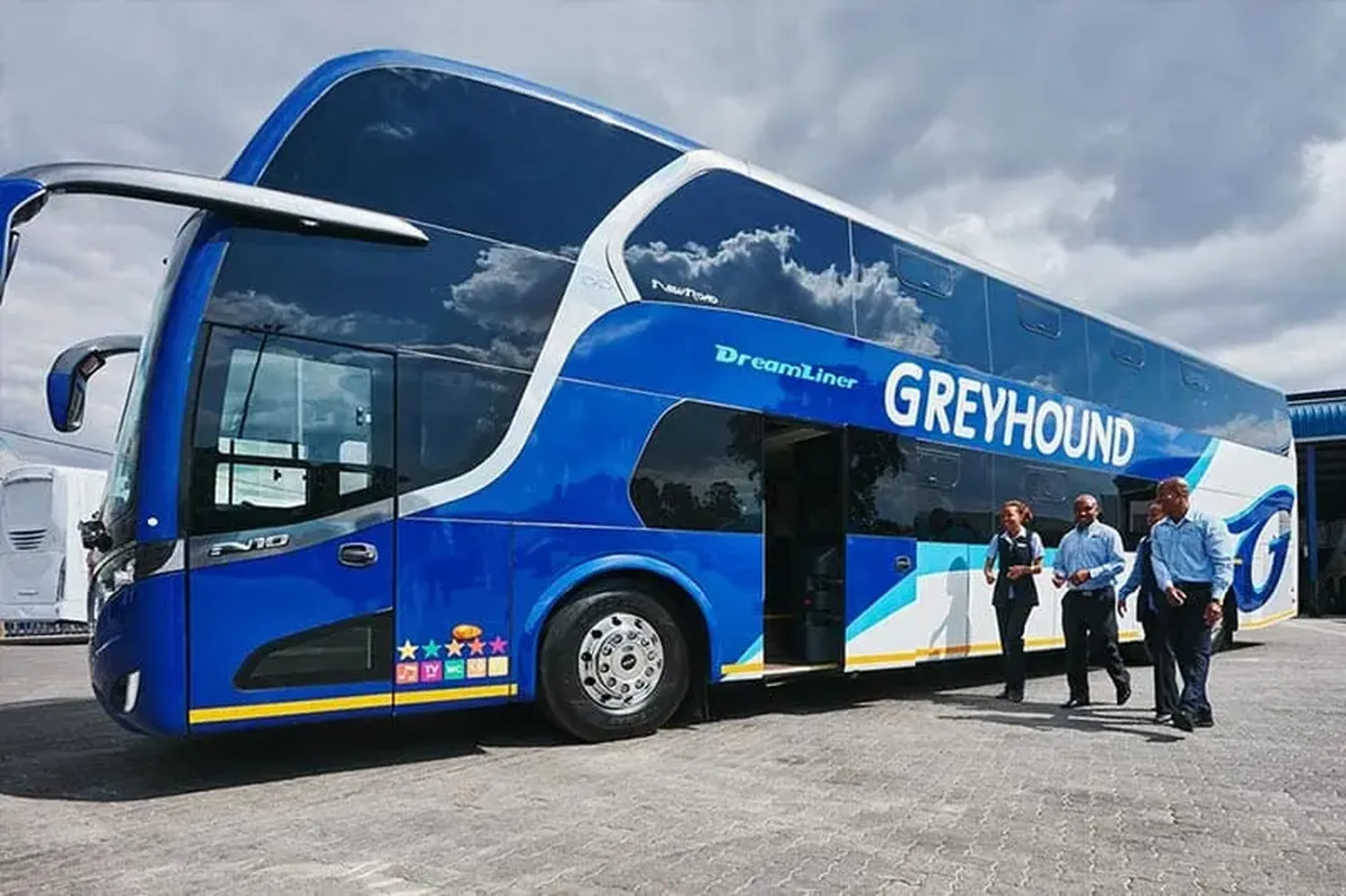
For travelers exploring destinations on a strict budget, long-distance luxury coaches offer comprehensive route networks connecting major cities and cross-border points. Reputable operators like Tahmeed, Kidia One, Dar Express, and Modern Coast use structured scheduling, fixed pricing systems, and dedicated boarding terminals that prioritize passenger safety.
- Advance Booking: Avoid buying tickets through informal street handlers or brokers hanging around terminal entrances. Always walk directly to the official operator terminal desk inside the main office, or utilize verified regional ticket apps like BuuPass and operator web portals to get automated digital receipts.
- Premium Classes: Choose "Luxury," "VIP," or "Business Class" tiers when available. These selections offer heavy-duty air conditioning, wider 2x1 reclining leather seating frames, individual USB charging ports, and significantly fewer mid-journey passenger pick-up stops.
- Day Travel: Schedule long overland bus trips exclusively during daytime hours. Not only does this offer maximum road safety and visibility across challenging terrain, but it also treats you to spectacular scenic views of the East African landscape, dynamic local markets, and wildlife corridors.
- Luggage Protection: Always ensure the coach attendants attach a unique numbered luggage tag to your heavy bags before they place them in the under-coach hold. Keep the matching stub safely inside your wallet, as it will be strictly cross-checked by security teams before any luggage is released to you at your final destination.
Major regional transport corporations now incorporate online fleet management systems, giving travelers the ability to pre-select specific seats during the digital booking process. Choosing seats near the front or center of the coach—specifically between the front axle and the middle section—provides a much smoother ride over sections of regional highways undergoing maintenance or repair. Avoid the very back row if you are prone to motion sickness, as the rear suspension amplifies bumps along gravel detours.
Modern coaches operating along major economic corridors (such as the Dar es Salaam to Arusha highway or the Nairobi to Kampala route) frequently provide complimentary onboard Wi-Fi services and light refreshments. However, network stability can fluctuate when transiting through remote rural valleys or high-altitude mountain passes. It is highly recommended to download offline navigation maps and entertainment to your mobile devices beforehand, and always carry a dedicated power bank to keep your phones functional throughout twelve-hour regional transits.
4. Cross-Border Transit: Protocol & Budget Navigation
Cross-border land transit between Kenya, Tanzania, Uganda, and Rwanda offers incredible financial savings compared to international flights, but it requires understanding local customs protocols. Overland entry points such as Namanga (Kenya/Tanzania), Busia (Kenya/Uganda), and Rusumo (Tanzania/Rwanda) feature streamlined One-Stop Border Posts (OSBPs) designed to process travelers efficiently.
When using long-distance international coaches to cross borders, the bus company will pause at the checkpoint and guide passengers through immigration halls. To prevent unexpected expenses or delays, ensure you hold an active East Africa Tourist Visa if visiting multiple participating nations, or have your single-entry visas pre-approved online via official electronic visa portals. Additionally, valid yellow fever vaccination certificates are strictly checked at these entry points.
Headed towards coastal heritage sites after crossing borders?
Read More5. Smart Inner-City Commuting and Digital Apps
Inner-city navigation varies widely between traditional, informal transport networks and structured modern platforms. Traditional options like shared minibuses (known locally as Matatus in Kenya or Daladalas in Tanzania) are highly economical but don't operate on fixed timetables, which can occasionally be challenging for newcomers to navigate independently without local guidance.
For seamless urban transit, download ride-hailing apps such as Uber or Bolt, which operate extensively in cities like Nairobi, Dar es Salaam, Kampala, and Kigali. These digital platforms remove manual fare negotiations by calculating clear upfront pricing structures. For rapid point-to-point transit through heavy urban congestion, motorcycle ride-sharing apps provide efficient service, offering tracking metrics and pre-verified safety helmets for passengers.
When entering specific regional neighborhoods, ensure your transit plans align with the local geography. For instance, if you are planning to transit via coastal hubs, three-wheeled Tuk-tuks provide excellent short-distance alternatives that navigate narrow streets with ease while protecting passengers from midday heat.
6. Mobile Money and Payment Management
Mobile money systems completely dominate the East African transactional landscape. Platforms like Safaricom M-Pesa in Kenya, alongside Vodacom M-Pesa, Tigo Pesa, and Airtel Money across Tanzania and Uganda, are deeply integrated into local transit platforms. Most intercity bus lines, local airlines, and rail portals prefer mobile wallet payments over traditional international credit card options.
Registering a local SIM card with a mobile money account immediately upon entry simplifies booking logistics. It allows you to buy transport tickets instantly on your phone, receive immediate SMS confirmations, and access competitive local rates. For international credit card usage, carry an alternative secondary card, as foreign bank anti-fraud blocks sometimes trigger during transactions on regional payment portals.
Preparing for high-altitude trekking and aligning travel logistics?
Read MoreFrequently Asked Questions
What is the most reliable app for booking buses in East Africa?
Apps like BuuPass in Kenya or individual operator mobile apps (e.g., Tahmeed Online) offer direct, secure booking options using mobile money integration.
Is it safe to take a motorcycle taxi (boda-boda) in major cities?
Yes, provided you use registered app-based services like Bolt or local equivalents. These platforms track trips digitally and ensure drivers carry required passenger safety helmets.
Do I need to carry cash for local transport?
While cash is accepted everywhere, mobile money is the preferred digital standard. Small cash denominations are useful for informal inner-city minibuses and local vendors.
References & Source Documentation
To review official schedules, terms, or check real-time pricing updates directly from authoritative regional authorities, browse the official platforms below:
- Kenya Railways Corporation (SGR Official Portal)
- Tanzania Railways Corporation (SGR Official Site)
- Jambojet Regional Low-Cost Flights
Conclusion
Securing affordable transport across East Africa depends on using local booking platforms early and using mobile money solutions. Balancing domestic low-cost flights with modern SGR express train connections allows you to travel safely and comfortably while keeping expenses minimal. Always cross-check entry requirements when coordinating regional connections to ensure a flawless journey from start to finish.