





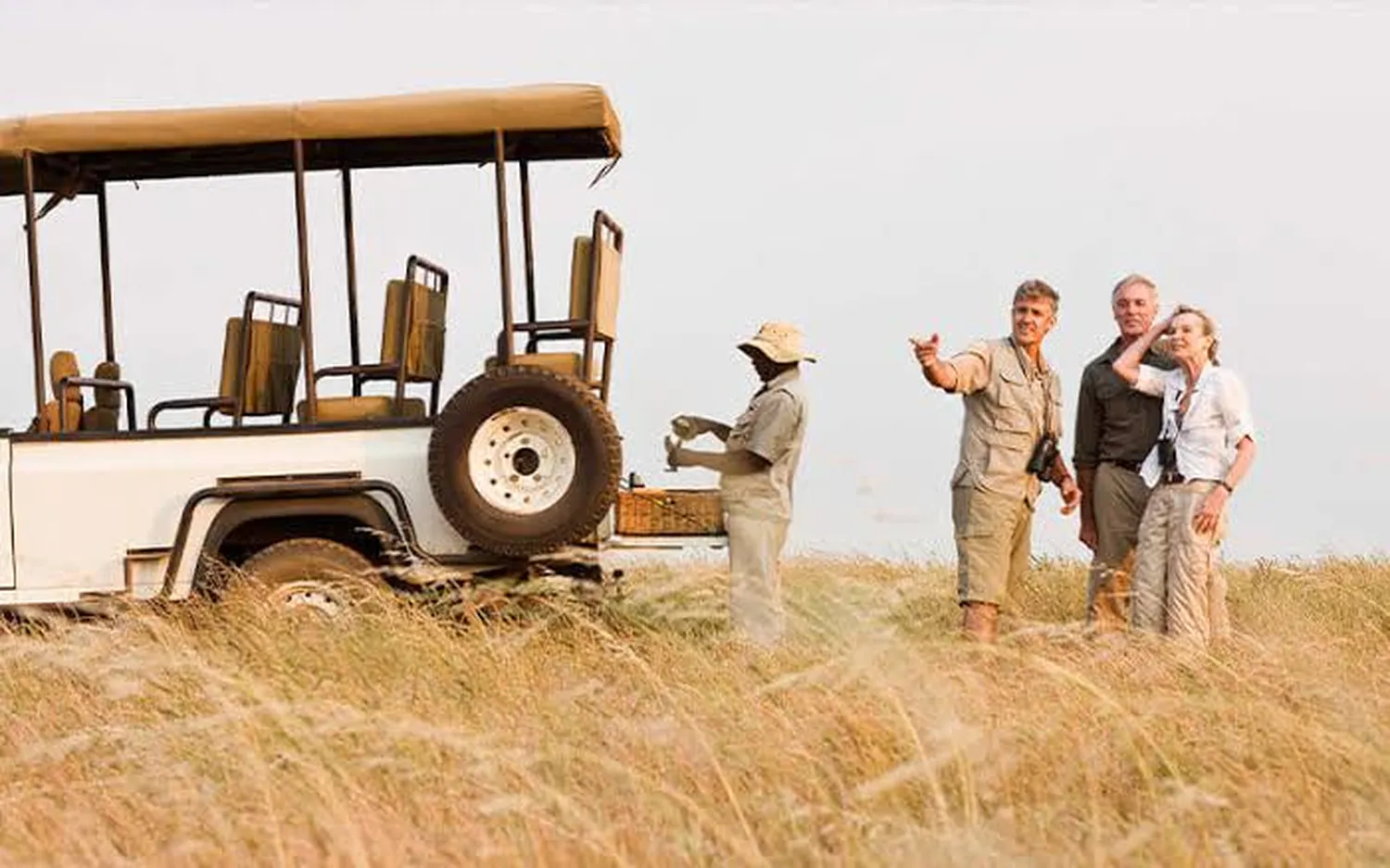
Planning an elite wilderness expedition requires a completely unique approach to travel preparation. Figuring out how to pack for a luxury safari in East Africa is less about sacrificing style and more about embracing strategic utility. Unlike conventional five-star getaways, high-end bush properties present specific luggage physical constraints alongside strict practical field requirements. Whether you are charting the classic migration corridors after discovering how to plan a self-drive safari in Tanzania or jumping straight into remote luxury fly-in conservancies, this master guide ensures your kit is immaculate, compliant, and highly functional.
The Golden Rule: Weight & Style Constraints
The defining parameter of packing for high-end wilderness adventures is the strict operational limits imposed by regional aviation providers. Light aircraft, such as Cessna Caravans, service the remote airstrips of the Serengeti, Maasai Mara, and Laikipia. These small planes utilize compact, uniquely shaped cargo pods that cannot physically accommodate standard, hard-shelled suitcases.
- The 15kg Limit: Total checked weight caps strictly at 15 kg (33 lbs) per individual traveler.
- Soft Bags Only: Duffels must be entirely soft-sided without rigid frames, wheels, or pull-up extended handles.
- Inclusions: This strict weight calculation regularly includes your camera setups, heavy lenses, and personal day packs.
While this sounds tight, elite lodges offer complimentary, same-day laundry services. This luxury allows you to dramatically reduce the volume of garments you carry, as a basic three-day rotation cycle is all that is required for extended travel.
Understanding the internal flight ecosystem is just as important as managing your luggage. When learning how to book cheap flights and local transport in East Africa, it becomes obvious that charter operators enforce these limits strictly to safeguard passenger balance and flight safety across varying runway layouts.
The Luxury Safari Wardrobe & Dress Code
The core philosophy of safari fashion is sophisticated layering. Early morning game drives start in chilly pre-dawn temperatures, frequently hovering around 10°C (50°F), while midday equatorial heat can easily spike above 30°C (86°F). You must adjust your layers dynamically as the day develops.
Color choice is a foundational functional safety measure in the African bush rather than a simple aesthetic choice. Blending into your environment avoids disrupting wildlife behaviors while simultaneously shielding you from regional insects.
The Essential Color Guide
- Choose Tonal Neutrals: Pack generous amounts of khaki, olive green, mid-tone tan, beige, and muted gray brown shades.
- Avoid Dark Blue & Solid Black: These specific tones actively attract tsetse flies, which deliver painful bites and carry regional sleeping sickness.
- Leave White & Neons at Home: Highly visible bright white and neon colors stand out clearly across vast savannah landscapes, making you look conspicuous to territorial animals.
- Military Camouflage Laws: Camouflage clothing patterns are strictly illegal for civilians across multiple East African nations, including Tanzania, and are reserved solely for local defense forces.
Keep evening outfits casual yet elegant. Think premium linen button-downs, light chinos, and lightweight scarves for dinners around the campfire. Most luxury lodges feature a refined, welcoming aesthetic where formal wear is unnecessary, but clean, relaxed fashion is appreciated after a long day in the dust.
Elite Footwear for Game Drives and Bush Walks
Footwear is an area where utility must absolutely take precedence over urban style trends. You do not need heavy, technical mountaineering boots unless you are researching how to prepare for climbing Mount Kilimanjaro, but you do need stable, protective options.
A premium pair of lightweight, breathable trail running shoes or low-profile hiking boots with rugged tread is perfect for standard game drives and guided bush walks. Ensure your shoes are thoroughly broken-in at least a month prior to departure to avoid painful blisters in remote areas. Additionally, bring a pair of refined leather sandals or loafers for navigating the wooden decks and lounge spaces of your luxury camp in the evenings.
High-End Gear and Optics Checklist
Your encounters with the "Big Five" rely heavily on the quality of your optical and tracking gear. While tracking wildlife on foot or from open 4x4 vehicles, your camera gear must remain highly accessible yet completely protected against pervasive, fine red volcanic dust.
Invest heavily in premium pair-matched binoculars. A high-performance 8x42 or 10x42 image-stabilized optic completely transforms game viewing from a distant glance into an immersive, detailed experience. Sharing binoculars reduces your response time when rare leopards or birds appear suddenly in the canopy.
Photographers should pack a versatile mirrorless or DSLR body paired with a flexible telephoto zoom lens (such as a 100-400mm or 200-600mm). Bring multiple high-speed memory cards and extra battery packs, as tracking dynamic movements in the bush drains equipment significantly faster than traditional studio or cityscape environments.
Medical, Wellness, and Skin Protection
High-end canvas camps supply premium organic shampoos, soothing body washes, and basic sunblocks, but personal prescription items and premium tropical skin protection remain entirely your responsibility. Pack all core health essentials in your personal carry-on bag to prevent disruption if checked items are delayed.
Ensure you travel with broad-spectrum SPF 50+ sun protection, high-concentration Picaridin insect sprays, and personalized antimalarial courses recommended by specialized travel clinics. If your vacation transitions from wild game reserves to coastal cultural centers, discovering how to safely explore local food markets in Stone Town will ensure your personal medical and sanitizer kit matches the unique environments of urban spice ports.
Seasonal Adjustments: Green Season vs. Dry Season
The timing of your luxury tour heavily determines the specific volume and technical structure of your outerwear adjustments. East Africa experiences two completely distinct ecological cycles: the Dry Season and the Green (Wet) Season. Packing correctly depends entirely on understanding how these dynamic climate changes affect the environment, animal concentration patterns, and daily field comfort.
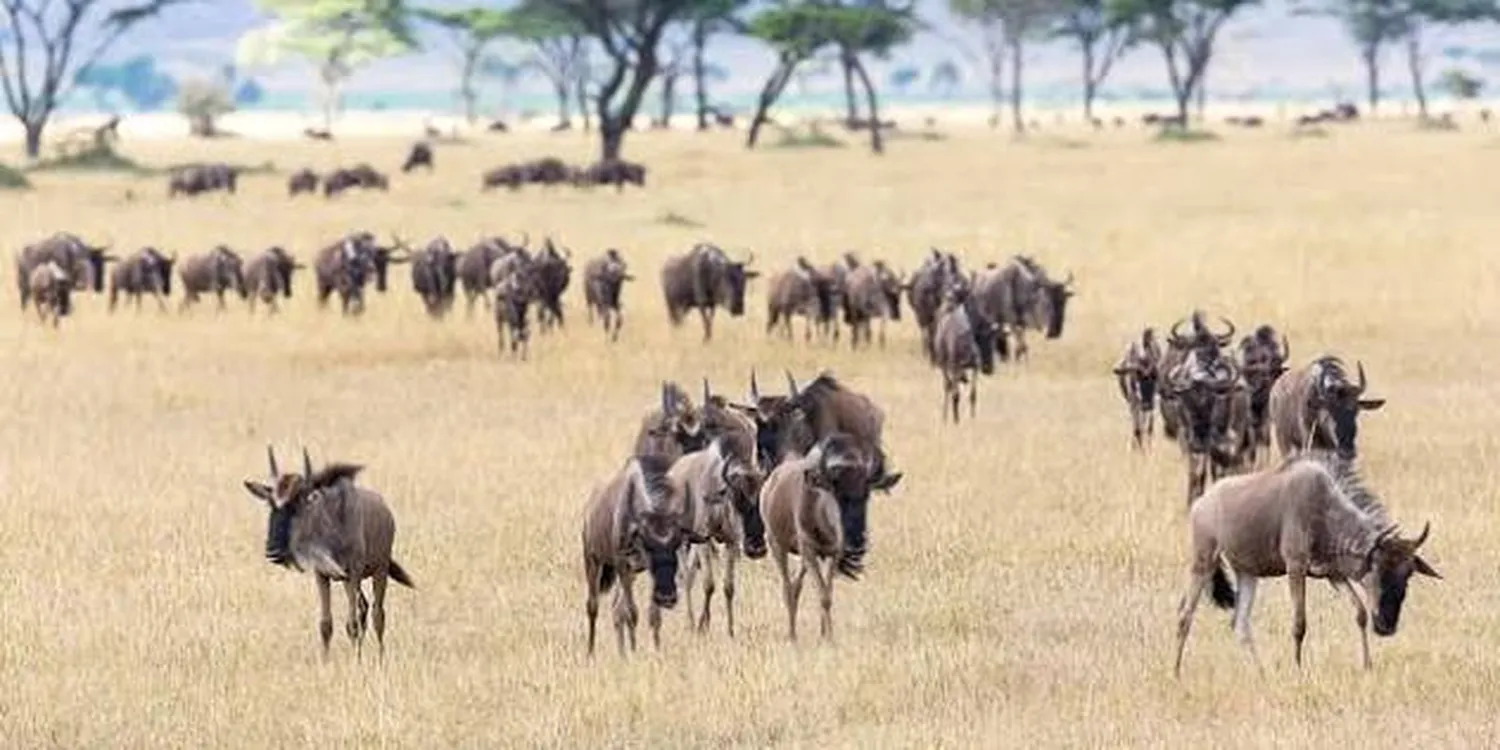
The Dry Season (June to October)
Characterized by golden, short savannah grasses, cloudless blue skies, and massive congregations of wildlife around rapidly shrinking permanent waterholes.
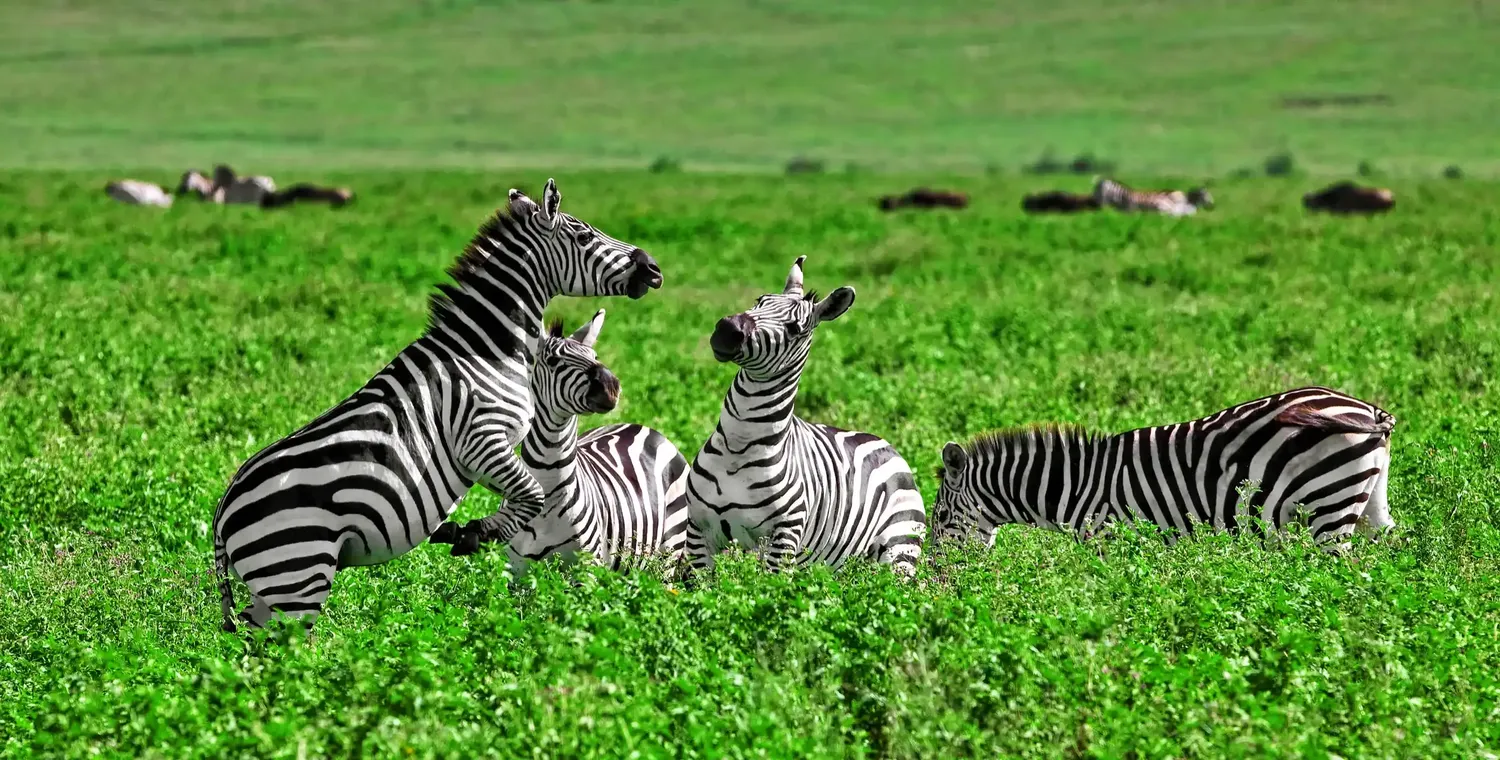
The Green Season (November to May)
A time of emerald-green landscapes, dramatic afternoon thunderstorms, fresh crisp air, an explosion of migratory birdlife, and the arrival of newborn animals.
Detailed Seasonal Breakdown & Strategic Packing
1. The Dry Season Deep Dive
During the peak dry months, the lack of rain causes vegetation to die back, giving you unmatched visibility across the vast plains. However, this lack of moisture introduces a major field challenge: pervasive, fine volcanic dust. Open-sided 4x4 cruisers kick up clouds of powder that coat everything in their path.
- Why Choose This Season: Wildlife viewing is exceptionally easy because animals cannot hide in the short, dry brush. They are forced to gather in high numbers around predictable rivers and waterholes, leading to dramatic predator-prey interactions and optimal photographic opportunities.
- The Core Importance of Specialized Packing: You leave camp for early morning game drives in freezing temperatures, which rapidly transition into midday equatorial heat mixed with strong winds. Packed essentials like multi-use buffs or face shields are critical to protect your respiratory system. Large polarized sunglasses prevent eye strain from glare and flying debris, while a drop-rim safari hat with a chin strap ensures your head protection isn't lost in moving vehicles. Furthermore, protective camera wraps are absolute mandatory gear to safeguard expensive optical equipment from abrasive dust particles.
2. The Green Season Deep Dive
The rainy period (broken into the 'short rains' of November-December and 'long rains' of March-May) turns East Africa into a lush, tropical paradise. Rain typically falls in short, intense afternoon bursts rather than day-long monsoons, leaving the rest of the day beautifully clear, bright, and free of dust clouds.
- Why Choose This Season: It offers an exclusive, low-crowd luxury experience with total privacy at top properties. Landscapes are stunningly green, providing incredible contrast and vibrant backgrounds for photography. It is also the calving season (especially during the Serengeti wildebeest birthing window in February), attracting big cats out into the open, and a world-class paradise for birdwatchers as thousands of migratory species arrive from Europe.
- The Core Importance of Specialized Packing: Ambient humidity rises and sudden downpours can occur within minutes. It is vital to pack quick-drying technical fabrics and an ultra-lightweight, waterproof breathable shell jacket that can be layered easily. You also require compact dry bags to shield your expensive electronics and lenses instantly when out in an open cruiser. Finally, bringing high-concentration Picaridin or insect repellent is highly important, as the damp conditions increase insect activity much more than the dry winter months.
The Quick-Reference Packing Matrix
The small table below outlines the optimized distribution of items required to remain fully compliant with regional airline protocols without sacrificing comfort.
| Category | Target Count | Key Specifications |
|---|---|---|
| Tech Zip Trousers | 2 - 3 Pairs | Lightweight, quick-drying earth tones |
| Long-Sleeve Shirts | 3 Shirts | Ripstop linen or specialized UV-blocking fabric |
| Fleece / Down Jacket | 1 Warm Layer | Muted olive or charcoal for morning drives |
| Trail Shoes / Boots | 1 Pair | Ankle support, broken-in before your flight |
| Premium Binoculars | 1 Unit | 8x42 magnification recommended for scanning |
Expert Field Note: Always wear your heaviest boots, thickest jacket, and primary camera body onto internal flights. This tactical step helps you easily save up to 3 kg of space inside your primary soft-sided duffel bag.
Frequently Asked Questions (FAQs)
What is the luggage weight limit for East African bush flights?
Most internal safari flights enforce a strict limit of 15 kg (33 lbs) per passenger. This weight must include all checked items and carry-ons packed inside soft-sided bags without rigid frames or wheels.
Why can't you wear blue or black on a safari?
Dark shades of blue and black actively attract tsetse flies, which carry African sleeping sickness and deliver painful bites. Muted neutral earth tones blend seamlessly and minimize insect attraction.
Do luxury safari lodges provide laundry services?
Yes, almost all top-tier luxury safari camps offer complimentary, same-day laundry services. This luxury allows you to limit your wardrobe to a basic three-day rotation cycle.
Are electrical adapters available at the camps?
Most luxury camps provide universal charging stations within the tents or main lounge spaces. However, bringing a high-quality Type G British standard adapter ensures continuous compatibility across Kenya and Tanzania hubs.
References & Field Compliance
According to strict international baggage guidelines published by regional carriers like Safarilink Aviation, absolute weight control is non-negotiable for aircraft balancing safety. Ensuring strict alignment with these operational rules prevents high baggage fees or logistical delays at remote wilderness hubs.
Conclusion: Ready for the Ultimate African Bush Experience
Mastering how to pack for a luxury safari in East Africa ensures you can confidently step off a light aircraft straight into an open-sided cruiser, completely prepared for adventure. By curating your selection down to versatile, earth-toned protective layers and high-performance optics, you seamlessly balance elite comfort with rugged field utility. Embrace the efficiency of bush travel, respect the environment, and enjoy an unforgettable journey into the heart of the wild.