





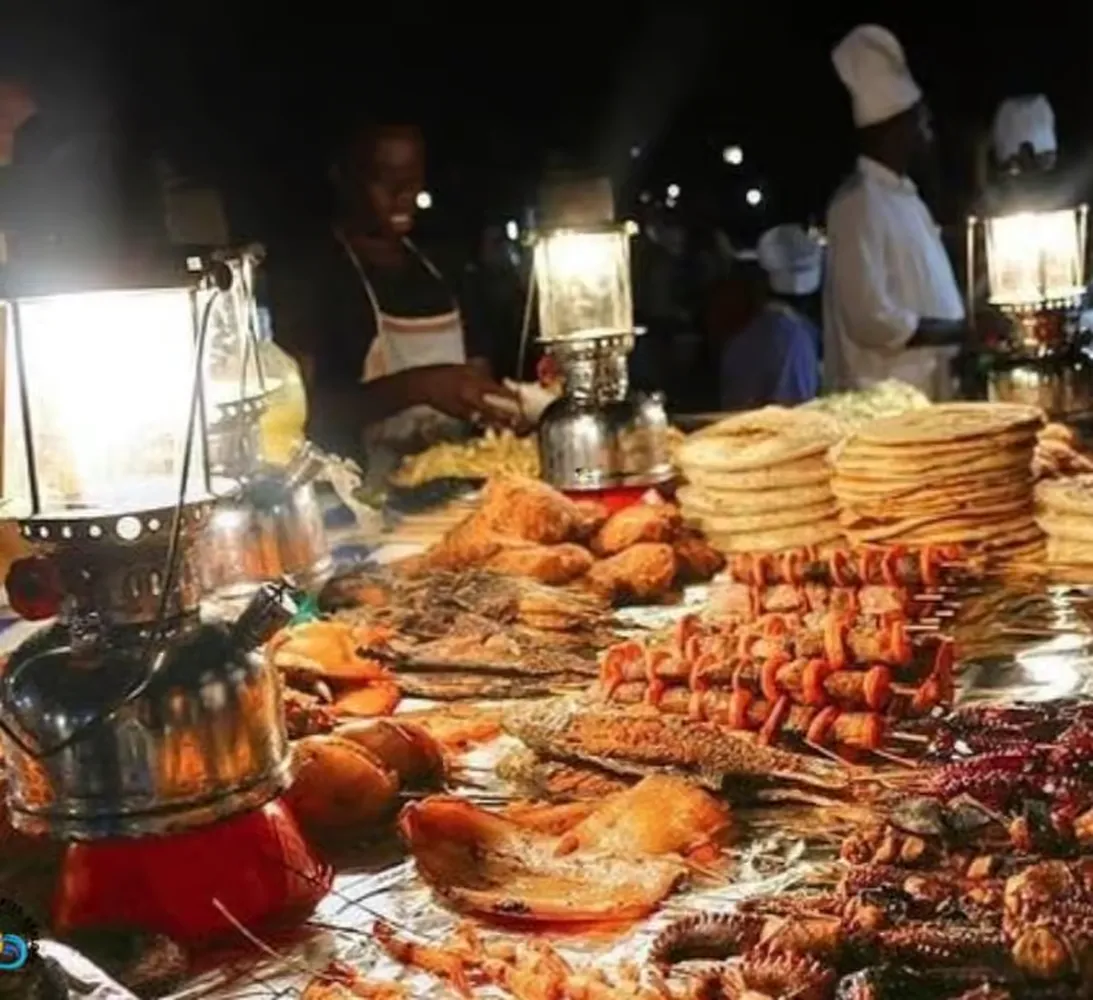
Learning how to safely explore local food markets in Stone Town is a core milestone for anyone visiting Zanzibar. The historic quarter blends culinary traditions from Africa, Arabia, and India into an incredible sensory adventure. However, navigating bustling alleys, managing vendors, and ensuring proper food hygiene requires practical knowledge. This official guide provides actionable safety protocols, pricing advice, and localized tips so you can taste the best of Zanzibar without any health or security mishaps.
1. Understanding the Top Food Markets
Stone Town hosts two primary food epicenters that offer distinctly different experiences. Understanding their structures helps you manage crowds and focus on safe eating practices.
- Darajani Market: This is the commercial heart of Stone Town. Operating primarily from dawn until dusk, it is raw, chaotic, and packed with residents purchasing fresh fish, meats, spices, and grains. Go here for sensory immersion but stay alert to heavy foot traffic, pushcarts, and motorbikes navigating narrow gaps.
- Forodhani Gardens Night Market: Located along the main seafront promenade, this open-air park transforms into a buzzing street food hub every evening starting around 6:00 PM. It is highly popular among travelers looking for iconic items like Zanzibar pizza, urojo soup, and grilled seafood skewers under the glow of gas lanterns.
Read More: Logistical Independence in East Africa
To seamlessly coordinate your broader travel plans between coastal archipelagoes and mainland hubs without overpaying, explore our detailed resource on how to book cheap flights and local transport in East Africa.
2. Essential Food Hygiene Rules
Street food safety relies entirely on observation. Because refrigeration practices can vary in tropical climates, following a few strict criteria will protect your digestive system throughout your trip.
| Market Metric | Safe Protocol |
|---|---|
| Vendor Selection | Choose stalls with high local family turnover. |
| Preparation | Seafood and meat must be grilled raw on order. |
| Hydration | Stick to factory-sealed bottles; avoid ice cubes. |
| Peak Hours | Visit Forodhani early at 6:30 PM for fresh batches. |
Always look at the raw ingredients displayed. If fish, lobster, or crab skewers look like they have been sitting in the open air for hours without ice, move to a different stall. The best vendors keep their raw stock in coolers and pull them out only when a customer places an order.
Read More: Multi-Terrain Health and Preparation
If your Tanzanian itinerary extends beyond coastal culinary tours into demanding physical adventures like high-altitude trekking, protect your physical health by checking our comprehensive guide on how to prepare for climbing Mount Kilimanjaro.
3. Signature Dishes & Safe Customizations
When exploring the food stalls, knowing what to order—and how it should be prepared—dramatically lowers your risk of stomach issues while maximizing your culinary experience.
Zanzibar Pizza
Unlike traditional Italian pizza, this local variation involves a thin pocket of dough stuffed with minced meat (beef or chicken), an egg, chopped vegetables, cheese, and mayonnaise, all fried on a flat hot griddle. Because it is assembled raw and cooked completely on the spot, it is one of the safest street food choices in Stone Town.
Urojo (Zanzibar Mix)
This popular street soup features a tangy, yellowish flour broth infused with mango and lime, filled with crispy potato balls (bhajias), crushed cassava chips, and topped with coconut chutney and hot chili sauce. Ensure the vendor ladles the broth from a steaming pot, and opt out of pre-cooked meat skewers unless they are reheated on a grill before being added to your bowl.
4. Market Logistics and Smart Pricing
Navigating the financial and structural layout of the markets prevents common scams. Always carry cash in small denominations of Tanzanian Shillings (TZS), as credit cards are not processed by local street stalls, and larger bills are difficult for vendors to change.
At Forodhani Gardens, always confirm the exact price of a skewer or plate before the vendor places it on the grill. Unscrupulous sellers occasionally quote multi-tiered prices after cooking, claiming that a single stick featured premium catch rates. Write down the agreed price on your phone screen if there is a language barrier.
Read More: Exploring the Country Independently
If you prefer complete control over your travel schedule, routes, and remote dining locations across the country, discover the rules of road travel in our guide on how to plan a self-drive safari in Tanzania.
5. Personal Safety and Cultural Expectations
Stone Town is a deeply conservative, predominantly Islamic society. Be sure to dress modestly when visiting local markets; shoulders and knees should be covered for both men and women out of respect for local community norms. Loose cotton clothing is highly recommended to stay cool in the humid coastal climate.
Keep your personal items secure. While violent crime is rare, crowded narrow alleys are prime targets for opportunistic pickpocketing. Carry backpacks on your front in heavy crowds, leave premium jewelry in your room, and keep your phone secured inside a zipped pocket rather than holding it loosely in your hand while distracted by food displays.
Read More: Balancing Wardrobes for Diverse Trips
For travelers matching street food exploration with upscale coastal stays or high-end game drives, learn how to select versatile garments with our tips on how to pack for a luxury safari in East Africa.
6. Advanced Scam Prevention Tactics
To fully enjoy your market experience without financial frustration, keep these specific behaviors in mind when interacting with persistent touts:
- The "Helper" Scam: Avoid individuals who offer to guide you to the "best" stall at Forodhani Gardens. These touts charge vendors a commission, which is silently added directly to your final food bill. Choose your stall completely independently.
- The Menu Swap: Some stalls may not display printed prices. Always ask to see a physical menu with written prices in Tanzanian Shillings rather than accepting verbal calculations.
- The Complementary Extra: Vendors might place garlic bread or small vegetable skewers onto your plate without you asking, implying it is a gift, only to bill you later. Explicitly say "Hapana asante" (No thank you) to items you did not order.
7. Frequently Asked Questions
What is a safe price for a Zanzibar Pizza?
As of 2026, a standard chicken, beef, or sweet chocolate-banana Zanzibar pizza should cost between 5,000 to 10,000 TZS. Always clarify the exact price before they start rolling out the dough on the counter.
Can I take photos of vendors in Darajani Market?
Always ask for verbal permission first out of respect by saying "Samahani" (Excuse me) or "Naomba kupiga picha?" Most vendors are happy to accommodate with a warm smile, while some may prefer not to be filmed due to personal or religious preferences.
How do I prevent stomach bugs while eating street food?
Ensure all meat and fish dishes are sizzling hot throughout. Avoid pre-cooked seafood mountain displays that have been sitting out at ambient temperature for hours, and stick to freshly peeled fruits or cooked snacks.
References and Institutional Travel Advice
For comprehensive international safety metrics, health guidelines, and secure updates regarding Zanzibar and mainland regions, consult the official U.S. Department of State Travel Advisories or review medical recommendations from the Centers for Disease Control and Prevention (CDC) Travel Notices.
Conclusion
Mastering how to safely explore local food markets in Stone Town rewards you with incredible local interactions and unmatched culinary experiences. By remaining mindful of food preparation temperatures, keeping your currency secure, and dressing in accordance with local cultural standards, you can confidently navigate Zanzibar's historic food landscape safely and successfully.