





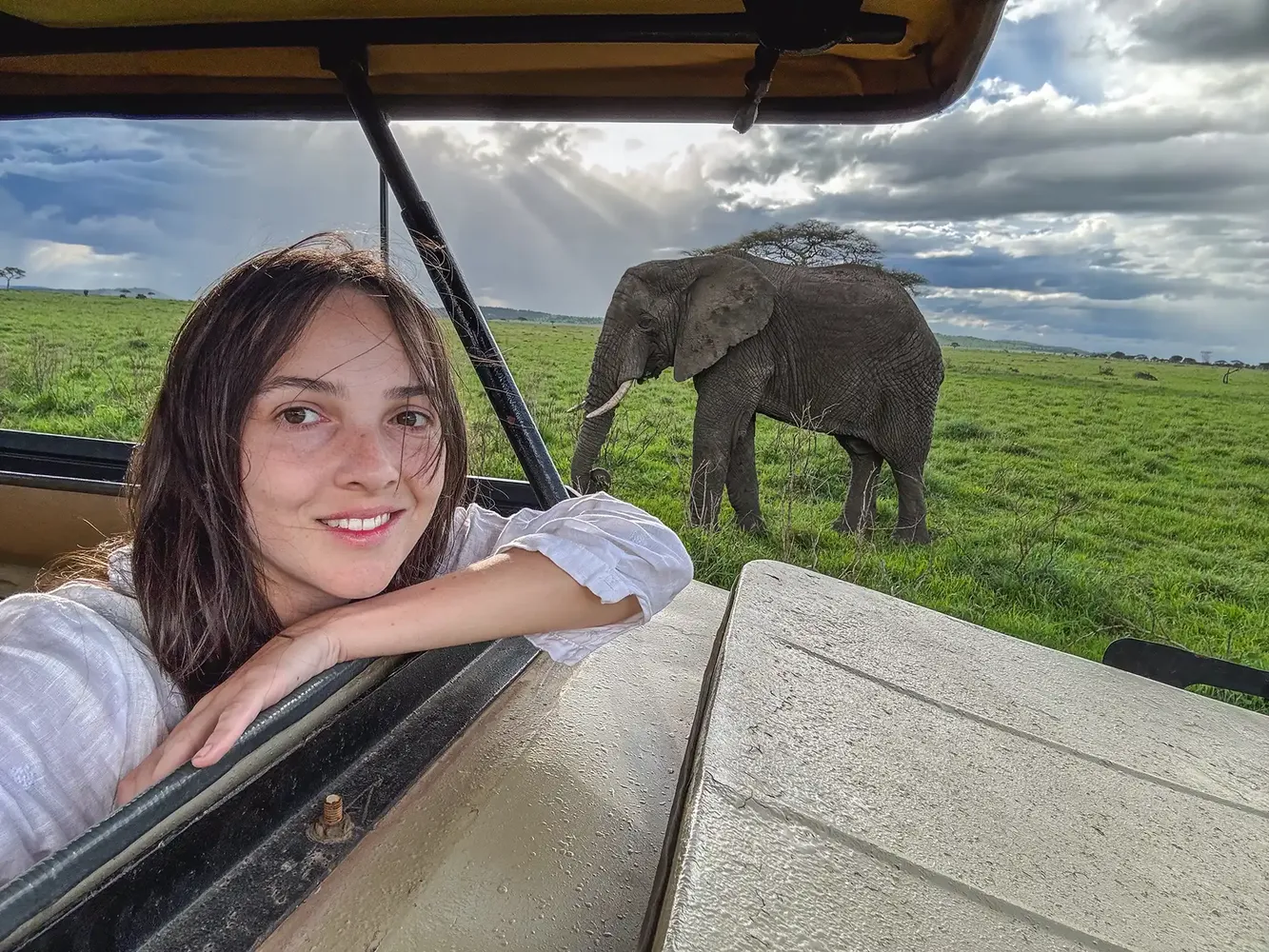
1. Executive Introduction: Understanding the Luxury Safari Market Structure
Planning a 7-day luxury private safari across East Africa’s iconic destinations—such as Tanzania's Northern Circuit (Serengeti, Ngorongoro Crater, and Tarangire)—is among the world's most rewarding travel experiences. However, navigating the pricing structure can feel opaque. Initial private quotes for a couple range from $12,000 to over $28,000 depending on season and property tier. What many discerning travelers do not realize is that luxury safari pricing contains substantial flexibility embedded within agent commissions, lodge combination offers, and seasonal inventory management.
Knowing how to negotiate rates for a 7 day luxury private safari isn't about demanding cheap deals; it is about strategic value optimization. By understanding how local Destination Management Companies (DMCs) build their itineraries, where profit margins reside, and which costs are governed by statutory law, you can comfortably negotiate 15% to 35% off high-end packages. This guide provides an itemized breakdown of safari economics, practical negotiation levers, and actionable advice to secure 5-star lodges, private 4x4 vehicles, and master guides for thousands of dollars less.
2. Deconstructing the Real Cost of a 7-Day Luxury Private Safari
To negotiate like a seasoned industry insider, you must first break down where every dollar goes in a 7-day luxury private itinerary. When a safari operator issues a single bundled quote (e.g., $9,500 per person), that number represents four distinct financial blocks:
- Luxury Accommodations (45% - 55%): Ultra-luxury permanent lodges or mobile tented camps (such as Singita, Four Seasons Safari Lodge, Elewana Collection, or Sanctuary Retreats) have published rack rates between $1,200 and $3,500 per room per night. However, wholesale contract rates offered to tour operators are often 20% to 30% lower than published public rates.
- Statutory Park & Conservation Fees (20% - 25%): Fixed government charges including conservation entrance fees, special campsite fees, and crater service permits regulated by authorities such as the Tanzania National Parks Authority (TANAPA).
- Private Transport & Logistics (15% - 20%): Exclusive custom 4x4 stretch Land Cruisers fitted with refrigerators, inverter chargers, and pop-up roofs cost $250 to $400 daily. Internal bush flights (via Coastal Aviation or Auric Air) add $250 to $450 per leg.
- Operator Overhead & Guide Fee (10% - 20%): Local DMC operational logistics, professional naturalist guide salaries, emergency evacuation insurance, and company net profit margins.
When entering a negotiation, your focus must be directed at lodge rack rates, agency commissions, and vehicle logistics optimization—leaving statutory government park fees and guide wages fully intact to ensure a seamless, high-quality experience.
Read More: Breakdown of Statutory TANAPA Conservation Fees →3. Non-Negotiable Fixed Fees vs. Negotiable Markup Zones
Distinguishing between fixed expenses and flexible pricing zones prevents unrealistic demands that could jeopardize your relationship with reputable safari outfitters. Operators respect clients who understand this distinction.
| Expense Category | Flexibility Status | Optimization Strategy |
|---|---|---|
| TANAPA / NCAA Government Fees | Fixed by Law (0% negotiable) | Strictly schedule entry/exit times to fit 24-hour billing windows. |
| 18% Statutory VAT | Mandatory Legal Tax | Ensure all quoted prices explicitly confirm full VAT inclusion. |
| 5-Star Lodge Rack Rates | Highly Flexible (15%–35%) | Utilize same-brand circuit collections and stay-pay promotional offers. |
| Private Vehicle & Guide Rates | Moderately Flexible (10%–20%) | Book directly with local DMCs in Moshi or Arusha rather than foreign brokers. |
| Internal Domestic Bush Flights | Slightly Flexible (5%–10%) | Combine overland drive links with a single return flight leg. |
4. Direct Booking vs. Overseas Travel Brokers: The 25% Gap
The single most effective action you can take to lower luxury private safari costs is bypassing overseas travel agencies located in Europe, the UK, or North America. Foreign agencies rarely own safari vehicles or employ guides in East Africa; instead, they sub-contract operations to local Destination Management Companies in Tanzania or Kenya while adding a 15% to 30% commission markup.
By working directly with registered local safari operators based in Arusha or Moshi, you eliminate this middleman surcharge immediately. Direct communication also allows you to negotiate lodge upgrades and special concessions directly with the team executing your ground logistics.
Read More: Local vs. International Operator Cost Comparison →5. 5 Practical Tactics to Secure Discounts Without Losing Quality
Tactic 1: Target "Circuit Discounts" Across Property Portfolios
Premier luxury hospitality groups—including Elewana Collection, Lemala Camps & Lodges, Sanctuary Retreats, and Serena Hotels—operate multiple properties across Northern Tanzania. To keep guest nights within their portfolio, these brands offer automatic circuit discounts such as "Stay 7 Nights, Pay for 5" or flat 20%-25% discounts when you book 3 or more of their properties consecutively. Instruct your operator to build your 7-day itinerary around a single lodge brand family to unlock these savings.
Tactic 2: Shift Travel Dates by 10-14 Days Into Shoulder Seasons
Peak season pricing dominates July, August, and late December. However, sliding your travel dates slightly into shoulder months (such as June, November, or January through March) results in substantial rate drops. Lodges frequently reduce room rates by 30% during shoulder periods, while wildlife viewing remains exceptional across the Serengeti and Ngorongoro Crater.
Read More: Choosing Wildebeest Migration Itineraries for Luxury Travelers →Tactic 3: Negotiate High-Value Inclusions Instead of Cash Discounts
If a luxury lodge or DMC is contractually restricted from cutting their published base rate, shift your bargaining focus to high-value added inclusions. Request complimentary upgrades such as:
- Private bush dinners or scenic sunset champagne setups (valued at $300–$500).
- Waived private vehicle surcharge fees for game drives.
- Complimentary hot-air balloon flight vouchers over the Serengeti Plains (valued at $550–$600 per passenger).
- Free airport transfers or overnight stay in Arusha before the safari begins.
Tactic 4: Utilize Bank Wire Discounts (SWIFT Transfers)
Credit card processing gateways in East Africa charge merchant fees between 3.5% and 5% for international Visa, MasterCard, or American Express transactions. Offer to pay your 30% deposit and final balance via direct bank wire transfer (SWIFT) in exchange for a 3% to 5% cash prompt-payment discount on your total package cost.
Tactic 5: Optimize Fly-and-Drive Logistics
While flying into every safari airstrip saves travel time, short internal flights quickly accumulate costs. A strategic hybrid model—driving from Arusha through Tarangire and Ngorongoro, then taking a single fly-out flight from the Serengeti back to Arusha or Zanzibar—saves over $1,200 per couple in flight charges without sacrificing comfort or game-viewing time.
Read More: Evaluating Fly-and-Drive Safari Itineraries →6. Using Shoulder Seasons and Timing Secrets for Bargaining Power
Timing plays a massive role in negotiation leverage. Safari lodges face high fixed overhead costs and would rather fill suites at discounted margins than let rooms remain vacant. During shoulder months (November, January, February, and June), occupancy levels drop to 40%–50%. Submitting custom safari requests 60 to 90 days before your intended travel date during these months gives you peak leverage, as lodges are actively looking to fill remaining inventory.
Read More: How to Save Money on Fly-In Serengeti Safaris →7. High-Season vs. Negotiated Shoulder Season Cost Breakdown
The table below presents a realistic financial comparison for two adults undertaking a 7-day luxury private Northern Circuit safari in Tanzania (Tarangire, Lake Manyara, Ngorongoro Crater, and Central Serengeti):
| Cost Component | Peak Season Standard Quote | Negotiated Shoulder Season Quote | Net Savings |
|---|---|---|---|
| 5-Star Luxury Lodges (6 Nights) | $10,200 | $6,800 | $3,400 (33%) |
| Private 4x4 Land Cruiser & Master Guide | $2,100 | $1,750 | $350 (16%) |
| Park, Concession & Crater Fees (2 Pax) | $2,450 | $2,450 | $0 (Fixed Legal Charges) |
| Internal Bush Flights & Airport Transfers | $1,200 | $1,050 | $150 (12%) |
| Total Estimated Package (2 Passengers) | $15,950 | $12,050 | $3,900 (24.4%) |
8. Red Flags: How to Avoid Fake Discounts and Unlicensed Operators
While negotiating discounts is smart, beware of quotes that seem unnaturally cheap. Unlicensed operators often cut prices by compromising safety, comfort, and legal compliance. Watch out for these red flags:
- Substituted Vehicles: Confirm that your contract explicitly specifies a private, custom 4x4 extended Land Cruiser with pop-up roof, working mini-fridge, and charging outlets—not a shared minivan or older vehicle.
- Unqualified Guides: Premier luxury safaris rely on senior, certified naturalist guides. Unlicensed operators may hire inexperienced drivers to save on wages.
- Hidden Concession Fees: Ensure that high-value campsite and crater entry fees ($59–$88/person/night) are clearly itemized in the final quote so you aren't surprised by on-the-ground surcharges.
If you plan to extend your trip to Zanzibar post-safari, read our complete guide on how to plan a 7 day fly in safari from zanzibar to serengeti to keep your transfers seamless and cost-efficient.
9. Frequently Asked Questions (FAQs)
Can you negotiate luxury safari rates in East Africa?
Yes, luxury safari rates are flexible—especially when booking direct with local Destination Management Companies (DMCs), traveling during shoulder seasons, or bundling stay-pay offers across single-brand lodge chains.
How much can you save by negotiating a 7-day luxury private safari?
Travelers routinely save between 15% and 35% on total package pricing by removing overseas agency markups, leveraging circuit stay promotions, and timing dates effectively.
Which costs on a safari itinerary are non-negotiable?
Government fees, including TANAPA conservation fees, NCAA crater service fees, campsite concession charges, and 18% VAT, are fixed by law and cannot be discounted by operators.
Is it cheaper to book with local tour operators in Arusha or Moshi?
Yes. Direct local operators in Moshi and Arusha do not charge foreign agency commissions, saving you 20% to 30% while delivering top-tier ground service.
Conclusion & Final Actionable Checklist
Mastering how to negotiate rates for a 7 day luxury private safari empowers you to secure an extraordinary African adventure at the best possible value without sacrificing an ounce of comfort, safety, or exclusivity. As we have deconstructed throughout this guide, luxury safari pricing is not a rigid monolith. It is an elastic system built on lodge circuit partnerships, seasonal inventory cycles, and variable agency commission structures.
When you approach safari operators with clear knowledge of fixed statutory charges versus flexible markup zones, you instantly position yourself as a savvy traveler rather than a typical retail buyer. This shift in positioning allows you to unlock substantial savings—ranging from $1,500 to over $4,000 per couple—which can be repurposed toward flight upgrades, extended stays, or post-safari luxury beach retreats in Zanzibar.
- Request an Itemized Cost Breakdown: Ask the operator to separate government park/concession fees from vehicle and lodge charges.
- Leverage Shoulder Season Dates: Shift travel by just 7–14 days away from peak July/August or late December windows to instantly shave off 25% to 35% in lodge rack rates.
- Inquire About Circuit Deals: Stay within property collections (like Elewana, Lemala, or Sanctuary) to activate "Stay 7, Pay 5" or portfolio bundle discounts.
- Bypass Foreign Middlemen: Partner directly with registered, licensed local Destination Management Companies (DMCs) based in Arusha or Moshi.
- Negotiate Value-Add Extras: If base room rates cannot be discounted, negotiate complimentary bush flight legs, private vehicle upgrade fees, or scenic hot-air balloon rides.
Remember that ethical negotiation respects the local economy. Never push for discounts that force operators to compromise on driver-guide wages, vehicle maintenance standards, or environmental conservation contributions. A successful negotiation creates a win-win scenario: the local operator secures high-value business, and you experience the crown jewels of East Africa in 5-star luxury at a realistic, fair market price.
Take the strategies outlined in this guide, double-check your tour operator’s registration with TATO or local government tourism boards, and start crafting your dream 7-day luxury private safari with total financial clarity.
Read More: How to Book Top-Rated Luxury Safari Operators Safely →