





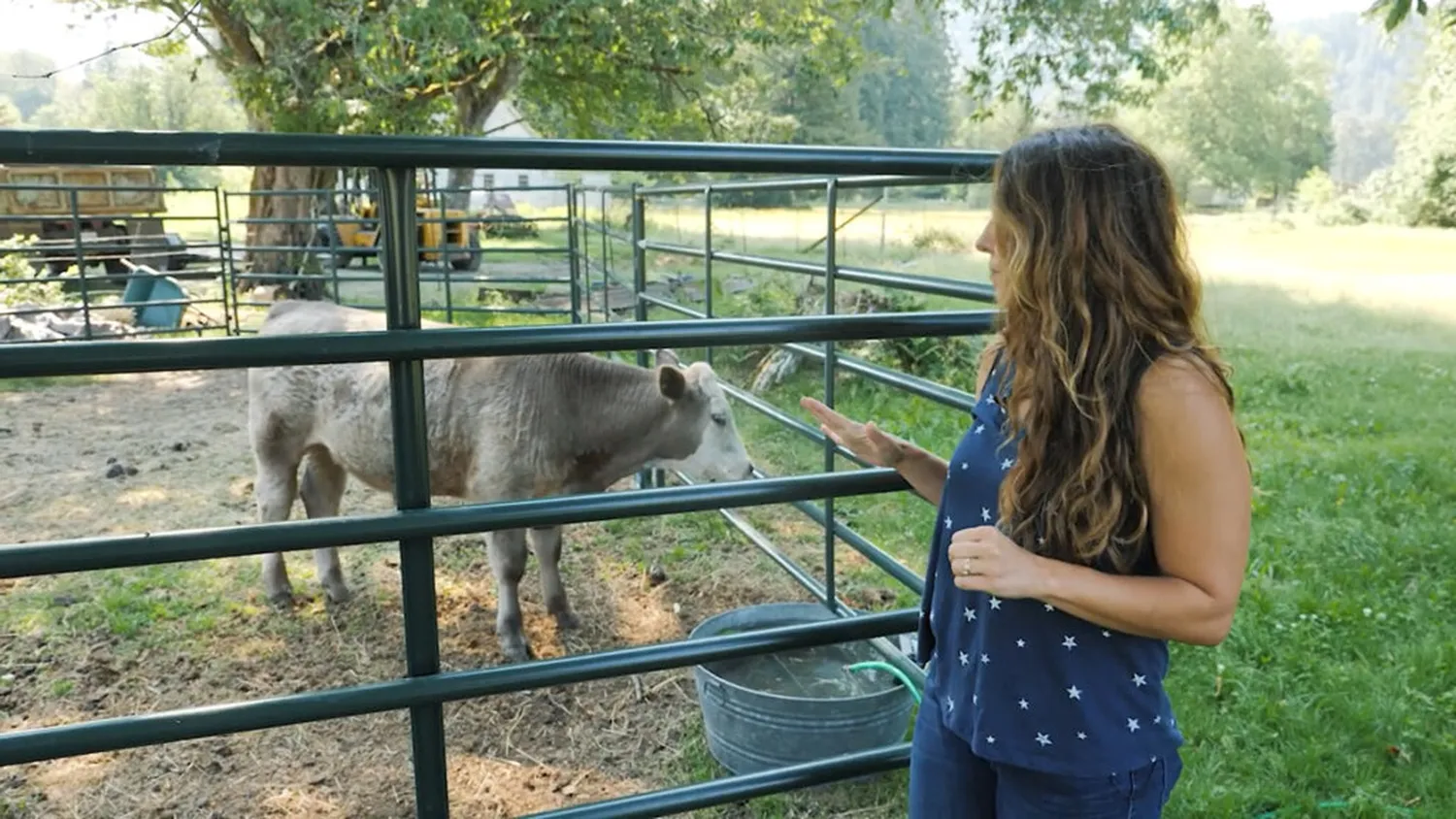
Learning how to keep farm animals cool in extreme heat is a critical skill for homesteaders and commercial farmers alike. When summer temperatures climb past normal thresholds, livestock cannot regulate their internal body heat efficiently. High humidity compounded by blazing sunshine easily triggers heat exhaustion, plummeting milk yields, and severe clinical illnesses. Implementing physical cooling mechanics immediately protects your financial investment and keeps animals comfortable.
Understanding Heat Stress in Livestock
Livestock feel heat differently than humans. For instance, while a person relies heavily on sweating, species like hogs and chickens have virtually zero functional sweat glands. When the ambient temperature approaches or exceeds an animal's core temperature, they rely on respiratory dissipation (panting) to dump heat. According to livestock research from the United States Department of Agriculture (USDA), production levels drop noticeably when the Temperature-Humidity Index (THI) crosses a critical threshold value of 72.
Failing to mitigate these elements impacts more than just physical comfort. If you are learning how to raise chickens for eggs in the backyard, an uncooled coop during a heatwave can shut down egg production for weeks or cause sudden mortality. Early identification saves lives.
Hydration Infrastructure & Water Management
Water is your primary defensive tool when figuring out how to keep farm animals cool in extreme heat. During thermal spikes, livestock will double or triple their baseline water intake. If a water trough sits under direct sunlight, the fluid can heat up to over 90°F (32°C), causing animals to refuse to drink entirely.
| Animal Type | Normal Consumption | Extreme Heat Demand |
|---|---|---|
| Dairy Cow | 25-30 Gallons | 45-50 Gallons |
| Beef Cattle | 10-15 Gallons | 20-25 Gallons |
| Sow / Pig | 3-5 Gallons | 7-9 Gallons |
| Sheep / Goat | 1.5-2 Gallons | 3.5-4 Gallons |
Keep clean water storage containers positioned entirely in deep shade. Regularly flush pipelines to ensure incoming groundwater stays at a refreshing temperature. If you are monitoring fragile stock, such as discovering how to take care of a newborn goat kid, small electrolyte additions to the water supply can stabilize blood chemistry balances during heavy panting spells.
Shade Architecture and Air Ventilation
Providing physical blockades against radiant heat from solar rays drops ambient structural temperatures by up to 10°F. Built shelters should feature high roofs with wide, open sides to allow natural breezes to clear out stale air. Solid metal roofs trap internal radiant energy unless insulated or coated with specialized reflective paints.
For smaller backyard operations, shade placement requires careful tactical planning. When building outdoor shelters, such as learning how to build a cheap rabbit hutch, position the structure clear of dense windbreaks to harness every passing afternoon breeze. In closed barns, mount heavy-duty industrial fans low to the floor to move air across the animals' skin surfaces directly, rather than just spinning warm air up near the rafters.
Cooling Protocols Across Different Species
Different farm animals require bespoke management solutions based on their unique biology:
- Poultry: Chickens raise their wings away from their bodies to vent heat. Keep coops thin and well-ventilated. Extreme heat also weakens immune systems, making it harder to treat issues like how to treat bumble foot in chickens naturally if proper health management falls behind during summer spikes.
- Pigs: Because pigs cannot sweat, concrete cooling pads or muddy wallows are indispensable. Evaporative cooling from mud protects their highly sensitive pale skin from painful sunburns.
- Sheep & Goats: Thick wool traps massive amounts of core body heat. It is vital to learn how to shear a sheep for the first time well before mid-summer heat hits, leaving a safe, short protective wool layer to prevent direct skin sunburns.
- Insects & Small Assets: Even micro-livestock suffer in high summer. Ensure you understand how to set up a honey bee hive for beginners with proper ventilation plugs and an adjacent reliable water source, so bees do not exhaust themselves foraging for water to cool the brood chambers.
Frequently Asked Questions on How to Keep Farm Animals Cool in Extreme Heat
What time of day is heat stress most dangerous for livestock?
The danger peaks between 2:00 PM and 6:00 PM when solar radiation has saturated the ground and ambient air temperatures reach maximum operational levels.
Can I use sprinklers to cool down all farm animals?
Sprinklers work exceptionally well for cattle and pigs, provided there is enough active airflow to evaporate the moisture. Avoid using heavy misting on chickens in unventilated spaces, as high humidity stops them from cooling via panting.
Conclusion: Be Proactive with Extreme Heat Management
Mastering how to keep farm animals cool in extreme heat requires constant vigilance, abundant cold water, and intelligently designed ventilation systems. By lowering stock densities in pens, shifting feeding routines to cooler evening hours, and providing premium structural shade, you prevent catastrophic heat stroke losses. Keep your infrastructure ready before the summer season peaks to ensure your farm remains safe and highly productive all year round.