





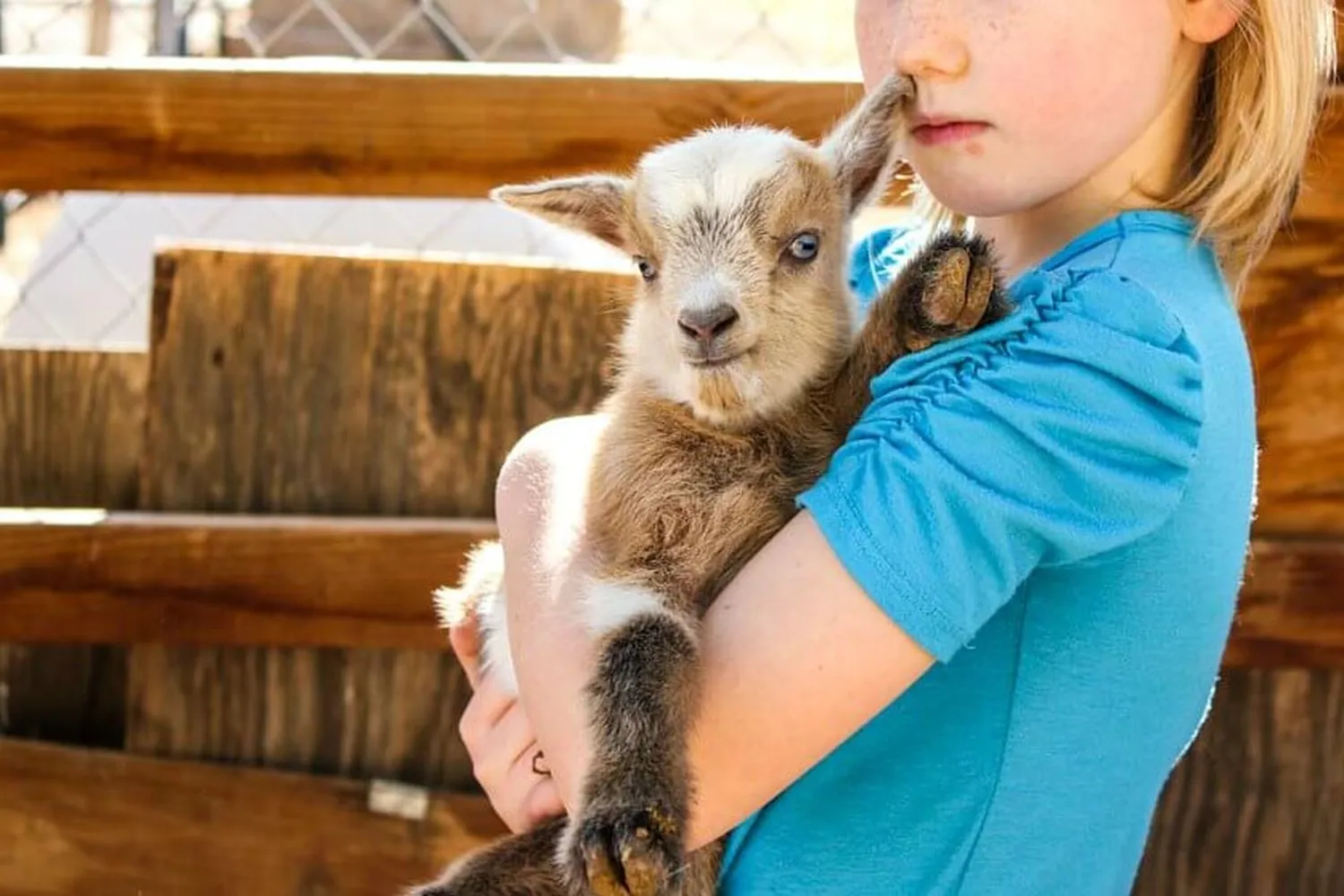
Mastering how to take care of a newborn goat kid is critical for any livestock producer. The initial 24 hours of a baby goat's life demand direct observation and strict bio-security. Whether you are letting the mother raise them naturally or bottle-feeding, following a professional protocol safeguards growth rates and prevents loss.
1. Immediate Post-Birth Stabilization
When a kid is delivered, immediately strip mucus from the nostrils. If the kid struggles to breathe, gently suspend it by its hind legs to drain fluids. Use clean towels to dry the coat vigorously; this stimulates the respiratory system and prevents heat loss. Just as you would learn how to keep farm animals cool in extreme heat, managing the temperature of a newborn is a life-or-death task.
Next, dip the umbilical stump in 7% iodine. This seals the channel against bacteria, preventing "joint ill." If the cord is too long, trim it to 2 inches using sterilized shears before dipping.
2. The Rules of Colostrum Delivery
Newborn kids have no built-in immunity. They rely entirely on colostrum—the first milk rich in antibodies. This must be consumed within the first 2 hours of life. Quantitative data shows that a kid needs 10% of its body weight in colostrum during the first 24 hours.
| Kid Weight | Total Colostrum (24hrs) | Per Feeding (4x Daily) |
|---|---|---|
| 6.0 lbs (2.7 kg) | 9.6 fl oz | 2.4 fl oz |
| 8.0 lbs (3.6 kg) | 12.8 fl oz | 3.2 fl oz |
3. Housing and Warmth
A newborn cannot regulate its temperature well. Keep the kidding pen draft-free and lined with dry straw. If temperatures are freezing, use a safe heat lamp. While you might be focusing on how to build a cheap rabbit hutch for other animals, remember that goats need much more space and deeper bedding to stay warm.
4. Daily Feeding Schedule
After the colostrum phase, transition to whole milk or a high-quality milk replacer. Avoid soy-based replacers. For those also learning how to raise chickens for eggs in the backyard, you'll find that goats require a much stricter routine.
- Weeks 1-2: 4-6 oz milk, 4 times daily.
- Weeks 3-4: 8-12 oz milk, 3 times daily.
- Weeks 5-8: 16 oz milk, 2 times daily.
Regularly screen for "scours" (diarrhea). If foot issues arise, research how to treat bumble foot in chickens naturally for similar antiseptic cleaning principles. For expert veterinary advice, visit the Merck Veterinary Manual.