





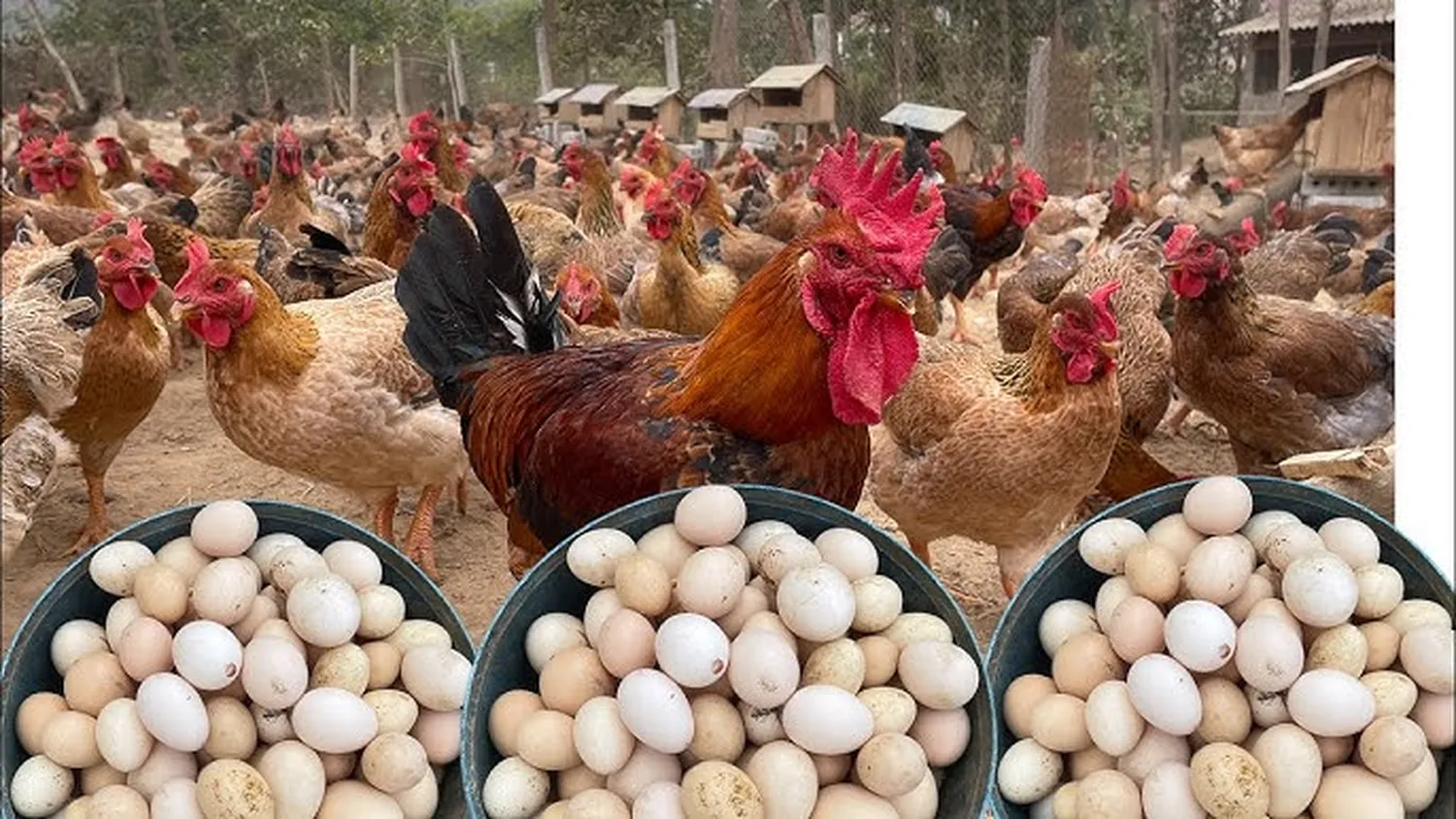
Learning how to raise chickens for eggs in the backyard is one of the most rewarding steps you can take toward self-sufficiency. Gathering warm, farm-fresh eggs every morning beats buying grocery store cartons hands down. Plus, managing your own flock allows you to control exactly what goes into your food supply while enjoying the lively personalities of your birds.
To achieve high production rates, you need to balance structural protection, proper space allocation, and precise nutritional choices. This guide breaks down the essential management strategies needed to transform your open lawn into a highly productive backyard egg homestead.
1. Check Zoning Rules & Flock Requirements
Before ordering your first batch of chicks, check your municipal regulations and neighborhood association codes. Many cities allow a small number of laying hens but strictly ban roosters due to noise complaints. Finding this out early saves you from heartbreaking legal compliance issues later.
A smart baseline for small families is to start with a flock of 3 to 5 hens. This ensures a steady supply of eggs throughout the week without overwhelming your available outdoor space or creating excessive cleaning chores. If you manage other small farm setups, like learning how to build a cheap rabbit hutch, you will find that chickens require similar planning regarding containment and regular cleanup routines.
2. Top Chicken Breeds for Maximum Egg Production
Not all chickens are equal when it comes to egg laying. Heritage dual-purpose breeds and specialized hybrids give you the highest return on feed costs. Choosing a breed that matches your local climate ensures your hens stay healthy and consistently productive.
The table below highlights top-performing egg layers ideal for residential yards:
| Breed Name | Avg. Eggs / Year | Egg Color | Temperament |
|---|---|---|---|
| Rhode Island Red | 250 - 300 | Brown | Hardy & Active |
| White Leghorn | 280 - 320 | White | Skittish & Alert |
| Australorp | 250 - 280 | Brown | Calm & Docile |
| Plymouth Rock | 200 - 250 | Brown | Friendly & Quiet |
3. Building a Secure and Functional Backyard Coop
A quality coop must serve two main purposes: shielding your flock from harsh elements and keeping out determined predators like raccoons, hawks, and foxes. Use strong hardware cloth instead of flimsy chicken wire for the window vents and run enclosures, as predators can tear through basic wire easily.
Your construction plan should provide these minimum spatial dimensions:
- Indoor Coop Space: Allocate at least 3 to 4 square feet per bird inside the roosting house.
- Outdoor Run Space: Provide 8 to 10 square feet per bird in an attached fenced run.
- Nesting Boxes: Install 1 nesting box for every 3 to 4 hens, filled with clean straw or wood shavings.
- Roosting Bars: Set up wooden roosts positioned off the ground, allowing 8 to 10 inches of linear space per bird.
4. Feeding Regimes for Consistent Egg Laying
To produce strong shells and rich yolks daily, hens need a balanced diet. High-quality commercial layer pellets or crumbles containing 16% protein should form the core of their daily ration. For safety and health, consult official guidelines from the U.S. Department of Agriculture (USDA) regarding small-scale flock nutrition and biosecurity measures.
In addition to standard feed, you must provide free-choice oyster shells or crushed clean eggshells in a separate dish. This extra calcium helps hens replenish the significant nutrients used up during shell formation, preventing thin, brittle eggs. Keep clean, fresh water accessible at all times; even a few hours without water can stop a hen from laying for several days.
5. Seasonal Upkeep and Health Protocols
Keeping your coop clean prevents respiratory issues and parasite infestations like mites or lice. Replace soiled bedding weekly, and do a complete deep-clean scrub down twice a year. Watch your flock's behavior regularly; limping or lethargy often indicates underlying issues like egg-binding or common injuries such as pododermatitis. If a hen hurts her foot pad, learning how to treat bumble foot in chickens naturally can quickly get her back on her feet.
Varying weather conditions also require quick adjustments. When summer temperatures climb, you must discover how to keep farm animals cool in extreme heat to avoid dangerous heat stroke. Providing shaded runs, ice blocks in waterers, and misting fans helps keep their body temperatures stable and preserves your daily egg counts during intense summer heatwaves.
6. Frequently Asked Questions
At what age do hens start laying eggs?
Most pullets begin laying their first small eggs between 18 and 24 weeks of age, depending on their breed and the time of year.
How long do backyard chickens continue to lay eggs?
Hens lay most productively during their first two years. After that, egg production naturally drops by about 10% to 20% each year, though they can live for 8 years or more.
Do I need a rooster to get fresh eggs?
No. Hens will lay eggs perfectly fine without a rooster. You only need a rooster if you want fertile eggs to hatch into baby chicks.
Conclusion
Mastering how to raise chickens for eggs in the backyard comes down to setting up a daily routine of clean water, balanced feed, and reliable predator protection. By picking high-yielding breeds and maintaining a clean coop, you will enjoy delicious, homegrown eggs right from your yard for years to years. Start with a manageable number of birds, focus on high-quality nutrition, and watch your backyard flock thrive.