





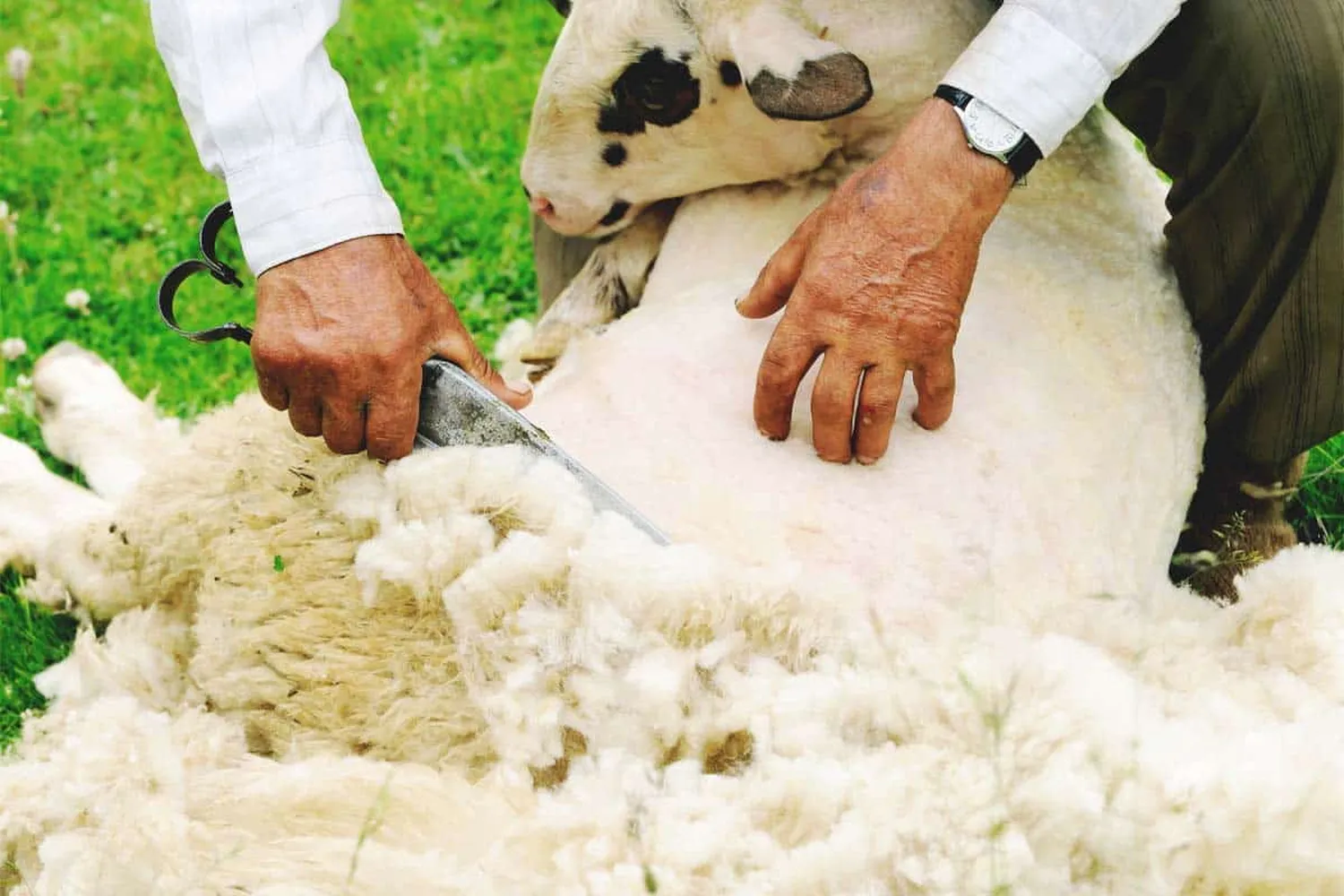
Learning how to shear a sheep for the first time can feel intimidating, but it is a vital skill for flock health and wool production. Shearing isn't just about the wool; it prevents heat stress and keeps external parasites at bay. This guide breaks down the equipment, the physical positioning, and the precise patterns needed to achieve a clean fleece without stressing your livestock.
Pre-Shearing Preparation: The 12-Hour Rule
Success in knowing how to shear a sheep for the first time starts before you touch the shears. You must fast the sheep for 12 to 24 hours before shearing. A full stomach makes the sheep uncomfortable when sat on its rump and can lead to internal distress. Ensure the wool is 100% dry; shearing wet sheep is dangerous for the electrical equipment and can cause wool rot if the fleece is stored damp.
If you are also learning how to keep farm animals cool in extreme heat, you'll recognize that shearing is the best preventative measure for sheep during the summer months.
Essential Shearing Tools for Beginners
Choosing the right gear determines the quality of the cut and the safety of the animal. For beginners, a variable speed electric clipper is often easier to control than traditional hand shears.
| Tool Name | Primary Purpose | Pro Tip |
|---|---|---|
| Electric Shears | Bulk wool removal | Keep blades oiled every 10 mins |
| Comb and Cutter | The actual cutting blades | Start with a 13-tooth comb |
| Shearing Grease | Cooling the blades | Prevents skin burns from friction |
The 5-Step Shearing Pattern
Follow the "Bowen" technique to ensure you don't miss spots or cause "second cuts" (short bits of wool that lower fleece value).
- The Belly: Sit the sheep on its rump. Shear from the brisket down to the flanks.
- Inside Legs: Carefully clear the wool from the inside of the hind legs and around the udder or scrotum.
- The Neck and Chin: Tilt the sheep's head back and make long blows from the brisket up to the jaw.
- The Long Blow: Lay the sheep on its side. Take long, sweeping passes from the tail up towards the head along the backbone.
- The Right Side: Finish by clearing the wool from the remaining shoulder and flank.
While working, always use your non-clipping hand to pull the skin taut. Sheep have very loose skin, especially around the neck, and wrinkles are where nicks happen. If you're used to how to take care of a newborn goat kid, you’ll know that gentle but firm handling is key to keeping the animal calm.
Post-Shearing Care and Health Checks
Once the wool is off, inspect the skin for any nicks or parasites. Use an antiseptic spray on any small cuts. Because the sheep has lost its "coat," it is vulnerable to sunburn and sudden cold snaps. Provide extra shade or a draft-free barn for the first 48 hours.
If you notice any skin irritations during shearing, it might be worth reviewing how to treat bumble foot in chickens naturally to understand basic livestock wound care and sanitation. For more professional livestock health standards, consult the FAO Animal Production Guidelines.
Frequently Asked Questions
When is the best time of year to shear?
Usually early spring, before the heat of summer and before lambing, so the ewe is clean for her lambs.
Does shearing hurt the sheep?
No, it is like getting a haircut. If done correctly with sharp tools and proper technique, the sheep feels much lighter and cooler.
Remember, your first sheep will take time—perhaps 20 to 30 minutes. Professional shearers can do it in under 2 minutes, but your goal as a beginner is safety and a complete fleece. For those looking to expand their farm skills, learning how to build a cheap rabbit hutch can be a great next project to improve your farm infrastructure.