





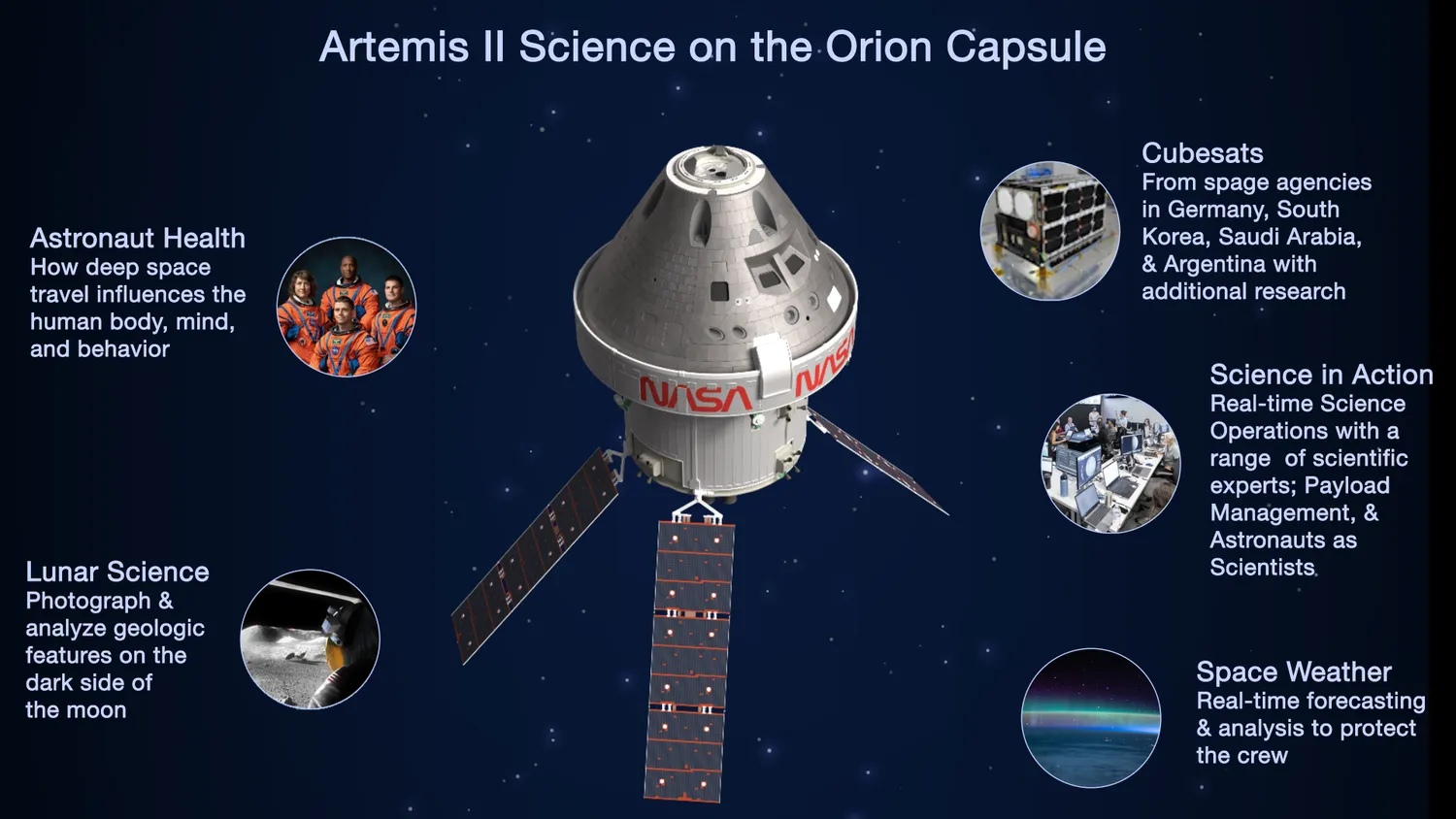
Picture a sleek, gumdrop-shaped capsule built to carry humans farther from Earth than any spacecraft in half a century. That’s NASA’s Orion. After its flawless performance on the Artemis II mission in April 2026, people everywhere are curious about what makes this spacecraft so special. From its life-support systems to its heat shield, Orion combines proven engineering with cutting-edge technology to keep astronauts safe on journeys to the Moon and beyond.
What Is the Orion Spacecraft?
Orion is NASA’s deep-space exploration vehicle designed to carry crews of four on missions to the Moon and eventually prepare humans for Mars. It’s the only spacecraft currently capable of sustaining humans beyond low Earth orbit for extended periods. Built by Lockheed Martin with major contributions from the European Space Agency, Orion consists of a crew module, service module, and launch abort system. If you’re new to the program, our guide to the NASA Artemis Program explained for beginners gives the perfect big-picture view.
Key Features and Specifications
Orion is packed with impressive numbers that show why it’s ready for deep space:
| Feature | Details |
|---|---|
| Crew Capacity | 4 astronauts |
| Mission Duration | Up to 21 days |
| Habitable Volume | 316–330 cubic feet (57% more than Apollo) |
| Gross Liftoff Weight (Artemis II) | 78,000 lbs |
| Diameter | 16.5 feet |
| Power Generation | 11 kW solar arrays |
The European Service Module
One of Orion’s most important parts is the European Service Module built by ESA. It supplies propulsion, electricity from four large solar arrays that generate 11 kilowatts, thermal control, and life support consumables. Without it, the crew module couldn’t travel to the Moon or return safely. This international partnership is a perfect example of how global teams are making deep space exploration possible.
Launch Abort System and Safety Features
Safety comes first. Orion’s Launch Abort System can pull the crew module away from the SLS rocket in milliseconds if anything goes wrong during launch. Inside, the spacecraft has full redundancy in critical systems, advanced radiation shielding, and a state-of-the-art heat shield that survived the fiery re-entry from lunar speeds during Artemis II. The glass cockpit displays and digital controls give astronauts clear, real-time information.
Orion in Action: Artemis II Mission
On April 1, 2026, Orion proved itself when it launched with four astronauts on the historic Artemis II mission. The spacecraft carried the crew more than 252,000 miles from Earth, flew around the far side of the Moon, and splashed down safely in the Pacific on April 10. Every system—from communications while behind the Moon to the heat shield during re-entry—worked exactly as planned. You can read the full story in our article on Artemis II mission details and launch date.
Technology That Sets Orion Apart
Orion isn’t just an updated Apollo capsule. It features:
- Advanced avionics and a modern glass cockpit
- High-efficiency solar arrays and batteries for long-duration power
- Improved life support that can sustain four people for three weeks
- A larger, more comfortable crew module with better radiation protection
- State-of-the-art docking system for connecting with future lunar landers and the Gateway station
To understand how the powerful rocket that carried it works, check out Space Launch System SLS rocket power and specs.
Orion vs Apollo: What’s Different?
While Orion looks a bit like the old Apollo capsules, the differences are huge. Apollo was built for quick trips; Orion is built for longer stays and future Mars missions. It has more living space, better technology, and international components that Apollo never had. For a full side-by-side look, see our comparison Apollo vs Artemis differences comparison.
Future Role in Moon and Mars Exploration
With Artemis II behind it, Orion is now the proven ride for the next steps. It will carry astronauts to the lunar surface on Artemis III and later missions, then help build a sustainable presence on the Moon. The lessons learned will directly feed into the technology needed to send humans to Mars one day. Learn more about what lies ahead in our piece on future Moon missions and lunar exploration goals.
Frequently Asked Questions About the Orion Spacecraft
How long can Orion stay in space?
Up to 21 days with a full crew of four, limited only by consumables and supplies.
Where is the European Service Module built?
It’s built by the European Space Agency and provides power, propulsion, and life support for the entire mission.
Did Orion perform well on Artemis II?
Yes—every major system worked perfectly during the 10-day lunar flyby in April 2026.
How does Orion compare in size to Apollo?
It offers 57% more habitable volume while being roughly the same diameter, making it far more comfortable for crews.
Where can I see official photos and videos of Orion?
Head to our NASA image and video library free download guide for high-resolution mission imagery.
Conclusion: Orion Is Ready for the Next Giant Leap
The Orion spacecraft has moved from drawing board to proven deep-space explorer. Its successful Artemis II flight showed the world that NASA and its partners have built a reliable, advanced vehicle ready for regular trips to the Moon. With every mission, Orion brings us closer to a sustainable lunar presence and, one day, the first human footsteps on Mars. The future of human spaceflight looks brighter than ever.