





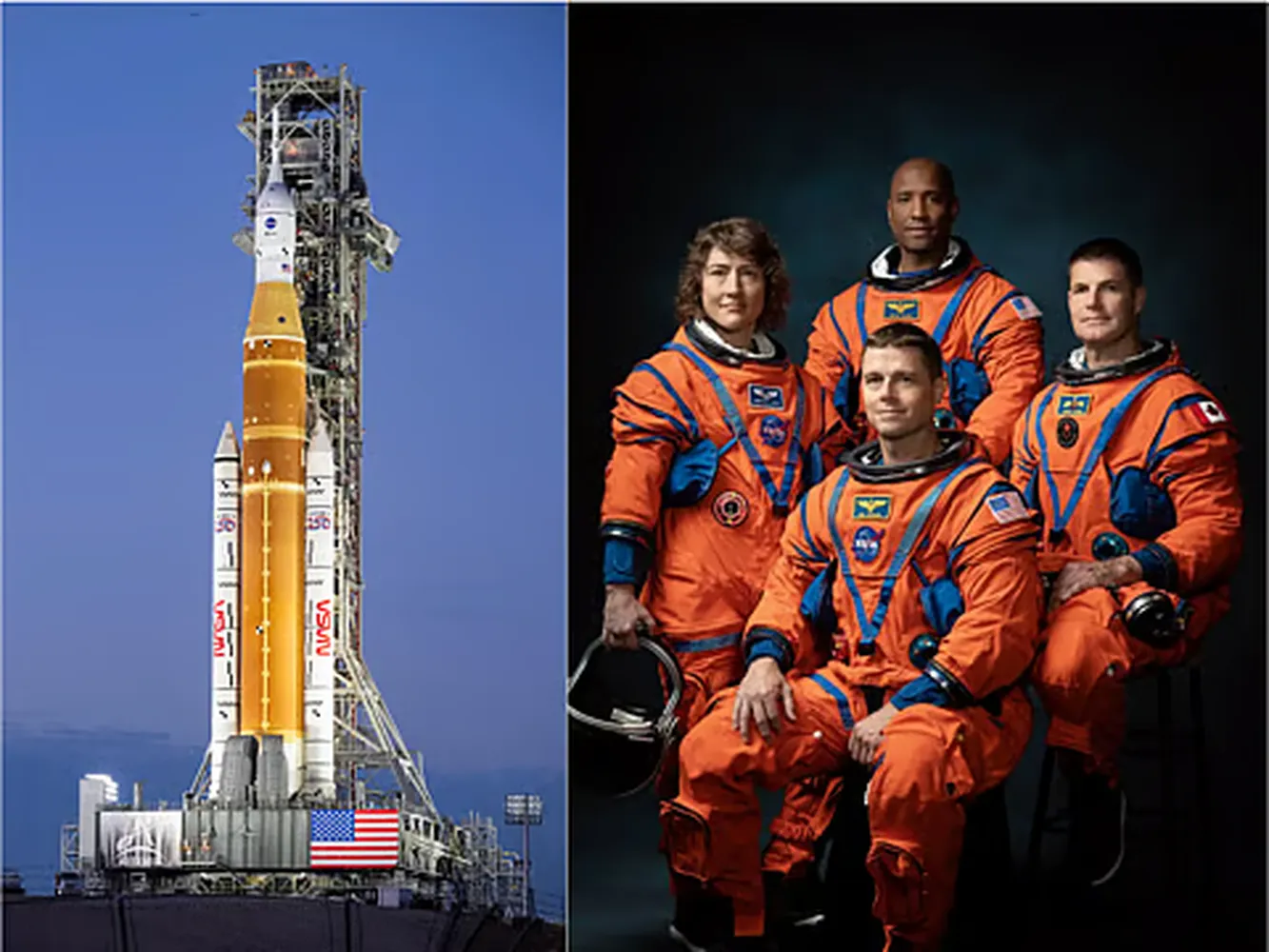
Artemis II marked a major milestone in human spaceflight when it lifted off on April 1, 2026. This was NASA’s first crewed mission in the Artemis program, sending four astronauts on a 10-day journey around the Moon and back—the first time humans traveled beyond low Earth orbit since Apollo 17 more than 50 years earlier. The successful launch at 6:35 p.m. EDT from Kennedy Space Center and safe return on April 10 showed how far technology has come and set the stage for future lunar landings.
What Is Artemis II?
Artemis II was the second flight in NASA’s Artemis campaign and the first with a crew aboard the Orion spacecraft. Its main goal was to test every system that will one day carry astronauts to the lunar surface and eventually to Mars. Unlike uncrewed test flights, this mission put real people in deep space to check life support, navigation, and re-entry systems under real conditions. The entire flight covered more than 685,000 miles and gave engineers critical data for the next steps in lunar exploration.
If you want to understand the bigger picture, read our guide to the NASA Artemis Program explained for beginners to see how Artemis II fits into NASA’s long-term plans.
Launch Date and Timeline
The Artemis II launch date was April 1, 2026, at exactly 6:35 p.m. EDT. The two-hour launch window opened right on schedule, and the SLS rocket performed flawlessly. After liftoff, the crew spent the first day in a high Earth orbit before heading toward the Moon. The journey included a close flyby of the lunar far side at about 4,000 miles from the surface. The crew splashed down safely in the Pacific Ocean on April 10, 2026, after a textbook re-entry at nearly 30 times the speed of sound.
Meet the Artemis II Crew
The four astronauts chosen for this historic flight brought a wealth of experience:
- Commander Reid Wiseman – NASA astronaut and veteran of the International Space Station
- Pilot Victor Glover – NASA astronaut who flew on SpaceX Crew-1
- Mission Specialist Christina Koch – NASA astronaut who holds the record for the longest single spaceflight by a woman
- Mission Specialist Jeremy Hansen – Canadian Space Agency astronaut making his first spaceflight
This international crew highlighted the growing global partnership in space exploration. For more on crew preparation, check how astronauts train for Artemis II mission.
SLS Rocket and Orion Spacecraft
At the heart of the mission was NASA’s Space Launch System (SLS) Block 1 rocket—the most powerful ever built for human spaceflight. It generated 8.8 million pounds of thrust at liftoff and stood taller than the Statue of Liberty. Riding on top was the Orion spacecraft, designed to carry four astronauts safely to the Moon and back. You can learn more technical details in our article on Space Launch System SLS rocket power and specs and Orion spacecraft features and technology.
The 10-Day Lunar Journey
Once in space, the crew followed a figure-eight path around Earth and the Moon. They performed several engine burns to reach lunar distance, flew behind the Moon (out of radio contact with Earth for about 45 minutes), and captured stunning views of the lunar far side. The mission tested communication systems, radiation shielding, and the Orion heat shield that protected the crew during the fiery return to Earth.
Key Mission Facts and Data
| Parameter | Details |
|---|---|
| Launch Date & Time | April 1, 2026 – 6:35 p.m. EDT |
| Mission Duration | Approximately 10 days |
| Total Distance Traveled | 685,000+ miles |
| Crew Size | 4 astronauts |
| Peak Distance from Earth | Over 252,000 miles |
| Splashdown Date | April 10, 2026 |
Apollo vs Artemis: Key Differences
While Artemis II followed a similar lunar flyby path to early Apollo test flights, the technology and goals are very different. The SLS and Orion are designed for longer stays and sustainable exploration. Read our full comparison in Apollo vs Artemis differences comparison to see how today’s hardware will support the first woman and person of color on the Moon in future missions.
Frequently Asked Questions About Artemis II
What was the launch date of Artemis II?
April 1, 2026, at 6:35 p.m. EDT from Kennedy Space Center.
Did Artemis II reach the Moon?
Yes—the crew flew around the Moon and passed behind the far side before returning safely to Earth.
Why was Artemis II important for future missions?
It proved the SLS rocket and Orion spacecraft work with a crew aboard, paving the way for Artemis III and crewed lunar landings.
Where can I see official NASA images and videos from Artemis II?
Visit the NASA image and video library free download guide for high-resolution photos and footage from the mission.
What comes next after Artemis II?
Artemis III will land astronauts on the Moon. Learn more in our article on future Moon missions and lunar exploration goals.
Conclusion: A New Chapter in Human Space Exploration
With its successful launch on April 1, 2026, and flawless return, Artemis II proved that NASA and its international partners are ready to establish a lasting presence on the Moon. The mission delivered real data, inspiring images, and renewed excitement for space travel. Every step brings us closer to landing the next humans on the lunar surface and one day stepping foot on Mars. Stay tuned for more updates as the Artemis program continues to unfold.