





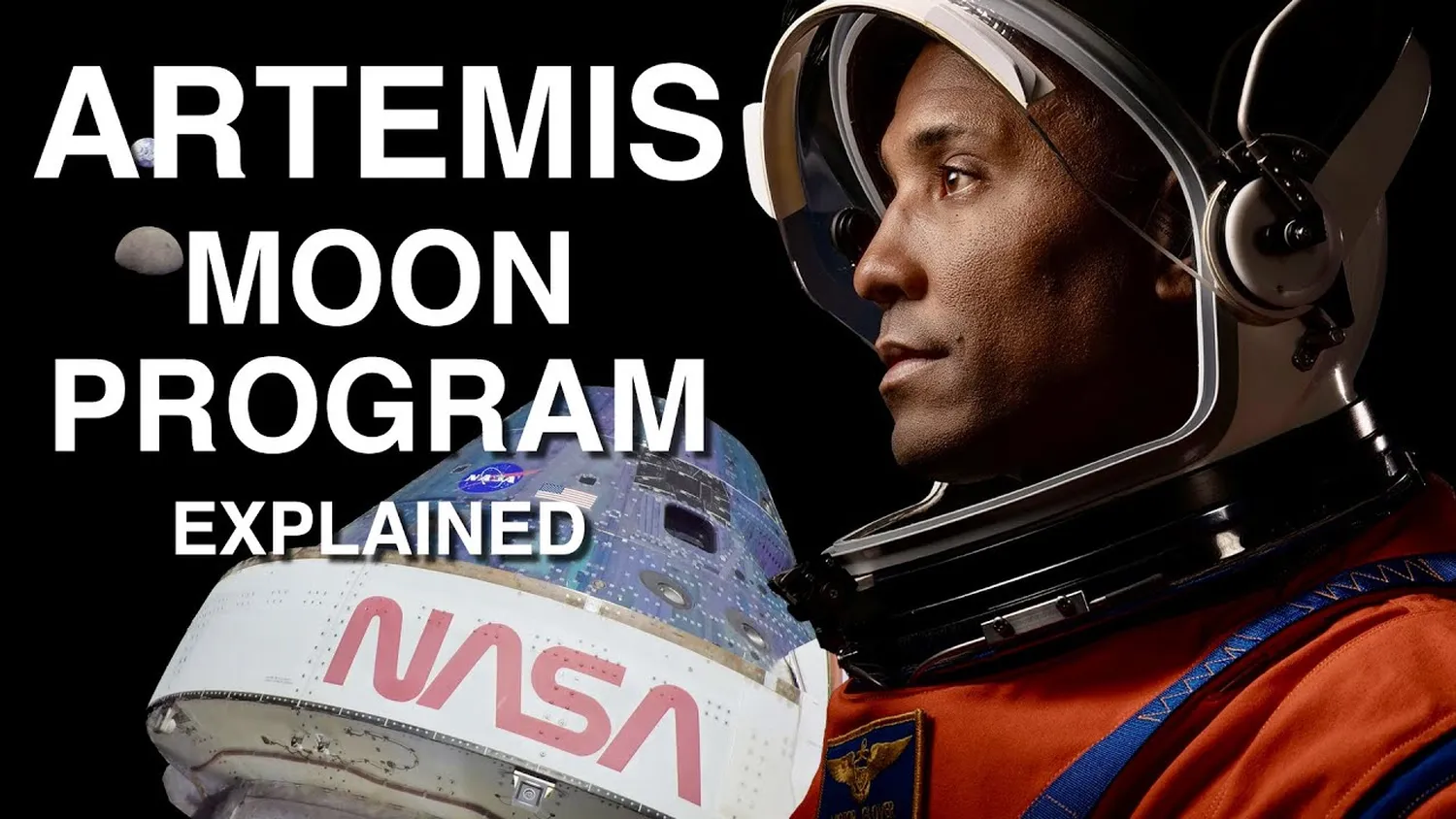
If you’ve ever wondered why NASA is going back to the Moon after more than 50 years, the Artemis Program is the answer. It’s NASA’s big, exciting plan to land the first woman and first person of color on the lunar surface, build a lasting base there, and get ready for sending humans to Mars one day. This beginner-friendly guide breaks everything down simply—no rocket science degree required.
What Is the NASA Artemis Program?
Artemis is NASA’s long-term human space exploration program named after the Greek goddess of the Moon and twin sister of Apollo. While the original Apollo missions in the 1960s and 70s were short visits, Artemis is about staying and exploring. It uses brand-new rockets, spacecraft, and international teamwork to create a sustainable presence on and around the Moon.
To see the program in action, check out the full Artemis II mission details and launch date that made history in April 2026.
Goals and Timeline
The main goals are straightforward: safely return humans to the Moon by the late 2020s, test new technologies for longer stays, and prepare for Mars. The program is happening in numbered steps:
- Artemis I – Uncrewed test flight (already completed successfully in 2022)
- Artemis II – First crewed flight around the Moon (launched April 1, 2026)
- Artemis III – First crewed landing near the lunar south pole (planned for 2027)
After that, NASA plans regular missions every few years to build the Lunar Gateway space station and a surface base.
Artemis II Success in April 2026
On April 1, 2026, at 6:35 p.m. EDT, the most powerful rocket ever built lifted off from Florida carrying four astronauts on a 10-day journey around the Moon. The mission covered over 685,000 miles and brought the crew safely back to Earth on April 10. It was the first time humans traveled beyond low Earth orbit since Apollo 17 in 1972. The flight proved that the new systems work with people on board and gave engineers priceless real-world data.
Key Hardware: SLS Rocket and Orion Spacecraft
Two pieces of hardware make Artemis possible. The Space Launch System (SLS) rocket generates 8.8 million pounds of thrust—more powerful than the Saturn V used in Apollo. Sitting on top is the Orion spacecraft, which can carry up to four astronauts, has advanced life support, and features a heat shield that survived re-entry speeds of nearly 25,000 mph.
You can dive deeper into the technology with our guides on Space Launch System SLS rocket power and specs and Orion spacecraft features and technology.
How Artemis Is Different from Apollo
While both programs aim for the Moon, the differences are huge. Apollo was a race to beat the Soviet Union with short missions. Artemis focuses on sustainability, science, and international cooperation. It will use reusable elements, leave hardware in lunar orbit, and test systems we’ll need for Mars. Read our full side-by-side comparison in Apollo vs Artemis differences comparison.
International Partners and Teamwork
NASA isn’t doing this alone. The European Space Agency built Orion’s service module, Canada provided the robotic arm for the Lunar Gateway, and Japan and others are contributing science instruments and future landers. This teamwork makes the program stronger and shares the cost and knowledge across countries.
What’s Next: Future Moon Missions
With Artemis II complete, the focus shifts to Artemis III and the first crewed landing near the south pole where water ice could be turned into rocket fuel. Later missions will build the Lunar Gateway station and a surface camp. These steps will teach us how to live and work on another world—skills we’ll use when we eventually head to Mars.
For the full roadmap, see our article on future Moon missions and lunar exploration goals.
Frequently Asked Questions About the NASA Artemis Program
Why is NASA going back to the Moon?
To learn how to live and work on another world, find resources like water ice, and prepare for sending humans to Mars.
When was Artemis II and what did it achieve?
It launched April 1, 2026, and successfully flew four astronauts around the Moon in 10 days—the first crewed deep-space mission since 1972.
What is the SLS rocket used for?
The SLS is NASA’s super-powerful rocket that sends the Orion spacecraft and astronauts toward the Moon on every Artemis mission.
Who will be the first woman on the Moon?
NASA plans to land the first woman and first person of color on the Moon during Artemis III or IV, expected in 2027 or later.
Where can I see beautiful Artemis photos and videos?
Visit the NASA image and video library free download guide for official high-resolution mission images and footage.
Conclusion: The Artemis Program Is Just Getting Started
The NASA Artemis Program is more than a return to the Moon—it’s the beginning of a new era of human space exploration. With the successful Artemis II mission now behind us, we’re one giant leap closer to living and working on the Moon and eventually reaching Mars. Whether you’re a space fan, student, or just curious, the best is yet to come.