





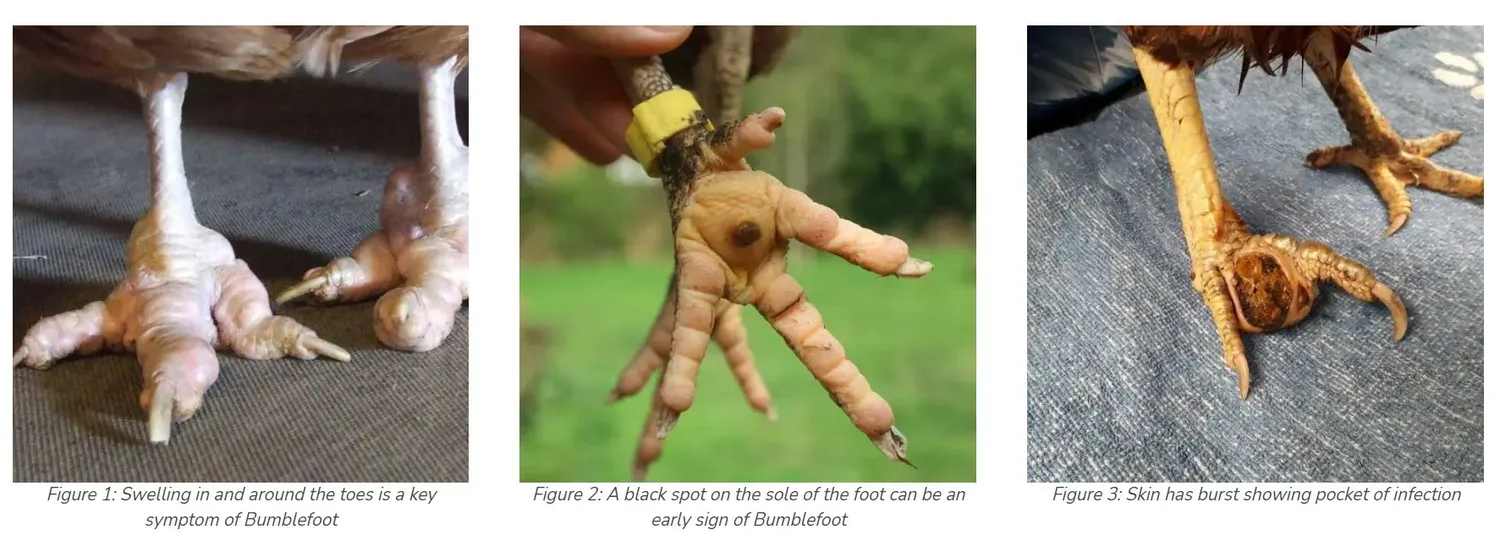
Finding a dark, swollen scab on the bottom of your favorite hen's foot pad can be worrying for any backyard flock owner. This condition, known as bumblefoot (ulcerative pododermatitis), is a bacterial infection that typically starts when a small cut or abrasion lets environmental staph bacteria inside the skin tissue. Left unmanaged, it leads to painful limping, lower egg numbers, and deep tissue structural damage.
While standard modern treatment often involves painful surgical cutting to cut out the hardened core plug, learning how to treat bumblefoot in chickens naturally offers a highly effective, non-invasive alternative. By combining targeted herbal soaks, strong natural disinfectants, and clean resting spaces, you can clear up mild to moderate cases without risking additional open surgical wounds or stressing out your birds.
1. Identifying Bumblefoot Stages and Symptoms
Bumblefoot usually develops after a bird surfaces from a rough landing or steps on a jagged splinter. The injury breaks the skin protective lining, allowing bacteria to multiply. Early detection makes natural treatments much simpler and speeds up recovery times significantly.
Watch for early warnings like a slight limp, favoring one leg while standing, or a small localized raw pink spot on the pad. Over time, this spot hardens into a distinct black or dark brown crusty scab. For comprehensive flock management, check your birds during routine maintenance chores—just as you would monitor water intake when figuring out how to keep farm animals cool in extreme heat to prevent seasonal stress.
2. Essential Natural Healing Supplies
Treating this condition without surgery requires using items that soften skin tissues while naturally fighting off bacteria. For more serious health cases or to understand underlying bacterial strains, consult the animal welfare advice offered by the U.S. Department of Agriculture (USDA).
The table below summarizes the key natural ingredients needed for successful treatment:
| Natural Ingredient | Main Benefit | How to Use It |
|---|---|---|
| Epsom Salt | Reduces swelling & draws out toxins | Dissolve in warm water bath |
| Raw Honey | Fights bacteria & seals tissue | Apply directly under gauze pad |
| Oregano Oil | Strong natural antimicrobial punch | Mix dilute drops into carrier oil |
| Calendula Salve | Speeds up skin cell regrowth | Rub gently on healed margins |
3. Step-by-Step Natural Treatment Protocol
Follow these practical steps daily until the dark kernel plug loosens on its own and new, healthy pink tissue fills the pad cavity area:
- The Warm Epsom Soak: Submerge your chicken's infected foot in a comfortable bath of warm water mixed with Epsom salts for 15 to 20 minutes. This softens the hardened skin layers and draws out deep infection.
- Gently Cleanse and Massage: Spray the area with diluted iodine or colloidal silver. Use your fingers to gently rub around the edges of the dark scab to encourage the hard center to shift naturally. Do not pull or rip the skin open.
- Pack with Honey Packing: Generously cover the open pad area with raw, unpasteurized honey or a coconut-oil herbal mixture to create a protective barrier against bacteria.
- Wrap Securely: Place a clean gauze pad over the wound and wrap it firmly with self-adhesive flexible wrap (Vet Wrap). Weave the wrap carefully between the toes so it stays secure without cutting off circulation.
4. Preventing Foot Injuries in the Coop
Once your hen recovers, keeping your coop layout safe prevents the issue from returning. Make sure your indoor roosting bars are placed no higher than 18 to 24 inches off the floor. Heavy egg-laying hens can easily bruise or split their delicate foot pads when jumping down onto hard surfaces from high perches. This is especially true for heavy heritage birds chosen when designing a layout for how to raise chickens for eggs in the backyard.
Keep your indoor bedding deep, dry, and free of mold or sharp pieces. If you run multiple livestock enclosures on your homestead, like the methods used when planning how to build a cheap rabbit hutch, you know that keeping flooring smooth and clean is the best way to prevent foot sores and injuries across all your animals.
5. Frequently Asked Questions
Can you cure bumblefoot without cutting it open?
Yes. Early and moderate cases respond very well to repeated warm Epsom salt baths and antimicrobial honey wraps, which allow the hard core plug to work its way out naturally.
Should I separate the chicken during her recovery?
It is best to isolate her in a clean, dry dog crate or small pen line with thick straw for a few days. This keeps her dressing completely clean and prevents other birds from pecking at her bandaged foot.
How do I know the infection is completely gone?
The foot pad is healed when the black scab drops away entirely, the swelling goes down, and smooth, healthy pink skin covers the bottom of the foot.
Conclusion
Learning how to treat bumblefoot in chickens naturally lets you care for your flock using gentle, effective home remedies. By catching infections early, soaking the feet regularly, and using powerful natural salves like raw honey, you can help your hens recover comfortably without the stress of surgery. Keep your coop perches low, check your birds' feet routinely, and enjoy a happy, healthy flock.