





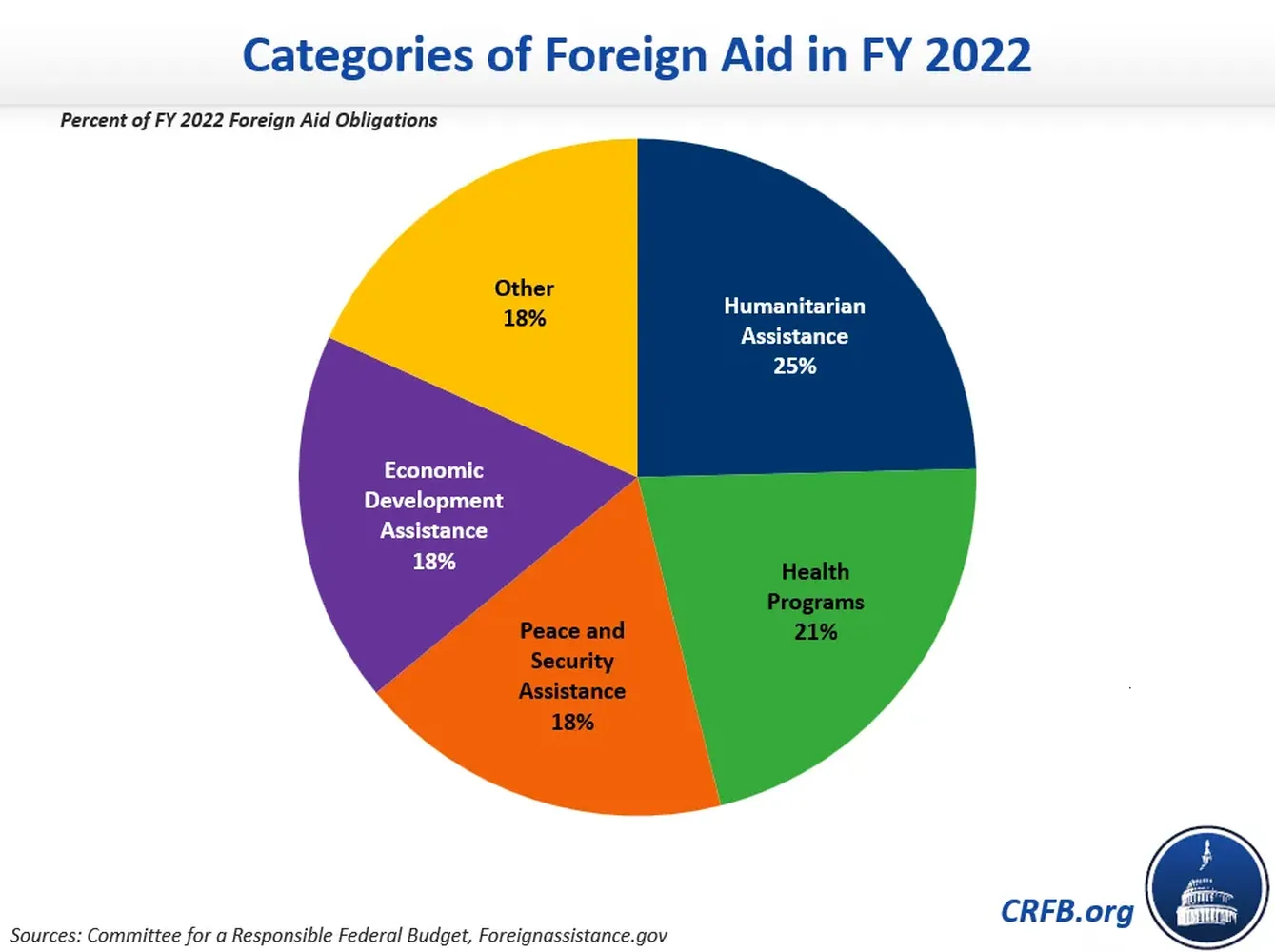
Learning how to track government spending on foreign aid has become an invaluable skill for civic accountability. Every fiscal year, massive financial allocations leave national vaults destined for international humanitarian programs, infrastructural initiatives, and emergency relief funds. Without direct monitoring strategies, tracking down exactly where these tax dollars end up can feel like navigating an intricate maze. Fortunately, digital transformation and open data mandates make it entirely possible to parse true data points and inspect transaction registers from home.
Whether you want to learn how to contact your congressman directly about specific local priorities or evaluate the effectiveness of global allocations, transparency tools provide the essential groundwork. This article details the primary platforms, critical analytical metrics, and precise investigative steps required to map out global assistance workflows cleanly.
Primary Portals for Public Aid Assessment
The absolute fastest approach to identifying fund destinations begins with centralized repository databases. For example, the United States government maintains dynamic dashboards showing real-time ledger distributions across separate implementation bodies such as USAID or the Department of State.
Before jumping straight to external watchdogs or adjusting your local civic footprint by discovering how to change political party affiliation, examining official data sources provides factual leverage. The global community uses standardized metrics to log transactions systematically.
| Platform Base | Primary Focus Point |
|---|---|
| ForeignAssistance.gov | Official US visual data tracking profiles |
| USAspending.gov | Full federal agency financial tracking registry |
| OECD iLibrary | Global international development metrics |
Step-by-Step Methodology to Track Allocations
Extracting practical insights from these expansive database files requires a clear strategy. Rather than randomly entering terms, following an structured sequence keeps your records organized and accurate:
- Identify the Operational Entity: Pinpoint the agency executing the global assignment. Most programmatic foreign assistance runs through specialized international development bureaus.
- Apply Temporal and Spatial Filters: Use built-in filtering mechanisms to group transactions by the precise fiscal year and destination country.
- Isolate Sector Codes: Narrow down global initiatives by classification types, such as health systems, agricultural stability, or democratic institution support.
- Export Raw Database Records: Download data into common spreadsheets for comprehensive analysis, removing unnecessary rows to maintain mobile-friendly readability.
By mastering these sorting steps, you acquire the same raw information used by public policy experts. If you find significant budget discrepancies, your next step might be learning how to spot fake news in political campaigns or using official channels to address the issue directly with legislative representatives.
Differentiating Obligations From Disbursements
A common pitfall when studying how to track government spending on foreign aid is confusing committed funds with actual payments. Public financial reporting classifies these transactions under two distinct terms:
Obligations: Binding legal commitments made by a government body to provide specific funding to a country, contractor, or non-governmental organization.
Disbursements: The actual settlement transactions where funds are paid out from liquid treasury accounts to the recipient entity.
Tracking the gap between initial obligations and final disbursements can reveal delays in project implementation or shifting strategic goals. For more context on federal fiscal decisions, you can regularly watch White House press briefings live, where administration officials frequently discuss international aid commitments.
Independent Civil Society and Global Repositories
While primary government ledgers provide foundational numbers, third-party global open data networks offer essential context. Platforms such as the International Aid Transparency Initiative (IATI) collect data from hundreds of country governments and donor organizations into a single repository. This allows you to cross-verify official figures and monitor cross-border cash flows with high accuracy.
Frequently Asked Questions
Are hidden or classified funds included in public foreign aid track engines?
No, classified defense assistance or covert intelligence budgets are generally excluded from standard public financial portals due to national security regulations.
How frequently do official tracking portals refresh their spending records?
Most modernized databases update their accounting transaction rows monthly, though full project evaluations may be added on a quarterly schedule.
Conclusion
Learning how to track government spending on foreign aid empowers citizens to look past political talking points and analyze real financial data. By using platforms like ForeignAssistance.gov and IATI, filtering by specific agencies, and understanding the difference between obligations and disbursements, you can easily audit international spending and form data-driven perspectives on public policy.