





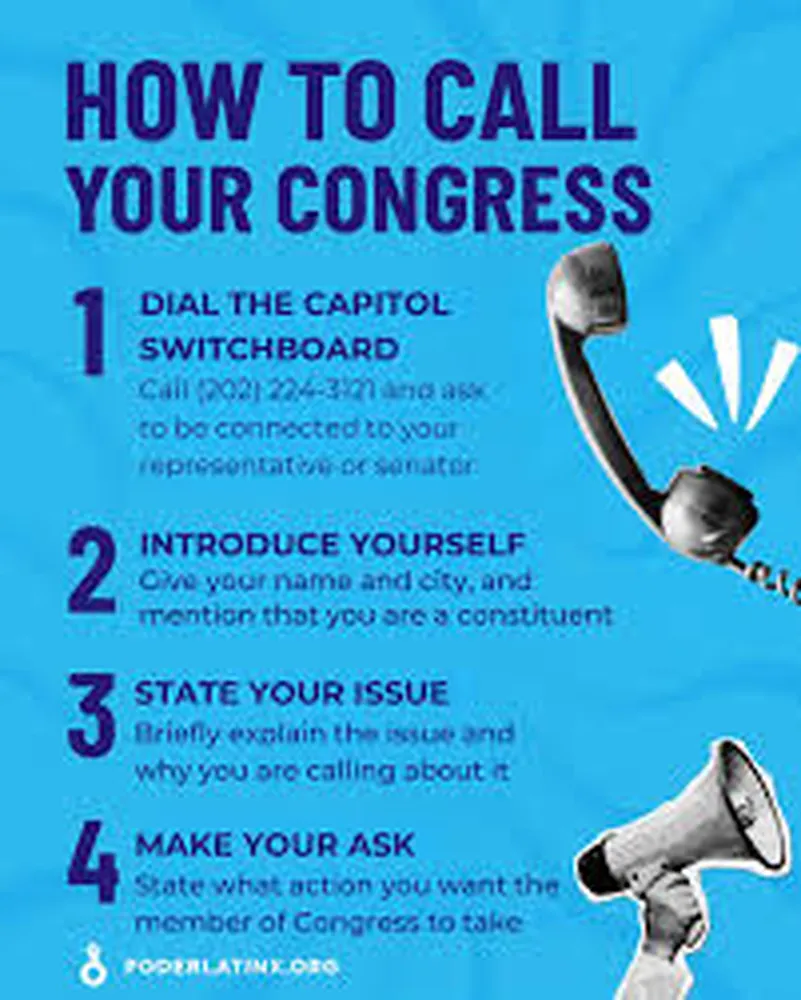
Connecting with your elected officials is a core part of participating in local democracy. Whether you want to voice your opinion on a pending bill or need help with a federal agency, knowing how to contact your congressman directly ensures your input reaches the right desk. Congressional staff process thousands of constituent messages every single week, tracking public sentiment to help guide legislative decisions.
Understanding these communication lines is especially helpful if you are active in civic updates, such as tracking deadlines on how to change political party affiliation or updating your voter registration details. This guide outlines the most reliable, direct methods to reach your representative's office and make sure your message is heard.
How to Locate Your Specific Representative
Before reaching out, you need to identify the exact member of Congress assigned to your household's district lines. Because boundaries can shift, looking up your representative using your full, nine-digit ZIP code is the most reliable approach. You can search the official roster instantly by visiting the Official U.S. House of Representatives Directory and entering your local address information.
Knowing who represents you is a vital step for any engaged citizen. This is true whether you are preparing for a local election by learning how to register as an independent voter or keeping tabs on broader policy decisions. Once you complete the search tool lookup, the system displays your representative's name, their official Washington, D.C. office number, and links to their digital contact portals.
The Most Effective Ways to Get in Touch
Constituents have several options for sharing their perspectives. Depending on how urgent your concern is, you can choose the channel that best matches your timeline:
- Phone Conversations: Calling your representative's local district office is often the fastest approach. Local staff members log these calls immediately, sharing constituent feedback directly with lawmakers before key committee votes.
- Official Digital Web Forms: Most offices prefer that you use the contact forms on their official websites rather than sending standard emails. This helps security systems verify that you reside within the district before routing your message to the appropriate staffer.
- In-Person Town Hall Events: Attending public forums gives you a chance to speak directly with your representative. These meetings offer a transparent setting to voice concerns alongside other members of your community.
Staying connected with your representative is key to staying informed. This is especially true if you track other civic matters, such as following policy debates or learning how to vote in US midterm elections. Building a clear, regular connection with your local office helps you stay up to date on legislative actions that affect your community.
Comparing Response Channels
Different communication methods carry different typical processing timelines. The table below breaks down what you can expect when reaching out to a congressional office:
| Contact Channel | Processing Time | Best For |
|---|---|---|
| Local Office Phone | Instant Intake | Urgent legislative votes and quick position tallies |
| Website Form | 3 to 10 Business Days | Detailed policy feedback and requests for agency help |
| Postal Mailing | 2 to 4 Weeks | Formal organization statements requiring security screening |
Tips for Drafting a Clear, Impactful Message
To ensure your message stands out and gets processed quickly by staff members, keep these practical tips in mind:
- State Your Resident Status Early: Clearly include your full name and home address at the top of your message. Staff members prioritize correspondence from people who live within their legislative boundaries.
- Focus on One Topic: Stick to a single bill or issue per message. Mixing multiple topics can slow down the routing process within the office.
- Be Specific: Mention specific bill numbers (such as H.R. 100 or S. 50) whenever possible, and explain exactly how the issue impacts your daily life or local business.
If your interests extend to monitoring public funds or foreign policy, you can use these same structured techniques when learning how to track government spending on foreign aid. Providing concise, fact-based arguments makes it easier for staff members to accurately log your positions for the lawmaker.
Frequently Asked Questions (FAQs)
Do congressmen actually read every piece of mail?
While lawmakers may not read every single message personally due to the sheer volume, their staff logs and categorizes every communication. Lawmakers receive regular reports detailing exactly where their constituents stand on key issues.
Should I contact the Washington, D.C. office or a local district office?
For personal help with federal agencies (like veterans' benefits or passport issues), reach out to a local district office. For opinions on upcoming national legislation or votes, the Washington, D.C. office is your best bet.
Conclusion
Learning how to contact your congressman directly is a powerful way to ensure your voice is part of the legislative process. By keeping your message focused, verifying your district lines, and choosing the right communication channel, you can make sure your perspectives are clearly shared with the people representing your community.