





Political campaigns thrive on information, but modern technology has turned election cycles into breeding grounds for digital manipulation. Learning how to spot fake news in political campaigns is no longer just a media literacy exercise—it is a critical civic responsibility. Fabricated stories, altered media, and misleading headlines are deliberately designed to trigger strong emotional reactions, sway public opinion, and influence voter behavior.
Understanding the Core Types of Political Misinformation
Before you can dissect online narratives, you must understand what you are up against. Misinformation during election seasons typically falls into specific categories designed to exploit systemic vulnerabilities in how we process information online. This manipulation often occurs right when citizens are trying to research crucial topics, such as learning how to vote in US midterm elections or examining candidate backgrounds.
Data from cybersecurity and media tracking firms indicates that a massive portion of online political material contains some form of contextual distortion. Propaganda efforts rarely rely on outright lies; instead, they use partial truths mixed with inflammatory language to maximize virality across social networks before voters can verify facts or attempt to how to change political party affiliation ahead of time.
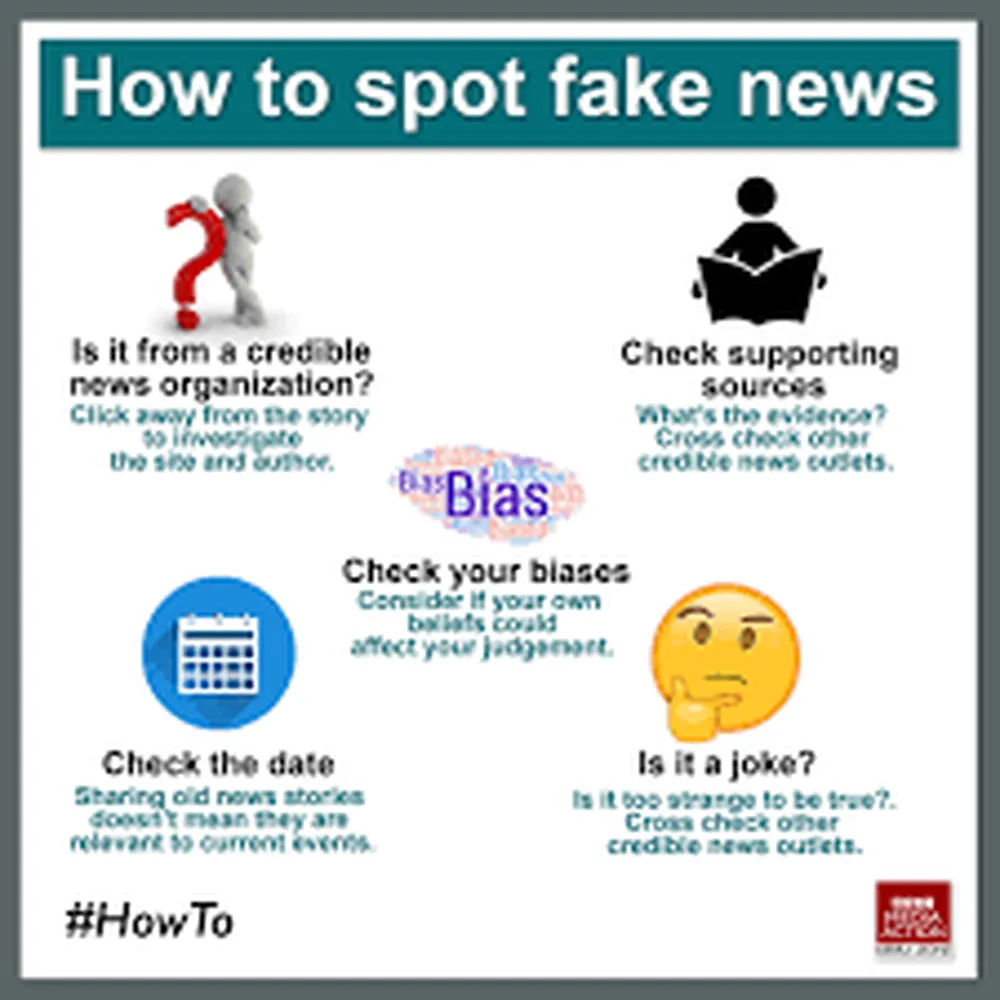
Step-by-Step Guide: How to Spot Fake News in Political Campaigns
- Investigate the Source URL: Fraudulent websites often mimic mainstream outlets by adding slight variations to their web addresses (e.g., adding ".co" or twisting the spelling of respected brands).
- Look Past the Headline: Outrageous headlines are constructed as clickbait. Read the entire piece to see if the accompanying data actually supports the sensational claim.
- Verify the Author's Credentials: Search for the writer's professional background. Legitimate political analysis is usually penned by accountable journalists with traceable histories.
- Analyze Supporting Evidence: Check if the quotes, official documents, or data points cited are actually real. If a claim references a public figure, look for official records or transcripts. Knowing how to contact your congressman directly can give you direct access to legislative records rather than relying on hearsay.
- Check Your Own Bias: Confirmation bias makes us susceptible to believing false stories simply because they paint a political opponent in a negative light. Always challenge content that perfectly matches your preconceived notions.
Common Signs of Political Propaganda
Disinformation networks use highly calculated patterns to trick algorithms and human brains alike. To counteract this, users should monitor the structurally predictive signs summarized below:
| Red Flag | Common Characteristic |
|---|---|
| Extreme Emotion | Uses highly charged words designed to provoke intense anger, fear, or shock. |
| No Attribution | Fails to link to official transcripts, data tables, or primary source material. |
| Suspicious Media | Contains blurry imagery, poor lip-syncing, or heavily edited video cuts. |
| Isolated Reporting | The massive "breaking news" cannot be found on any other credible website online. |
When voters do not double-check these flags, partisan divisions grow deeper. For instance, when trying to understand structural topics like how to track government spending on foreign aid, rely entirely on raw, official repository numbers rather than reading explosive opinion pieces hosted on hyper-partisan blogs. Voters looking to get involved or register must learn how to register as an independent voter without being swayed by false propaganda networks.
Essential Fact-Checking Resources
You don't have to verify everything on your own. Non-partisan organizations work continuously to cross-examine political advertising, platform speeches, and viral internet trends. Utilizing these databases is an incredible step forward in refining your personal media literacy defenses.
According to research from the International Fact-Checking Network (IFCN), utilizing independent fact-checking databases reduces the spread of online falsehoods significantly when users check claims prior to sharing. Combining these tools with standard research methods allows everyday internet users to completely neutralize digital deception campaigns before they spread through local communities.
Frequently Asked Questions
What is the easiest way to verify political news?
The fastest method is cross-referencing the story across multiple reputable news organizations or checking independent databases like FactCheck.org or PolitiFact.
How can I identify a deepfake video in a campaign?
Look for unnatural eye movements, distorted audio syncing, blurriness around the mouth lines, or unusual lighting patterns on the subject's face.
Why do people share fake political news?
Often driven by confirmation bias, individuals share content that aligns with their personal values or emotional triggers before validating its accuracy.
Conclusion: Protecting Democracy Through Vigilance
Learning how to spot fake news in political campaigns keeps you firmly in control of your own electoral decisions. By taking a few extra minutes to look past the headline, cross-reference external sources, and use non-partisan verification tools, you prevent digital operations from manipulating your perspective. Clean up your social media feeds, read critically, and ground your voting decisions in verifiable reality.