





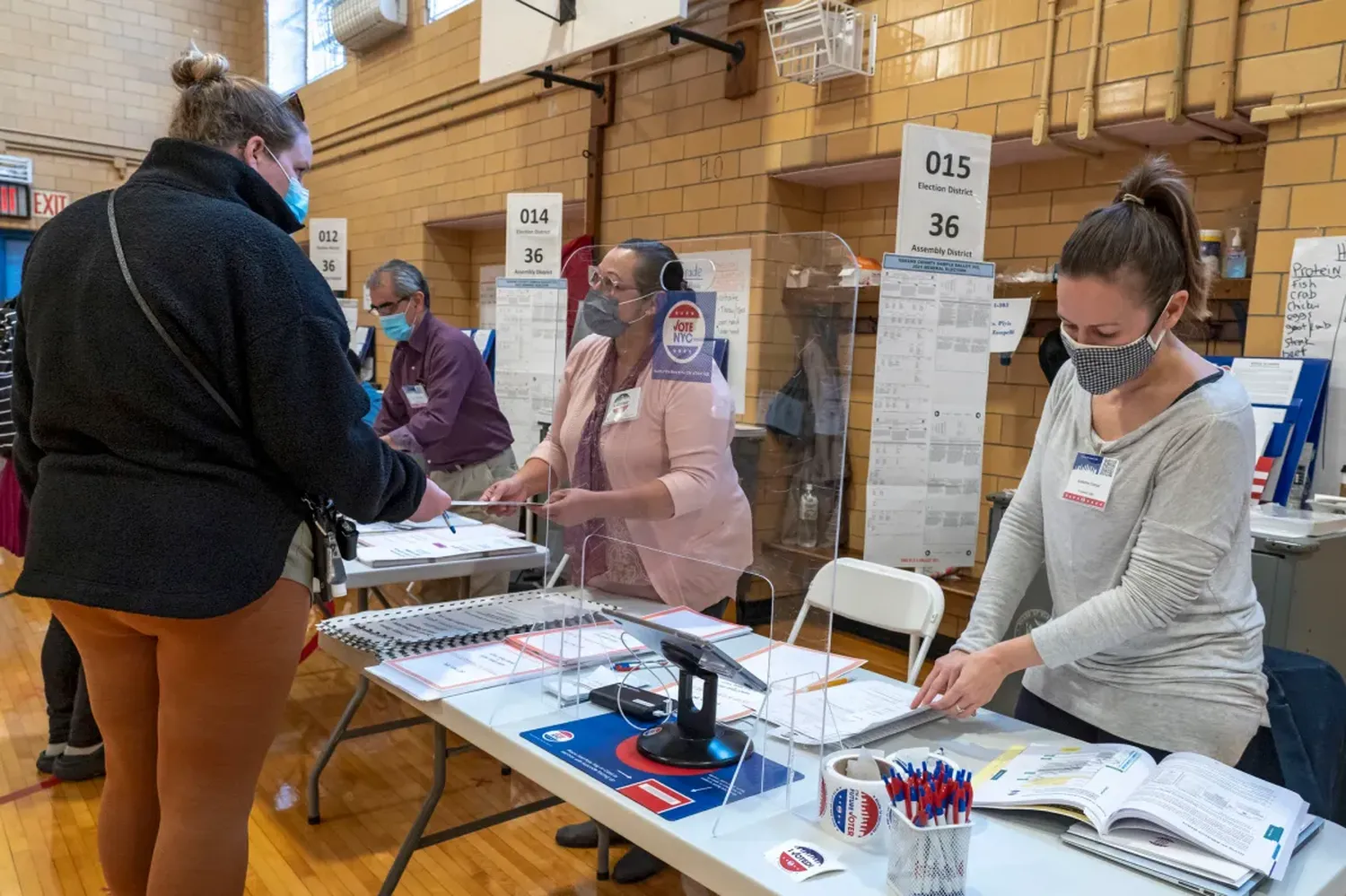
Navigating the civic architecture to understand exactly how to vote in US midterm elections can seem complex due to decentralized state regulations. However, participating in midterms remains a crucial way to influence legislative power and local policy. Because there is no singular federal system, your registration deadlines, ballot options, and valid identity requirements depend fully on where you reside. This completely updated, step-by-step guide walks you through every requirement to register properly, secure your legal ballot, and make your voice count clearly.
1. Confirm Voter Eligibility Criteria
Before initiating the registration process, verify that you meet the baseline federal and state legal requirements. While local specifics can vary slightly regarding criminal history, federal mandates remain uniform across all states.
- Citizenship: You must be a legal United States citizen. Naturalized citizens hold full voting rights immediately upon taking their oath.
- Age Requirement: You must turn at least 18 years old on or before Election Day. Many states allow 17-year-olds to register early if their 18th birthday falls before the final vote tally.
- Residency: You must fulfill your specific state's established residency timeframes, which generally range anywhere from 20 to 30 days prior to the election window.
2. Step-by-Step Voter Registration Process
Once eligibility is certain, you must confirm that your entry in the official voter registry is active and completely accurate. If you are shifting your voice away from major platforms, learning how to register as an independent voter provides an alternative path to local participation. Registration can be finalized via three official pathways:
- Online Registration: Available safely across over 40 states. You will need a valid state-issued driver's license or non-driver identification card to link your signature electronically.
- Mail-In Forms: Download and print the National Mail Voter Registration Form from the official government resource at the U.S. Election Assistance Commission (EAC). Complete it carefully and mail it directly to your designated local county board elections office.
- In-Person Submission: Complete paperwork at local election offices, Department of Motor Vehicles (DMV) branches, or public assistance centers under the federal Motor Voter law.
3. Party Affiliation and Voting Types
Your choice of political party alignment affects your access to specific primary balloting windows depending entirely on state regulations. If you need to alter your official declaration to participate in a specific party primary, knowing how to change political party affiliation ahead of strict state deadlines is critical.
During competitive campaigns, keeping your analysis grounded is essential to avoid being misled by deceptive messaging. Understanding how to spot fake news in political campaigns protects your voting choice from outside manipulation. Many voters prefer watching unfolding events live to form independent opinions; learning how to watch White House press briefings live offers real-time insights into active federal operations without editorial bias.
4. Methods to Cast Your Midterm Ballot
Modern voting offers flexible options designed to accommodate personal work schedules, travel constraints, or physical health considerations. Make sure to choose your preferred method well ahead of time:
| Voting Method | Primary Benefit | Key Requirement |
|---|---|---|
| In-Person Election Day | Traditional, instant machine scanning | Must visit specific local precinct |
| Early Voting Windows | Avoids long lines, flexible dates | Varies from 4 to 45 days early |
| Mail-In / Absentee | Vote securely from home comfort | Strict signature match on return envelope |
5. Key Deadlines and What to Expect
Missing a state lookup or submission window can invalidate your ballot entirely. Below is an informative timeline mapping out the typical milestones leading up to Election Day:
- 30 Days Out: Strict registration lockdown across many traditional states. Check your active registry status online to verify matching details.
- 14 Days Out: Typical final deadline to request a mail-in absentee ballot from your town clerk or county coordinator.
- Election Day: Polls generally open between 6:00 AM and 7:00 AM local time and close between 7:00 PM and 8:00 PM. Anyone standing in line before closing time is legally permitted to vote.
6. Frequently Asked Questions
Can I register to vote on Election Day?
Yes, certain states allow Same-Day Voter Registration (SDR) right at the polling station with matching local proof of residency, though rules vary across regions.
Do I need a specific photo ID card to vote in person?
Identification protocols depend wholly on state laws. Some jurisdictions enforce strict photo ID mandates, others accept non-photo signatures, and some require zero physical documents.
How do I check my current registration status?
You can quickly verify your status using the official portal at Vote.org or directly on your local state's Secretary of State election web database.
Conclusion: Plan Your Ballot Protocol Ahead of Time
Mastering how to vote in US midterm elections requires simple preparation, confirming your registration status, and following local rules. By securing your registration, verifying your regional identification mandates, and tracking submission dates, you can avoid any last-minute administrative issues. Make a clear voting plan today to ensure your voice is counted without delay on Election Day.