





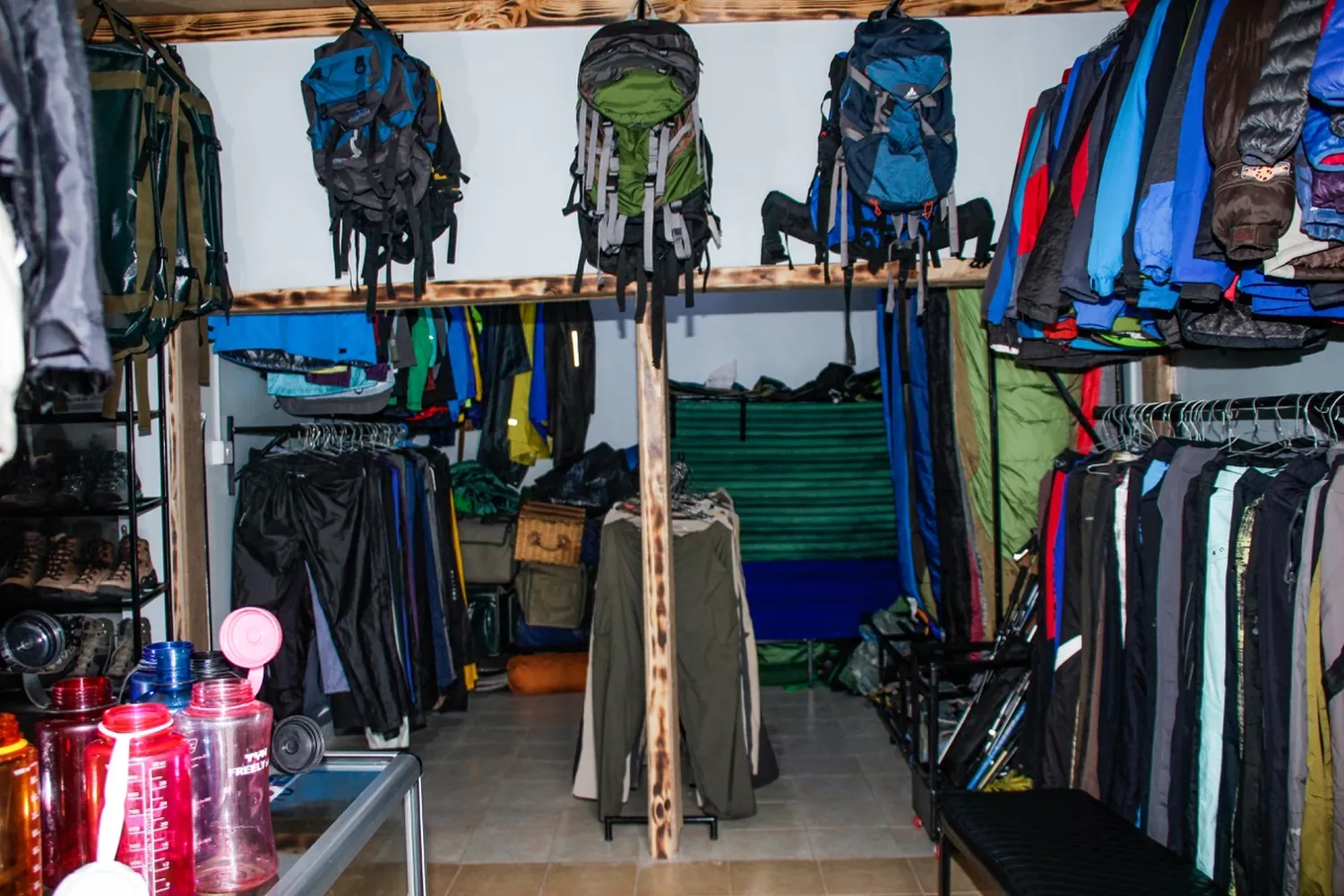
Planning a trek up Mount Kilimanjaro or Mount Meru is an exhilarating milestone, but outfitting yourself with high-end, sub-zero mountain equipment can quickly break your budget. Knowing exactly how to rent climbing gear in Arusha and estimate prices is the ultimate secret weapon for smart, budget-conscious travelers. Instead of carrying heavy, specialized gear halfway around the world, renting locally in Arusha allows you to access robust, field-tested equipment right at the base of the mountains.
This comprehensive guide details the best local equipment hubs, tactical sizing and inspection checklists, itemized daily price variations, and strategies to secure elite setups without paying premium retail prices. Sourcing your gear locally can save you hundreds of dollars on baggage costs and unnecessary equipment investments.
Still mapping out your expedition expenses? Plan your finances meticulously with our in-depth budgeting manual.
Read More: Kilimanjaro Budgeting GuideWhy Renting Climbing Gear in Arusha is Highly Effective
Arusha serves as the undisputed safari and trekking capital of Northern Tanzania. Because thousands of mountaineers pass through this city every month, a massive infrastructure of competitive gear rental shops has developed. Renting your equipment here offers clear tactical advantages:
- Massive Cost Savings: Premium four-season down jackets, sub-zero sleeping bags, and waterproof technical hardshells cost upwards of $800 to buy brand new. Local rentals cost a fraction of that amount.
- Lighter Luggage Footprint: Avoid expensive airline excess baggage fees by skipping the transport of bulky, heavy high-altitude items on international flights.
- Tailored to Local Conditions: Arusha gear shops stock equipment specifically selected to handle the unique microclimates of Mount Kilimanjaro and Mount Meru.
Knowing the gear is only half the battle. Discover the definitive clothing framework required to survive extreme summit temperatures.
Read More: Summit Layering BlueprintStep-by-Step: How to Rent Gear Securely
To ensure a flawless experience, follow this standard operational flow when sourcing gear inside Arusha:
Step 1: Coordinate with Your Main Tour Operator
Before visiting independent town markets, contact your registered trekking agency. Many professional operators maintain an exclusive inventory of rental gear for their clients. Sourcing items directly from them simplifies logistics, as fittings occur seamlessly during your pre-climb briefing evening.
Step 2: Visit Verified Standalone Shops in Arusha Central
If your operator has limited stock, explore specialized independent rental hubs located along Uhuru Road or near the bustling Arusha Central Market area. Shops like the Kilimanjaro Summit Gear Rental collective offer rows of deeply insulated choices.
Step 3: Conduct Strict Manual Inspections
Never pack an item without testing its mechanical function. Check all primary teeth on heavy zippers, examine sleeping mats for slow puncture leaks, and ensure your trekking boots leave enough space for heavy socks without pinching your toes.
If this is your first high-altitude climb, optimize your structural training and acclimatization program before hitting the trails.
Read More: Beginner's Mountaineering GuideItemized Cost Estimates & Gear Rental Price Table
Rental pricing in Arusha is traditionally calculated on a flat rate per trip (covering standard 5-to-8 day itineraries) or on an itemized daily rate. To prevent overcharging, refer to this realistic pricing breakdown based on local market averages:
| Equipment Item | Daily Est. (USD) | Per Trek Est. (USD) |
|---|---|---|
| Down Jacket (-10°C rated) | $5 - $8 | $30 - $50 |
| Sleeping Bag (Four-Season) | $5 - $10 | $35 - $60 |
| Trekking Boots (Waterproof) | $4 - $6 | $25 - $40 |
| Trekking Poles (Pair) | $2 - $3 | $12 - $20 |
| Waterproof Pant/Gaiters | $2 - $4 | $15 - $25 |
| Duffle Bag (90L - Waterproof) | $3 - $5 | $20 - $30 |
| Headlamp (with extra batteries) | $1 - $2 | $7 - $12 |
Most shops prefer payment in clean, crisp US Dollar cash bills printed after 2013, or the equivalent value in Tanzanian Shillings (TZS). Always request an itemized, handwritten receipt showing your cash deposit to ensure a smooth return process after descending the mountain.
Did you know that seasonal weather variants heavily dictate your specialized gear configuration? Explore route planning options across dry windows.
Read More: Seasonal Weather & Route SelectionCritical Gear Items to Inspect Personally
The extreme high-altitude zones of Northern Tanzania's peaks demand pristine equipment performance. Prioritize an aggressive check on these three critical assets:
- Sleeping Bag Loft and Fill: Ensure down feathers are distributed evenly within the baffling compartments. Clumped fill or thin spots create cold entry channels that disrupt sleep performance.
- Hardshell Waterproofing Integrity: Inspect internal seam tapes on rain jackets and windbreakers. Peeling seams allow rain or melting snow to seep into insulating mid-layers.
- Trekking Pole Locking Collars: Test both lever-lock and twist-lock mechanisms under heavy body weight to ensure sections do not unexpectedly collapse during steep descents.
Common Gear Rental Pitfalls & How to Avoid Them
Many trekkers make the mistake of rushing through their rental process, only to realize on the mountain that their boots give them blisters or their headlamp burns through batteries in one hour. To prevent catastrophic gear failure, ensure that you rent your gear at least 24 to 48 hours before your departure date. This gives you enough buffer time to return any poorly fitting equipment back to the shop for a quick replacement.
Strategic route mapping drastically raises summit success probabilities. Analyze route layouts to make an educated choice.
Read More: Machame vs Lemosho OptimizationFrequently Asked Questions
Can I rent personal layers like thermal underwear or socks in Arusha?
No. For hygiene and performance reasons, rental shops do not stock next-to-skin base layers, thermal underwear, or hiking socks. You must bring these personal items with you.
Do Arusha rental shops accept credit card payments?
While some high-end safari offices accept major credit cards, independent town gear shops run strictly on cash (USD or TZS). Card processing terminals often carry an extra 3% to 5% surcharge fee.
What happens if I accidentally damage rented equipment on the mountain?
Normal operational wear, such as minor dirt accumulation, is expected. However, severe damage like structural tears, broken poles, or thermal burns will require you to pay a replacement fee outlined in your initial rental agreement.
Verified Field References
Our comprehensive advice is built directly upon verified regional guidelines and global wilderness standards:
- Tanzania Tourist Board (TTB) – Official updates on licensed gear vendors, porter welfare policies, and park safety regulations across the Northern Circuit.
- Tanzania Association of Tour Operators (TATO) – Professional quality standards and code of conduct expectations for reputable gear rental agencies operating in Arusha and Moshi.