





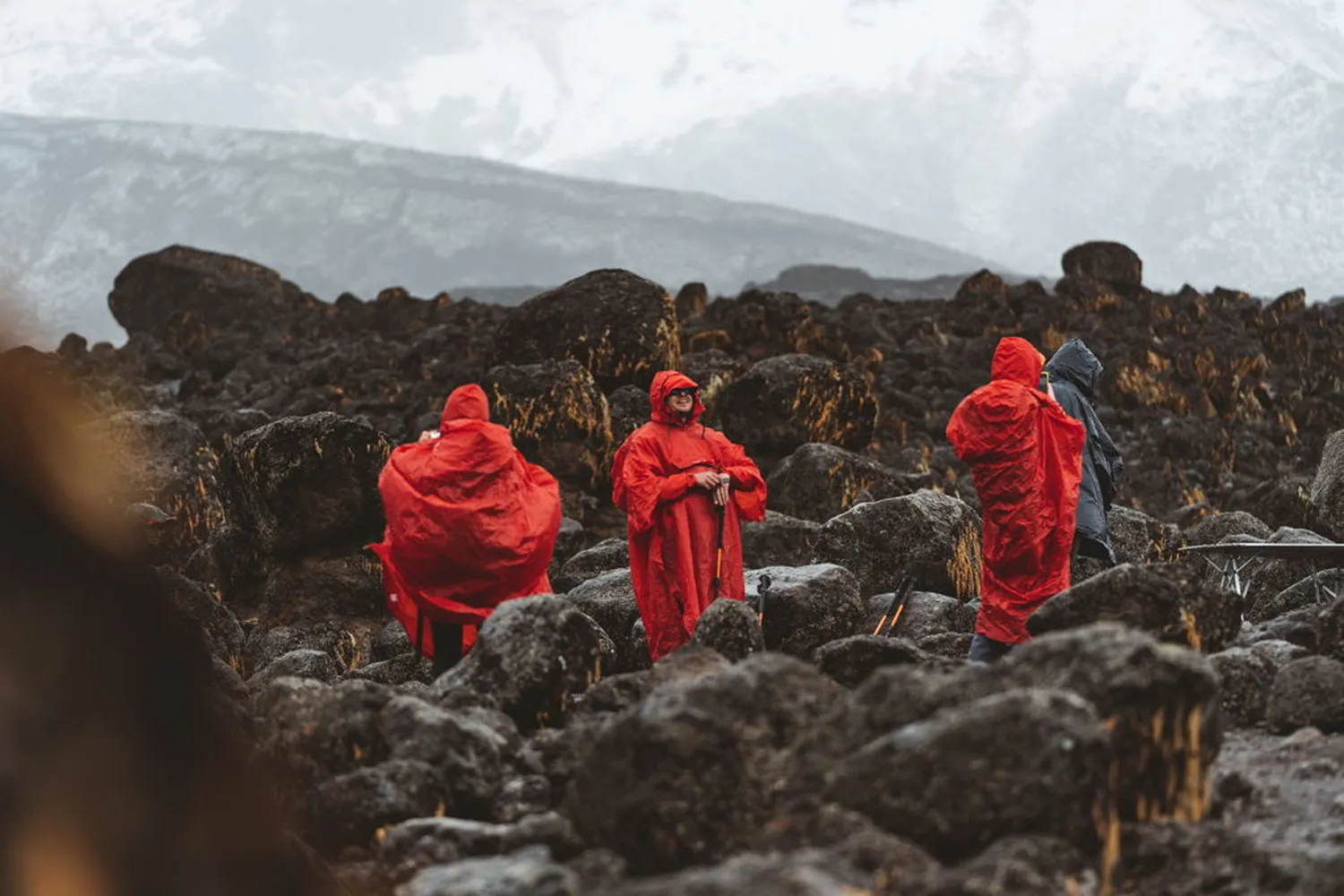
Planning an expedition to the roof of Africa requires pristine logistical coordination. Knowing exactly how to avoid the rainy season months when planning a Kilimanjaro climb protects your safety, maximizes trail traction, and increases your chances of hitting Uhuru Peak. Mount Kilimanjaro experiences distinct seasonal shifts due to its proximity to the equator and the Indian Ocean monsoons. Slippery volcanic trails, low visibility, and damp equipment can compromise even the most determined trekker.
1. The Meteorological Reality of Mount Kilimanjaro
Mount Kilimanjaro is a massive volcanic stratovolcano situated just three degrees south of the Equator. Because of its equatorial location and extreme vertical rise, it does not experience traditional winter, spring, summer, and autumn seasons. Instead, its weather is governed entirely by the movement of the Intertropical Convergence Zone (ITCZ), making seasonal timing the absolute ultimate factor dictating your safety and success.
To maximize trail comfort, beginners should read our comprehensive breakdown on how to climb Kilimanjaro as a beginner to align structural training with favorable environmental seasons.
2. Deep Dive Into the Rainy Cycles: "Masika" vs. "Vuli"
The precipitation trends are primarily divided into two distinct wet monsoon cycles:
- The Long Rains ("Masika" Breakdown): The primary wet season, traditionally known in East Africa as the "Masika", spans tightly from late March through the end of May. During this period, moisture-laden winds originating from the Indian Ocean hit the steep slopes of Kilimanjaro, causing heavy, persistent downpours that can last for days without clearing, turning the lower rainforest trails into complete mudslides.
- The Short Rains ("Vuli" Deep Dive): The second wet cycle is known as the "Vuli" or Short Rains, which typically occur from early November to mid-December. Unlike the continuous deluges of Masika, the Short Rains are usually characterized by crisp, clear mornings followed by clouds gathering at midday, leading to intense afternoon or evening rain showers.
3. Strategic Impact: Summit Success, Hypothermia, and Acclimatization
High-altitude trekking requires your body to work double-time to convert limited oxygen into cellular energy. When you add continuous cold rain or wet snow, your body is forced to divert its precious energy reserves away from oxygenation and toward keeping your vital organs warm. During the peak rainy season, overall summit success rates plummet below 50%.
The Threat of Hypothermia & Cold-Exposure Illnesses: In high-altitude mountaineering, moisture is your absolute worst enemy. When your technical clothing gets wet—whether from heavy external rainfall or trapped internal sweat—it loses its ability to trap your body heat. Wind chill combined with wet garments causes rapid heat dissipation, making climbers highly susceptible to life-threatening hypothermia above 4,000 meters.
Furthermore, weather directly interferes with your body's adaptation process. The golden rule of high-altitude safety is "Climb high, sleep low." On an optimized route, your guide will lead you on a short, higher-altitude evening hike after reaching camp to help your cardiovascular system adapt. During heavy storms, these crucial walks are cancelled, and sitting stationary in a damp tent significantly increases your susceptibility to Acute Mountain Sickness (AMS).
4. Geographic Differences: Southern Route Vulnerabilities & the Rain Shadow Solution
Kilimanjaro's most famous trails—including the Machame, Lemosho, and Umbwe routes—approach the mountain from the South and Southwest. During the rainy seasons, these routes bear the absolute brunt of incoming Indian Ocean storm systems. Technical landmarks like the steep Barranco Wall become incredibly treacherous when covered in slick mud or wet ice.
If your travel calendar dictates that you must climb during the borderline or rainy months, the Rongai Route is the only logical logistical choice. Because it approaches Mount Kilimanjaro from the remote North, the mountain’s massive physical bulk acts as a barrier, creating a "Rain Shadow Effect" that keeps the northern side significantly drier.
Regardless of the route, heavy rain strips away the legendary views, bringing dense mountain fog and thick whiteouts. When visibility drops to zero, it not only takes away the scenic reward but also increases the psychological toll and the safety risk of getting separated from your guide.
5. Evaluating the "Shoulder Months" and Mental Fatigue
The months of June and October are classified as "Shoulder Months"—the transitional periods right on the edge of the wet and dry cycles. While the mountain is significantly less crowded and some operators offer low-season pricing, weather anomalies are highly common; the rain can easily extend late into June or arrive early in October.
Standing on Uhuru Peak requires immense mental resilience. Waking up at 5:00 AM to the sound of torrential rain hitting your tent canvas, putting on damp hiking boots, and walking for 6 hours in freezing, blowing mist causes intense mental fatigue. When your morale is completely broken by the elements, pushing through the brutal midnight summit climb becomes nearly impossible.
Climbers must carefully evaluate how to budget for climbing Mount Kilimanjaro to understand the dynamic pricing updates between these shoulder windows and peak dry periods.
6. The Golden Calendar: Peak Dry Season Months
To maximize your chances of a dry, beautiful, and highly successful climb, you should strictly book within Kilimanjaro’s two premium dry windows detailed in the table below:
| Season Phase | Month Range | Trail Conditions & Characteristics | Summit Success Rate |
|---|---|---|---|
| Peak Dry (Warm) | January - Early March | Warmer temperatures, pristine trail conditions, highly clear mornings. | Est. 88% - 92% |
| Long Monsoons | Late March - May | Extremely high risk of downpours, thick mud, zero top visibility. | Est. 50% - 55% |
| Peak Dry (Cool) | July - October | The longest and most reliable dry window. Phenomenally clear skies, colder nights. | Est. 89% - 94% |
| Short Rains | November - Mid-December | Moderate / Variable afternoon downpours, clear mornings. | Est. 70% - 75% |
7. Advanced Waterproof Architecture, Buffer Days, and Porter Welfare
Weather patterns across East Africa have become increasingly dynamic. Always look for a route configuration or an operator that allows for Buffer Days (such as opting for an 8-day Lemosho instead of a 7-day version). Having an extra day built into your park permits gives your expedition leader the logistical power to hold the team at a lower camp for 24 hours until a sudden storm clears.
Regardless of which month you choose, Kilimanjaro can always surprise you. Your tactical packing system must feature robust wet-weather protection, including high-performance waterproof jackets and trousers rated at a minimum of 15,000mm hydrostatic head (Gore-Tex), heavy-duty internal Dry Bags to seal your clothes, and tall gaiters to keep mud out of your boots. To understand the protective gear configurations required during cold summit pushes, check out our guide on how to dress for the Kilimanjaro summit night.
It is also essential to consider the logistical footprint on mountain crews. During the rainy season, canvas equipment bags and structural tents absorb water, doubling their weight and making the porter climbs much more exhausting. Furthermore, if an emergency strikes, rescue helicopters cannot fly or land in dense cloud cover or heavy downpours, freezing evacuation operations and forcing manual stretcher rescues over miles of slippery mud.
8. Vetting Operators and Financial Realities
A premium, safety-first operator handles weather challenges completely differently than a budget company. Vetted companies utilize customized mountain tents with heavy-duty tub floors and reinforced double-layer rainflies. They also provide elevated, thick closed-cell foam sleeping pads to completely isolate your sleeping bag from the freezing, wet ground. Climbers can check out our guide on how to rent climbing gear in Arusha and estimate prices to secure high-performance waterproof gear shells directly upon arrival.
Many budget operators advertise massive price discounts during the low seasons (April, May, and November) to attract travelers. However, spending money on international flights, gear, and park fees only to sit in a waterlogged tent and turn back due to a whiteout is a poor investment. To fully respect the mountain and protect your safety, always structure your calendar tightly around the dry seasons.
9. Official Scientific Climate References
Our comprehensive analysis on how to avoid the rainy season months when planning a Kilimanjaro climb is verified by meteorological data collected from the Tanzania Meteorological Authority (TMA). Additional seasonal patterns and ecological data are aligned with historical weather archives from the Tanzania National Parks (TANAPA) operational field logs.