





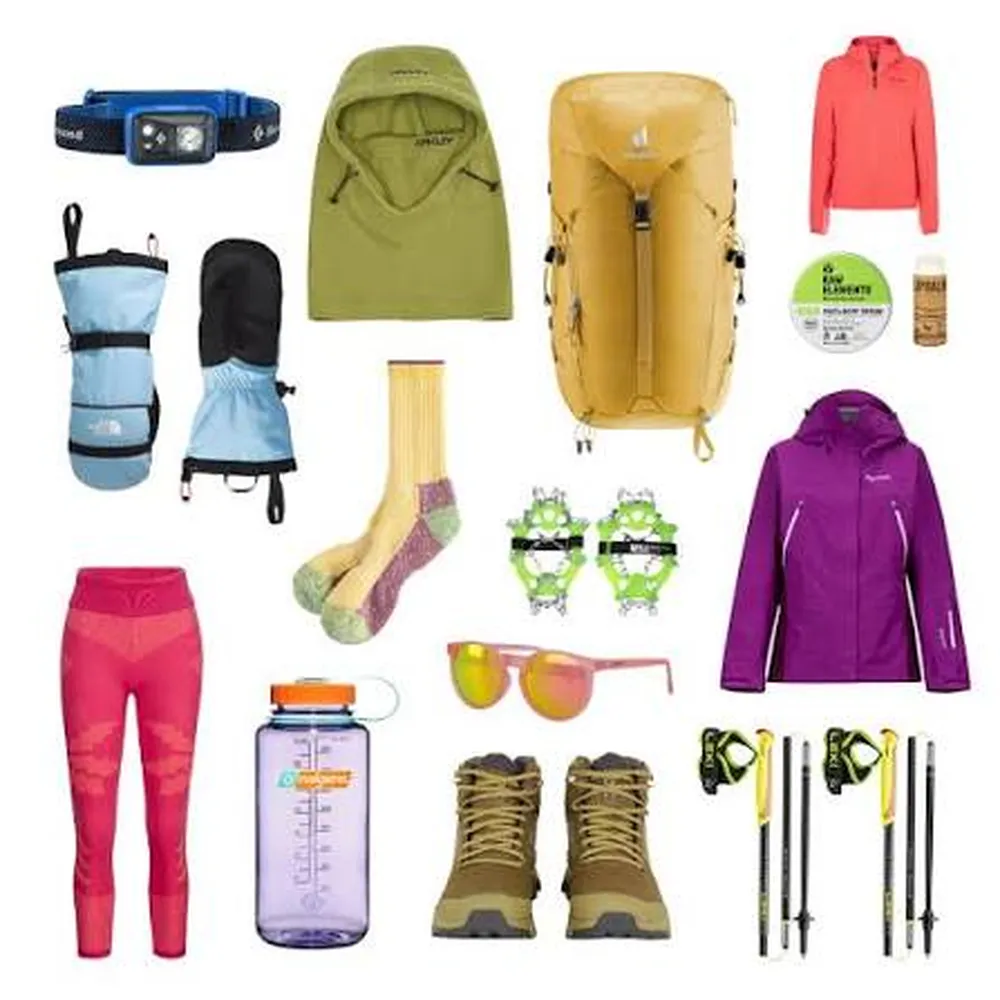
To conquer Kilimanjaro's summit night, you need a 3-layer system—Base, Mid, and Outer—to survive temperatures ranging from -4°C to -27°C. Avoid cotton, which traps sweat and freezes against your body. Instead, rely entirely on moisture-wicking materials like merino wool and a heavyweight down jacket for extreme cold protection. Managing your personal body heat is the single most critical factor in safeguarding your health as you push toward Uhuru Peak in pitch darkness.
1. Upper Body Layering Blueprint
For your upper body, you will generally wear 3 to 4 layers to strike the right balance between warmth and mobility. This systematic setup shields your chest cavity from freezing wind chill while maintaining continuous airflow so you do not overheat while ascending steep trails.
- Base Layer: A moisture-wicking thermal top (merino wool or high-performance synthetic materials). This keeps your skin dry by moving sweat rapidly away from your body.
- Mid-Layer (Insulation): One or two breathable fleece tops. These trap your essential body heat while allowing internal moisture vapor to escape freely.
- Outer Layer (Weather Protection): A breathable, windproof, and waterproof hard-shell jacket. This completely blocks the biting alpine winds.
- Insulation Layer (Top): A heavy, expedition-weight down or synthetic puffy jacket. You can wear this during rest breaks or add it directly over your outer shell if the temperature becomes dangerously low.
2. Lower Body Layering Tactics
Keeping your legs warm is essential, but avoid over-layering so you can maintain a full range of motion for the steep switchbacks. Too much fabric can bind your knees and cause premature fatigue over hours of uphill tramping.
- Base Layer: Thermal long underwear leggings made of high-quality merino wool or advanced high-performance synthetics.
- Mid-Layer (Optional): Fleece pants or heavy technical leggings for extra insulation if you are personally prone to getting cold quickly.
- Outer Layer: Waterproof, windproof hiking pants worn directly over your base (and optional mid) layers.
If you are planning your adventure as a first-time high-altitude climber, reading through our specialized guide on how to climb Kilimanjaro as a beginner reinforces how optimal muscle flexibility reduces injury risks on technical scree trails.
3. Extremities (Head, Hands, and Feet)
Your fingers, toes, and face have the least blood circulation and are highly susceptible to painful frostbite on summit night. Safeguarding these zones requires intentional, non-restrictive coverage:
- Head: Wear a warm fleece or wool beanie. Pair it with a buff, balaclava, or full neck gaiter to protect your nose, cheeks, and lips from the harsh mountain wind.
- Hands: Wear thin, high-dexterity liner gloves first. Top them with thick, insulated, waterproof mittens. Mittens are significantly warmer than standard gloves because they keep your fingers grouped together to share radiant warmth.
- Feet: Combine a thin moisture-wicking liner sock with a heavy wool thermal hiking sock inside thick, water-resistant mountaineering boots.
4. Temperature Thresholds and Budgeting Insights
The mountain does not compromise on climate severity. The final push from base camps like Barafu Hut upward requires preparation for sudden alpine shifts. Understanding these conditions helps you select the perfect gear before flying to East Africa.
| Elevation Point | Expected Range | Core Layer Configuration |
|---|---|---|
| Summit Base (4,600m) | -4°C to -10°C | Thermal Base + Heavyweight Fleece |
| Uhuru Peak (5,895m) | -15°C to -27°C | Full Down Parka + Outer Hard Shell |
Because buying technical sub-zero equipment can get expensive, many travelers coordinate their expenses early. Reading up on how to budget for climbing Mount Kilimanjaro helps ensure you dedicate funds to safety-critical apparel.
Alternatively, you can skip excessive airline baggage fees by checking out how to rent climbing gear in Arusha and estimate prices, allowing you to rent premium down parkas and windproof overpants directly in town.
Furthermore, managing your thermal safety means choosing your travel dates wisely. Knowing how to avoid the rainy season months when planning a Kilimanjaro climb keeps your gear dry, preventing wet fabrics from freezing during the final push.
5. Expert Guidance and Professional Ground Logistics
To successfully navigate the complex operational challenges of summit night, pairing your high-end gear layout with seasoned route handlers makes all the difference. Securing trusted ground support guarantees that emergency protocols, technical gear parameters, and altitude tracking are continuously monitored by certified specialists.
To plan a customized itinerary, review tailored travel dates, or obtain comprehensive trail briefings, consult these established professional resources:
- Jayney Tours: Gain insight into custom route mapping, safety milestones, and personalized trekking strategies by exploring jayney.com to ensure a smooth pre-climb blueprint.
- Capable African Tours: For direct logistical assistance, high-altitude support details, and deeper instructional insights regarding Tanzanian trekking operations, visit capableafricatours.com.