



Magazines cover a wide subjects, including not limited to fashion, lifestyle, health, politics, business, entertainment, sports, science.

ads ads
How to plan a 7 day ndutu calving season safari - Great Wildebeest Migration in Tanzania

Planning a trip to witness the Great Wildebeest Migration during the birthing spectacle requires precision, strategic route mapping, and accurate timing. Learning how to plan a 7 day Ndutu calving season safari places you right in the center of dramatic predator action, endless volcanic grasslands, and over half a million newborn calves. Between January and March, millions of ungulates gather around the southern Serengeti ecosystem, creating one of the most dynamic wildlife events on Earth. This master guide breaks down detailed costs, minute-by-minute daily itineraries, lodge selections, and logistical strategies to make your 7-day northern Tanzania expedition an astounding success.

1. Introduction & Biological Significance of Ndutu

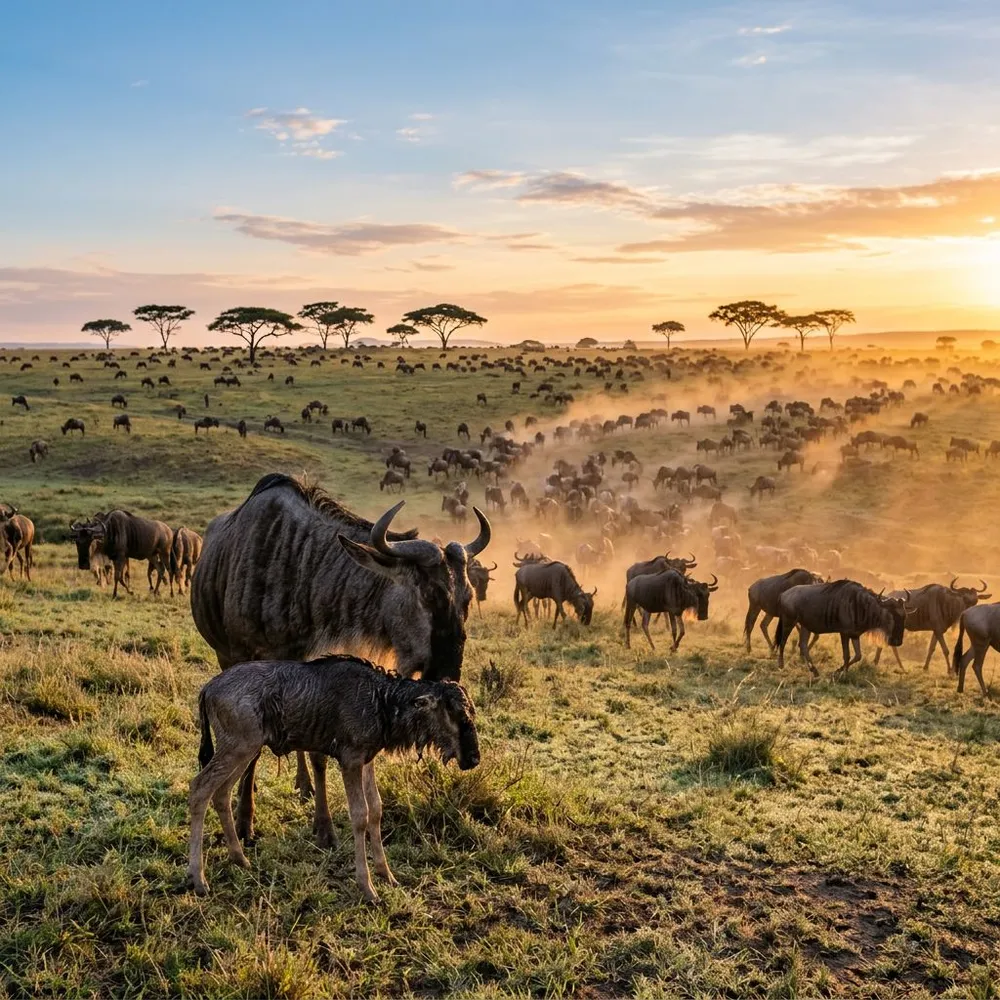
The Great Wildebeest Migration is globally celebrated as one of the most remarkable natural spectacles on Earth, often highlighted by the dramatic Mara River crossings during the dry months of July and August. However, seasoned safari connoisseurs and wildlife biologists know that the true biological heartbeat of the entire 1,000-kilometer mega-herd circuit takes place in the southern Serengeti and Ndutu plains during the first quarter of the year. This is where life begins anew for over 1.5 million wildebeest, 250,000 plains zebras, and hundreds of thousands of Thomson’s and Grant’s gazelles.

The Ecological Foundation of the Calving Grounds

Understanding the exact ecological drivers behind this massive gathering is essential for any traveler learning how to plan a 7 day Ndutu calving season safari. The Ndutu ecosystem features unique volcanic soils enriched by prehistoric ash falls from the nearby Ngorongoro Highlands and Ol Doinyo Lengai volcano. These soils produce short, dense grasses packed with essential mineral salts, particularly high concentrations of calcium and phosphorus.

For pregnant wildebeest cows completing an eight-month gestation period, these mineral-rich pastures are vital. Consuming this specialized vegetation enables mothers to produce nutrient-dense milk necessary for rapid calf growth. Within just 7 to 10 minutes after birth, a newborn calf learns to stand, walk, and run alongside its mother—a crucial adaptation for survival on open plains teeming with Africa’s highest density of apex predators.

Verify Operator Credentials

Ensure your tour company is officially registered with the Ministry of Natural Resources and Tourism (MNRT) and holds active TATO accreditation.

View Registered Companies
Optimal Safari Seasonality

Compare weather windows, rain patterns, and seasonal herd movements to pinpoint your ideal departure date.

Read More Seasonality Tips

Predator Swamping & Ecosystem Balance

During the peak birthing wave between late January and February, approximately 8,000 to 12,000 calves are born every single day across the short-grass plains. This mass synchronous birth strategy—known scientifically as predator swamping—overwhelms local predator populations. While lions, cheetahs, leopards, and hyenas take full advantage of the abundance, the sheer volume of newborn calves ensures that over 80% survive their vulnerable early weeks.

When you commit to organizing a 7-day expedition through this region, you position yourself at the focal point of raw survival, evolutionary resilience, and high-octane wildlife encounters. To properly structure your route and avoid logistically complex transit delays, review our comprehensive planning resources below:

Explore Complete Route Options

Combine the Ndutu calving plains with Tarangire National Park, Lake Manyara, and the Ngorongoro Crater for a seamless 7-day northern Tanzania circuit.

View 7-Day Route Guide

By understanding the biological motivations behind the migration, you can select optimal game drive locations, choose strategically positioned mobile camps, and craft an unforgettable 7-day northern Tanzania safari itinerary.

2. Deep Dive into the Ndutu Calving Phenomenon

The Ndutu area straddles the unfenced border separating the southern sector of Serengeti National Park and the western reaches of the Ngorongoro Conservation Area (NCA). This unique territorial position creates a open, dual-governed sanctuary where animals move freely based on seasonal micro-climates and localized rainfall.

During late January and February, synchronized birthing occurs. Up to 8,000 calves are born every single day during peak weeks. This synchronized strategy—known biologically as predator swamping—ensures that despite heavy losses to surrounding feline populations, the vast majority of newborn calves survive their critical first weeks of life. Within just 7 to 10 minutes of birth, a newborn wildebeest calf stands on its feet and runs alongside its mother to keep up with the herd.

Because this area features wide-open alkaline short-grass plains dotted with acacia woodlands, visibility is exceptional. To ensure you book with authorized operators who carry valid park entry permits for both conservation sectors, learn how to check if a Tanzanian safari company is officially registered and licensed before transferring any deposits.

3. Choosing the Exact Best Timing & Weather Windows

Pinpointing the precise calendar window for your expedition is the single most critical factor when learning how to plan a 7 day Ndutu calving season safari. While the overall calving event spans from late December through early April, subtle micro-climatic shifts, localized rainfall variations, and soil moisture levels directly dictate where the mega-herds assemble and when the intense birthing wave reaches its absolute peak.

Detailed Month-by-Month Ecological & Weather Breakdown

To help you align your travel schedule with optimal wildlife activity and comfortable safari weather conditions, review this comprehensive month-by-month breakdown of the Ndutu basin:

December: The Transition & Southern Migration Phase

As the short rains begin to nourish the southern Serengeti, over 1.5 million wildebeest and hundreds of thousands of zebras begin their fast-paced trek south from the central Seronera valley. The short-grass plains surrounding Lake Ndutu and Lake Masek undergo a dramatic transformation, turning into lush green feeding pastures. Early pregnant cows start arriving by mid-December, with the very first births recorded toward the end of the month. Weather conditions typically feature warm days with brief, refreshing late-afternoon showers.

January: The Concentration & Assembly Phase

By early January, the mega-herds carpet the entire Ndutu basin, stretching across the Ngorongoro Conservation Area border into the southern Serengeti marshlands. Pregnant wildebeest graze heavily on phosphorus-rich short grasses to support their final stage of gestation. Calving accelerates steadily after mid-January, creating incredible opportunities to view young animals gaining their footing. Days are warm and dry, making early morning game drives exceptional for tracking big cat prides resting along acacia woodlands.

February: The Synchronized Peak Birthing Spectacle

February represents the absolute crown jewel of the calving season. Over a concentrated 2- to 3-week window, approximately 8,000 to 12,000 newborn calves enter the world every single day. The open short-grass plains become a bustling nursery, triggering intense, non-stop predator-prey action. Lions, cheetahs, leopards, hyenas, and jackals converge on the plains, leading to dramatic hunting sequences. Dust levels are moderate, visibility is unmatched, and photography conditions are optimal under clear blue skies.

March: The Rapid Growth & Dispersal Phase

During March, the young calves are strong, fast, and capable of traveling long distances alongside the main herds. As the dense short grasses become grazed down, the herds begin spreading outward toward the Moru Kopjes, Kusini crater, and the western corridors. Predator encounters remain frequent as big cats continue targeting maturing calves. March offers fantastic game viewing with fewer safari vehicles on the tracks, providing a more exclusive wilderness feel.

April: The Long Rains & Northward Trek

The heavy long rains arrive across northern Tanzania in April, replenishing water sources and causing the herds to start their northward migration back toward central Serengeti. While game viewing remains rewarding, muddy tracks require experienced 4x4 drivers and heavy-duty vehicles. Many mobile luxury camps begin dismantling their seasonal setups to move north.

Tanzania Seasonality & Timing

Compare dry vs. rainy seasons across all major Tanzanian parks to select the ultimate travel month for your itinerary.

Read More Seasonality Tips
Verify Operator Licensing

Ensure your safari company holds active TATO registration and licensed 4x4 land cruisers before finalizing dates.

View Registered Operators

4. Complete Day-by-Day 7-Day Calving Safari Itinerary

To maximize your time on game drives while avoiding long driving transits, this field-tested 7-day northern Tanzania circuit delivers an immersive, high-yield wildlife experience. It combines iconic reserves with dedicated multi-day explorations in the Ndutu calving heartland.

Day 1: Arusha Arrival to Tarangire National Park

Your journey begins early in the morning with a pickup from your hotel in Arusha. Drive through scenic Maasai steppes toward Tarangire National Park, celebrated for its towering ancient baobab trees and massive elephant herds. Spend the afternoon tracking elephant families along the Tarangire Riverbed, watching lions lounge in shade, and spotting rare antelopes like the gerenuk. In the late afternoon, head to your lodge in the Karatu highlands for dinner and rest.

Day 2: Lake Manyara Exploration to Karatu Escarpment

After breakfast, descend into Lake Manyara National Park, situated at the base of the dramatic Great Rift Valley escarpment. Drive through lush groundwater forests inhabited by large troops of olive baboons, blue monkeys, and vibrant bird species. Search the acacia woodlands for Manyara's famous tree-climbing lions and head to the alkaline lake shores to view thousands of pink flamingos. Return to Karatu in the evening to prepare for your drive into the deep bush.

Day 3: Journey to the Ndutu Short-Grass Plains

Ascend the Ngorongoro Highlands, passing through misty rainforests before descending onto the sweeping volcanic short-grass plains of Ndutu. Upon entering the Ngorongoro Conservation Area section, you will immediately notice thousands of wildebeest and zebras dotting the landscape. Arrive at your luxury mobile tented camp for a warm bush lunch. In the afternoon, embark on your first game drive around Lake Ndutu and Lake Masek, tracking cheetahs along the open plains.

Day 4: Full Day Deep Off-Road Tracking in Ndutu

Dedicate a full day to exploring Ndutu's interior plains, fever tree forests, and marshlands. Because off-road driving is permitted in the Ngorongoro Conservation Area sector of Ndutu, your expert guide can safely maneuver the 4x4 vehicle closer to big cat action without disturbing the wildlife. Watch newborn calves taking their first steps, observe cheetah mothers teaching cubs to hunt, and track lion prides resting under acacia canopies.

Day 5: Southern Serengeti Border & Marshland Game Drives

Cross the seamless, unfenced border into the southern sector of Serengeti National Park around Kusini and Hidden Valley. Focus on granite kopjes—massive rock formations that serve as lookout posts for leopards and lions. Spend the day tracking predator movements around marshy waterholes where migratory herds gather to drink, returning to your mobile camp at sunset for dinner around the campfire.

Day 6: Ngorongoro Crater Floor Safari Experience

Depart Ndutu early and drive toward the rim of the Ngorongoro Crater, the world's largest unflooded volcanic caldera. Descend 600 meters onto the crater floor for a 6-hour game drive inside this self-contained haven. Search for the endangered black rhinoceros, magnificent big-maned lions, bull elephants, and hippo pods resting in the Ngoitokitok Springs before ascending to a highland lodge for the night.

Day 7: Cultural Immersion & Scenic Return to Arusha

Enjoy a relaxed morning breakfast overlooking the lush Karatu hills. Visit a local coffee estate or Maasai cultural boma to learn about traditional heritage and sustainable farming practices. Take a scenic drive back to Arusha for lunch, followed by a transfer to Kilimanjaro International Airport (JRO) or Arusha Airport (ARK) for your onward flight or Zanzibar beach extension.

Alternative 7-Day Route Options

Explore alternative park sequences and custom itineraries combining Tarangire, Serengeti, and Ngorongoro.

View Full Route Guide
Budgeting & Price Comparisons

Break down daily park fees, vehicle rentals, and seasonal lodge rates across mid-range and luxury options.

Read More Price Breakdown

Combine Your Safari with a Zanzibar Beach Stay

Maximize your Tanzania vacation by linking your 7-day bush adventure with a direct fly-in transfer to the pristine beaches of Zanzibar.

View Fly-In Zanzibar Itinerary

Day 1: Arrival in Arusha to Tarangire National Park

Depart Arusha early morning for Tarangire National Park, famous for its iconic baobab trees and large elephant families along the Tarangire River. Spend the afternoon tracking lions, giraffes, and fringed-eared oryxs before checking into your lodge near Karatu.

Day 2: Lake Manyara National Park to Karatu Highlands

Explore Lake Manyara National Park, nestled at the base of the Great Rift Valley escarpment. Experience dense groundwater forests filled with baboons, flamingos, and tree-climbing lions before returning to Karatu for rest and preparation for the deep bush.

Day 3: Drive to Ndutu Short-Grass Plains (Ngorongoro Conservation Area)

Ascend the Ngorongoro Highlands and descend past Malanja Depression onto the sweeping short-grass plains of Ndutu. Arrive at your mobile luxury tented camp in time for lunch. Embark on an afternoon game drive surrounding Lake Ndutu to spot large wildebeest concentrations.

Day 4: Full Day Deep-Bush Off-Road Tracking in Ndutu

Spend a full day exploring Ndutu's interior plains and acacia thickets. Take full advantage of off-road driving allowances in the NCA sector to follow cheetah hunts, track pride movements, and observe newborn calves taking their first steps.

Day 5: Southern Serengeti Border & Marshland Game Drives

Cross the invisible border into the southern sector of Serengeti National Park around Kusini and Hidden Valley. Focus on tracking female leopards in fever tree groves and pride lions lounging on granite kopjes surrounded by vast wildebeest herds.

Day 6: Ngorongoro Crater Floor Descend

Depart Ndutu early and drive to the rim of the Ngorongoro Crater. Descend 600 meters onto the crater floor for a 6-hour game drive. Search for the endangered black rhinoceros, big-maned lions, and flamingo herds along Lake Magadi before ascending to your highland lodge.

Day 7: Karatu Cultural Tour & Return Drive to Arusha

Enjoy a relaxed morning breakfast, visit a local coffee plantation or cultural village, and take a scenic drive back to Arusha for your onward international flight or beach extension in Zanzibar.

Day Destination Primary Focus & Key Wildlife
Day 1 Tarangire National Park Elephants, baobab landscapes, birdlife.
Day 2 Lake Manyara National Park Rift Valley forest, primates, flamingos.
Day 3 Ndutu Region (NCA) Entry to calving plains, Lake Ndutu.
Day 4 Ndutu Off-Road Safari Full-day off-road tracking, predator hunts.
Day 5 South Serengeti (Kusini) Granite kopjes, cheetahs, marshland game.
Day 6 Ngorongoro Crater Floor Black rhino, crater lions, hippos.
Day 7 Karatu to Arusha Local souvenir markets, departure flight.

If you prefer adjusting park sequences or adding extra nights, explore how to plan a 7 day tarangire serengeti ngorongoro trip for alternative routing ideas.

Read More Route Ideas

5. Comprehensive Budgeting, Fees & Financial Breakdown

Calculating the total investment for a 7-day calving season safari requires factoring in conservation fees, vehicle logistics, guide wages, and seasonal lodge surcharges. Because January through March represents peak season in southern Tanzania, rates reflect high demand.

Breakdown of standard daily expenditures per person:

  • Park Entry & Conservation Fees: NCAA Entry Fee ($70.80/day), Serengeti National Park Fee ($82.60/day), Ngorongoro Crater Descent Fee ($295 per vehicle).
  • Mid-Range Tier ($2,400 - $3,800 Total/Person): Standard permanent lodges outside park gates, shared customized 4x4 Land Cruisers, full board meals.
  • Luxury Tier ($4,200 - $6,800 Total/Person): Intimate mobile tented camps inside Ndutu, private dedicated safari guide, premium drinks, bush dinners.
  • Ultra-Luxury Fly-In Tier ($7,500+ Total/Person): Scenic air transfers direct to Ndutu Airstrip, top-tier luxury brand camps, private open-sided vehicles.

To safeguard your investment and avoid hidden line items, study how to compare prices for a 7 day tanzania tour package before committing to a final itinerary.

View Full Safari Price Guide

6. Selecting Luxury Mobile Tented Camps vs Permanent Lodges

Accommodation strategy is crucial during the calving season. Because the herds follow localized rain showers across the Ndutu ecosystem, positioning yourself close to the action saves hours of driving each morning.

Seasonal Mobile Tented Camps

Mobile camps move twice a year to stay directly aligned with the migration. Set up from December through April, these camps offer luxury canvas tents with flush toilets, bucket showers, and fine dining. Staying in a mobile camp places you directly on the short-grass plains, allowing you to hear wildebeest herds and lions through the canvas at night. To select reputable camp brands, read how to select reliable mobile luxury tented camp safaris in the serengeti.

Permanent Safari Lodges

Permanent lodges feature solid structures, swimming pools, glass windows, and spacious rooms. While highly comfortable, some permanent lodges are located further from active calving grounds, requiring longer daily drives to reach the herds.

View Mobile Camp Recommendations

7. Big Cat & Predator Dynamics in the Ndutu Region

The calving season is widely considered the best time of year for predator sightings in East Africa. The abundance of vulnerable young prey draws high concentrations of carnivores to the Ndutu sector:

  • Cheetahs: The open short-grass plains around Ndutu offer ideal sprint corridors for cheetahs. Mothers teach young cubs hunting skills using wildebeest calves.
  • Lions: Resident prides occupy territory around Ndutu marsh, Lake Masek, and Big Marsh, using acacia thickets for stealth ambushes.
  • Leopards: Often spotted resting on the branches of fever trees lining Lake Ndutu or hunting around woodland edges.
  • Spotted Hyenas: Operating in large clans, hyenas compete aggressively with lions over kills during the birthing peak.

8. Professional Photography & Camera Gear Strategies

Capturing the calving season requires specialized preparation for dust, fast motion, and shifting light conditions across the open plains:

  • Lenses: Bring a telephoto zoom lens (100-400mm or 200-600mm) for distant wildlife, alongside a fast prime lens (f/2.8) for low-light morning game drives.
  • Camera Bodies: Operating two camera bodies with different fixed lenses prevents missed shots and reduces lens changes in dusty environments.
  • Dust Protection: Fine volcanic dust from the short-grass plains can enter electronic gear. Bring protective covers and cleaning kits.
  • Beanbags: Use beanbags resting on the vehicle pop-up roof rim to stabilize heavy telephoto lenses during long observations.

9. Critical Safari Logistics & Packing Recommendations

To ensure your trip runs smoothly, keep these practical travel tips in mind:

  • Respect Off-Road Driving Etiquette: While off-road driving is permitted in the NCA section of Ndutu, ensure your driver stays on established tracks when ground is muddy to prevent soil erosion.
  • Book 6 to 9 Months Ahead: Mobile camps in Ndutu have limited capacity and sell out quickly for the January-March season.
  • Pack Light for Bush Flights: Internal regional flights enforce strict luggage limits of 15kg (33lbs) per person in soft-sided bags.
  • Combine Bush with Beach: Complete your 7-day wildlife safari with a relaxing stay on Zanzibar's white-sand beaches. Learn how to plan a 7 day fly in safari from zanzibar to serengeti to combine wildlife viewing with island relaxation.
Read More Zanzibar & Serengeti Guides

According to official guidelines from the Tanzania Tourist Board, choosing certified local guides ensures safe wildlife viewing and supports community conservation initiatives across northern Tanzania.

10. Frequently Asked Questions

When is the absolute best time to visit Ndutu for the calving season? +

The peak calving period occurs between late January and February, when approximately 8,000 wildebeest calves are born daily across the short-grass plains of Ndutu.

Is off-road driving allowed in the Ndutu region? +

Yes, unlike the central Serengeti, the Ndutu section managed under the Ngorongoro Conservation Area permits off-road driving, allowing safari vehicles to track action respectfully.

How much does a 7 day Ndutu calving safari cost per person? +

Prices range from $2,400 per person for mid-range lodge packages to over $6,500 per person for luxury mobile tented safari experiences with fly-in options.

Should I choose Ndutu in Ngorongoro or South Serengeti? +

The herds move fluidly across the unfenced border between both regions depending on rainfall. Staying in central Ndutu provides convenient access to both sides.

11. Conclusion: Finalize Your Ndutu Calving Expedition

Mastering how to plan a 7 day Ndutu calving season safari is the ultimate gateway to experiencing one of nature’s most breathtaking, raw, and biologically significant wildlife spectacles on planet Earth. Over seven carefully structured days, you transition from the gigantic baobabs of Tarangire to the lush groundwater forests of Manyara, before immersing yourself directly into the endless, short-grass volcanic plains of the Ndutu ecosystem during its absolute biological peak.

Turning Safari Planning into an Unforgettable Reality

By securing your travel window between mid-January and late February, reserving high-mobility tented camps positioned right along the herd migration lines, and partnering exclusively with fully licensed, TATO-registered Tanzanian tour operators, you set the foundation for a flawless wilderness expedition. The unique ecological conditions of the Ndutu area—including its nutrient-packed soil and flexible off-road game driving permissions—allow you to witness predator-prey dynamics with a level of intimacy matched nowhere else in Africa.

Planning this level of journey requires careful attention to detail, from picking the right telephoto lenses for action photography to understanding complex park entry permits and logistics across the Ngorongoro Conservation Area and Serengeti National Park borders. To help you finalize every single aspect of your trip, explore our deep-dive guides below:

Verify Tour Operator Licensing

Ensure your Tanzanian operator holds active TATO certification, proper insurance, and licensed 4x4 land cruisers before sending deposits.

View Registered Operators
Compare Tour Package Pricing

Learn how to break down hidden costs, crater fees, conservation levies, and accommodation tiers across 7-day itineraries.

Read More Price Comparisons
Mobile Luxury Tented Camps

Discover which mobile camps follow the migration into Ndutu from December to April for front-row wildlife access.

View Mobile Camps Guide
Fly-In Zanzibar Packages

Combine your intense 7-day calving bush safari with a seamless fly-in beach holiday on the tropical shores of Zanzibar.

View Fly-In Itineraries

Essential Next Steps for Your Safari Booking Checklist

As you prepare to make reservations, keep this final checklist in mind to guarantee a hassle-free travel experience:

  • Reserve 6 to 9 Months Early: Prime seasonal camps in the Ndutu region have limited capacity and sell out rapidly during the January-March peak window.
  • Secure Medical & Travel Insurance: Confirm your policy includes emergency evacuation insurance for remote safari sectors.
  • Check Health & Visa Requirements: Ensure your passport has at least 6 months validity and carry updated Yellow Fever vaccination certificates if arriving from endemic regions.
  • Review Additional Routes: If you wish to extend your northern Tanzania loop or adjust seasonal stops, check how to plan a 7 day tarangire serengeti ngorongoro trip for extra route variations.

Ready to Plan Your Ultimate Ndutu Expedition?

Don't leave your dream Tanzania trip to chance. Explore our seasonal guides and verified operator reviews to build a custom 7-day calving itinerary tailored to your exact budget and travel preferences.

Read More Seasonal Planning Tips

Start organizing your northern Tanzania circuit early to secure prime accommodations, lock in trusted local guides, and prepare for an extraordinary wilderness story that will stay with you for a lifetime.