





Waking up to a driveway covered in scattered food scraps, shredded plastic bags, and torn containers is a frustrating neighborhood ritual. Raccoons are clever, determined, and equipped with highly dextrous front paws that act like human hands. Learning how to keep raccoons out of your trash cans is not just about keeping your property clean; it protects your home from persistent urban pests.
Just as learning how to survive a bear attack in the woods requires understanding wild animal behavior, outsmarting raccoons calls for structural defenses and sensory disruptions. This complete guide provides straightforward, expert-backed steps to lock down your waste areas permanently.
Why Raccoons Target Your Garbage Bins
Raccoons possess an extraordinary sense of smell and remember consistent feeding spots for years. Standard plastic or lightweight aluminum garbage bins offer little resistance against these agile creatures. They easily tip light bins over and manipulate unlatched lids within seconds.
Much like identifying mysterious wilderness signs when you try to how to identify animal tracks in the snow, realizing your trash is targeted early helps prevent severe property property damage. If left unchecked, raccoons will nest near your home and chew through structural gaps to enter attics or crawlspaces.
Step-by-Step Raccoon Defense Protocol
To eliminate midnight trash raids entirely, implement these physical securing methods in order:
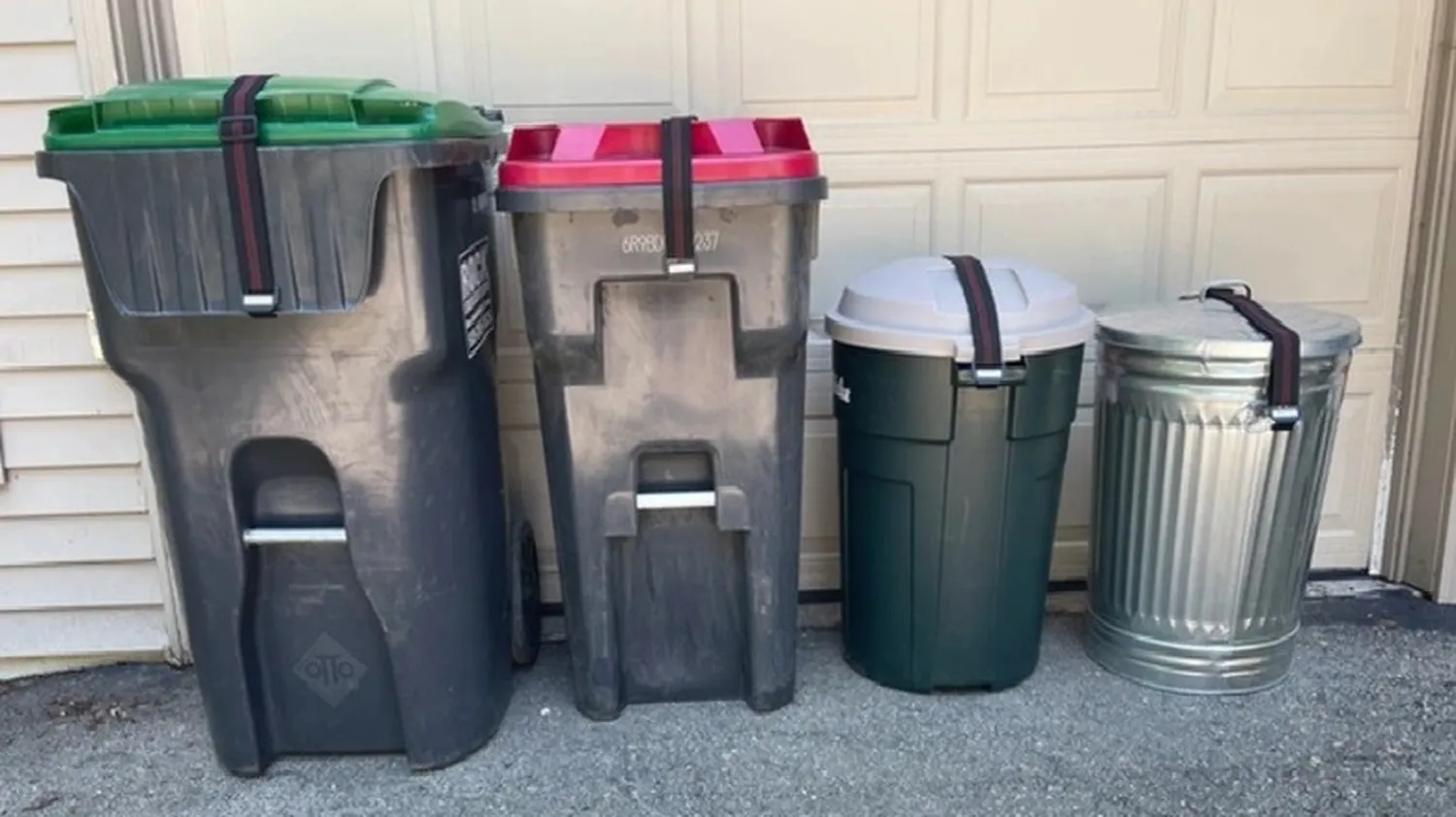
- Secure Bungee Straps: Loop heavy-duty elastic bungee cords securely over the lid handle and anchor them tightly onto the structural rim or bottom side handles. The continuous high tension makes lifting the edges impossible for small paws.
- Weight Down Lids: Place a heavy concrete cinder block or large brick weighing over fifteen pounds squarely on top of the lid. While effective against simple lift attempts, note that aggressive raccoons might still knock the bin over to dislodge the weight.
- Anchor the Frame Structure: Fasten your containers firmly to an outdoor fence post, wall stud, or heavy iron pipe using sturdy chains or utility straps. This stops raccoons from tipping the bin horizontally to break open lids.
- Change Timing Routines: Keep all refuse inside closed garage or shed areas until the morning of your neighborhood pickup day. Reducing overnight outdoor exposure cuts animal tampering risks by up to eighty percent.
Comparing Raccoon Repellents & Tactics
Simple preventative habits always work better than expensive store-bought gadgets. The following data highlights the real-world success rates of common homeowner solutions:
| Deterrent Method | Estimated Success | Maintenance Level |
|---|---|---|
| Heavy Bungee Cords | High (85%) | Low (Set and forget) |
| Ammonia Scent Spray | Medium (70%) | High (Reapply after rain) |
| Morning Placement Only | Very High (90%) | Medium (Daily routine shift) |
| Cinder Block Weights | Low (45%) | Low (Can tip over) |
Advanced Scent Disruption Tricks
Physical locks stop physical entry, but sensory repellents stop raccoons from approaching your area in the first place. Because they have hyper-sensitive nasal passages, spraying raw, household ammonia or pure peppermint solution around the bin perimeter masks the smell of discarded food scraps. Alternatively, dusting the surrounding ground with spicy cayenne pepper flakes irritates their paws and acts as an effective natural barrier.
Protecting vulnerable yard areas from wildlife entry is very similar to monitoring domestic safety, like checking how to tell if your dog is in pain or learning how to help a baby bird that fell out of its nest. Consistent management ensures a safe, hygienic environment for your family and the local environment. According to the Humane Society of the United States, using secure exclusion methods is the single most effective way to address urban wildlife conflicts without causing harm.
Frequently Asked Questions
What scent do raccoons hate the most?
Raccoons strongly avoid aggressive chemical smells like household ammonia, pungent garlic oil, highly concentrated peppermint, and hot cayenne pepper powder.
Will bright outdoor motion lights keep them away from bins?
Bright lights offer short-term protection initially, but clever urban wildlife adjusts to stable environmental changes within a week if rich food rewards remain accessible.
Are plastic bins safer than metal containers?
No, heavy-duty metal cans resist sharp claws and animal teeth better than plastic. However, both styles still require tension bungees or locking lids to keep animals out completely.
Conclusion: Maintain Your Animal Defenses
Mastering how to keep raccoons out of your trash cans relies on consistency. Wash your garbage containers regularly with bleach solutions to eliminate old food smells, verify your bungee cord tension weekly, and secure your lids every single evening. Eliminating easy food sources keeps pesky pests away and keeps your driveway clean year-round.