





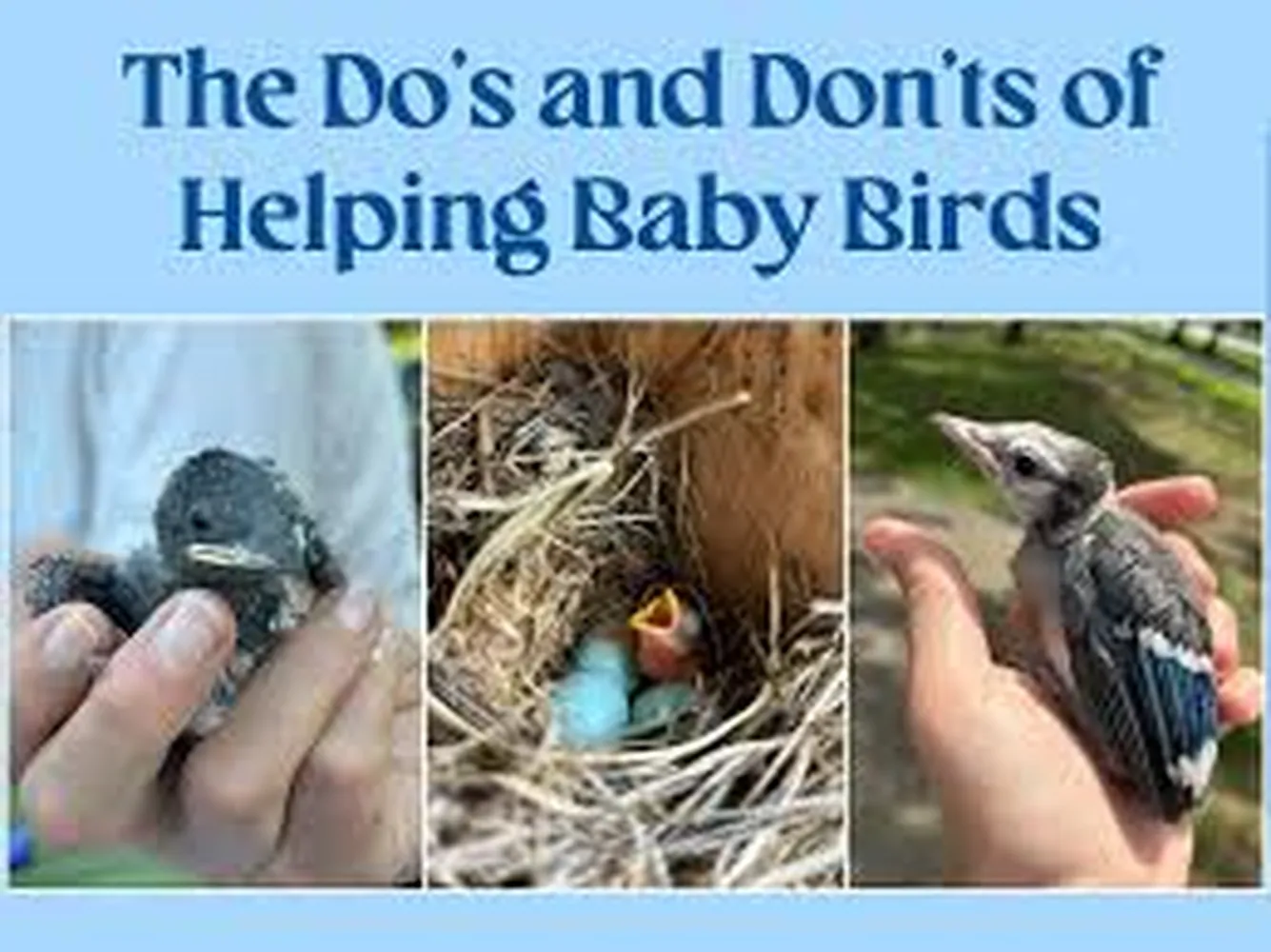
Finding a tiny, vulnerable bird on the ground is a delicate scenario that requires immediate clarity. Knowing exactly how to help a baby bird that fell out of its nest can mean the difference between a successful reunion and an unintended wildlife tragedy. Many people act on instinct, assuming every animal on the ground needs immediate human intervention. However, biological protocols show that improper intervention often disrupts natural patterns of parental care.
Step 1: Identify Nestling vs Fledgling
Before touching the animal, you must evaluate its age. This evaluation is just as precise as studying physical markers to tell the gender of a budgie or identifying distinct paw prints when learning how to identify animal tracks in the snow. Misidentifying the bird's developmental stage is the most common mistake made by property owners.
- Nestlings (Need Intervention): These are very young birds with either no feathers, pink skin, or soft downy fluff. They cannot walk, hop, or grip branches, and they rely completely on the insulation and security of their original home.
- Fledglings (Leave Alone): These are older chicks with fully formed feathers, though their tails may look short. They are intentionally out of the nest, learning to hop, flutter, and forage on the ground. Their parents remain nearby, watching and feeding them at regular intervals.
| Feature | Nestling (Rescue Needed) | Fledgling (Safe on Ground) |
|---|---|---|
| Feather Quality | Bare skin, patches, or down | Fully developed feathers |
| Mobility | Crawls weakly or stays still | Hops actively, flutters wings |
| Action Plan | Return to nest immediately | Keep pets away, leave alone |
Step 2: Practical Steps to Take for Nestlings
If you have confirmed the bird is a nestling, your primary objective is to reunite it with its parents. A widespread myth claims bird parents will abandon their offspring if human scent is present. According to official veterinary assessments from the National Audubon Society, birds have a limited sense of smell and will resume care immediately once the chick is safely returned.
- Locate the Home: Scan the immediate bushes, hedges, or overhead branches to see if you can spot the structure it fell from.
- Gently Replace It: Use clean hands or a soft cloth to lift the nestling gently and place it straight back inside with its siblings.
- Check for Safety: Ensure no domestic predators, like outdoor cats, are lurking around the base of the tree. Just as knowing how to tell if your dog is in pain keeps a household safe, keeping local domestic pets indoors for a few hours protects local backyard biodiversity.
Step 3: How to Create an Artificial Nest
Sometimes the original structure is completely destroyed by wind, or it rests too high up a smooth tree trunk for safe human reach. In these specific circumstances, constructing an artificial alternative is highly effective.
- Container Selection: Find a small plastic tub, a clean margarine container, or a small wicker basket.
- Drainage Holes: Poke small holes through the bottom of plastic tubs to prevent rainwater collection.
- Insulation Lining: Line the inside with dry paper towels or tissue paper. Avoid using loose cotton string or commercial fabrics, as fine threads can twist around delicate limbs.
- Mount Securely: Use zip-ties or heavy twine to fasten the container to the closest tree trunk or branch near where the bird was discovered. Place the nestling inside and step back to observe from a distance for 1 to 2 hours.
When to Contact a Licensed Wildlife Specialist
There are rare moments when natural parental care is no longer a viable option. For example, if you observe clear physical trauma—such as bleeding, a dragging wing, or limp legs—the bird requires clinical aid. If you know the parent bird is deceased, or if a regular 2-hour monitoring window yields no parental visits, it is time to move the chick to a safe box and contact local authorities immediately.
While waiting for a response from a certified wildlife rehabilitator, line a small cardboard box with soft tissues, keep it in a warm, quiet room away from children and household pets, and avoid giving the bird food or water. For regional wildlife emergency listings and directories, review the National Wildlife Rehabilitators Association official directory to locate a certified clinical expert near you.
Frequently Asked Questions (FAQs)
Will bird parents reject a baby if a human touches it?
No. Most wild birds have an extremely limited sense of smell. They will not notice human scent and will happily resume standard feeding behaviors once the chick is back in place.
Should I feed a baby bird water or wild seeds?
No, never administer liquids or food. Baby birds receive all hydration directly from solid food provided by parents. Forcing liquids into their beaks often floods their lungs, resulting in fatal aspiration.
A fledgling is sitting on my lawn and cannot fly. What should I do?
If the bird has full feathers and is alert, leave it alone. Fledglings naturally spend several days on the ground developing flight muscle strength. Keep outdoor cats inside and watch from your window to ensure parents return to feed it.
Conclusion
Mastering how to help a baby bird that fell out of its nest relies on observation, restraint, and applying precise, species-appropriate protocols. By distinguishing between nestlings and fledglings, avoiding unnecessary feeding mistakes, and knowing when to hand care over to certified rehabilitation facilities, you preserve regional bird populations and contribute constructively to local ecosystem health.