





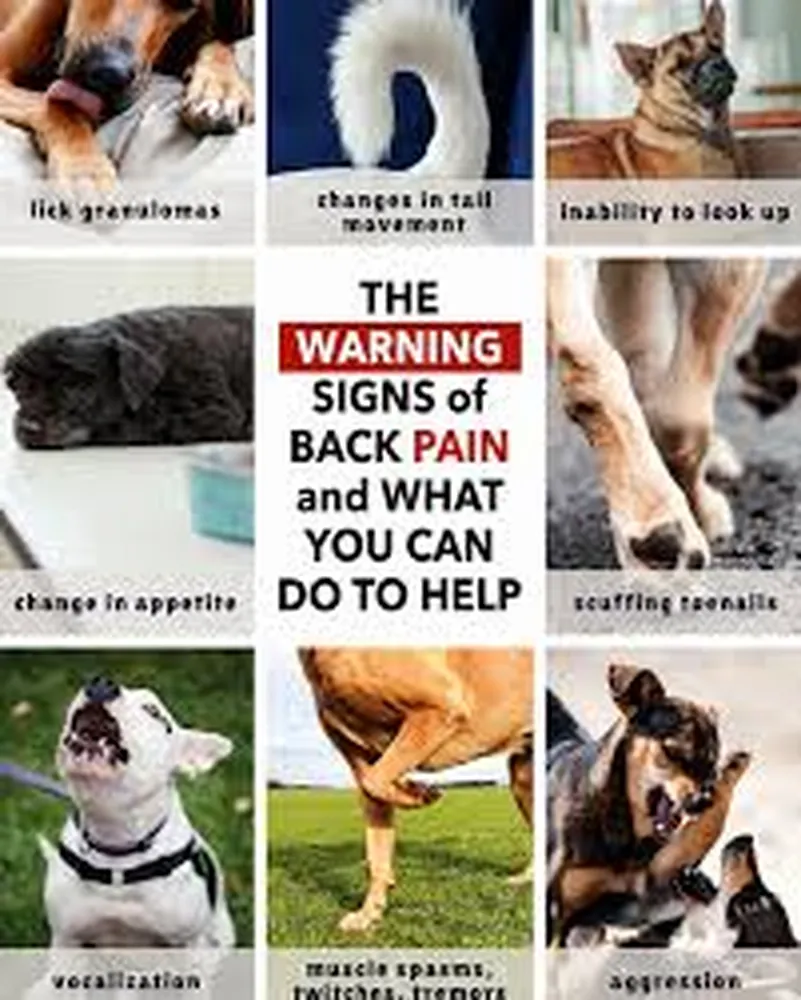
Understanding how to tell if your dog is in pain is one of the most critical responsibilities of pet ownership. Because dogs cannot communicate their physical suffering verbally, they rely entirely on subtle alterations in posture, everyday routines, and facial movements to convey that something is wrong. Much like managing a young puppy’s health before they grow—including researching how to get rid of fleas on puppies naturally—monitoring a senior or adult canine requires a sharp eye for unusual details.
Behavioral Changes and Altered Demeanor
When a dog experiences physical distress, their emotional baseline shifts dramatically. Many owners expect loud yelping or whining, but more often, a dog will simply withdraw or display uncharacteristic mood shifts. Observing these social pivots is the primary step in masterfully evaluating if your companion needs immediate medical help.
- Aggression or Unprovoked Snapping: A normally gentle pet might growl, snap, or bare teeth when you touch a specific area of their body. This instinct protects an injury from further touch.
- Social Withdrawal and Hiding: If your dog suddenly retreats beneath beds, into dark closets, or walks away when called, they are attempting to isolate themselves due to physical stress.
- Excessive Grooming: Dogs naturally lick wounds, but localized, repetitive licking or chewing on a single wrist, hip, or paw is a key signal of targeted joint or tissue inflammation.
Pro Tip: Just like checking the wild to see how to identify animal tracks in the snow, diagnosing your pet requires looking for tiny visual disturbances in their normal tracks, habits, and sleeping patterns.
Posture and Mobility Red Flags
Canine musculoskeletal problems display direct structural indicators. When assessing your dog's physical presentation, watch how they position their spinal column and limbs while walking or sitting down.
A hunched, rigid back paired with a low-hanging head suggests structural neck or abdominal trauma. You may also observe structural tremors or a trembling limb even when the room is warm. To understand common physical manifestations quickly, look over the dynamic indicators table below.
| Symptom Category | Visual Red Flag | Common Source |
|---|---|---|
| Mobility Issues | Limping, stiffness, slow to rise | Arthritis, hip dysplasia |
| Body Posture | Arched spine, low tucked tail | Abdominal or spinal pain |
| Facial Actions | Glazed eyes, pinning ears back | Acute headache, internal injury |
Clinical Changes: Heart Rate and Breathing
Sometimes behavior alone leaves you uncertain. In these situations, checking core physical vitals confirms structural distress. High stress levels trigger hormonal spikes that alter your pet's base metabolism. Heavy, rapid panting when the ambient room temperature is perfectly cool is a classic sign of internal trauma.
According to clinical studies by the American Veterinary Medical Association (AVMA), an elevated heart rate combined with a tight, hard belly that resists soft pressure indicates a medical emergency. If their pulse speeds up well past normal resting limits without exercise, prioritize calling an emergency vet clinic right away.
Acute vs. Chronic Pain Evaluation
Learning how to tell if your dog is in pain requires identifying whether the trouble is acute or chronic. Acute issues appear in moments following an accident, muscle tear, or ingestion of toxic items. Chronic issues progress softly over months or years, blending into old age habits and making detection difficult.
If you see your pet struggling with simple obstacles like stairs or sofas, do not assume they are simply slowing down due to age. This lack of movement usually means manageable arthritis pain that a veterinarian can treat with targeted care plans.
Frequently Asked Questions
How to tell if your dog is in pain at home?
Monitor simple routines. Check for unusual heavy panting while resting, tense abdominal stance, lower tail position, continuous grooming localized to one joint, or social withdrawal from the family.
Do dogs cry out instantly when they hurt?
Not always. Dogs possess strong evolutionary instincts to mask vulnerability. Chronic discomfort or dull muscle aches typically manifest as quiet lethargy or subtle stiffness rather than active vocalizing.
Take Action for Your Canine's Comfort
Never administer human over-the-counter anti-inflammatory drugs to your pet, as medications like ibuprofen are highly dangerous to dogs. Instead, carefully track every structural signal your dog shows and coordinate with a licensed medical professional to restore your best friend's active quality of life.